As I investigate into the significance of these festivals, I see how they shape and strengthen the collective Hindu identity. They offer moments of reflection and joy, bringing people together in a shared experience that transcends individual differences. By understanding the essence of these festivals, we gain deeper insight into the rich world of Hindu life and the enduring spirit that binds it all together.
Significance of Festivals in Hindu Culture
Festivals hold immense significance in Hindu culture as they reflect deep-rooted traditions, spirituality, and community bonds. Each festival embodies a different aspect of Hindu beliefs, with unique rituals, stories, and symbols that vary from region to region yet carry a united purpose.
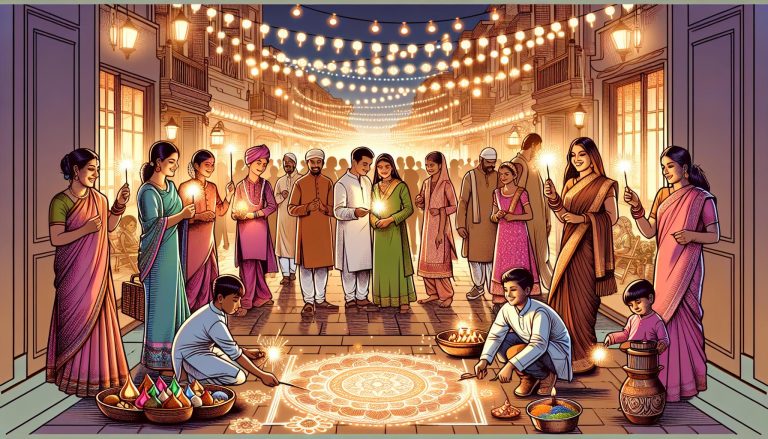
Throughout the year, Hindu festivals like Diwali, Holi, and Navratri bring families together, fostering a sense of unity and belonging. For instance, Diwali, the Festival of Lights, symbolizes the victory of light over darkness and good over evil. Families illuminate their homes with diyas and candles, share sweets, and perform Lakshmi Puja to invite prosperity.
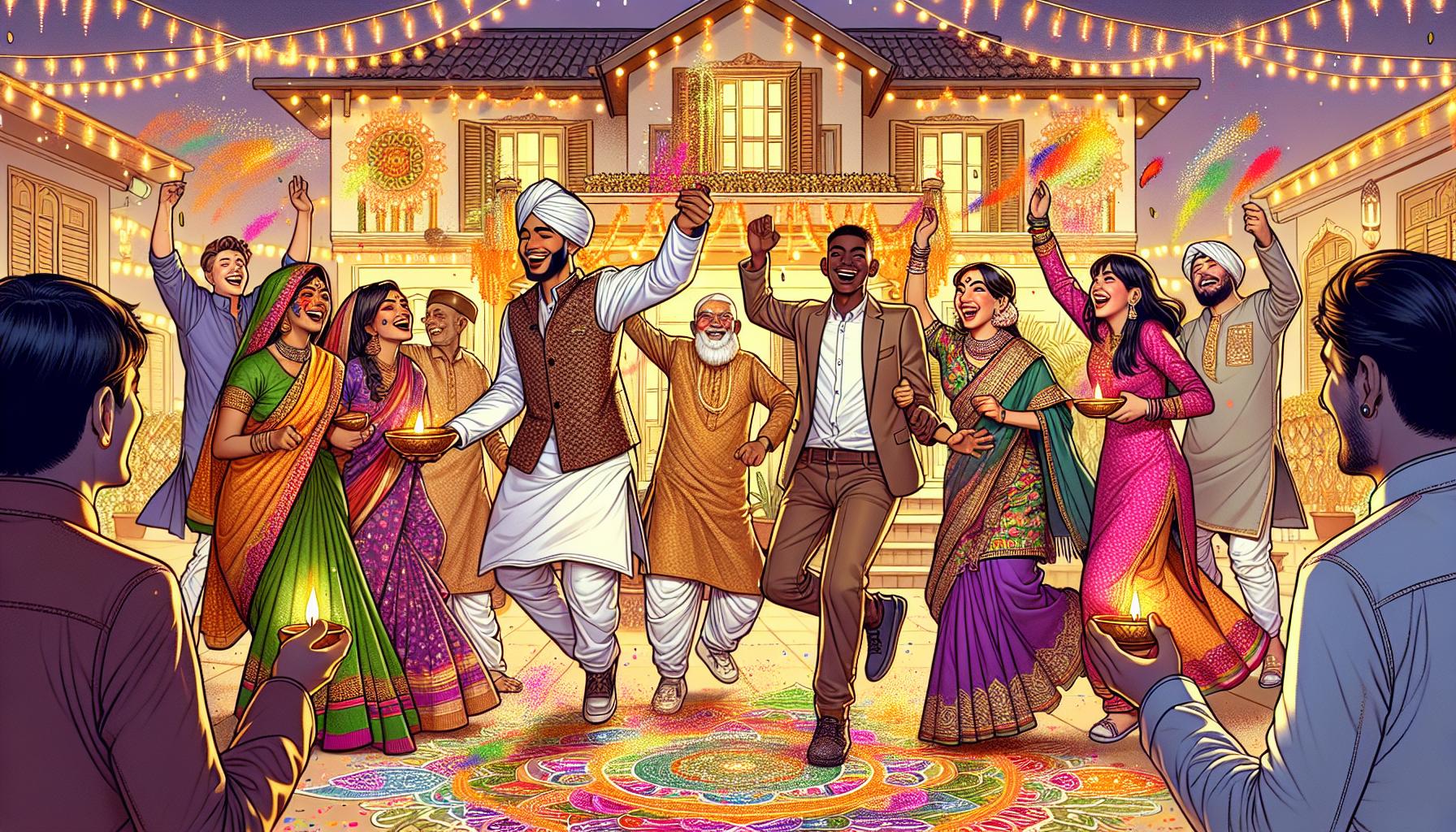
Holi, known as the Festival of Colors, marks the advent of spring and emphasizes joy, forgiveness, and the playful nature of divine love. During Holi, people gather to throw colored powders, dance, and celebrate community togetherness.
Navratri, a nine-night festival, honors the goddess Durga and represents the triumph of good over evil. During these nights, devotees participate in fasting, prayers, and dances like Garba and Dandiya, showcasing their devotion and cultural heritage.
The communal and familial gatherings during these festivals reinforce cultural identity and impart important values. Rituals, songs, dances, and feasts connect the present generation to their ancestors, ensuring the transmission of traditions.
Observing these festivals provides moments of spiritual reflection and joy. It allows individuals to attain a sense of peace and rejuvenation while celebrating with their community. By participating in these events, one not only honors personal faith but also contributes to the perpetuation of cultural heritage.
Understanding these festivals offers a window into the diversity and richness of Hindu culture. It highlights how time-honored traditions and collective celebrations strengthen the Hindu identity, preserving and fostering its enduring spirit.
Major Hindu Festivals
Hindu festivals are essential to preserving and celebrating Hindu identity. They foster a sense of unity and continuity, weaving together the cultural and spiritual fabric that defines Hinduism.
Diwali
Diwali, or Dipavali, is one of the most celebrated Hindu festivals. Lasting for five days, it symbolizes the victory of light over darkness. Celebrations start on the 13th day of the dark half of Ashvina and end on the second day of the light half of Karttika, usually between late October and November. During Diwali, people light diyas (small earthenware lamps), decorate their homes, and worship Lakshmi, the goddess of wealth.
Holi
Holi is known as the Spring Festival of Colors and is celebrated across North India. It falls on the full-moon day of Phalguna, generally in March. Participants throw colored powders, known as gulal, at each other in joyful festivities. Holi signifies the arrival of spring and the end of winter, promoting feelings of love and happiness.
Navratri
Navratri spans nine nights, dedicated to the worship of the goddess Durga. It usually occurs in September or October. Each night people perform garba and dandiya dances, celebrating different aspects of the goddess. These dances and rituals reinforce faith, devotion, and the importance of female divinity.
Ganesh Chaturthi
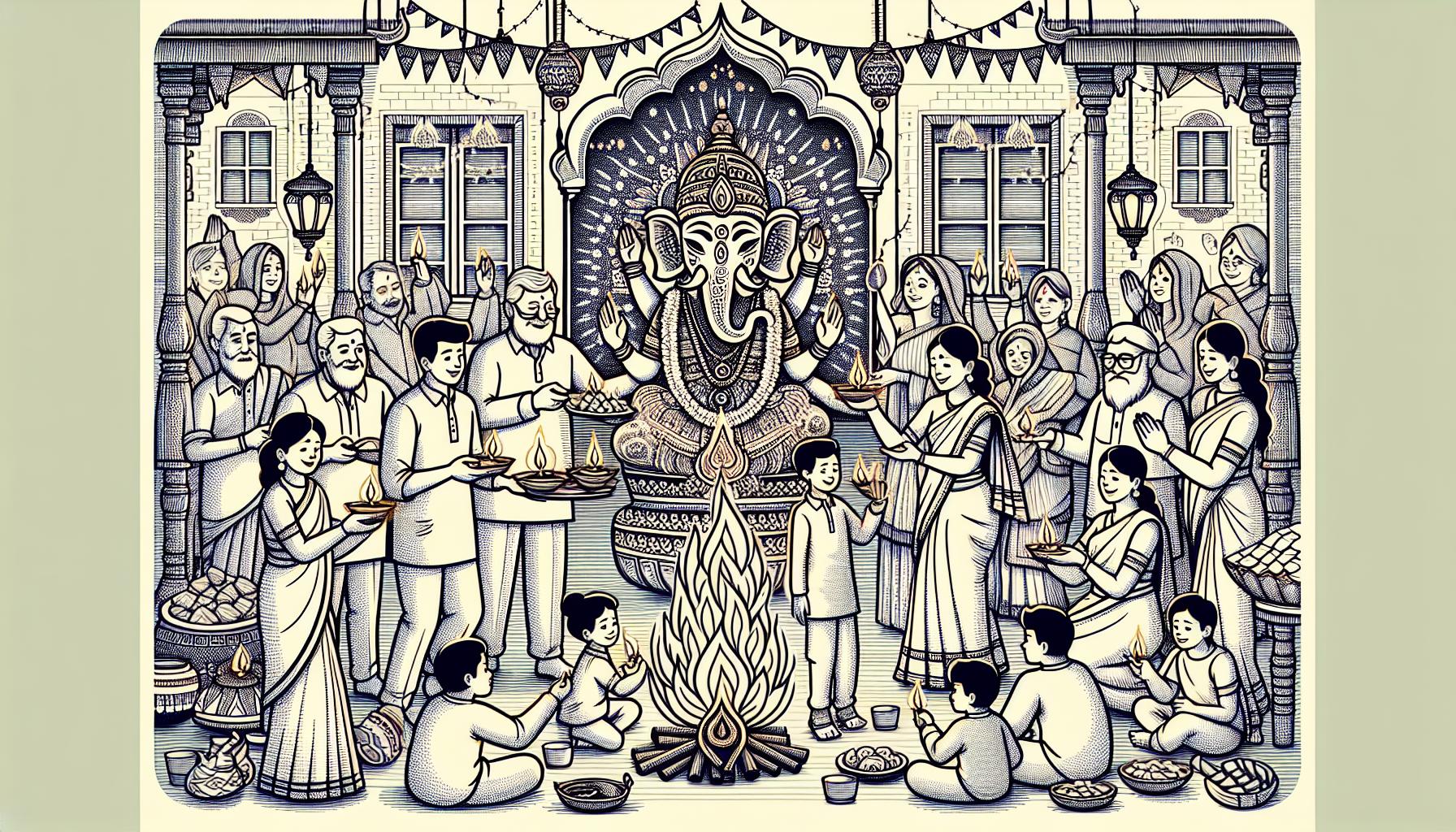
Ganesh Chaturthi marks the birth of Lord Ganesha, the elephant-headed god of wisdom and prosperity. Celebrated for ten days, it typically falls in late August or early September. Devotees install clay idols of Ganesha in their homes or public pandals (temporary stages). The festival culminates in a grand procession and immersion of the idols in water, symbolizing Ganesha’s return to Mount Kailash.
These festivals not only honor deities and historical events, but also strengthen the community’s connection to its heritage and cultural identity.
Festivals as Identity Markers
Hindu festivals are vital in shaping and expressing Hindu identity. They reflect deep-rooted traditions and communal values.
Social Cohesion and Community Building
Festivals foster a sense of unity among Hindus. Participating in Diwali, families light diyas, share sweets, and exchange gifts, reinforcing social bonds. Holi involves communities gathering to play with colored powders, breaking social barriers and fostering harmony. During Ganesh Chaturthi, neighborhoods work together to create elaborate clay idols and organize processions, building a strong sense of belonging. Navratri, with its vibrant dances, brings communities together each night to celebrate shared beliefs and customs.
Religious Practices and Rituals
Festivals also preserve religious practices and rituals. Diwali rituals, such as Lakshmi Puja, involve worshipping the goddess of wealth and prosperity. Holi includes Holika Dahan, a bonfire symbolizing the victory of good over evil. Navratri features the worship of different forms of the goddess Durga, with distinct rituals over nine nights. Ganesh Chaturthi centers on the installation and worship of Lord Ganesha idols, followed by a visarjan (immersion) ceremony. These practices reinforce religious teachings, keeping the traditions and values of Hinduism alive.
Regional Variations
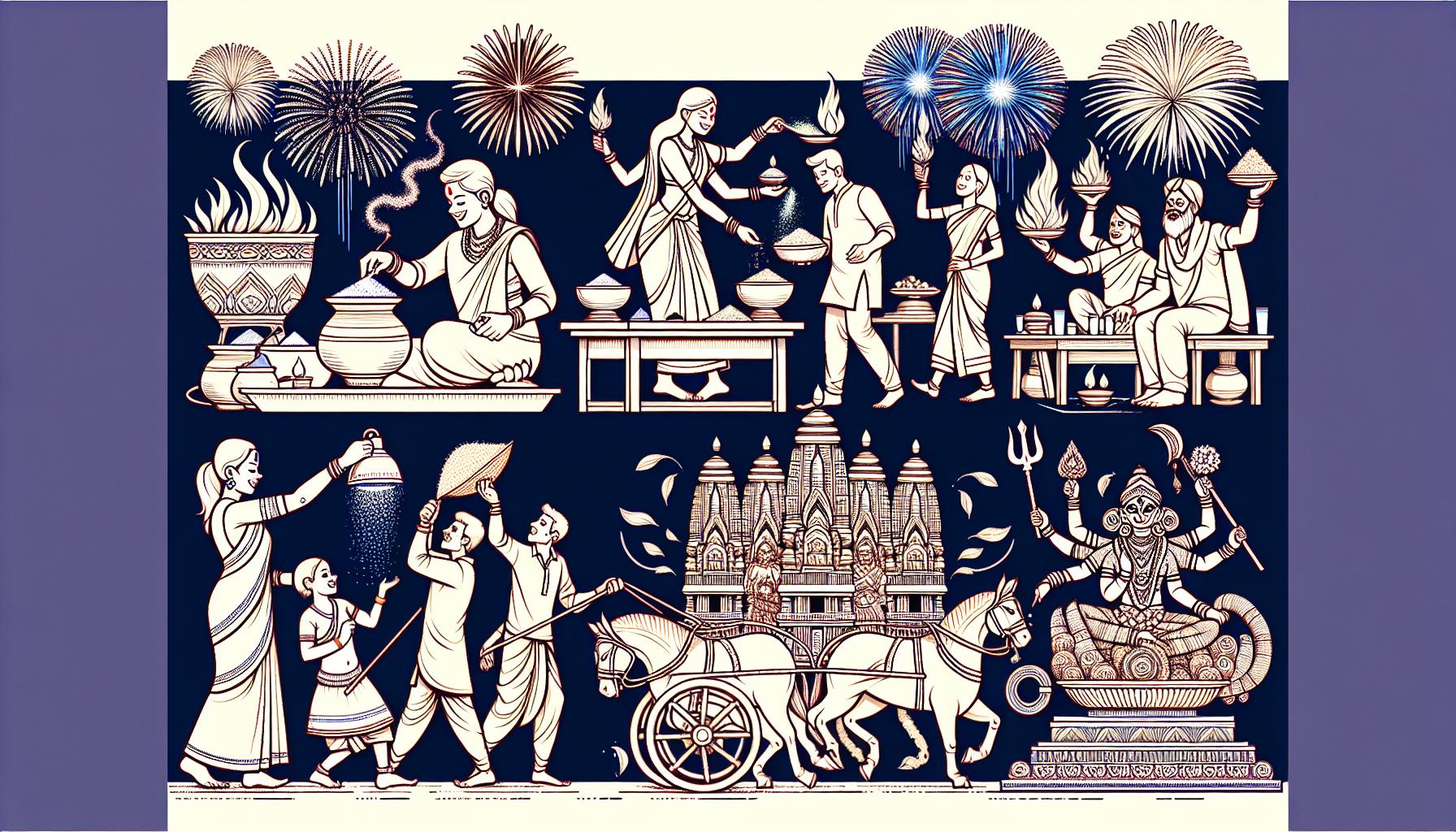
Hindu festivals display significant regional variations, reflecting diverse local customs and traditions across India’s vast world.
Northern India
In Northern India, Diwali and Holi take center stage. Diwali, or the Festival of Lights, symbolizes the triumph of light over darkness. It commemorates Lord Rama’s return to Ayodhya after defeating Ravana – The Demon King. Houses glow with oil lamps and fireworks fill the sky. Holi, the festival of colors, marks the arrival of spring and is celebrated by smearing colored powders on friends and family. It commemorates the playful acts of Lord Krishna – An Incarnation of Vishnu.
Southern India
Southern India celebrates Pongal and Onam with fervor. Pongal, a harvest festival, honors the Sun God and includes boiling the first rice of the season. It’s celebrated mainly in Tamil Nadu and includes activities like cooking rice in milk. Onam, primarily in Kerala, commemorates the return of King Mahabali. It involves elaborate feasts, traditional music, and the famous Vallam Kali boat race.
Eastern India
Eastern India’s major festivals include Durga Puja and Rath Yatra. Durga Puja celebrates the victory of Goddess Durga over the buffalo demon Mahishasura – Buffalo Demon. Kolkata is especially known for its grand pandals and elaborate sculptures of Durga. Rath Yatra in Odisha centers on the annual chariot festival of Lord Jagannath, wherein deities are paraded in chariots pulled by devotees through the streets of Puri.
Media and Modern Interpretations
Social media’s evolution has significantly impacted the way Hindu festivals are perceived and celebrated globally.
Influence of Globalization
Globalization has played a crucial role in spreading Hindu festivals worldwide. Festivals like Diwali and Holi are now celebrated across various countries, not just in India. For instance, Diwali lights up Times Square in New York and Holi colors engulf the streets of London. This global reach has increased awareness about Hindu traditions and their underlying philosophies.
Also, globalization has led to the fusion of cultural practices. Western elements are sometimes integrated into Hindu festivals due to the diverse backgrounds of attendees. This blend often results in unique cultural experiences while still preserving core Hindu traditions.
Role of Social Media
Social media platforms have become vital in sharing festival experiences and rituals. Individuals post photos, videos, and live streams, providing a broader audience with insights into Hindu culture. Platforms like Instagram, Facebook, and Twitter buzz with festival greetings, hashtag trends, and virtual celebrations.
These platforms also offer educational content about the significance and history of festivals. For example, YouTube channels and influencers create content that explains the rituals and meanings behind these celebrations. This digital storytelling enhances understanding and engagement, especially among younger generations.
Social media also fosters virtual communities where people can join groups dedicated to festival planning and discussions. This sense of community strengthens the global Hindu diaspora’s connection to their roots, even though physical distances.
Challenges and Controversies
Hindu festivals face several challenges and controversies in contemporary society, affecting their traditional essence and significance. Two prominent issues are the commercialization of festivals and religious intolerance.
Commercialization of Festivals
Commercialization has significantly altered the way Hindu festivals are celebrated. Companies often exploit festive seasons to boost sales, leading to an increased focus on consumerism rather than spirituality. For example, Diwali has become synonymous with shopping sprees and extravagant parties, overshadowing its religious and cultural significance. This shift raises concerns about losing traditional values and practices that define these festivals.
Religious Intolerance
Religious intolerance presents another substantial challenge to Hindu festivals. In multicultural societies, the public display and celebration of Hindu rituals sometimes face opposition or restrictions. Instances in which public celebrations like Durga Puja face legal hurdles due to noise and environmental regulations illustrate this issue. Such constraints impact the ability to preserve and express Hindu cultural identity, creating friction between communities and fostering division instead of unity.
Conclusion
Hindu festivals play a vital role in preserving cultural identity and fostering community bonds. Even though challenges like commercialization and religious intolerance these celebrations continue to thrive and evolve. Social media and globalization have expanded their reach introducing Hindu traditions to a global audience and creating virtual communities that keep cultural connections strong. It’s crucial to balance modern influences with the core spiritual values of these festivals to ensure their essence remains intact for future generations. By embracing both tradition and innovation we can keep the spirit of Hindu festivals alive and vibrant worldwide.
Sources & further reading
These themes are explored in greater depth across the following authoritative resources:
- Britannica, Yoga in Hinduism
- Britannica, Puja
- Harvard Pluralism Project, Hindu Practice
- Internet Sacred Text Archive, Yoga Sutras of Patanjali
- Diana L. Eck, Banaras: City of Light (Princeton University Press, 1982)
External resources for further reading. Apam Napat is not affiliated with these publishers; citation does not imply endorsement.
Frequently asked questions
Why are festivals important to Hindu identity?
What does Diwali celebrate in Hinduism?
What is Holi and when is it celebrated?
What does the Navratri festival honor?
Based on the classical texts of Hindu mythology, see our sources.