
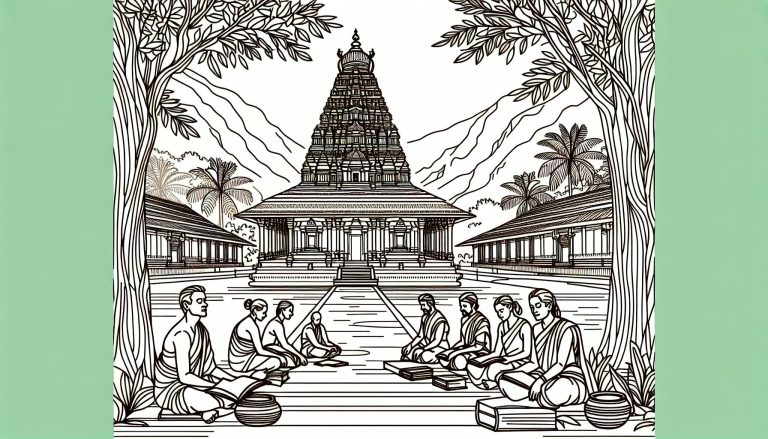
In our rapid world, it’s easy to lose sight of what truly matters. Embracing Dharma can help us navigate life’s complexities with integrity and purpose. By understanding and practicing these timeless principles, we can cultivate a life that’s not only successful but also deeply fulfilling.
Understanding Dharma
Dharma is an ancient concept centered on righteous living and universal harmony. Its principles guide individuals toward virtuous actions and moral integrity.
Definition and Origin
Dharma, from the Sanskrit root “dhr,” means to uphold or maintain. Originating in Vedic traditions, it’s a key element in Hinduism, Buddhism, Jainism, and Sikhism. Each of these philosophies views Dharma through its doctrinal lens. For Hindus, it’s about duty and righteousness. Buddhists see it as cosmic law and order. Jains interpret it as the real nature of entities, and Sikhs emphasize truthful living and social justice. Even though varying definitions, all share a focus on moral conduct and ethical living.
Core Principles
Dharma encompasses several core principles:
- Truthfulness: Adhering to truth in thoughts, words, and deeds. For instance, being honest in communication without deceit.
- Non-Violence (Ahimsa): Avoiding harm to all living beings. Examples include choosing non-violent protest methods or practicing vegetarianism.
- Compassion: Showing empathy and kindness. Volunteering at shelters or aiding disaster victims exemplifies this.
- Self-Discipline: Maintaining control over one’s actions and desires. Practicing meditation and refraining from indulgence illustrate self-discipline.
- Justice: Ensuring fairness and equity. Supporting equal rights movements or advocating for disadvantaged communities are ways to promote justice.
These principles serve as ethical guidelines. They encourage actions that contribute to personal growth and societal harmony.
The Role of Dharma in Righteous Living

Dharma plays a crucial role in shaping a righteous life centered around virtue and ethical conduct. It weaves through various aspects of daily existence, providing a framework for actions and decisions.
Ethical Framework
Dharma offers an ethical framework that guides everyday actions and decisions. This framework is rooted in timeless principles such as truthfulness, non-violence, and justice. These principles ensure that every action aligns with moral integrity, promoting personal growth and societal harmony. By adhering to these values, individuals create a foundation for a righteous life, benefiting both themselves and the community.
Daily Practices
Daily practices grounded in Dharma reinforce its principles and enhance righteous living. Activities like meditation, self-reflection, and acts of kindness embody Dharma’s teachings. For instance, practicing truthfulness involves honest communication, while non-violence is reflected through compassion in interactions. These practices, when consistently followed, lead to a disciplined and purposeful life, deeply rooted in ethical conduct.
Historical Perspectives
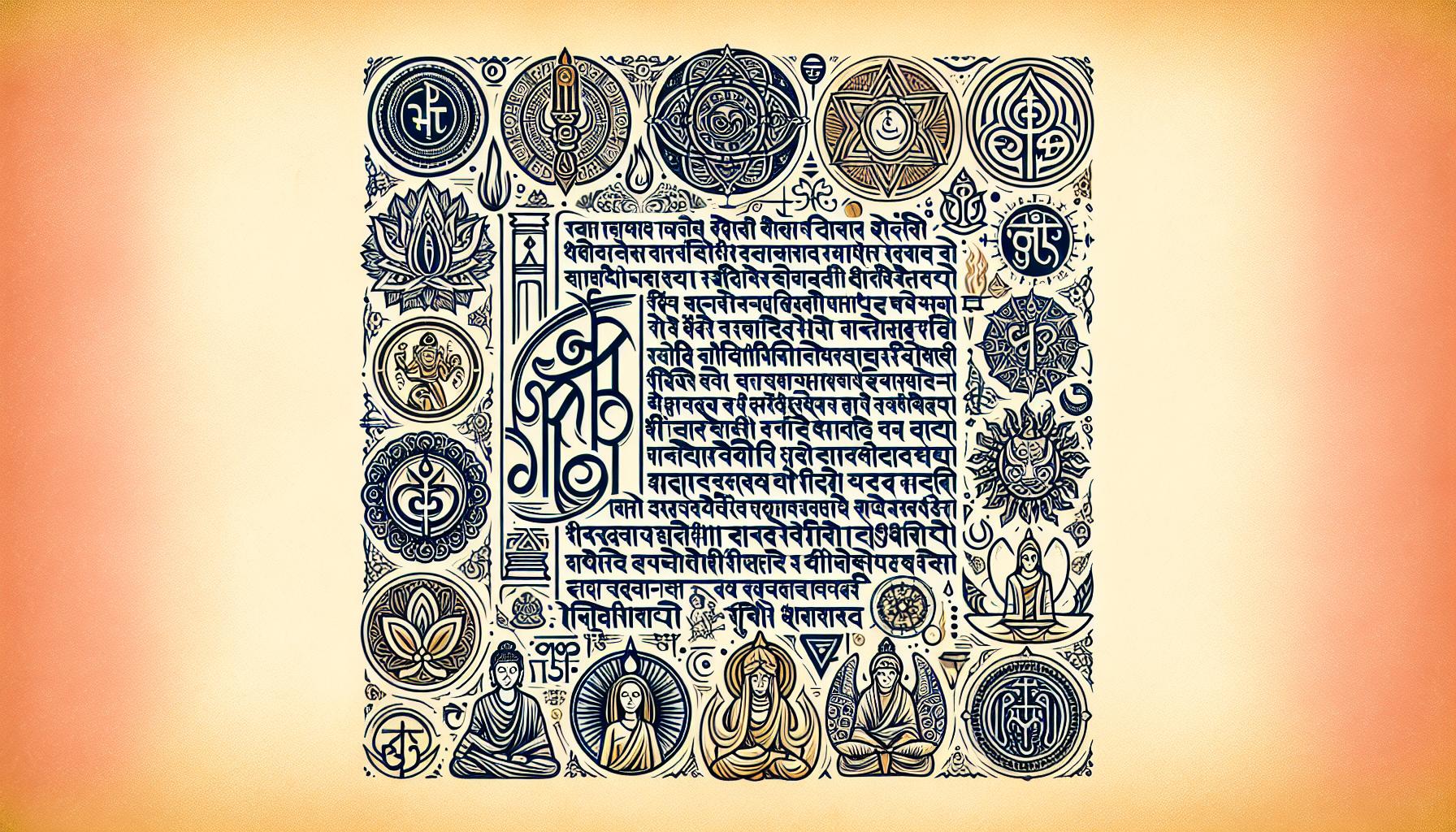
Historical perspectives on Dharma provide invaluable insights into its development and implementation throughout the ages.
Ancient Scriptures
Ancient scriptures serve as the foundational texts that capture the essence of Dharma’s teachings. The Rigveda, one of the oldest known Vedic texts, mentions Dharma as an essential cosmic law. The Mahabharata – The Great Epic, especially the Bhagavad Gita, explores Dharma’s practical aspects through the discourse between Krishna – An Incarnation of Vishnu and Arjuna – The Peerless Archer, emphasizing duty and righteousness. In Buddhism, the Tripitaka delineates the Buddha’s teachings on Dharma, underscoring ethical living and the Middle Path. The Jain Agamas codify Jain Dharma, including practices like non-violence and truth. These scriptures collectively shape the doctrinal understanding of Dharma, influencing its application in daily life.
Influential Philosophers
Influential philosophers have further enriched the concept of Dharma with their interpretations and teachings. Adi Shankaracharya, an early 8th-century philosopher, integrated Dharma into Advaita Vedanta, focusing on the oneness of individual souls and ultimate reality. Gautama Buddha’s teachings reformulated Dharma into the Noble Eightfold Path, a pragmatic guide to ethical and mental development. Mahavira, Jainism’s 24th Tirthankara, emphasized strict adherence to Dharma through ascetic practices and ahimsa (non-violence). Guru Nanak, the founder of Sikhism, advocated for honest living and equality as core elements of Dharma. These philosophers’ contributions provide diverse yet coherent perspectives on living righteously.
Modern Interpretations

Modern interpretations of Dharma adapt ancient concepts to contemporary life, addressing current challenges while maintaining ethical integrity.
Contemporary Applications
Dharma in today’s context still emphasizes personal growth and societal harmony. Many integrate Dharma with modern values. Examples include following environmental ethics like sustainable living practices, advocating for social justice, and supporting inclusive communities.
Professionals often apply Dharma’s principles such as truthfulness and responsibility in their work. For instance, entrepreneurs committed to fair trade ensure ethical sourcing and fair wages. Also, many individuals adopt mindfulness and compassion in personal relationships, reflecting Dharma’s core teachings.
Comparative Analysis with Other Philosophies
Dharma shares similarities with other global ethical philosophies. Confucianism emphasizes duty and moral living, akin to Dharma’s focus on righteous conduct. Similarly, Stoicism champions virtues like wisdom and self-discipline, echoing Dharma’s principles of self-discipline and truthfulness.
Western ethical traditions like deontology also align with Dharma, which focuses on duty and moral rules. But, Dharma’s holistic approach integrates cosmic laws and personal duty, offering a comprehensive ethical framework.
Personal Experiences
Dharma’s influence on individuals can be profoundly transformative. Sharing personal experiences gives insight into how Dharma shapes behaviors and decisions.
Case Studies
I’ve encountered several compelling case studies that illustrate Dharma’s impact on individual lives.
- A Business Leader’s Commitment to Ethics: One executive I met insisted on integrating Dharma into corporate governance. This person emphasized transparent practices and ethical stewardship anchored in Dharma principles. The outcome was a company culture rooted in integrity and social responsibility.
- A Teacher’s Journey to Compassionate Education: A friend of mine, a devoted educator, applied Dharma in her teaching methodology. She focused on nurturing her students’ moral and ethical development, beyond academics. This approach fostered a respectful and supportive classroom environment, promoting holistic learning.
- A Rural Community’s Sustainable Living Efforts: During my travels, I observed a rural village applying Dharma’s principles for sustainable development. They employed eco-friendly practices like organic farming and renewable energy, embodying Dharma’s commitment to harmony with nature. This initiative not only improved their standard of living but also encouraged communal harmony and self-reliance.
Testimonials
Real-life testimonials demonstrate how Dharma impacts personal and societal growth.
- John M., CEO: “Integrating Dharma into our corporate policy was a game-changer. Our emphasis on ethical practices and transparency not only boosted staff morale but also strengthened client trust and loyalty.”
- Emily R., Educator: “When I started incorporating Dharma into my curriculum, I noticed a significant shift in my students. They became more empathetic, responsible, and engaged, creating a more harmonious and productive learning environment.”
- Village Elder in India: “Practicing Dharma in our agricultural methods revitalized our community. We now live more sustainably, and there’s a renewed sense of unity and purpose among us.”
Sharing case studies and testimonials underlines Dharma’s real-world application, offering valuable perspectives on how righteous living influences everyday life.
Conclusion
Embracing Dharma in our daily lives isn’t just about adhering to ancient principles but about integrating these timeless values into modern contexts. I’ve found that living with truthfulness and compassion not only enriches my personal life but also positively impacts those around me. Whether it’s in professional settings or personal relationships applying Dharma’s principles fosters a sense of harmony and ethical integrity. Real-life examples and testimonials further illustrate how Dharma can guide us towards a more balanced and fulfilling life. By committing to righteous living we contribute to a more compassionate and sustainable world.
Sources & further reading
These themes are explored in greater depth across the following authoritative resources:
- Stanford Encyclopedia of Philosophy, Hindu Philosophy
- Britannica, Dharma
- Britannica, Karma
- Internet Sacred Text Archive, Bhagavad Gita
- A. K. Ramanujan, Speaking of Siva (Penguin Classics, 1973)
External resources for further reading. Apam Napat is not affiliated with these publishers; citation does not imply endorsement.
Frequently asked questions
What is the meaning of dharma?
What are the core principles of dharma?
How does dharma differ across religions?
How can dharma be practiced in daily life?
Based on the classical texts of Hindu mythology, see our sources.