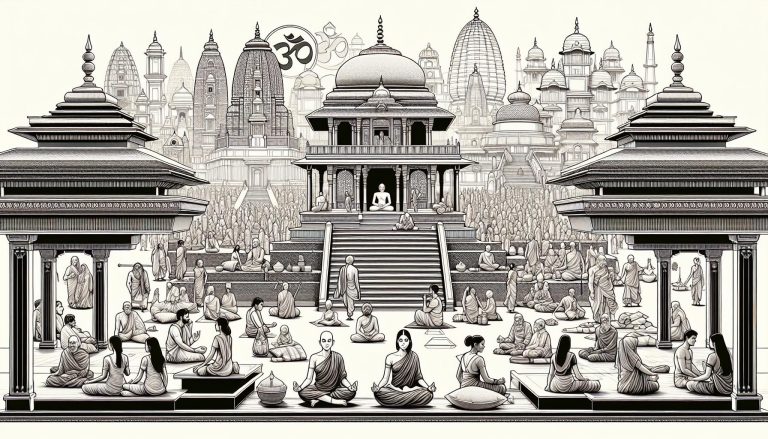
I’ve always been fascinated by how the Dharmic moral code guides individuals to live harmoniously within their communities and the universe. It encourages us to act with integrity, compassion, and mindfulness, creating a balanced and fulfilling life. Whether you’re familiar with these traditions or just curious to learn more, understanding the Dharmic moral code can offer profound insights into leading a more ethical and purposeful existence.
Understanding Dharmic Moral Code
Dharmic moral code comprises principles that govern ethical conduct across Hinduism, Buddhism, Jainism, and Sikhism. These principles include duty, righteousness, and the interconnectedness of all beings.
Duty (Dharma)
Duty, also known as Dharma, refers to the ethical obligations one must adhere to based on one’s role in society. In Hinduism, Dharma varies according to age, caste, gender, and occupation. For instance, a Kshatriya warrior has different duties compared to a Brahmin priest. In Buddhism, Dharma represents the teachings of Buddha, guiding individuals toward enlightenment. Jainism emphasizes non-violence and truth as core duties, while Sikhism focuses on living truthfully and serving humanity.
Righteousness (Satya)
Righteousness, or Satya, is the practice of truthfulness and integrity. In Hinduism, Satya is considered a Vedic principle governing one’s actions and speech. Buddhism regards truth as essential for attaining Nirvana. Jain texts highlight Satya as a vow to refrain from falsehood, while Sikhism promotes the idea that God is Truth, encouraging followers to live truthful lives.
Interconnectedness (Ahimsa and Karma)
Interconnectedness often manifests through Ahimsa (non-violence) and Karma (the law of cause and effect). Ahimsa advocates for non-harming actions and thoughts, forming a crucial element in Jainism, Hinduism, and Buddhism. Karma explains how actions influence future experiences; positive actions lead to positive outcomes and vice versa. Sikhism integrates the concept of Karma with community welfare, stressing selfless service (Seva).
Compassion and Mindfulness
Compassion and mindfulness weave through Dharmic moral tenets, prompting individuals to act in ways that nurture and respect all life forms. Buddhists practice Metta (loving-kindness) and Vipassana (mindfulness meditation) to cultivate inner peace and empathy. Hindus follow practices like Dāna (charity) and Pratyahara (withdrawal of senses) for spiritual progress. Jains embody compassion through rigorous adherence to non-violence, while Sikhs perform daily prayers and community services to foster mindfulness and compassion.
Ethical Living
Dharmic traditions guide individuals towards an ethical life by integrating these principles into everyday actions. Whether it’s through observing specific duties, practicing truth, engaging in non-violent behaviors, or cultivating compassion, these paths lead to a balanced, harmonious lifestyle. Ethics in Dharmic traditions aren’t just personal but extend to societal well-being, emphasizing the universal interconnectedness of life.
Historical Background

The Dharmic moral code has deep roots in ancient civilizations. This section explores its origins and evolution, emphasizing its enduring relevance.
Ancient Texts and Scriptures
Early religious texts form the foundation of the Dharmic moral code. The Vedas, composed around 1500 BCE, outline the principles of Dharma, elaborating on duties and moral conduct. The Upanishads, written between 800-200 BCE, investigate into spiritual wisdom and ethical living. In Buddhism, the Tipitaka, compiled in the 1st century BCE, articulates the Noble Eightfold Path, emphasizing right action and mindfulness. Jainism’s Agamas, dating back to the 4th century BCE, highlight non-violence (Ahimsa) and truthfulness. Sikhism’s Guru Granth Sahib, composed in the 16th century, stresses compassion, humility, and selfless service.
Evolution Through Time
Throughout history, the interpretation of the Dharmic moral code has adapted to societal changes. In the classical period (500 BCE-500 CE), the focus expanded to include social duties and justice. Medieval era (500-1500 CE) literature integrated regional practices, making Dharmic principles accessible across different cultures. Modern times (1800-2000 CE) saw reform movements emphasizing equality and social justice in line with Dharmic teachings. Today, the Dharmic moral code continues to guide ethical behavior, promoting a balance between personal duties and societal welfare.
Core Principles
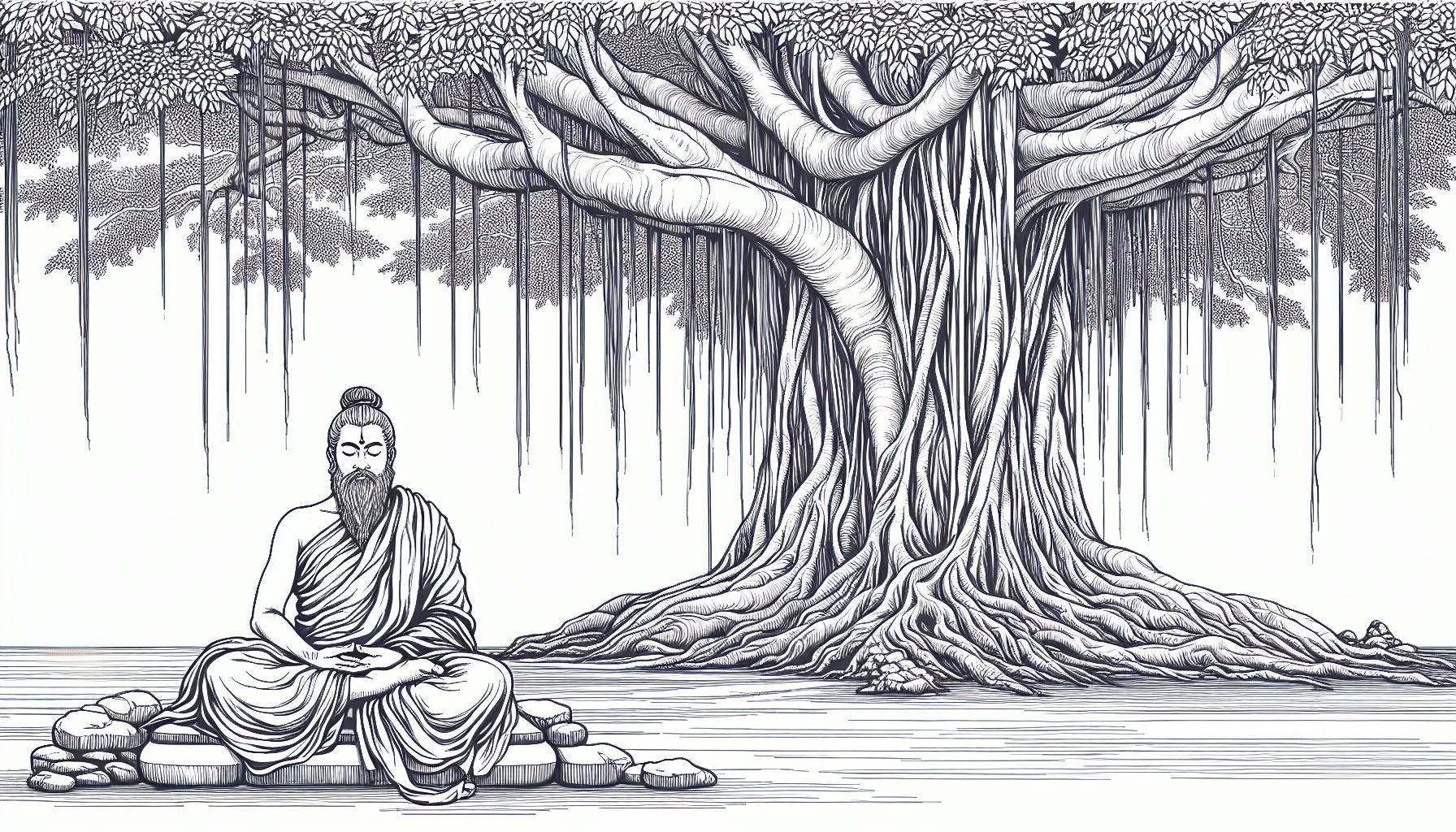
Dharmic religions share essential principles that guide ethical living and moral conduct. These timeless principles underpin a cohesive moral framework.
Dharma and Its Importance
Dharma signifies duty, righteousness, and living in harmony with universal laws. Each individual has a specific dharma based on their role in society, profession, and stage of life. Adhering to one’s dharma ensures social order and spiritual growth. The Vedas and Upanishads elaborate on the concept, emphasizing its role in maintaining cosmic balance. Dharma’s importance lies in its universal applicability, encouraging ethical behavior and societal harmony.
Karma and Moral Consequences
Karma represents the law of cause and effect, where actions influence future experiences. Positive actions lead to favorable outcomes, while negative actions result in suffering. This principle encourages mindful behavior, emphasizing the importance of intention and ethical conduct. Ancient texts like the Bhagavad Gita and the Tipitaka highlight how karma affects one’s path to enlightenment. The moral consequences of actions underline the interconnectedness of all beings, reinforcing responsibility and compassion in daily life.
Dharmic Moral Code in Different Traditions

Dharmic traditions offer distinct yet interconnected moral codes. Here, I examine how Hinduism, Buddhism, and Jainism interpret and practice these ethical principles.
Hinduism
Hinduism’s moral code revolves around Dharma, Karma, and Ahimsa. Dharma represents duty and righteousness, varying based on an individual’s age, caste, and stage of life. The Bhagavad Gita and Manusmriti provide guidance on how to live according to one’s Dharma. Karma underscores the cause-and-effect relationship of actions, influencing one’s future circumstances. Ahimsa, or non-violence, is paramount, advocating respect and compassion for all living beings.
Buddhism
In Buddhism, the Dharmic moral code is encapsulated in the Noble Eightfold Path and the Five Precepts. The Eightfold Path, detailed in the Sutta Pitaka, includes right speech, action, and livelihood, guiding ethical conduct. The Five Precepts mandate abstaining from killing, stealing, sexual misconduct, lying, and intoxicants. Metta, meaning loving-kindness, is a fundamental principle encouraging empathy and benevolence toward all beings.
Jainism
Jainism emphasizes strict adherence to Ahimsa. Non-violence extends to thoughts, words, and deeds, impacting dietary practices and interactions. The Five Mahavratas, or great vows, form the cornerstone of Jain ethics: Ahimsa (non-violence), Satya (truth), Asteya (non-stealing), Brahmacharya (chastity), and Aparigraha (non-attachment). These vows guide Jains in their spiritual and daily lives, fostering a harmonious existence.
Relevance in Modern Society
The Dharmic moral code, rooted in ancient philosophies, remains significant today. Its principles foster ethical behavior and societal harmony.
Ethical Practices
Adopting Dharmic ethics promotes a balanced life. In Hinduism, Dharma encourages individuals to fulfill moral duties, while Ahimsa advocates non-violence. Buddhism’s Noble Eightfold Path and Five Precepts guide ethical decision-making. Jainism’s Ahimsa and Five Mahavratas emphasize non-harming and truthfulness. These practices champion integrity, compassion, and self-discipline.
Influence on Contemporary Laws
Dharmic principles shape modern legal frameworks. For example, the concept of Ahimsa influenced India’s independence movement and its subsequent laws on non-violence. Karma echoes in notions of justice and accountability. Metta’s focus on loving-kindness informs policies on social welfare and human rights. By embedding these teachings, societies aim for equitable and just systems.
Conclusion
Understanding the Dharmic moral code offers profound insights into ethical living and interconnectedness. These principles, deeply rooted in ancient traditions, continue to shape modern society by promoting integrity and compassion. By integrating Dharma, Satya, Ahimsa, Karma, Metta, and Seva into our lives, we can strive for personal enlightenment and contribute to societal harmony. The timeless wisdom of these moral codes not only influences contemporary laws but also enriches our daily interactions, fostering a more ethical and compassionate world.
Sources & further reading
These themes are explored in greater depth across the following authoritative resources:
- Stanford Encyclopedia of Philosophy, Hindu Philosophy
- Britannica, Dharma
- Britannica, Karma
- Internet Sacred Text Archive, Bhagavad Gita
- A. K. Ramanujan, Speaking of Siva (Penguin Classics, 1973)
External resources for further reading. Apam Napat is not affiliated with these publishers; citation does not imply endorsement.
Frequently asked questions
What is the Dharmic moral code?
How is Dharma defined in Hinduism?
What does Satya mean in the Dharmic code?
What is Ahimsa in Dharmic traditions?
How does Buddhism view Dharma?
Based on the classical texts of Hindu mythology, see our sources.