

When I started exploring Dharma, I realized it goes beyond mere actions—it’s about cultivating a balanced mindset and making choices that resonate with your core values. This alignment creates a ripple effect, bringing a sense of calm and fulfillment that permeates every aspect of life. Let’s jump into how embracing Dharma can transform your journey toward inner peace.
Understanding Dharma
Dharma, a complex and profound concept, serves as a guide to living in harmony with one’s true self and the universe. This principle plays a crucial role in achieving inner peace by aligning actions with core values.
Meaning and Origin of Dharma
Dharma comes from the ancient Sanskrit word “dhri,” meaning “to hold” or “to maintain.” It represents the fundamental principles that uphold cosmic order and individual duty. Emerging from Vedic traditions around 1500 BCE, Dharma encompasses moral laws, ethical conduct, and societal duties, reflecting a holistic approach to life. In Hinduism, Buddhism, and Jainism, it provides a framework for understanding righteous living and personal responsibility.
Importance of Dharma in Different Cultures
Dharma manifests uniquely across various cultures, reflecting diverse interpretations and applications. In Hinduism, it emphasizes duties according to one’s stage in life and caste, guiding individuals toward moksha (liberation). In Buddhism, Dharma signifies the teachings of Buddha, focusing on the path to enlightenment and cessation of suffering. Jainism views Dharma as the path to spiritual purity and non-violence, essential for liberation from the cycle of birth and death. Even though differences, these perspectives underscore Dharma’s universal role in fostering ethical behavior and spiritual growth.
The Connection Between Dharma and Inner Peace
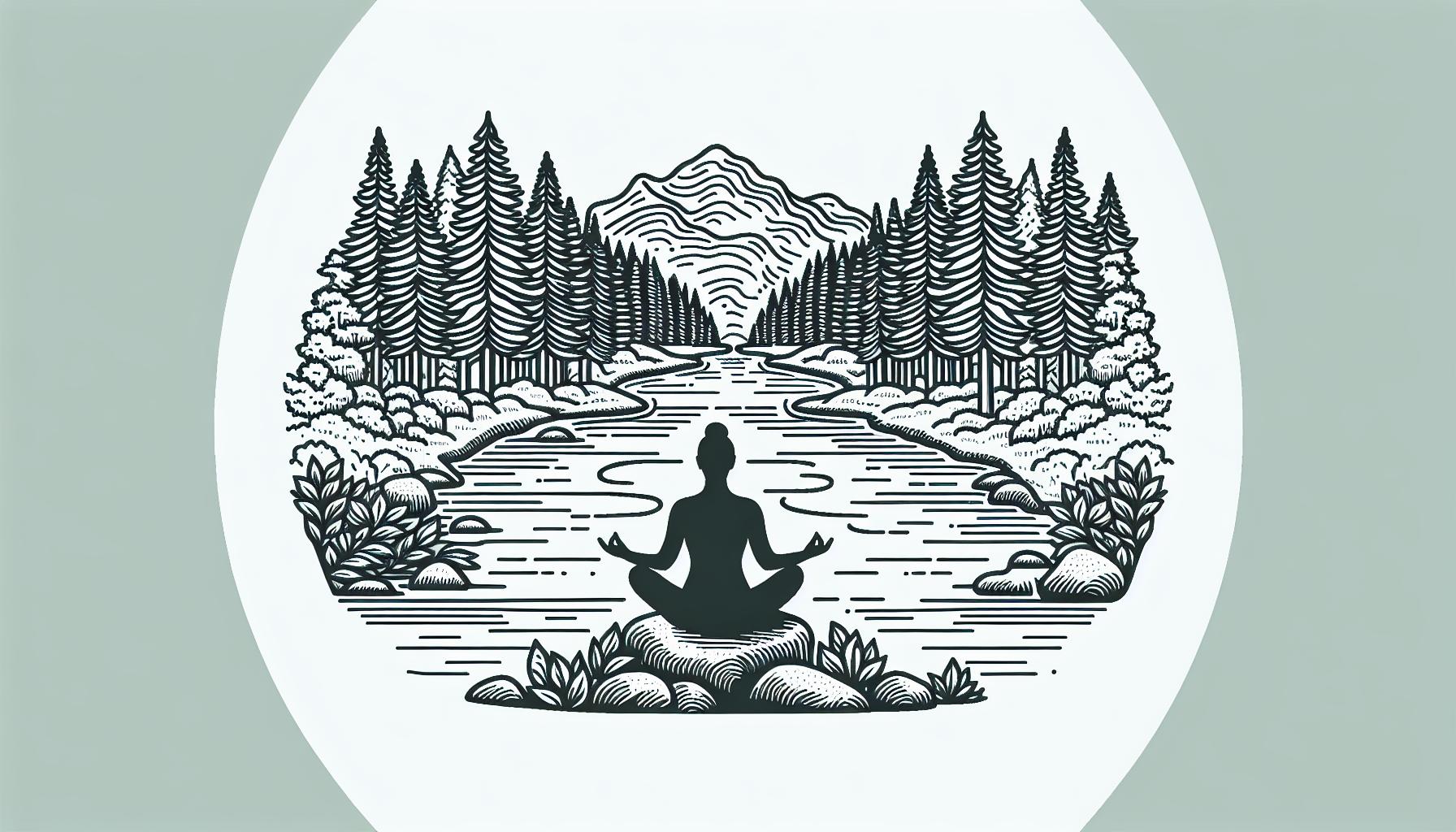
Understanding Dharma and its connection to inner peace involves both philosophical and psychological perspectives. When aligned with one’s Dharma, individuals often experience a profound sense of calm and fulfillment.
Philosophical Perspectives
Dharma operates as a moral compass, guiding individuals toward ethical living. In Hinduism, fulfilling one’s Dharma aligns with universal order, reducing internal conflicts. Buddhism links Dharma to the Four Noble Truths and the Eightfold Path, teaching that understanding reality and ethical conduct eradicates suffering. Jainism sees Dharma as a means to spiritual purity achieved through non-violence, which brings inner tranquility by freeing one from negative actions.
Psychological Benefits
Psychological studies indicate that living according to one’s Dharma reduces stress and anxiety. Engaging in activities that reflect personal values enhances well-being and satisfaction. Dharma’s emphasis on duty and purpose ensures that individuals live with intention, leading to a stable mental state. This inner peace is a direct result of living a life aligned with one’s true nature and ethical standards, promoting overall mental health.
Practicing Dharma in Daily Life
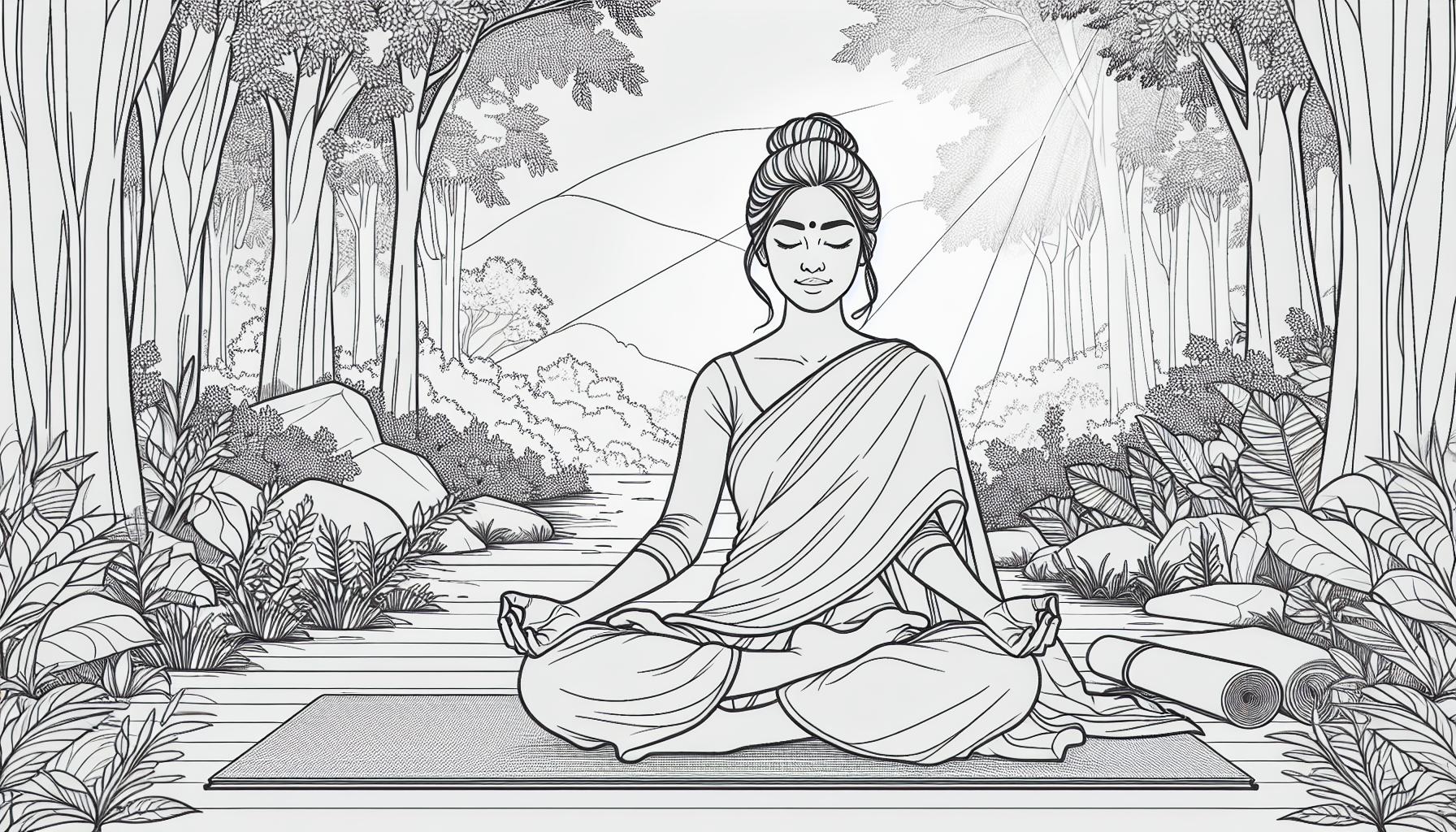
Practicing Dharma daily can significantly enhance inner peace and personal fulfillment. Integrating Dharma into everyday routines requires intentional techniques and practical solutions to address common challenges.
Techniques and Practices
Developing Mindfulness. Regular mindfulness practices, like meditation and breathing exercises, help stay focused on the present. These practices enhance awareness of thoughts and actions aligning with Dharma.
Setting Intentions. Begin each day with a clear intention to live according to Dharma principles. This creates a purposeful mindset that guides decisions and behavior throughout the day.
Engaging in Self-Reflection. Schedule time for self-reflection to evaluate if actions and choices are consistent with personal values. Journaling or quiet contemplation offers insights into aligning with Dharma.
Serving Others. Volunteering and acts of kindness strengthen the sense of community and align with Dharma’s emphasis on ethical living. Helping others fosters compassion and reinforces one’s commitment to moral principles.
Challenges and Solutions
Balancing Responsibilities. Managing everyday responsibilities while adhering to Dharma principles can be challenging. Prioritizing tasks and setting clear boundaries help maintain this balance.
Dealing With Distractions. Modern life is full of distractions that can deviate from Dharma. Minimizing unnecessary activities and focusing on what truly matters supports staying aligned with Dharma.
Facing Ethical Dilemmas. Ethical conflicts often arise in daily life. Turning to sacred texts, seeking advice from knowledgeable individuals, or meditating on solutions aids in making decisions that align with Dharma.
Overcoming Doubts. Doubts about living in alignment with Dharma can create inner conflict. Engaging in continuous learning and seeking guidance reassures commitment to Dharma.
Integrating Dharma into daily life requires consistent effort, mindfulness, and practical strategies to overcome challenges.
Real-life Examples
Incorporating Dharma into daily life can transform one’s inner world. Here are some inspirational examples.
Stories from Spiritual Leaders
Gandhi emphasized non-violence and truth as his Dharma. His adherence to these principles brought him inner peace and inspired millions globally. Even though facing immense challenges, he remained steadfast in his commitment to Dharma, demonstrating how living in alignment with one’s principles fosters tranquility and resilience.
The Dalai Lama exemplifies compassion as his Dharma. He teaches that by embracing compassionate actions, individuals attain inner peace. His life, dedicated to the service of others, shows that true contentment arises from living a purpose-driven life, aligned with Dharma.
Thich Nhat Hanh’s Dharma revolves around mindfulness and peace. Through his teachings, he advocates for mindful living as a path to inner calm. His practice of engaged Buddhism illustrates that diligently following one’s Dharma can lead to profound inner stability and peace.
Personal Testimonials
A corporate executive turned to Dharma for guidance. By aligning his professional life with his principles, he found a sense of balance and reduced stress. Setting intentions each morning and practicing mindfulness helped him navigate ethical dilemmas and achieve a peaceful mind.
A school teacher incorporated Dharma by focusing on self-reflection. Journaling and meditation became her tools. By understanding her true purposes and aligning her actions with them, she experienced greater fulfillment and less anxiety.
A healthcare worker discovered Dharma through serving others. By seeing her work as a form of service, she found deeper meaning in her daily tasks. Her commitment to helping others brought her inner peace, establishing a deep connection between her duties and her personal Dharma.
Conclusion
Embracing Dharma can transform our lives by fostering inner peace and purpose. It’s not just about grand gestures but also about everyday actions and choices. Whether you’re a corporate executive or a healthcare worker, integrating Dharmic principles like mindfulness and self-reflection can reduce stress and bring fulfillment. By setting intentions and serving others, we align with our true purpose and cultivate a peaceful mind. Following Dharma isn’t always easy but the rewards are profound and deeply enriching.
Sources & further reading
These themes are explored in greater depth across the following authoritative resources:
- Stanford Encyclopedia of Philosophy, Hindu Philosophy
- Britannica, Dharma
- Britannica, Karma
- Internet Sacred Text Archive, Bhagavad Gita
- A. K. Ramanujan, Speaking of Siva (Penguin Classics, 1973)
External resources for further reading. Apam Napat is not affiliated with these publishers; citation does not imply endorsement.
Frequently asked questions
What does dharma mean and where does it come from?
How does living one's dharma create inner peace?
How is dharma understood in Buddhism and Jainism?
What are the psychological benefits of practicing dharma?
Based on the classical texts of Hindu mythology, see our sources.