
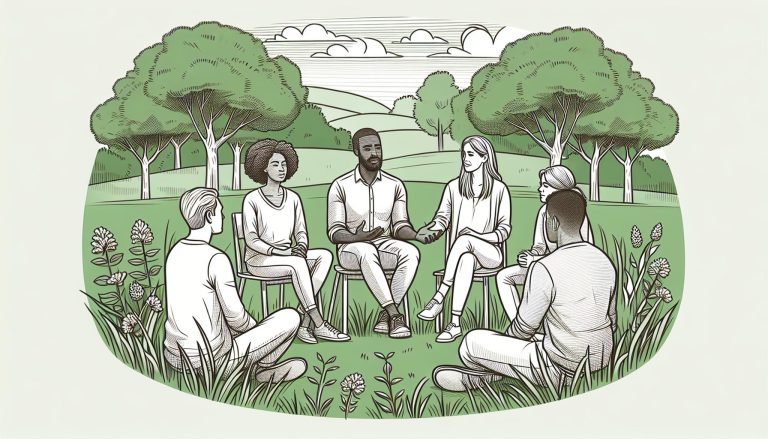
I’ve seen firsthand how communities thrive when individuals practice compassion and empathy. By prioritizing non-violence in our interactions, we can address conflicts constructively and build trust among neighbors. Ahimsa encourages us to see the humanity in others, making it possible to create inclusive and supportive environments where everyone feels valued.
Understanding Ahimsa
Ahimsa, a term derived from Sanskrit, means “non-violence” or “non-injury.” Originating in ancient Indian religions like Hinduism, Buddhism, and Jainism, Ahimsa emphasizes the importance of compassion and respect for all living beings. Practicing Ahimsa involves not just avoiding physical harm but also refraining from verbal and mental abuse.
The principle stands on three main pillars: non-violence in thought, word, and action. Non-violence in thought focuses on cultivating positive and compassionate attitudes. Non-violence in word involves speaking truthfully and kindly without causing harm. Non-violence in action includes abstaining from physical harm and promoting welfare.
Ahimsa’s emphasis on empathy and understanding can transform communities. By prioritizing non-violence, individuals foster environments where people feel safe and respected. For example, resolving conflicts through dialogue rather than aggression can build mutual trust and enhance social cohesion.
Historical figures like Mahatma Gandhi and Martin Luther King Jr. have championed Ahimsa, showcasing its effectiveness in social and political movements. Gandhi’s non-violent resistance against British colonial rule in India and King’s leadership in the Civil Rights Movement highlight Ahimsa’s power to create meaningful change.
Integrating Ahimsa into daily life involves mindful interactions, compassionate decision-making, and promoting justice. Simple acts like listening actively, offering help, and refraining from judgment contribute to a non-violent ethos. This practice encourages a community-centered mindset, paving the way for inclusive, supportive spaces where everyone thrives.
The Philosophy Behind Ahimsa

Ahimsa, meaning “non-violence,” is central in Indian religions like Jainism, Buddhism, and Hinduism. It’s more than avoiding physical harm; it includes non-violence in thought, speech, and action.
Historical Context
Ahimsa’s roots trace back to ancient Indian texts, particularly the Vedas, around 4,000 years ago. Jainism further developed the concept, making it the first of the Pancha Mahavrata. In Hinduism, it’s one of the five precepts. Mahatma Gandhi notably applied ahimsa during India‘s struggle for independence, using non-violent resistance against British colonial rule.
- Non-violence: Practicing kindness and avoiding harm in all interactions, both direct and indirect.
- Compassion: Showing empathy and understanding towards all living beings.
- Respect for Life: Valuing every form of life, considering the well-being of all creatures.
- Mindfulness: Being conscious of thoughts, words, and actions to prevent harm to oneself and others.
These principles guide behaviors that foster harmony within oneself and promote peaceful coexistence in the community.
Impact of Ahimsa on Communities
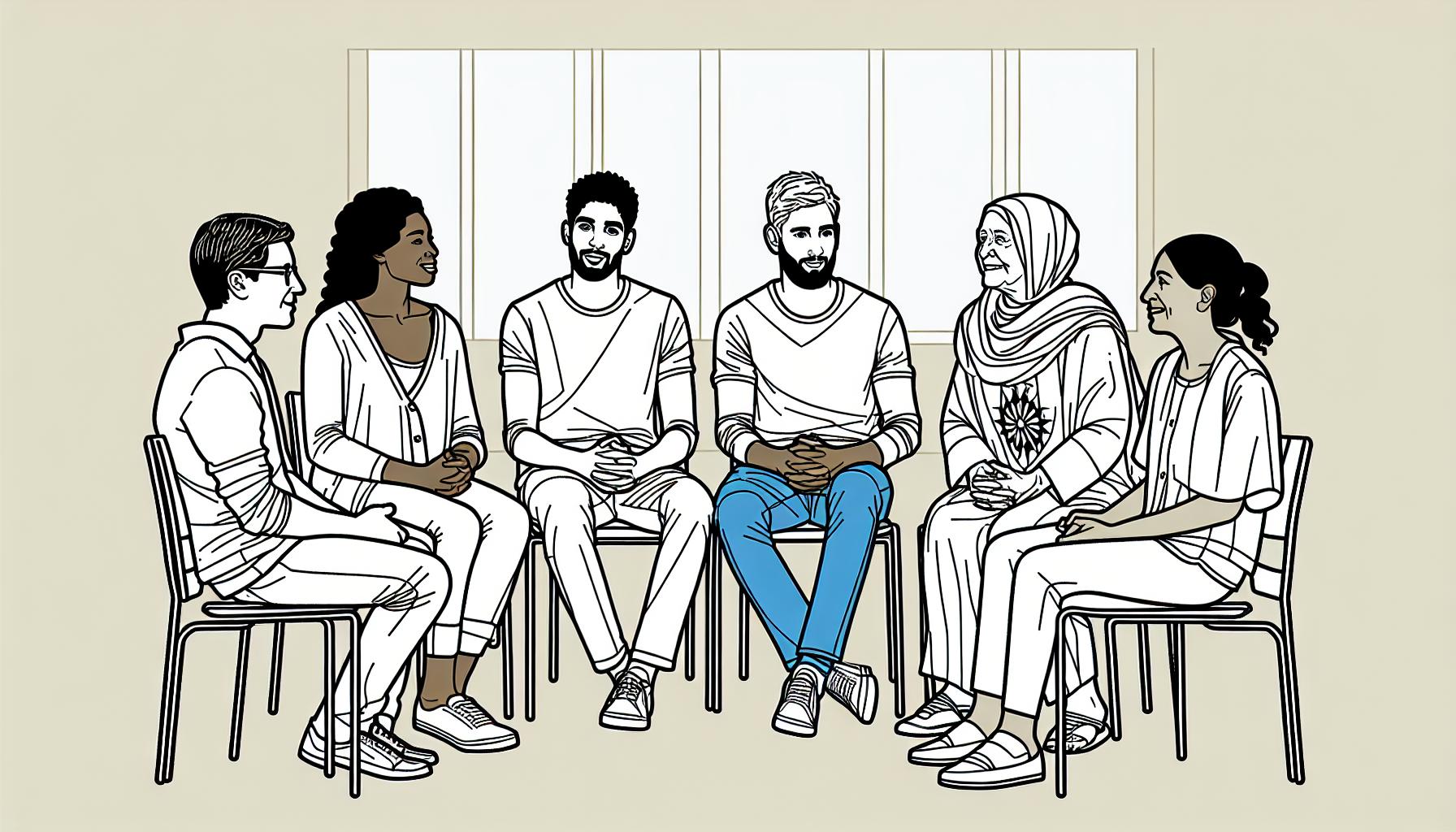
Ahimsa plays a transformative role in shaping communities. Its principles create a social fabric rooted in peace and mutual respect.
Promoting Non-Violence
Ahimsa promotes non-violence by encouraging community members to resolve conflicts amicably. By prioritizing dialogue over aggression, communities can address disagreements without resorting to physical or verbal abuse. This approach reduces instances of violence, making neighborhoods safer and more harmonious. For example, community mediation centers often use Ahimsa principles to help peaceful conflict resolution.
Fostering Empathy and Compassion
Empathy and compassion naturally arise in communities that practice Ahimsa. Individuals become more attuned to the needs and feelings of others, fostering stronger social bonds. Acts of kindness and understanding become commonplace, creating an environment where everyone feels valued and supported. Schools incorporating Ahimsa teachings report improved student relationships and decreased bullying, highlighting its impact on young minds.
Practical Applications of Ahimsa
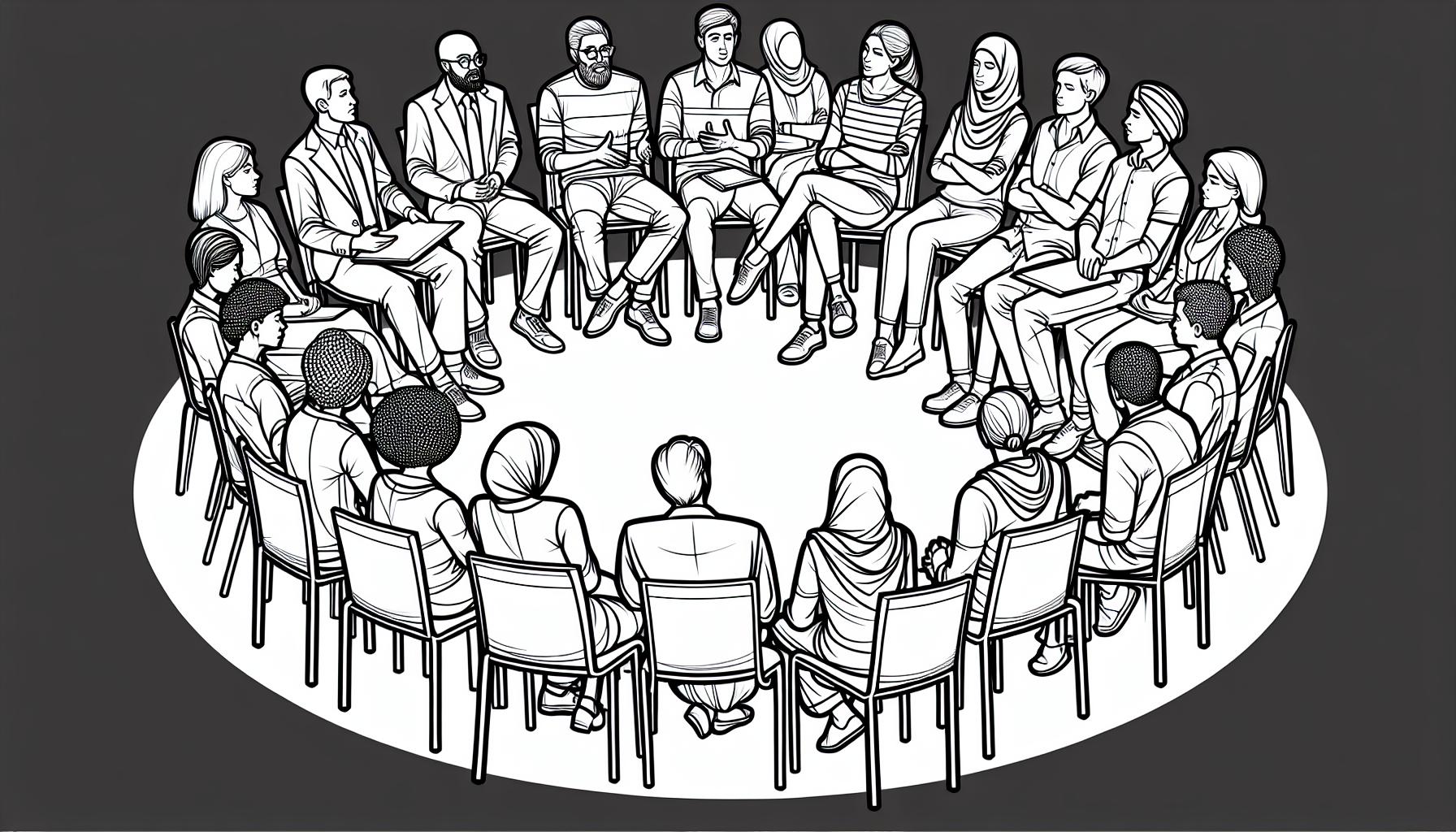
Ahimsa, the principle of non-violence, plays a crucial role in community building through various practical applications. It strengthens interpersonal relationships and creates harmonious societies.
Conflict Resolution
Ahimsa promotes peaceful conflict resolution techniques. In communities, this involves using dialogue and mediation to settle disputes. Family mediators, for example, can help open conversations between conflicting parties to find mutual understanding. This approach minimizes hostility and builds long-term trust. Neighborhood disputes are often resolved through community meetings where members can voice concerns in respectful environments, leading to collective solutions.
Educational Programs
Implementing Ahimsa in educational programs cultivates a culture of non-violence among students. Schools integrating these principles see reduced bullying and enhanced peer relationships. Anti-bullying workshops teaching empathy and kindness help students understand the impact of their actions. For instance, programs like “Mindful Schools” train educators to incorporate mindfulness and compassion in their teaching methods, promoting a supportive learning environment. Also, student-led initiatives focused on community service projects encourage active participation in creating peaceful surroundings.
Ahimsa in Modern Community Building
Modern community building can greatly benefit from Ahimsa’s principles. Applying non-violence and compassion helps create inclusive and peaceful environments.
Case Studies
Several communities illustrate Ahimsa’s effectiveness. The Sarvodaya Shramadana Movement in Sri Lanka exemplifies how non-violence builds strong, cooperative communities. Initiated by Dr. A. T. Ariyaratne in 1958, this movement focuses on self-reliance, social justice, and collective upliftment, all through non-violent means. Over 15,000 villages have adopted these principles, improving local economies and social cohesion.
Another example is the Holistic Life Foundation in Baltimore. Established in 2001, it uses mindfulness, yoga, and meditation to foster peace and reduce violence among youth. Programs in over 20 schools have led to significant reductions in suspensions and improved student behavior.
Best Practices
For effective implementation of Ahimsa in community building:
- Inclusive Decision-Making: Ensure all community members have a voice. Promote dialogue to understand diverse perspectives and reach consensual decisions.
- Conflict Resolution: Use mediation and dialogue to address disputes non-violently. Train facilitators to guide constructive conversations.
- Educational Programs: Introduce Ahimsa-focused curricula in schools. Emphasize mindfulness, empathy, and respectful interactions to develop non-violent habits from a young age.
- Community Projects: Engage in collective activities that promote non-violence and cooperation, such as community gardens or local clean-up initiatives.
Incorporating these practices cultivates a culture of non-violence. Ahimsa fosters mutual respect, enhances social bonds, and creates supportive, resilient communities.
Challenges and Criticisms
Adopting Ahimsa, while valuable, presents several challenges and criticisms that can’t be overlooked. Critics argue that implementing Ahimsa in community building can be idealistic, given the complexity of human behavior and societal dynamics. Even though its noble intentions, achieving complete non-violence in thought, speech, and action is difficult, especially when individuals face aggression or injustice.
Resource constraints also pose significant challenges. Communities often lack the necessary resources and support systems to fully embrace non-violence principles. For example, schools might struggle with limited funding for anti-bullying programs or professional mediation services. Besides, integrating Ahimsa requires continuous effort and commitment, which can be taxing for overburdened community leaders and volunteers.
Cultural misunderstandings can undermine Ahimsa’s effectiveness. Non-violence might be perceived differently across cultures, leading to conflicts or resistance. For instance, some cultures might view non-violent conflict resolution as a sign of weakness, reducing cooperation and community engagement.
The tension between non-violence and self-defense raises ethical questions. Individuals might feel that practicing complete non-violence compromises their safety or the safety of their loved ones. Finding a balance between protecting oneself and adhering to Ahimsa principles can be a complex dilemma for many.
Finally, critics highlight the risk of passive acceptance of injustice. Overemphasis on non-violence might lead communities to tolerate oppression or violence instead of actively seeking change. Critics argue that while Ahimsa promotes peace, it should not discourage rightful resistance against injustice.
Conclusion
Embracing Ahimsa as a guiding principle can significantly impact community building by fostering environments of peace respect and mutual understanding. While challenges exist in fully adopting non-violence in every aspect of life the benefits far outweigh the difficulties. By integrating Ahimsa into our daily interactions and community initiatives we can create more inclusive and resilient communities.
The examples of successful initiatives like the Sarvodaya Shramadana Movement and the Holistic Life Foundation show that non-violence isn’t just a lofty ideal but a practical approach to resolving conflicts and promoting social cohesion. As we move forward let’s commit to the principles of Ahimsa in our efforts to build stronger more compassionate communities.
Sources & further reading
These themes are explored in greater depth across the following authoritative resources:
- Stanford Encyclopedia of Philosophy, Hindu Philosophy
- Britannica, Dharma
- Britannica, Karma
- Internet Sacred Text Archive, Bhagavad Gita
- A. K. Ramanujan, Speaking of Siva (Penguin Classics, 1973)
External resources for further reading. Apam Napat is not affiliated with these publishers; citation does not imply endorsement.
Frequently asked questions
What does Ahimsa mean in community building?
What are the three pillars of Ahimsa?
How did Gandhi and Martin Luther King use Ahimsa?
How can Ahimsa be integrated into daily life?
Based on the classical texts of Hindu mythology, see our sources.