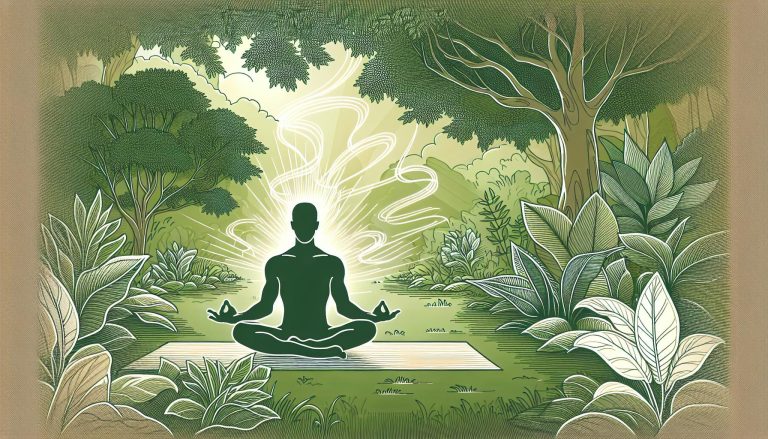
In my quest to understand spiritual transformation, I’ve discovered that embracing karma can lead to a more conscious and meaningful life. By recognizing the consequences of our actions, we can make better choices that align with our higher selves. This journey isn’t just about avoiding negative karma; it’s about actively cultivating positive energy and spiritual growth.
Understanding Karma
Karma is a fundamental concept in many Eastern spiritual traditions. It refers to the law of cause and effect, where every action impacts an individual’s future.
Historical Background
The concept of karma began in ancient India. The oldest references come from the Rig Veda, a Hindu text from around 1500 BCE. The gods revealed the Law of Karma, and it was written into the Rig Veda during the Bronze Age. Over time, Buddhism, Jainism, and Taoism adopted the idea, expanding its influence.
- Cause and Effect: Karma operates on the principle that every action has a corresponding reaction. Positive actions lead to beneficial outcomes, while negative actions result in adverse consequences. This principle encourages mindful living and moral integrity.
Spiritual Transformation
Spiritual transformation involves a profound change in one’s sacred or spiritual life and relates closely to the concept of karma.
Definition and Significance
Spiritual transformation refers to a fundamental change in a person’s spiritual life, resulting in new configurations of goals, feelings, attitudes, and behaviors. It often involves a shift in meaning systems, particularly about the sacred or ultimate concern. This transformation leads to deeper understanding and alignment with one’s higher self, promoting both personal and spiritual growth.
- Rambo’s Seven Stages:
- Context: A person’s current life circumstances.
- Crisis: Period of emotional or spiritual upheaval.
- Quest: Active search for meaning or answers.
- Encounter: Experiences influencing spiritual understanding.
- Interaction: Engagement with new spiritual practices or communities.
- Commitment: Dedication to sustained spiritual practices.
- Consequences: Long-term changes in a person’s life and behavior.
The Relationship Between Karma and Spiritual Transformation
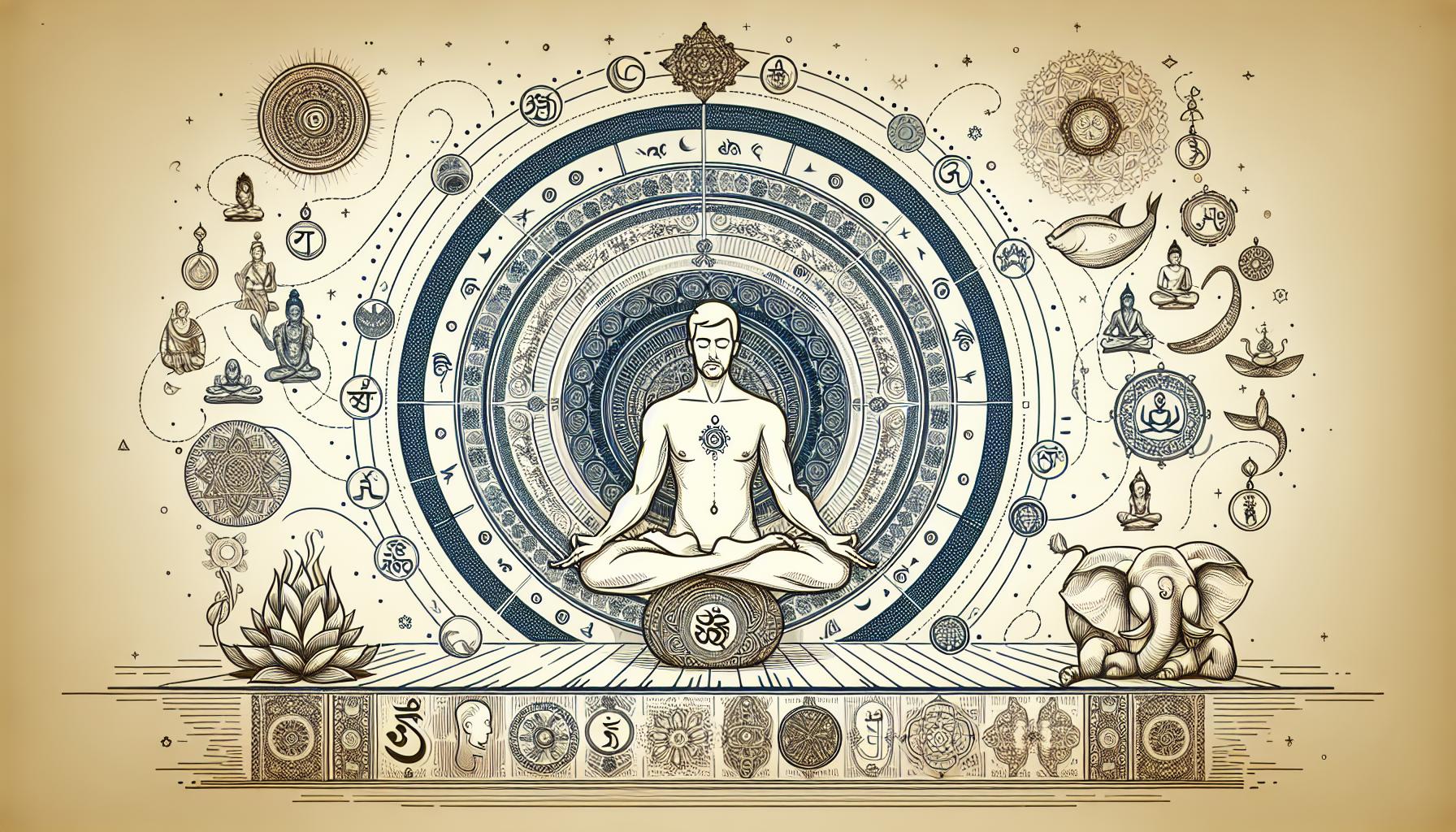
Karma, originating in Eastern spiritual traditions, deeply impacts spiritual growth. Let’s explore how karma and spiritual transformation intertwine.
How Karma Influences Spiritual Growth
Karma’s principle of causality shapes spiritual progress. Every positive action, thought, or intention sets in motion beneficial outcomes, promoting spiritual elevation. Conversely, negative actions create adverse effects, hindering spiritual progress.
When one practices kindness or compassion, the immediate reward is inner peace, which boosts spiritual development. Conversely, harboring negative emotions like anger disrupts inner harmony, creating obstacles in one’s spiritual path. Repeated positive behaviors build good karma, accelerating spiritual transformation.
Examples in Different Spiritual Traditions
Hinduism: Karma and dharma guide spiritual growth. Acts of righteousness align with one’s dharma, generating positive karma, and contributing to spiritual ascension. Texts like the Bhagavad Gita illustrate this relationship.
Buddhism: Karma influences samsara and enlightenment. Positive karmic actions, such as following the Noble Eightfold Path, purify the mind and reduce suffering, fostering spiritual progression. The Jataka tales recount Buddha’s past lives, emphasizing consistent virtuous behavior.
Jainism: Karma impacts liberation from material existence. Adherence to nonviolence and asceticism minimizes karmic accumulation, leading to spiritual purity and eventually, liberation (moksha).
Each tradition’s narratives and practices underscore karma’s crucial role in spiritual growth.
Practices for Positive Karma and Spiritual Growth
Positive karma and spiritual growth go hand in hand. By incorporating specific practices, individuals can foster psychological well-being, reduce stress, and promote empathetic connections with others.
Meditation and Mindfulness
Meditation practices, such as loving-kindness meditation (LKM) and compassion meditation (CM), improve psychological well-being and reduce symptoms of psychopathology. Regular mindfulness practices enhance overall well-being and lower stress levels. Engaging daily in these practices helps individuals become more aware of their thoughts and emotions, facilitating spiritual growth.
Acts of Compassion and Service
Engaging in acts of kindness and compassion positively impacts interpersonal relations and promotes empathic accuracy. Volunteering, helping those in need, and offering support to friends or family members strengthen these connections. Practicing mindfulness and self-reflection helps individuals make conscious choices aligning with their values, promoting positive change and fostering growth in both personal and collective spheres.
Self-Reflection and Personal Accountability
Consistent self-reflection and personal growth practices, such as journaling, help individuals become more mindful of their actions and their impact on others. By taking personal accountability for one’s actions and their consequences, individuals can align more closely with their spiritual goals. This practice encourages continuous assessment and improvement of one’s behavior, fostering a cycle of positive karma and spiritual elevation.
Modern Perspectives on Karma and Spiritual Transformation
Karma and spiritual transformation intertwine in ways that modern science and contemporary practices increasingly elucidate. Current perspectives blend traditional wisdom with scientific understanding and innovative practices.
Scientific Views
Physics of Cause and Effect
Karma aligns with Newton’s third law, where every action has an equal and opposite reaction. This law supports the idea that our actions shape our experiences and those of others. The law of conservation of energy, stating energy can only be transferred, echoes the karma philosophy—our actions perpetuate ongoing energy transfers.
The butterfly effect, where small changes create significant outcomes, mirrors karma’s impact. Minor actions can significantly ripple through our and others’ lives, shaping spiritual journeys.
Interconnectedness
The non-duality concept in Hinduism, positing that all things are interconnected, parallels quantum mechanics’ entanglement principle. Particles, even miles apart, influence one another. This similarity underscores how our actions extend their influence beyond immediate surroundings, reinforcing our spiritual interconnectedness.
Contemporary Spiritual Practices
Today’s spiritual practices incorporate karma principles to drive transformation. Meditation fosters mindfulness, making one aware of their actions and their ripple effects. Regular meditation helps align actions with positive karma, easing spiritual growth.
Acts of compassion and service echo traditional karma practices but are integrated into modern lifestyles. Volunteering, community service, and random kindnesses build positive karma, enriching both giver and receiver’s lives.
Self-reflection and personal accountability remain pivotal. Journaling, therapy, and mindfulness practices help individuals assess their actions and align them with spiritual goals, promoting continuous growth and positive karma.
By blending historical wisdom with modern science and practices, individuals cultivate environments fostering spiritual and karmic growth.
Conclusion
Understanding karma and spiritual transformation offers profound insights into how our actions influence our spiritual journey. By integrating ancient wisdom with modern scientific perspectives, we can see how every action, thought, and intention contributes to our karmic path.
Embracing practices like meditation, compassion, and self-reflection helps cultivate positive karma and fosters spiritual growth. It’s essential to recognize the interconnectedness of all things and how our actions ripple through the universe.
By consciously choosing positive actions and fostering an environment of growth and accountability, we can transform our spiritual lives and contribute to a more harmonious world.
Sources & further reading
These themes are explored in greater depth across the following authoritative resources:
- Britannica, Yoga in Hinduism
- Britannica, Puja
- Harvard Pluralism Project, Hindu Practice
- Internet Sacred Text Archive, Yoga Sutras of Patanjali
- Diana L. Eck, Banaras: City of Light (Princeton University Press, 1982)
External resources for further reading. Apam Napat is not affiliated with these publishers; citation does not imply endorsement.
Frequently asked questions
How does karma drive spiritual transformation?
What is the role of karma in spiritual practice?
Is karma about retribution in Hinduism?
How can understanding karma lead to a meaningful life?
Based on the classical texts of Hindu mythology, see our sources.