
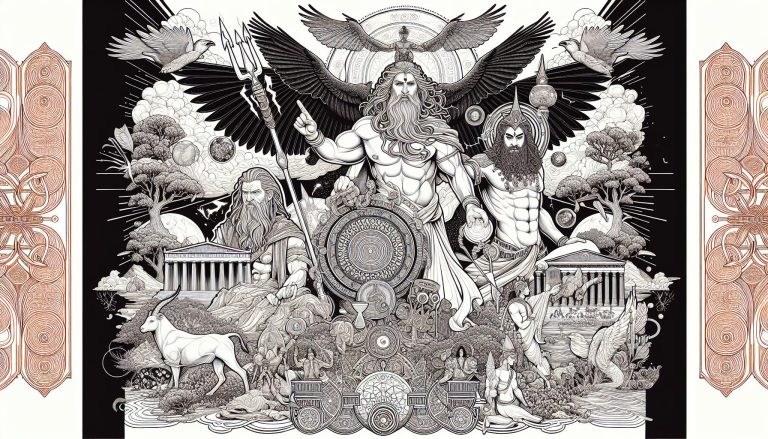
In every culture, divine archetypes serve as powerful symbols, reflecting the values and beliefs of the people who worship them. By examining these archetypes, we can uncover shared human experiences and gain insights into the collective psyche. Whether you’re a mythology enthusiast or just curious about the gods and goddesses of ancient lore, delving into these archetypes reveals a rich world of stories that continue to resonate today.
Defining Divine Archetypes
Divine archetypes represent universal models of gods and goddesses across different mythologies. These figures embody essential human themes and values, such as wisdom, power, fertility, and justice, making them central to understanding cultural narratives and beliefs. For example, Zeus in Greek mythology symbolizes authority and kingship, Odin in Norse mythology embodies wisdom and war, and Vishnu in Hindu mythology represents preservation and protection.
By studying these archetypes, I gain insight into how ancient cultures perceived the world. Each archetype reveals societal priorities, fears, and aspirations. The archetypal patterns mirror human experiences, showing how people sought to explain natural phenomena and human behavior through divine narratives.
In mythology, divine archetypes serve specific roles. Heroes (Hercules, Gilgamesh) often perform extraordinary feats, whether physical or moral. Tricksters (Loki, Hermes) disrupt the status quo, introducing change and transformation. Mother goddesses (Isis, Demeter) nurture and protect, emphasizing fertility and life cycles. Each role provides a structured way to analyze mythological stories and their impact on culture.
Through the lens of divine archetypes, I explore the shared heritage of humanity. These timeless figures reflect collective wisdom and enduring values, illustrating the deep connections between ancient myths and modern life.
Greek Mythological Archetypes
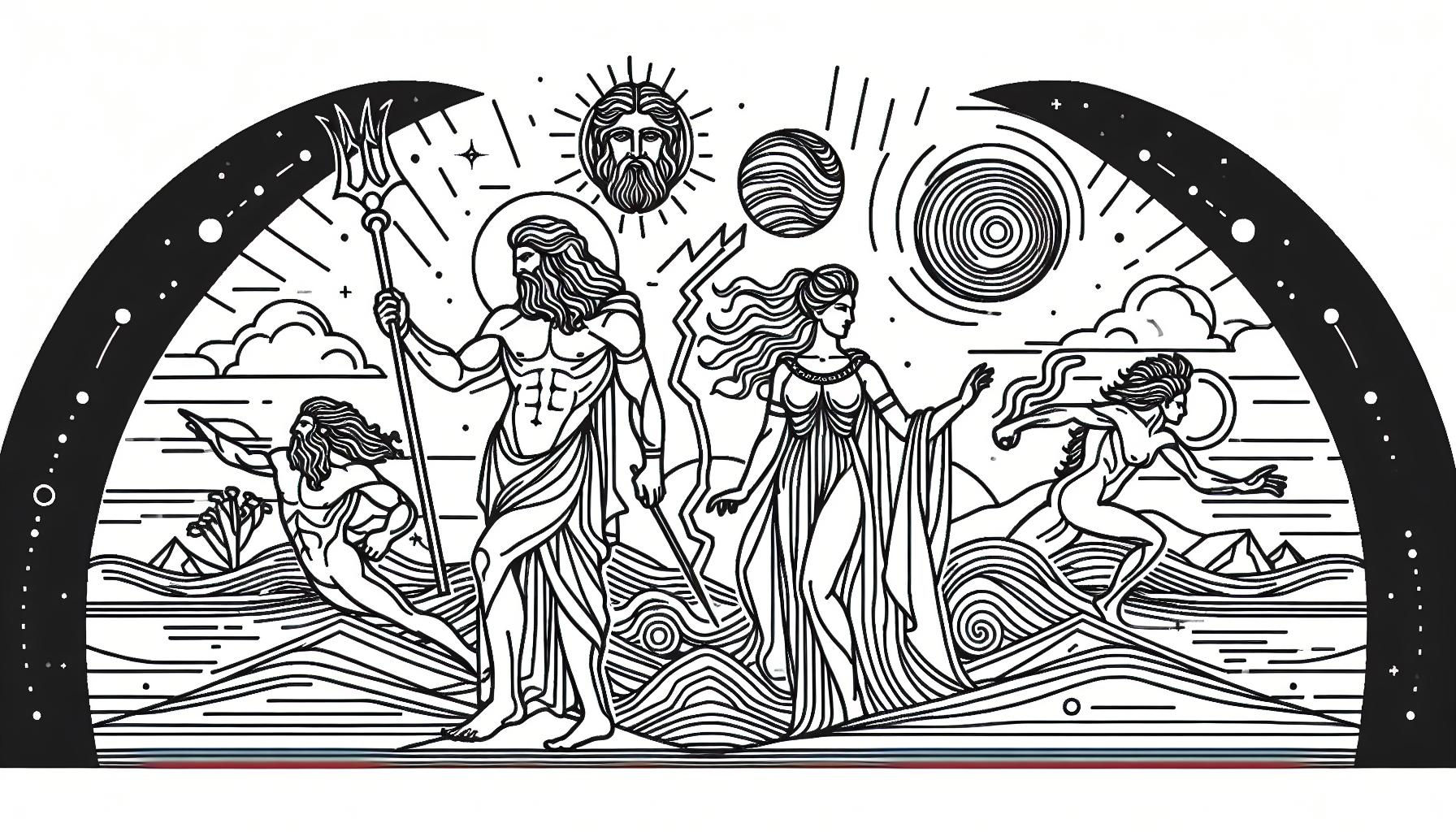
In Greek mythology, divine archetypes play a significant role in shaping narratives around human experiences and societal values. These figures, from mighty gods to ancient beings, offer timeless insights into cultural perceptions.
The Olympian Gods
The Olympian gods are central in Greek mythology, residing on Mount Olympus. Major figures include Zeus, the king of the gods, known for his thunderbolt and authority over the sky; Hera, his queen, associated with marriage and family; Poseidon, god of the sea, wielding his trident; and Athena, goddess of wisdom and warfare, who sprang fully formed from Zeus’s head. Each deity governs specific aspects of the natural and social world, influencing mythology and daily life in ancient Greece.
Titans and Primordial Beings
The Titans and primordial beings preceded the Olympians, shaping the universe’s early days. Titans like Cronus, who overthrew his father Uranus, played key roles in the cosmic hierarchy. Primordial beings such as Gaia, personifying the Earth, and Uranus, the sky, represent fundamental elements of existence. Their interactions and conflicts set the stage for the emergence of the Olympian gods, providing a foundational mythology that explores creation and the natural order.
Greek mythological archetypes, both Olympian gods and primordial beings, offer deep insights into ancient Greek culture and beliefs. Understanding these figures enriches modern perspectives on mythology and its enduring influence.
Norse Mythological Archetypes
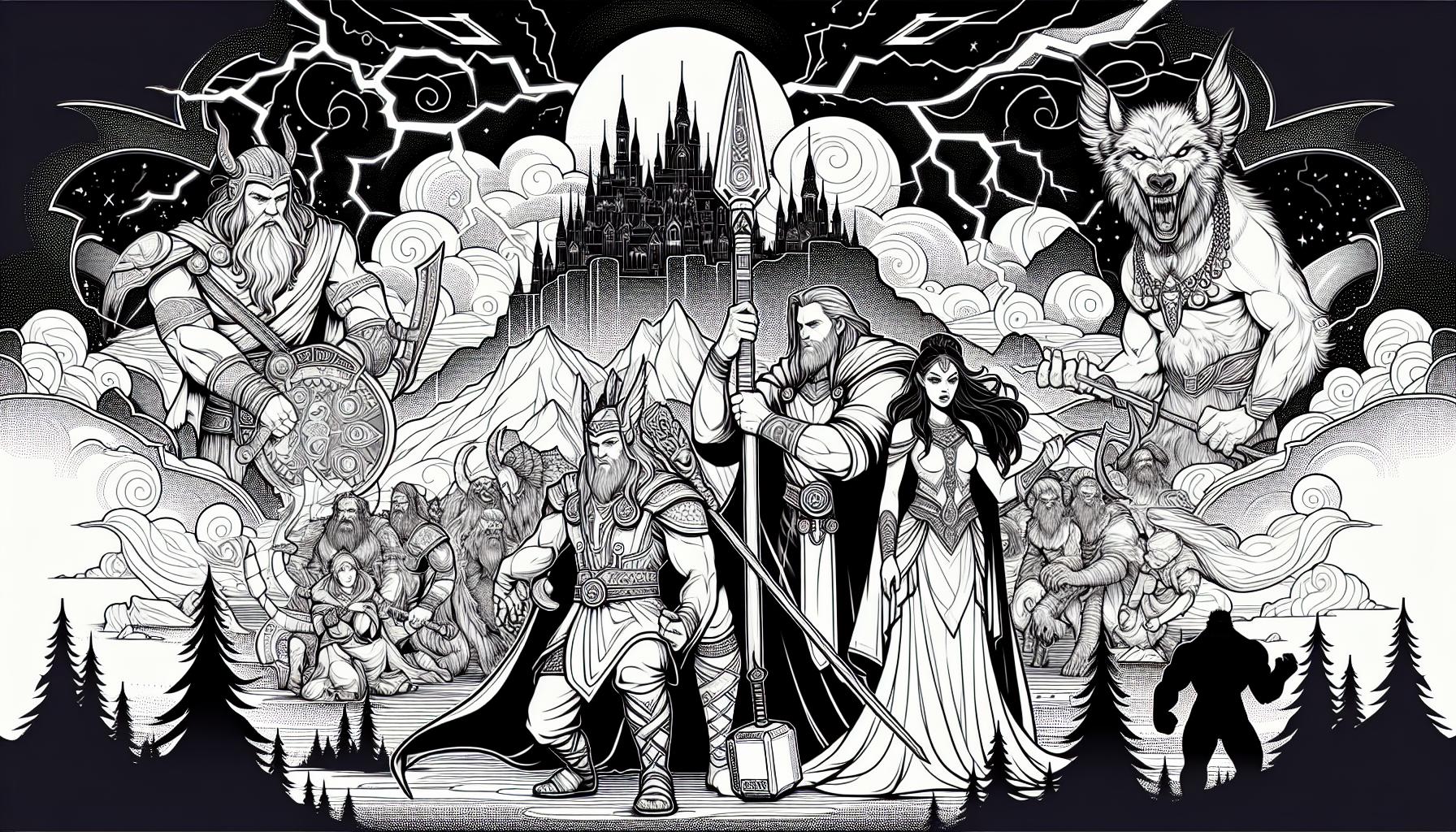
Norse mythology, with its rich world of characters and stories, presents archetypes that capture fundamental aspects of human nature and the cosmos. These archetypes, such as the Aesir and Vanir, as well as giants and other creatures, offer unique insights into the Norse understanding of the world.
Aesir and Vanir
The Aesir and Vanir are two groups of gods representing different aspects of life. The Aesir, including Odin, Thor, and Frigg, embody war, power, and wisdom. Odin, known as the Allfather, rules Asgard and represents knowledge and leadership. Thor, the god of thunder, symbolizes strength and protection, wielding his hammer Mjolnir to defend both gods and humans.
The Vanir, such as Freyr and Freyja, focus on fertility, prosperity, and nature. Freyr governs agriculture and weather, ensuring bountiful harvests, while Freyja, linked to love and beauty, presides over growth and life cycles. The mutual exchange of gods between these two groups after the Aesir-Vanir War underscores themes of reconciliation and cooperation in Norse mythology.
Giants and Other Creatures
Giants, known as Jotnar, play pivotal roles in Norse myths, often representing chaos and natural forces. These beings, like Ymir and Surtr, contrast with the gods, highlighting the balance between order and disorder. Ymir’s body, from which the world was created, illustrates the Norse theme of creation from chaos. Surtr, destined to ignite Ragnarok, signifies destruction and renewal.
Norse myths also feature numerous creatures that contribute to the mythological world. Fenrir, the monstrous wolf, embodies destruction and the inevitability of fate. Jormungandr, the world serpent, represents the cyclical nature of time, encircling Midgard. The Norns, akin to the Greek Fates, control destiny, weaving the threads of life for gods and men alike. These entities enrich Norse mythology, illustrating the interplay between various forces that shape existence.
Hindu Mythological Archetypes
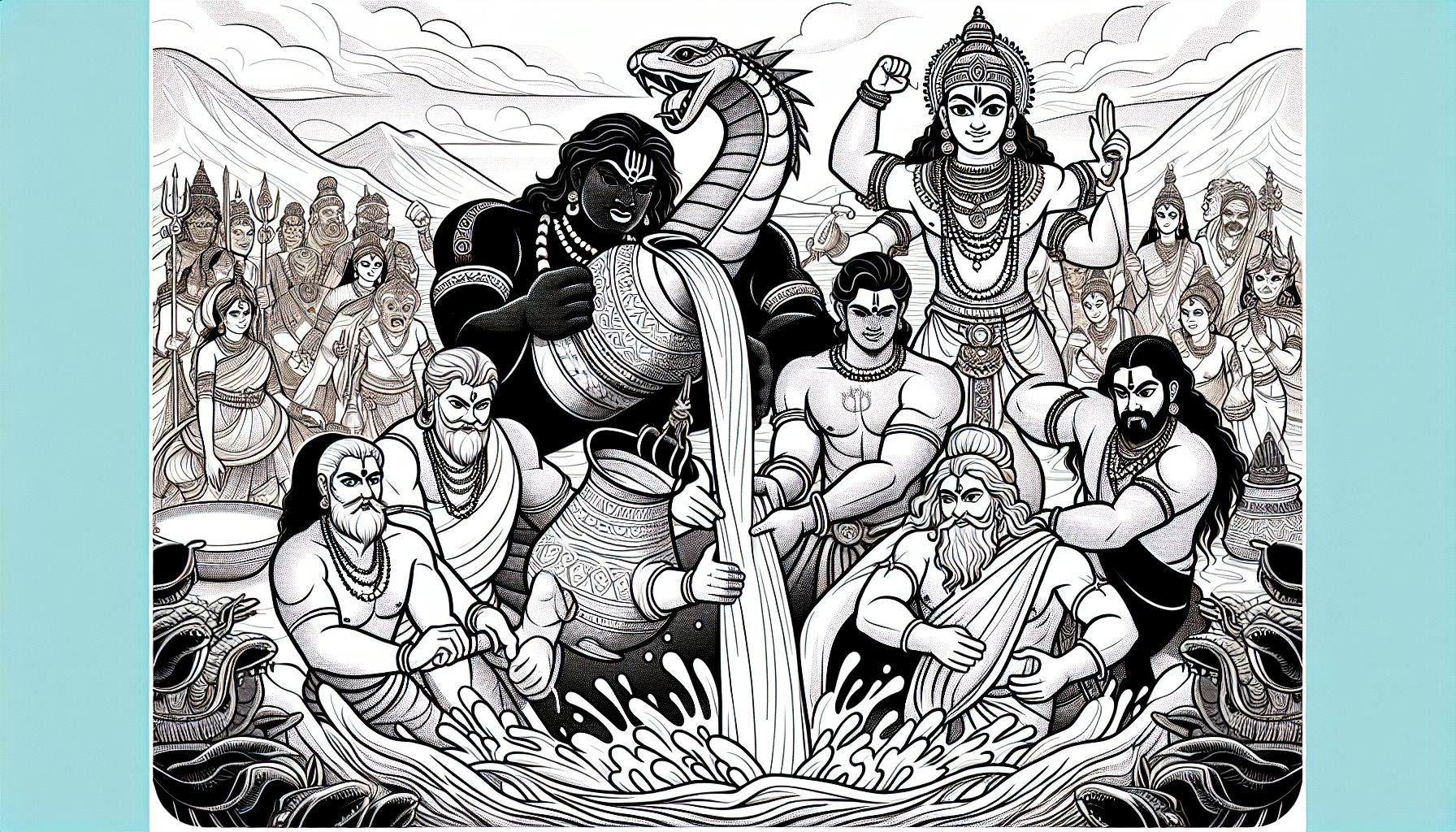
In Hindu mythology, divine beings, demons, and various creatures profoundly shape cultural narratives. Their complex interactions reflect broader spiritual and moral concepts.
Devas and Asuras
Devas, the gods, and Asuras, the demons, play pivotal roles in Hindu mythology. They often embody the forces of good and evil. An essential tale is the churning of the ocean of milk, where both groups collaborate to gain power and immortality. Even though their conflicts, this story highlights a balance between collaboration and opposition.
Avatars of Vishnu
The concept of avatars, or divine incarnations, is closely linked to Vishnu. Vishnu, the preserver within the Hindu Trimurti, takes various forms to protect dharma. Notable avatars include Rama and Krishna – An Incarnation of Vishnu, who guide humanity through their actions and teachings. These incarnations illustrate Vishnu’s role in sustaining the universe.
Egyptian Mythological Archetypes
Egyptian mythology features gods and goddesses embodying key aspects of existence and universal forces.
Gods of Creation
Egyptian creation myths revolve around primordial beings who shape the universe. Atum, the god of the sun and creation, emerged from the chaotic waters of Nun. Representing the self-created source of life, Atum’s dual role encompasses both creator and sustainer. Ptah, another central figure, symbolizes artistic creativity and craftsmanship. According to some traditions, Ptah created the world through the power of speech. Together, these gods reflect the Egyptian worldview connecting divinity with the natural and artistic order.
Gods of the Underworld
In Egyptian mythology, gods of the underworld govern the afterlife and the fate of souls. Osiris, the god of the dead and resurrection, is pivotal, symbolizing death, resurrection, and eternal life. After being resurrected by his wife, Isis, Osiris presides over the judgment of souls in the Duat (underworld). Anubis, a jackal-headed god, assists by guiding souls and overseeing mummification, ensuring safe passage to the afterlife. These gods depict a deep respect for death’s mystery and the hope for rebirth.
Conclusion
Mythological divine archetypes resonate deeply with us because they encapsulate universal themes and human values. From the powerful gods of Greek and Norse mythology to the intricate deities of Hindu and Egyptian traditions these figures offer a window into the soul of ancient cultures. They teach us about creation destruction love and the eternal battle between good and evil.
By examining these archetypes we gain a richer understanding of our own beliefs and societal norms. These stories remind us that even though our differences the human experience is fundamentally interconnected. Exploring these divine figures not only enriches our knowledge but also deepens our appreciation for the cultural narratives that have shaped civilizations throughout history.
Sources & further reading
These themes are explored in greater depth across the following authoritative resources:
- Britannica, Asura
- Britannica, Naga
- Mythopedia, Hindu Mythology
- Internet Sacred Text Archive, Mahabharata
- Wendy Doniger, Hindu Myths (Penguin Classics, 1975)
External resources for further reading. Apam Napat is not affiliated with these publishers; citation does not imply endorsement.
Based on the classical texts of Hindu mythology, see our sources.