
In Hinduism, every divine shape, from the majestic form of Lord Shiva to the intricate patterns of sacred mandalas, serves as a conduit for spiritual energy and cosmic principles. By understanding these shapes, we can gain insights into the rich world of Hindu beliefs and the universal truths they represent. Join me as we investigate into the intriguing area of Hindu divine shapes and uncover the wisdom they hold.
Understanding Hindu Divine Shapes
Hindu divine shapes encompass various forms, from deities to geometric patterns. Each shape carries unique attributes representing different cosmic principles and spiritual energies. In Hinduism, these shapes act as visual tools to connect the physical area with higher dimensions.
Geometric Patterns
Geometric patterns play a crucial role in Hindu divine shapes. Mandalas, yantras, and other sacred designs offer structured blueprints for meditation and ritualistic purposes. For example, the Sri Yantra consists of interlocking triangles symbolizing cosmic harmony and spiritual enlightenment.
Deity Forms
Deity forms in Hinduism often embody complex symbolism and narrative elements. For instance, Lord Ganesha’s elephant head represents wisdom and the removal of obstacles, while Shiva’s form with a third eye signifies inner vision and destruction of ignorance. These forms serve as focal points for devotion and meditation.
Animal Representations
Animals are also integral to Hindu divine shapes. They symbolize various virtues and strengths. The eagle, Garuda, is associated with Vishnu and signifies speed and martial prowess. Similarly, the bull, Nandi, is linked to Shiva and symbolizes strength and loyalty.
Natural Elements
Natural elements, such as mountains, rivers, and trees, often find representation in Hindu divine shapes. Mount Meru, considered the center of the universe, features prominently in Hindu art and architecture. The Ganges River is shown as both a purifying force and a divine entity in itself.
Hindu divine shapes, whether geometric, anthropomorphic, or natural, possess deep spiritual relevance reaching beyond visual appeal to embody profound cosmic truths.
Historical Significance
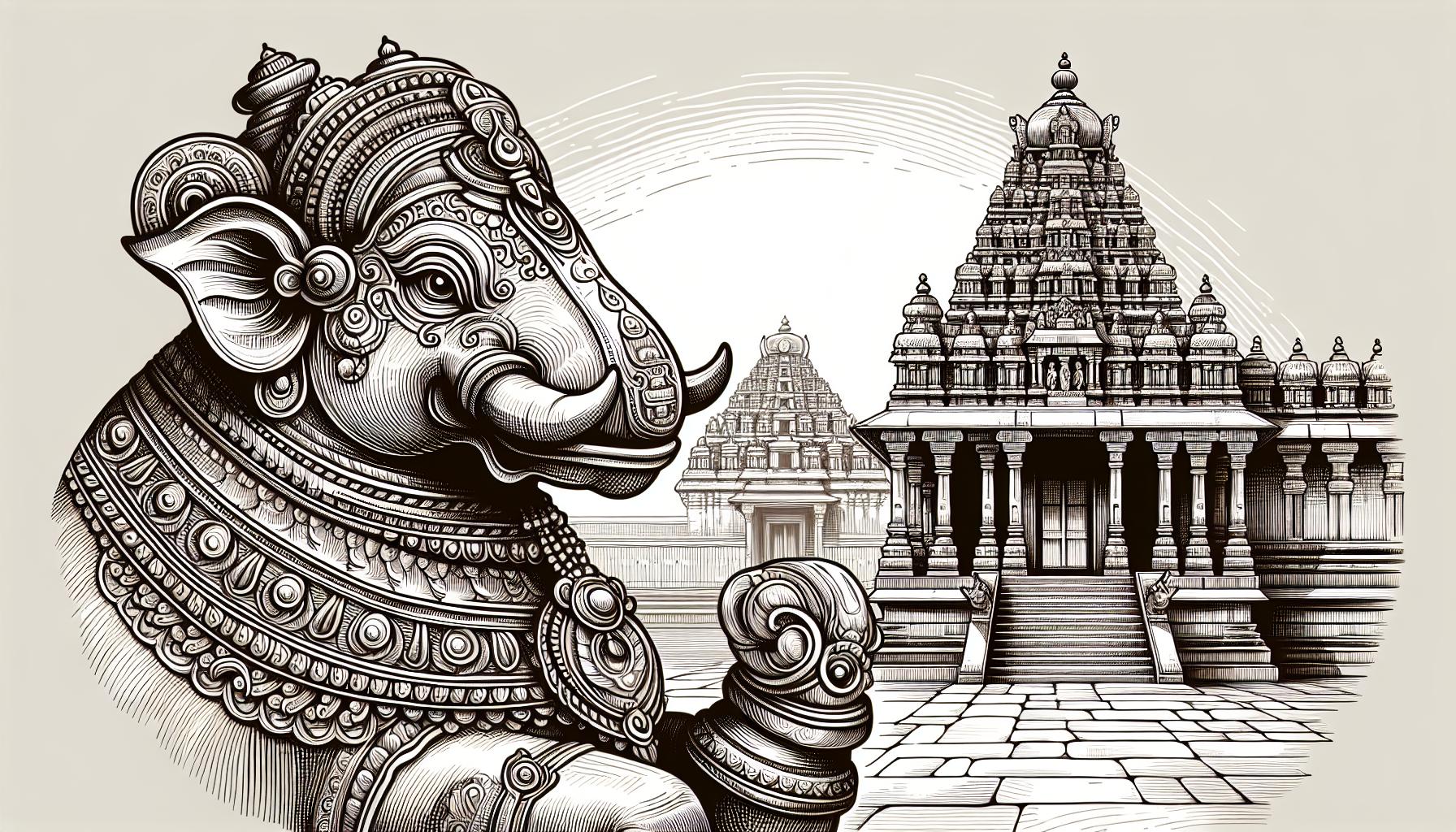
Hindu divine shapes hold immense historical significance, embedded deeply in ancient traditions and cultural practices.
Ancient Texts and Scriptures
Ancient texts and scriptures provide a vast repository of information on divine shapes. The Vedas, dated around 1500 BCE, describe various forms of deities. The Upanishads, composed between 800-200 BCE, elucidate geometric patterns like mandalas. Epics like the Mahabharata – The Great Epic (circa 400 BCE-400 CE) and Ramayana – Epic of Hinduism (circa 500 BCE-1000 CE) depict deities and their symbolic forms. The Puranas, written between 300-1500 CE, offer detailed iconographies and the significance of divine shapes in rituals.
Iconography in Temples
Iconography in temples showcases the intricate use of divine shapes. Temples like the Brihadeeswarar Temple (completed in 1010 CE) exhibit deities with specific iconographic details. Geometric patterns, used in temple layouts, align with cosmic principles. Temple sculptures of animals like Nandi at the Brihadeeswarar Temple and Garuda at the Sri Venkateswara Temple (completed in the 10th century CE) embody spiritual symbolism. The positioning and shapes of these icons connect worshippers with higher spiritual realms.
Major Hindu Symbols
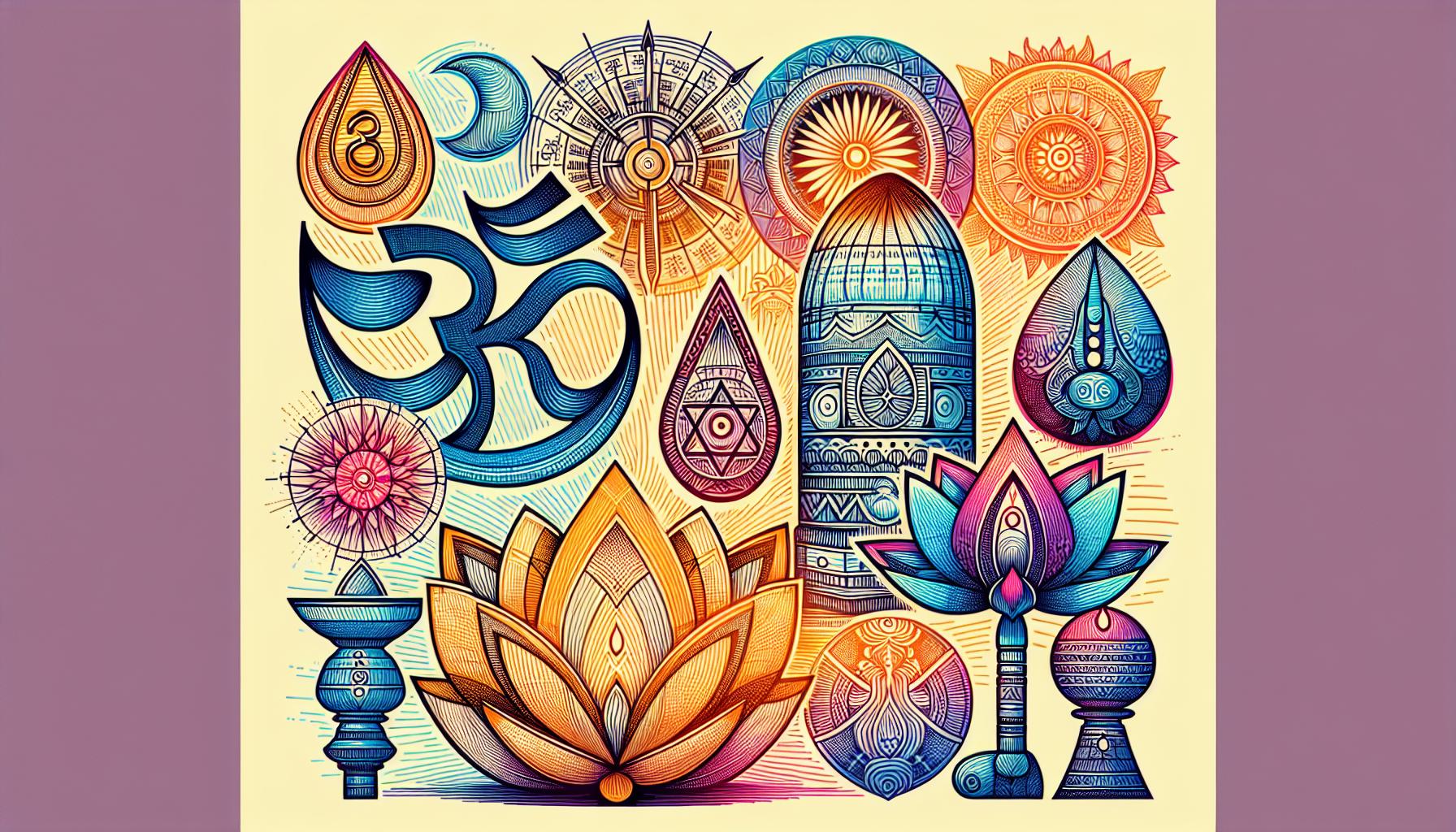
Major Hindu symbols embody profound spiritual and cosmic principles. These symbols are integral to rituals, meditation, and daily practices.
The Om Symbol
The Om symbol, consisting of three curves, a semicircle, and a dot, represents the cosmos and the ultimate reality. It’s frequently chanted during prayers and meditation, signifying the sound of the universe. This symbol appears in ancient texts such as the Upanishads, emphasizing its significance.
Swastika
The Swastika, with its four arms bent at right angles, symbolizes auspiciousness and good fortune. It’s found in temples and homes as a protective and luck-enhancing symbol. The Rig Veda and other ancient scriptures mention the Swastika, underscoring its long-standing cultural importance.
Trishula
The Trishula, or trident, associated with Lord Shiva, represents creation, maintenance, and destruction. It’s often depicted in temples and sculptures, embodying divine power and cosmic balance. Ancient works like the Mahabharata highlight the Trishula’s spiritual significance.
Lotus Flower
The Lotus flower signifies purity, beauty, and spiritual awakening. Deities like Lakshmi and Saraswati – The Goddess of Learning and Wisdom are portrayed seated on lotuses, reflecting divine grace and enlightenment. The Bhagavad Gita references the lotus, affirming its symbolic representation of detached spiritual growth.
Lingam
The Lingam, symbolizing Lord Shiva, represents the infinite nature of the universe. Often found in temples as a focal point of worship, it signifies creation and cosmic energy. The Puranas detail the Lingam’s significance in various mythological events, cementing its role in Hindu rituals.
These symbols, deeply embedded in Hindu traditions, convey profound philosophical meanings, guiding spiritual practices and cultural expressions.
Deity Representations
Hindu deities manifest in various divine shapes, each form encapsulating different aspects of cosmic principles and spiritual truth. These representations, filled with symbolic meanings, play pivotal roles in rituals and meditations.
Forms of Vishnu
Vishnu, the preserver of the universe, manifests in several forms known as avatars. Ten principal avatars, collectively called Dashavatara, depict different eras and divine interventions. For example:
- Matsya: The fish form that saved sacred texts during a great flood.
- Kurma: The tortoise form that supported the cosmic churning of the ocean.
- Varaha: The boar form that rescued Earth from demon Hiranyaksha.
- Narasimha: The half-man, half-lion form that vanquished demon Hiranyakashipu.
Each avatar symbolizes Vishnu’s role in maintaining order and righteousness.
Forms of Shiva
Shiva, the destroyer, embodies both asceticism and divine energy. His forms (avatars) encompass various cosmic principles:
- Nataraja: The cosmic dancer, represents the cycle of creation and destruction.
- Ardhanarishvara: The combined form of Shiva and Parvati, symbolizes the unity of male and female principles.
- Rudra: The fierce form, linked to the storms and hunt.
- Lingam: A phallic representation, signifies the generative power of the universe.
These forms emphasize Shiva’s dual nature and his role in the cosmic cycle.
Forms of Devi (Goddess)
The Goddess (Devi), the divine feminine, manifests in numerous forms, each reflecting distinct aspects of cosmic energy:
- Durga: The warrior goddess, fights against evils and protects the righteous.
- Lakshmi: The goddess of wealth, signifies prosperity and fortune.
- Saraswati: The goddess of knowledge, embodies wisdom and learning.
- Kali: The fierce aspect, symbolizes time and change.
Each form of Devi represents a facet of the universal Shakti (divine energy), vital for balance and sanctity.
Cultural and Artistic Interpretations
Hindu divine shapes have influenced a vast array of cultural and artistic expressions. These shapes, deeply rooted in spiritual symbolism, also adorn various art forms, both traditional and contemporary.
Traditional Art Forms
In traditional Indian art, divine shapes are prominent. These shapes are found in temple architecture, sculptures, paintings, and textiles, each carrying deep spiritual significance.
Temple Architecture
Intricate carvings of deities, geometric patterns, and animal motifs cover temple structures. For example, South Indian temples often feature elaborate towers (gopurams) adorned with numerous divine shapes depicting scenes from mythology.
Sculptures
Temple sculptures frequently depict deities in specific poses (mudras) and forms (roops). Shiva is often represented in Nataraja, the cosmic dancer, symbolizing the cyclical nature of the universe. Vishnu sculptures capture him in various avatars (incarnations) like Krishna or Rama, representing different cosmic principles.
Paintings
Traditional Indian paintings, such as Rajput and Mughal miniatures, often illustrate divine shapes and themes from epics like the Mahabharata and Ramayana. For example, Pattachitra from Odisha captures complex narratives involving Krishna in highly stylized forms.
Textiles
Textile art features divine symbols through block prints, weaves, and embroideries. Patterns like Om and the Lotus flower are common in saris and tapestries, serving both decorative and sacred purposes.
Modern Depictions
In contemporary art, divine shapes continue to inspire. Modern interpretations blend traditional elements with new artistic techniques and mediums.
Contemporary Art
Many modern artists reinterpret divine shapes to connect the ancient with the new. For instance, artists like M.F. Husain have portrayed deities like Ganesha and Saraswati in dynamic, abstract styles, reflecting modern sensibilities while retaining spiritual essence.
Digital Art
With the advent of digital art, representations of divine shapes have gained new dimensions. Artists use digital tools to create intricate designs that blend traditional motifs with digital innovation. Platforms like Instagram showcase these works, expanding accessibility and appreciation.
Fashion and Jewelry
Modern fashion and jewelry design also draw from divine shapes. Designers incorporate motifs like the Trishula and Swastika into contemporary styles, making spirituality a part of everyday wear.
Film and Media
Cinema and media often bring divine shapes to life through visuals. Movies, animated series, and graphic novels depict deities and their narratives using cutting-edge technology, making these ancient symbols relevant to younger audiences.
Divine shapes in Hindu traditions continue to evolve, adapting to new artistic expressions while preserving their spiritual significance. This intersection of the old and new reflects the enduring power of these symbols in contemporary culture.
Conclusion
Exploring Hindu divine shapes reveals a rich world of spiritual and cosmic significance that continues to influence various aspects of life. These symbols and deity representations connect us to deeper spiritual truths and cosmic principles. Their presence in art and culture, from ancient temples to modern digital art, underscores their timeless relevance. Embracing these divine shapes can enrich our understanding of Hinduism and its profound impact on both personal spirituality and broader cultural expressions.
Sources & further reading
These themes are explored in greater depth across the following authoritative resources:
- Britannica, Hindu Temple Architecture
- Met Museum, Hinduism in the Arts
- Britannica, Iconography
- Stella Kramrisch, The Hindu Temple (Motilal Banarsidass, 1946)
- Heinrich Zimmer, Myths and Symbols in Indian Art and Civilization (Princeton University Press, 1946)
External resources for further reading. Apam Napat is not affiliated with these publishers; citation does not imply endorsement.
Frequently asked questions
What are Hindu divine shapes?
What is the Sri Yantra?
What does Ganesha's elephant head symbolize?
What does Shiva's third eye signify?
Based on the classical texts of Hindu mythology, see our sources.