
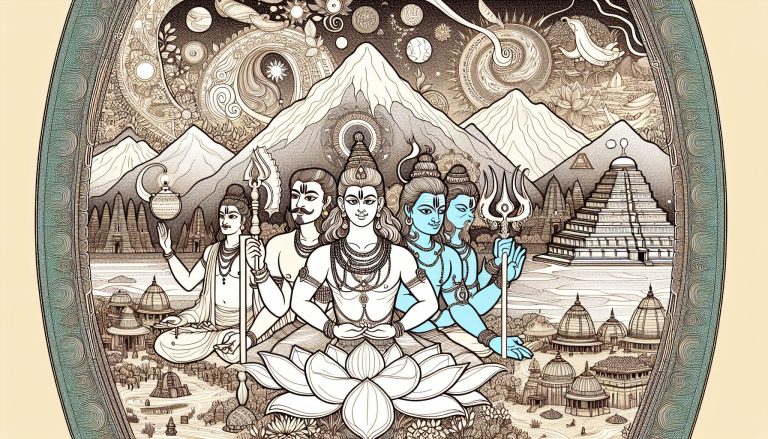
Exploring the origins of Hindu mythology is like embarking on a journey through time. From the cosmic battles between good and evil to the intricate relationships among deities, each story holds a deeper meaning. Join me as I investigate into the fascinating origins of these timeless myths and uncover the wisdom they hold.
Understanding Hindu Mythology Origins
Indus Valley Civilization (2600–1900 BCE)
The Indus Valley Civilization is a key contributor to Hindu mythology. Artefacts from this period, including seals and pottery depicting deities, show early mythological stories and beliefs. These artefacts also reveal a pantheon of gods that likely influenced later Hindu deities.
Vedic Period (1500–500 BCE)
The Vedic period marks the creation of the ancient Vedas, the earliest known Hindu texts. These texts contain hymns and stories forming the foundation of Hindu mythology. The Rigveda, one of the four Vedas, features hymns praising deities like Agni and Indra, showcasing early mythological narratives.
Epics and Puranas
The Mahabharata – The Great Epic and Ramayana epics, along with the Puranas, serve as significant sources of Hindu mythology. These texts detail the exploits of gods, goddesses, and heroes central to Hindu beliefs. For instance, the Mahabharata narrates the Kurukshetra War, emphasizing dharma (righteous duty) and karma (action).
Cultural Influences
Various cultural and religious traditions have shaped Hindu mythology. The fusion of indigenous beliefs with Aryan traditions during the Vedic period enriched the mythological world. Also, interactions with neighboring cultures introduced new deities and stories, diversifying the mythology further.
| Period | Timeframe | Contributions to Hindu Mythology |
|---|---|---|
| Indus Valley | 2600–1900 BCE | Early deities, mythological artefacts |
| Vedic Period | 1500–500 BCE | Vedas with hymns and stories of deities |
| Epics and Puranas | Post-Vedic Period | Detailed stories of gods, goddesses, and heroes |
These elements collectively form the rich world of Hindu mythology, offering profound insights into ancient Indian culture and spirituality.
Ancient Texts and Scriptures
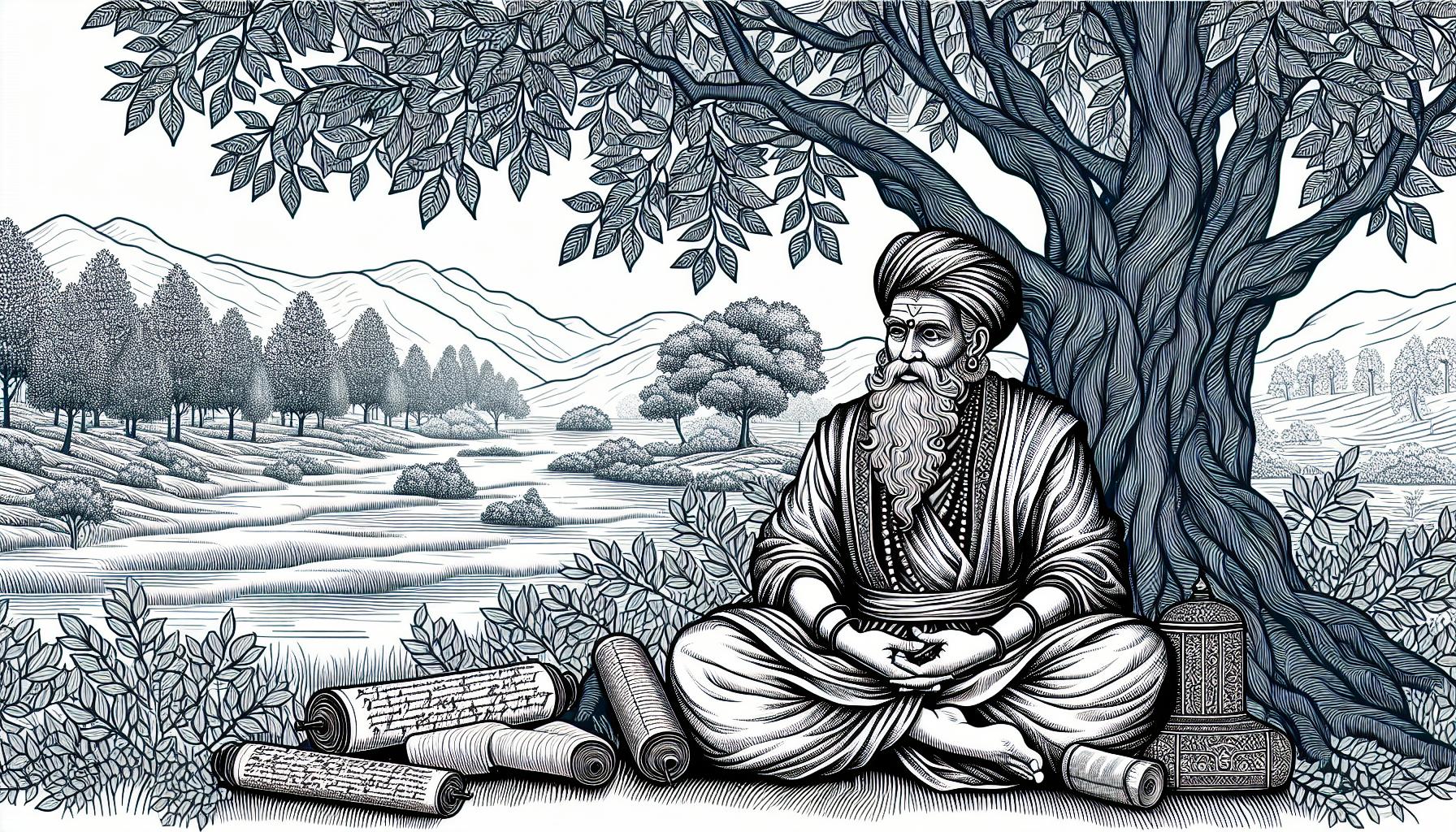
Hindu mythology originates from ancient texts and scriptures forming the foundation of Hinduism. These texts offer insights into the universe’s creation, the divine’s nature, and the lives of divine entities.
The Vedas
The Vedas, composed between 1500 BCE and 500 BCE, are the oldest and most sacred texts in Hinduism. These “Shruti” texts, meaning “what is heard,” are believed to be divine revelations. The Vedas comprise four main texts:
- Rig Veda: The oldest and most significant Veda, with 1,028 hymns and 10,600 verses. It addresses proper religious observance and fundamental existential questions.
- Sama Veda: Primarily a collection of melodies and chants for rituals and ceremonies.
- Yajur Veda: Contains rituals, sacrifices, and commentaries on these practices.
- Atharva Veda: Focuses on practical aspects such as rituals for daily life, health, and societal welfare.
The Upanishads
The Upanishads, part of the later Vedic literature, investigate into philosophical and metaphysical aspects of Hinduism. They explore concepts like Brahman (the ultimate reality) and Atman (the individual soul). There are over 200 Upanishads, but twelve-13 are considered principal texts, including the Chandogya Upanishad and Brihadaranyaka Upanishad. These texts mark the shift from ritualistic practices to spiritual philosophy, influencing later Hindu thought.
The Puranas
The Puranas, composed between 300 BCE and 1500 CE, provide extensive narratives about the gods, goddesses, and heroes. There are 18 major Puranas, including the Vishnu Purana, Shiva Purana, and Devi Bhagavata Purana. These texts elaborate on cosmology, genealogies, myths, legends, and traditional lore. They serve to bridge the gap between ancient Vedic traditions and more accessible devotional practices, sustaining Hindu mythology’s vibrancy and relevance through the ages.
Key Deities in Hindu Mythology
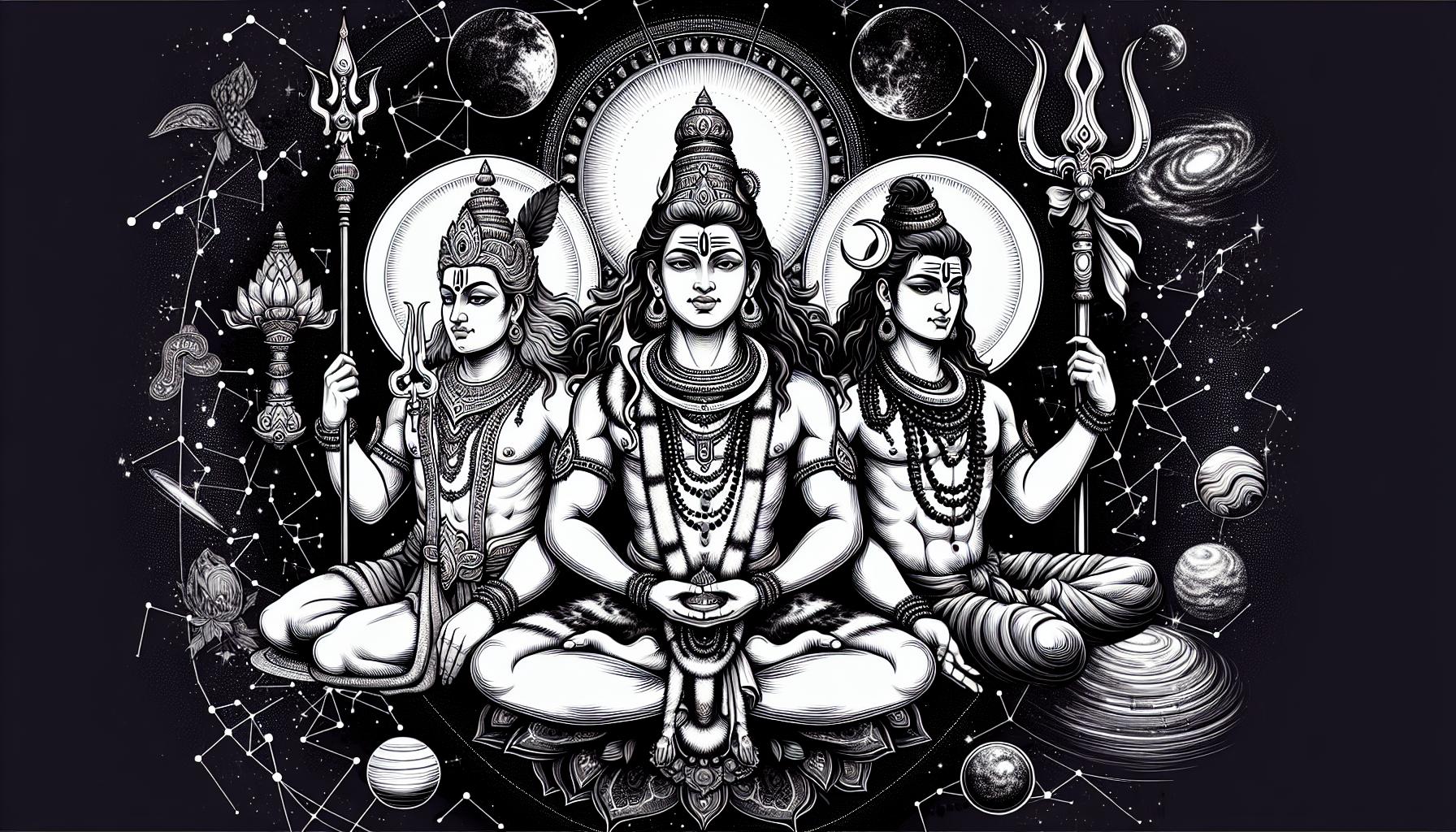
Key deities in Hindu mythology play crucial roles in various narratives and cosmological concepts. They represent different aspects of the divine, each with distinct characteristics and stories.
Brahma
Brahma, known as the Creator, forms the universe with his mind and body. Represented with four heads, each symbolizing a Veda, he oversees creation while being less worshipped compared to other deities. According to texts, he emerges from a lotus sprouting from Vishnu’s navel, highlighting interconnected divine functions.
Vishnu
Vishnu, the Preserver, maintains cosmic order and dharma. Portrayed with four arms holding a conch, discus, mace, and lotus, he embodies righteousness. He’s revered through his avatars like Rama and Krishna, who descend to restore balance. The Bhagavad Gita, part of the Mahabharata, expounds his teachings delivered as Krishna.
Shiva
Shiva, the Destroyer, enables transformation through destruction. Often depicted with a trident, crescent moon, and third eye, he mediates in the Himalayas. Texts describe his cosmic dance, the Tandava, as symbolizing creation and destruction cycles. He’s integral to the Shaivism tradition, embodying both ascetic and householder roles.
Incorporating these deities enriches Hindu mythology, demonstrating a comprehensive understanding of life and cosmos.
Creation Myths and Legends
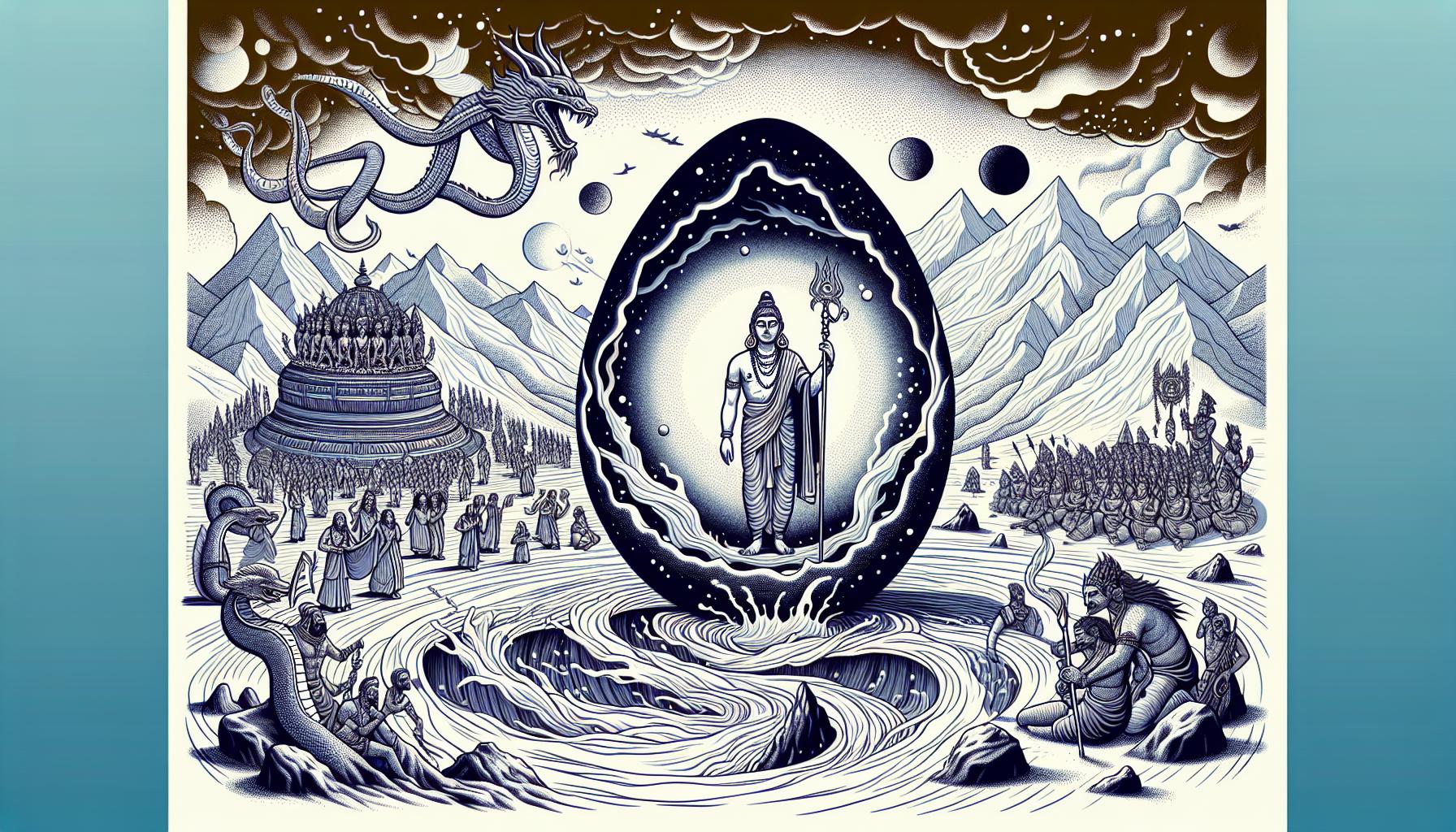
Hindu mythology contains a rich world of creation myths and legends that offer profound insights into the cosmos’s origins. Two prominent myths are detailed below.
The Cosmic Egg
One pivotal myth in Hindu cosmology is the Cosmic Egg or Hiranyagarbha. According to the Rigveda, this golden egg floated in the primordial waters at the universe’s start. When it split, it gave rise to Brahma, who created the cosmos. Everything, from gods and humans to animals and plants, emerged from this divine source. The Upanishads further elaborate that the egg symbolizes potentiality embodied in the primordial state, emphasizing the interconnectedness of all creation.
The Churning of the Ocean
Another crucial legend is the Churning of the Ocean, also known as Samudra Manthan. Devas (gods) and Asuras (demons) decided to churn the Ocean of Milk to obtain Amrita, the nectar of immortality. Using Mount Mandara as the churning stick and the serpent Vasuki as the rope, they churned the ocean. This monumental event resulted in the emergence of several treasures and beings, including Lakshmi, the goddess of wealth, and Dhanvantari, the physician of the gods, holding the pot of Amrita. This myth illustrates cooperation and struggle in the pursuit of cosmic balance and immortality.
Symbolism in Hindu Mythology
Symbolism in Hindu mythology serves profound roles. It conveys complex spiritual, moral, and philosophical ideas through various symbols and myths.
Meaning of Symbols
Hindu mythology uses symbols to represent intricate concepts. For example, the lotus flower symbolizes purity and divine beauty, growing untainted out of murky waters. The trident carried by Shiva signifies creation, preservation, and destruction, embodying his role within the universe. Snakes or serpents, seen around various deities, represent fertility, rebirth, and immortality. Each symbol carries multiple layers of meaning that offer deep insights into Hindu spiritual and philosophical thought.
Role of Myths in Religion and Culture
Myths in Hindu religion and culture transmit essential teachings. Stories like the Ramayana and the Mahabharata impart moral lessons and illustrate ideal behaviors. They serve educational purposes, offering readers and listeners guidance on dharma (duty) and righteousness. Myths also explain natural phenomena and cosmological events, providing followers with a sense of place within the universe. The narrative elements strengthen communal bonds and cultural identity through shared beliefs and values.
Influence on Modern Hinduism
Hindu mythology significantly impacts modern Hinduism’s practices and beliefs. Many rituals, festivals, and daily customs trace their roots to ancient myths. For instance, the Diwali festival, rooted in the return of Lord Rama to Ayodhya as depicted in the Ramayana, is celebrated across India with lights, firecrackers, and family gatherings.
Key mythological figures continue to hold central roles in temple worship and personal devotion. Statues of gods like Vishnu, Shiva, and Lakshmi are commonly found in homes and temples, influencing prayer practices. Devotees often recite hymns and mantras from ancient texts such as the Vedas and Puranas during their worship.
Hindu mythology’s ethical and moral teachings guide behavioral norms within society. Stories from texts like the Mahabharata and the Ramayana provide frameworks for right living, emphasizing virtues such as loyalty, bravery, and righteousness. These narratives are often reenacted during festivals, reinforcing cultural values through dramatization.
Symbolism from Hindu mythology also permeates modern visual arts, literature, and architecture. Lotus flowers, conch shells, and divine weapons are frequently depicted in artwork and buildings. These symbols function not just decoratively but also convey deeper spiritual meanings.
In contemporary Hindu education, schools and religious institutions teach mythological stories to instill cultural heritage. This practice ensures the transmission of traditional knowledge and values to future generations.
Conclusion
Exploring the origins of Hindu mythology reveals a rich world of history, spirituality, and culture. From the ancient Indus Valley Civilization to the Vedic Period, these myths have shaped the beliefs and practices of millions. The profound symbolism found in artifacts and texts like the Rigveda continues to influence modern Hinduism, enriching daily rituals and festivals.
By understanding the roles of deities like Brahma, Vishnu, and Shiva, we gain deeper insights into the cosmological and philosophical concepts that underpin Hindu thought. Creation myths and epic narratives not only explain the universe’s origins but also impart timeless moral lessons.
Hindu mythology’s enduring legacy is evident in its impact on visual arts, literature, and architecture. As these stories are passed down through generations, they preserve cultural heritage and values, ensuring that the wisdom and teachings of ancient times remain relevant today.
Frequently asked questions
Where does Hindu mythology originate?
What are the Vedas in Hindu mythology?
What is the Cosmic Egg myth in Hindu cosmology?
What is the Samudra Manthan creation legend?
Sources & further reading
These themes are explored in greater depth across the following authoritative resources:
- Stanford Encyclopedia of Philosophy, Hindu Philosophy
- Mythopedia, Hindu Mythology
- Britannica, Hindu Mythology
- Sheldon Pollock, The Language of the Gods in the World of Men (University of California Press, 2006)
- A. K. Ramanujan, The Collected Essays (Oxford University Press, 1999)
External resources for further reading. Apam Napat is not affiliated with these publishers; citation does not imply endorsement.
Based on the classical texts of Hindu mythology, see our sources.