
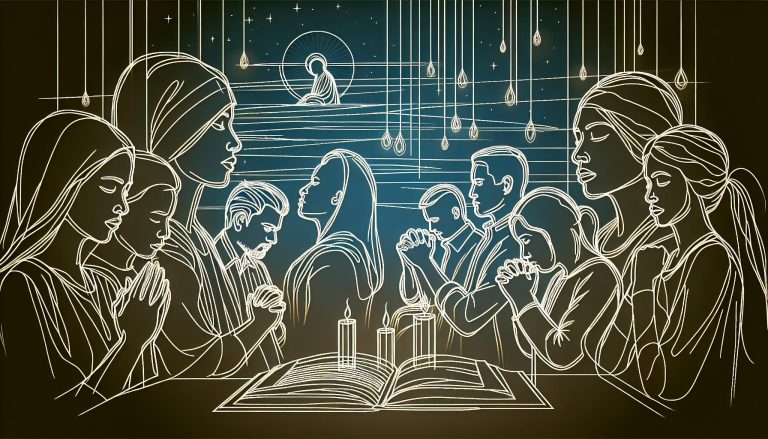
I’ve always been fascinated by the idea that there are higher powers watching over us, ready to step in when called upon. Whether it’s angels, saints, or other spiritual entities, the concept of divine intercession brings a sense of peace and assurance. Let’s jump into the world of these mystical helpers and explore how they can influence our lives for the better.
Understanding Spiritual Divine Intercessors
Spiritual divine intercessors are individuals gifted by the Holy Spirit to pray and intercede on behalf of others. This charism is a powerful tool for building up the Kingdom of God within communities and parishes. Intercessors seek the face of God for others who struggle spiritually, praying for their protection, defense, and strengthening. They help others bear fruit for the Kingdom of God.
Role and Purpose
Intercessors engage in prayer to connect with the Divine on behalf of others. They focus on specific needs, be it physical, emotional, or spiritual. Their prayers often aim to bring peace, healing, and spiritual growth to those they pray for, reinforcing their connection with God.
Types of Intercessors
Different intercessors have various specialties, each serving unique roles:
- Issues Intercessors: Focus on particular concerns, such as health or relationships.
- List Intercessors: Maintain prayer lists, systematically interceding for each entry.
- Midwives: Assist in the birth of new ministries or spiritual ventures.
- Spiritual Guardians: Offer long-term support and protection through prayer.
- Financial Intercessors: Pray for financial breakthroughs and economic stability.
- Mercy Intercessors: Offer prayers rooted in compassion, focusing on those experiencing hardship.
- Crisis Intercessors: Respond to urgent or emergency situations with immediate prayer.
- Warfare Intercessors: Engage in spiritual warfare, praying against negative spiritual forces.
- Worship Intercessors: Combine prayer with worship, creating a powerful spiritual atmosphere.
- Government Intercessors: Pray for leaders and governmental bodies, seeking divine guidance.
- People-Group Intercessors: Focus on specific ethnic or social groups, interceding for their needs.
- Prophetic Intercessors: Receive and relay divine messages during prayer.
By understanding these roles, communities can better appreciate the diverse and vital contributions of spiritual divine intercessors. Their dedicated prayers help nurture and sustain spiritual growth, ensuring that individuals and groups flourish within the faith community.
Historical Perspectives
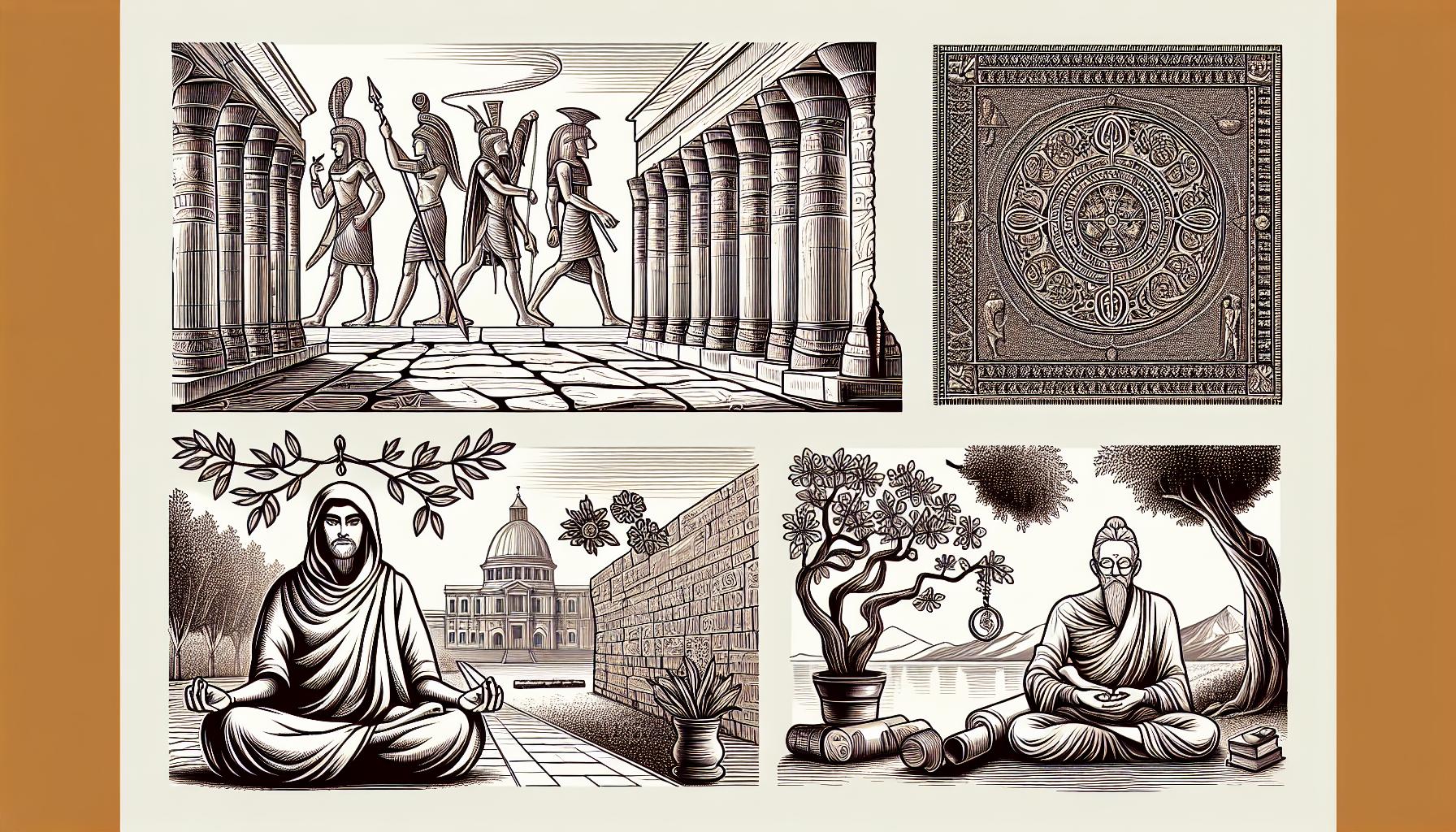
Spiritual divine intercessors have deeply influenced human history, playing significant roles in various eras and cultures.
Ancient Rome
In ancient Rome, spiritual divine intercessors were integral to the religious system. The Roman pantheon included gods and goddesses who intervened in human affairs. For example, the goddess Ceres was revered for her role in agriculture and fertility, while the god Jupiter protected the state. Roman citizens sought these deities’ favor through rituals and offerings, reflecting the intercessors’ importance in daily life.
Middle Ages
During the Middle Ages, the Catholic Church emphasized saints as intercessors. Saints, believed to have a direct connection to God, could intercede for the faithful. This period saw the development of a vast network of saints and their associated relics. People venerated and sought these relics for protection and guidance. Saints like St. Francis of Assisi and St. Catherine of Siena became crucial figures, embodying the intercessory power that connected believers to the divine.
Ancient Traditions
Ancient traditions across various cultures featured spiritual divine intercessors. For example, in ancient Egypt, priests served as intermediaries between gods and people, performing rituals to communicate with deities like Ra and Osiris. In Hinduism, sages and rishis engaged in deep meditation and prayer to intercede on behalf of their communities with gods like Vishnu – The Protector and Shiva – The Destroyer. These traditions highlight the universal need for intermediaries in the spiritual area.
Religious Texts
Religious texts often reference spiritual divine intercessors. In the Bible, figures like Moses and Elijah intercede with God on behalf of their people. The Quran mentions prophets like Muhammad, who mediate between Allah and humanity. Hindu scriptures, such as the Bhagavad Gita, feature intercessors like Lord Krishna – An Incarnation of Vishnu guiding Arjuna – The Peerless Archer. These texts underscore the intercessors’ role in facilitating divine communication and offering spiritual support.
Types of Divine Intercessors
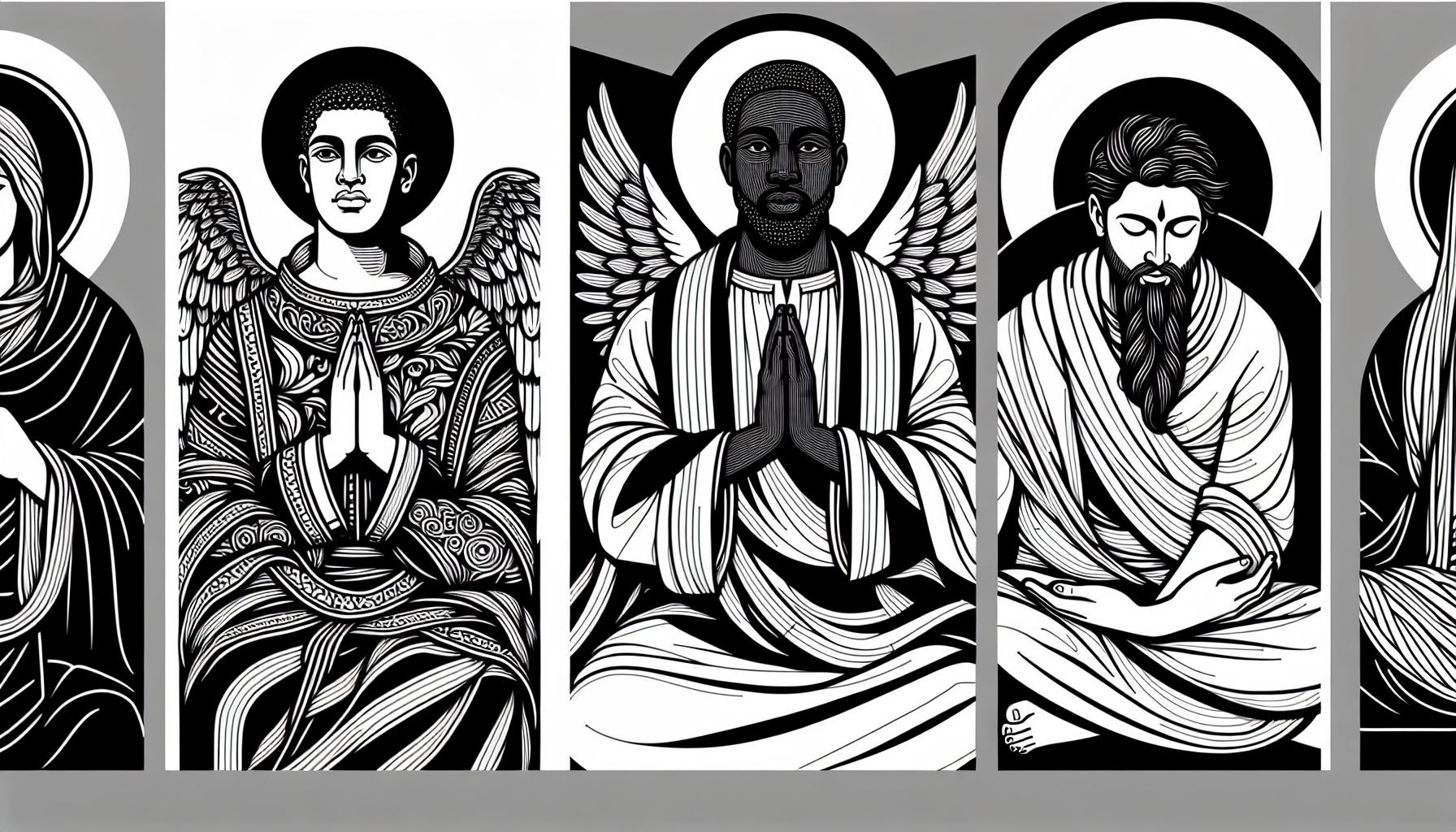
Divine intercessors bridge the spiritual and physical realms, aiding individuals or groups in seeking divine intervention. Various forms of intercessors exist, each with unique roles and methods.
Transformational Intercessors
Transformational intercessors pray prophetically, seeking to bring transformation and repentance to cities, churches, or regions. These intercessors often engage in spiritual warfare, prophetic acts, and dance intercession. They focus on invoking significant changes through deep spiritual engagement. Examples include fasting for community renewal.
Political Intercessors
Political intercessors concentrate on political issues, aiming for national or global improvement. Their intercessions cover current events, government decisions, and societal changes. They must balance their dedication to avoid pitfalls like excessive political focus, anger, and fear. Examples include praying for peaceful elections.
Crisis Intercessors
Crisis intercessors address immediate needs like emergencies, natural disasters, and crises. They pray to prevent or lessen the loss of life and property. Their timely prayers seek divine intervention in urgent and severe situations. Examples include interceding during hurricanes or earthquakes.
Angels and Archangels
Angels are purely spiritual beings serving as intermediaries between God and humanity. Acting as messengers and protectors, their communication is primarily spiritual, though manifesting physically is recorded in religious texts. Archangels, a higher rank of angels, often carry more significant tasks. For example, Archangel Michael is seen as a protector and leader in spiritual warfare.
Saints
Saints hold a revered position in many religions, notably in Christianity. They serve as intercessors due to their sanctified lives and close connection to the divine. Believers pray to saints seeking their intercession, expecting divine favor or miracles. For instance, Saint Anthony is invoked to help find lost items.
Deities and Demigods
In polytheistic traditions, deities and demigods function as intercessors. Each deity often governs specific aspects of life, while demigods may possess lesser but still substantial powers. Worshippers seek their help through rituals and prayers tailored to the deity’s domain. For instance, in Hinduism, worshippers pray to Ganesha for removing obstacles.
Roles and Functions
Spiritual divine intercessors play crucial roles in bridging the gap between humans and the divine. These intercessors serve various purposes, including mediation, messaging, and protection.
Mediators Between Humans and the Divine
Jesus Christ stands out as the sole mediator between God and humanity, facilitating a crucial relationship (1 Timothy 2:5). Angels also function as mediators, conveying God’s messages and truth in written form (1 Corinthians 12:12). Their actions bridge the divine and human realms, enabling a deeper spiritual connection.
Deliverers of Messages
Angels deliver God’s will, acting as divine messengers (Deuteronomy-Kings). Prophetic intercessors receive divine guidance to pray for specific issues or individuals (Ephesians 6:12). By transmitting these messages, they serve as conduits for divine direction, ensuring that human actions align with divine intentions.
Protectors and Guardians
Spiritual guardians protect and cover others, often operating discreetly to ensure spiritual safety (Ephesians 6:12). Their role involves shielding individuals from spiritual harm, providing a layer of defense that bolsters overall well-being.
Popular Cultural Representations
Spiritual divine intercessors appear widely in various cultural forms, depicting their influence on human experiences and spiritual growth.
Literature and Art
Literature often explores spiritual divine intercessors through vivid narratives and complex characters. In Dante’s Divine Comedy, for example, the poet Virgil acts as a guide through Hell and Purgatory. Also, John Milton’s Paradise Lost features archangels like Michael and Gabriel as central characters providing guidance. Visual art also reflects these themes. In Renaissance paintings, artists such as Michelangelo depicted intercessors like angels and saints. Frescoes, sculptures, and iconography in ancient churches show divine figures interceding on behalf of humanity, highlighting their importance in spiritual representations.
Movies and Television
Film and television portray spiritual divine intercessors to illustrate their interventions in human affairs. In It’s a Wonderful Life (1946), the angel Clarence helps George Bailey realize his life’s value. The TV show Highway to Heaven (1984-1989) features angelic protagonist Jonathan Smith aiding people in need. Touched by an Angel (1994-2003) presents angels Monica, Tess, and Andrew guiding humans through troubling times. These portrayals highlight the impact of spiritual beings in guiding and protecting individuals, reaffirming the belief in divine intervention.
Modern Spiritual Practices
In modern practice, spiritual divine intercessors play significant roles in various religious and spiritual traditions. People seek guidance and support from saints, angels, or deities through prayer, meditation, or rituals. For instance, Catholics pray to saints like St. Jude for help during desperate times. In New Age spiritual movements, individuals connect with guardian angels or spirit guides for personal growth and healing. Modern technology facilitates these practices, with apps and online forums offering spaces for collective prayer and intercessory requests. These practices emphasize the continued relevance of intercessors in contemporary spiritual life.
Personal Experiences
Spiritual divine intercessors deeply impact both the individuals they pray for and the intercessors themselves. Here’s a closer look at some personal experiences, testimonials, and case studies highlighting their profound influence.
Testimonials
Michelle Ule, an accomplished author, shares that intercessors are incredibly attuned to the needs of others. She recounts how her role as an intercessor involves a passionate drive to assist. She often finds herself stopping whatever she is doing to pray for someone in crisis. This act of interceding not only brings relief to those in need but also brings transformation to her own life as she witnesses the power of intervention.
In the legacy of Susanna Wesley, the mother of John and Charles Wesley, we see a testament of unwavering commitment. Susanna dedicated two hours daily to fellowship with God and for time spent in His Word, even amidst the demanding duties of motherhood. Her devotional perseverance illustrates the profound impact and spiritual enrichment that consistent intercession provides.
Case Studies
One notable example involves a small community that was experiencing a downturn in morale and economic hardship. An intercessor, moved by the plight of the community, began regular prayers aimed at lifting the collective spirit and fortune. Over time, residents reported a noticeable change in their circumstances, attributing the positive shift to the intercessor’s dedicated efforts.
Another case study features an intercessor who worked specifically with individuals battling severe illnesses. Through persistent prayer, many patients found not only physical healing but also emotional and spiritual support, helping them to navigate their journeys with greater resilience. These cases underscore the significant, tangible outcomes that dedicated intercession fosters within communities.
Conclusion
Exploring the world of spiritual divine intercessors has been a journey into understanding how these intermediaries profoundly impact our lives. Their role in bridging the gap between the human and divine realms is invaluable, offering both spiritual growth and tangible relief.
From personal stories to community-wide transformations, the power of dedicated intercession is clear. Whether through angels, saints, or devoted individuals, the positive outcomes are undeniable. Embracing the practice of intercession can lead to profound changes, providing hope and healing when it’s needed most.
Sources & further reading
These themes are explored in greater depth across the following authoritative resources:
- Britannica, Asura
- Britannica, Naga
- Mythopedia, Hindu Mythology
- Internet Sacred Text Archive, Mahabharata
- Wendy Doniger, Hindu Myths (Penguin Classics, 1975)
External resources for further reading. Apam Napat is not affiliated with these publishers; citation does not imply endorsement.
Based on the classical texts of Hindu mythology, see our sources.