
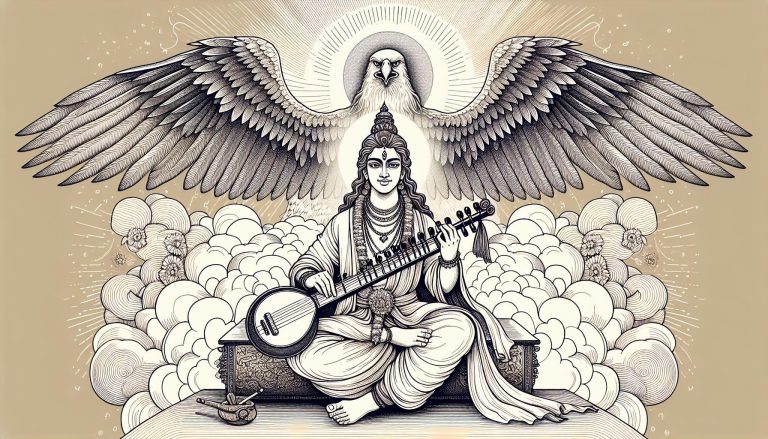
In exploring these mythological divine envoys, I find the recurring themes of duty, communication, and the bridging of mortal and immortal realms particularly captivating. Whether it’s Hermes in Greek mythology, Odin’s ravens in Norse tales, or the angel Gabriel in Abrahamic traditions, each envoy embodies unique attributes and missions that reflect their culture’s worldview. Let’s investigate into these fascinating figures and uncover the timeless lessons they impart.
The Role of Divine Envoys in Mythology
Divine envoys serve as intermediaries between gods and humans, performing essential tasks. They often relay messages, execute divine orders, and protect the cosmic order. Their presence signifies the direct influence of the divine in the mortal area.
Communication and Messenger Duties
Envoys like Hermes and Gabriel embody the role of messengers. Hermes, known for his swiftness, delivers Zeus’s commands and often facilitates communication between gods and humans. Gabriel, in Abrahamic traditions, announces pivotal events like the birth of Jesus, so connecting the divine and earthly planes through crucial information.
Protectors and Guardians
Envoys sometimes act as protectors. Odin’s ravens, Huginn and Muninn, keep an eye on the world for Odin, gathering intelligence and warning of potential threats. These protectors ensure the gods remain informed and ready to intervene if necessary.
Agents of Change
Divine envoys often enact change. Thoth in Egyptian mythology, associated with wisdom, records decisions and ensures the correct execution of divine will. By keeping track of cosmic events and divine judgments, these figures maintain order and enact necessary changes.
Symbols of Moral and Ethical Values
These envoys also embody the moral and ethical values of their respective cultures. For instance, Hermes is often depicted as cunning and resourceful, traits valued in ancient Greek society. Similarly, Gabriel’s role as a bearer of good news reflects the Abrahamic emphasis on faith and obedience.
Bridging Mortal and Immortal Realms
Eventually, divine envoys bridge the gap between the mortal and immortal worlds. By delivering messages, protecting, enacting change, and symbolizing core values, they ensure humans stay connected to the divine, experiencing the will and influence of gods directly in their lives.
Divine Messengers in Greek Mythology
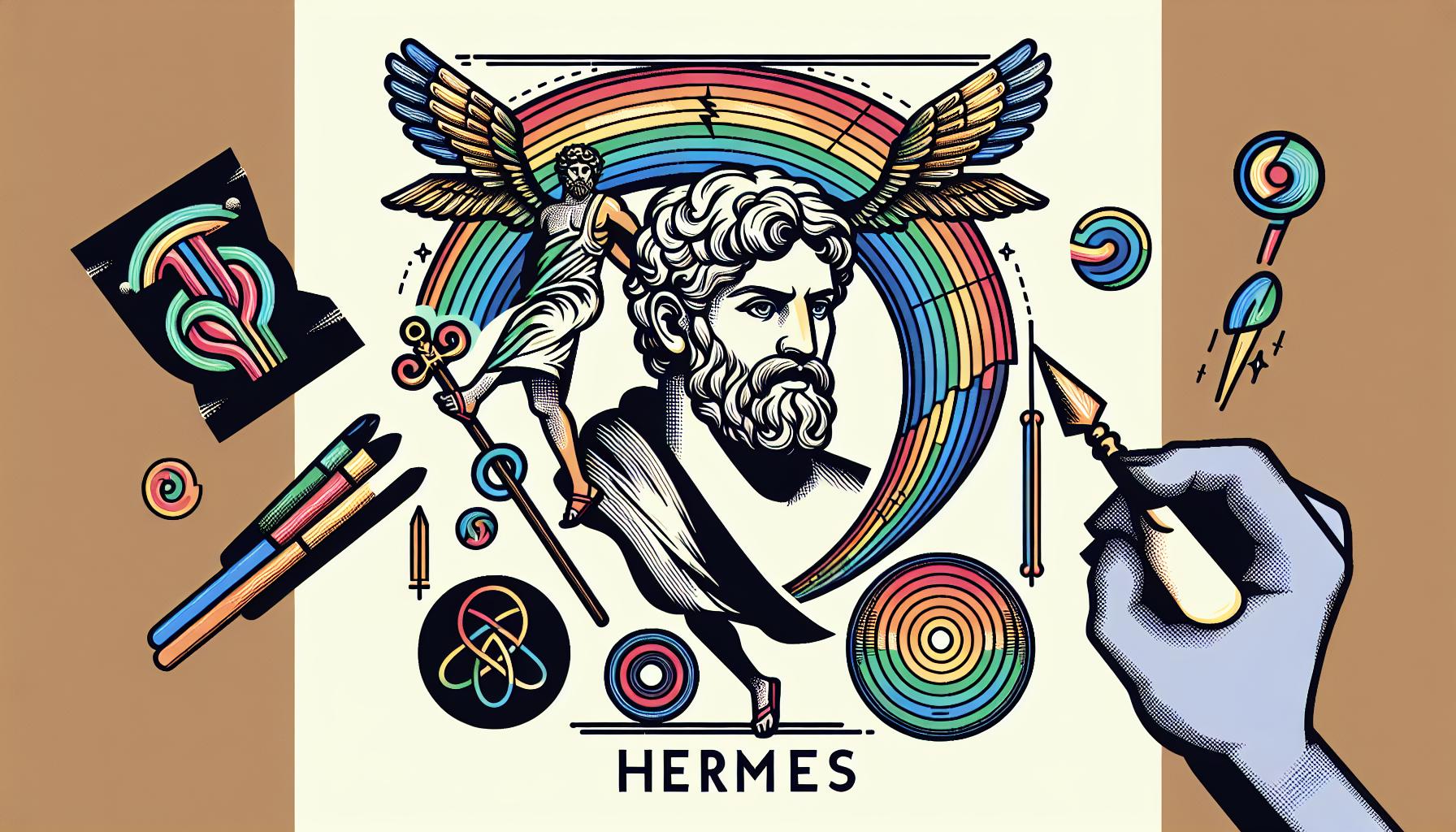
Greek mythology abounds with divine messengers who connect gods and mortals. These entities carry out their roles with precision, ensuring the seamless flow of divine will.
Hermes: The Herald of the Gods
Hermes stands out as the quintessential divine messenger. Known for his speed and agility, Hermes serves as the herald of the gods, delivering messages from Zeus. His attire, often depicted with winged sandals and a caduceus, symbolizes his swift nature. Examples in mythology include his role in guiding Persephone back from the underworld and aiding Odysseus on his journey home. Hermes’ duties extend beyond communication; he also escorts souls to the afterlife and protects travelers, making him an indispensable envoy in Greek mythology.
Iris: The Goddess of the Rainbow
Iris brings a unique aspect to divine communication. As the personification of the rainbow, she acts as a bridge between the heavens and earth. Serving primarily Hera, Iris delivers important messages while using the rainbow as her path. Instances in myths highlight her importance, such as when she conveys Hera’s commands during the Trojan War and serves the gods their nectar. Iris’ role underscores the connection between visual phenomena and divine messages, embodying the link between mortals and the divine through her exceptional abilities.
Divine Envoys in Norse Mythology
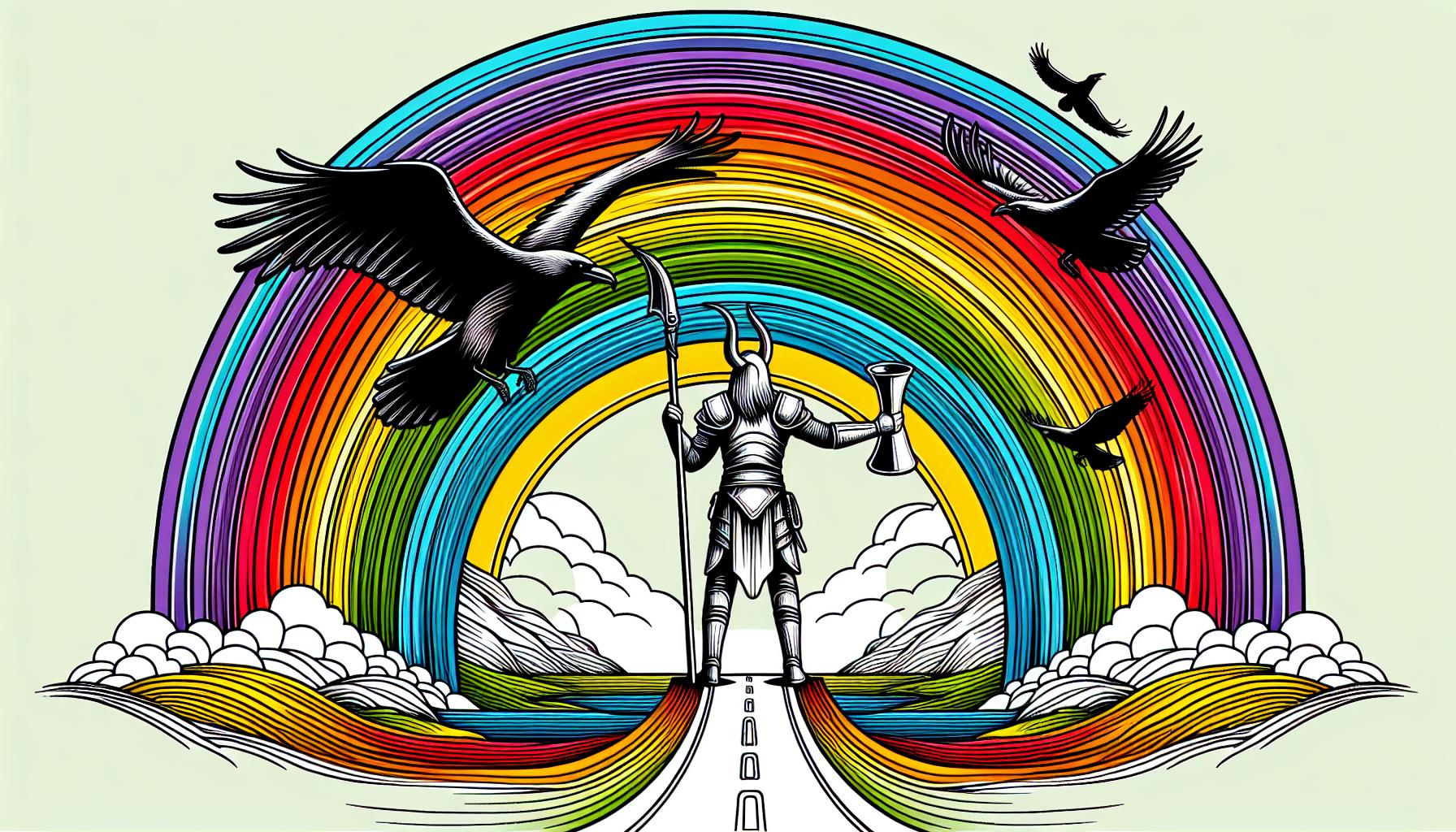
Norse mythology showcases a rich pantheon of gods, each with unique divine envoys. These messengers play crucial roles in maintaining the balance between the divine and mortal worlds.
Heimdall: The Watchman of the Gods
Heimdall, known as the watchman of the gods, stands guard at the Bifröst, the rainbow bridge connecting Asgard and Midgard. Possessing extraordinary senses, he can hear grass grow and see for hundreds of miles. His responsibility includes warning the gods of impending danger, particularly from the giants. Renowned for his vigilance, Heimdall ensures that the area remains secure from any threat.
Huginn and Muninn: Odin’s Ravens
Odin, the Allfather, relies on his two ravens, Huginn and Muninn, to gather information. Huginn, representing thought, and Muninn, representing memory, fly across the world daily, returning to Odin with vital knowledge. These ravens symbolize Odin’s omnipresence and wisdom, providing him with insights into both divine and mortal affairs. Their role is critical in helping Odin make informed decisions to maintain order in the cosmos.
Divine Messengers in Egyptian Mythology
Egyptian mythology features divine messengers who serve critical roles in communication, protection, and maintaining cosmic balance.
Thoth: The God of Wisdom
Thoth, revered as the god of wisdom, oversees communication and knowledge. Recognized for inventing writing, Thoth ensures the accurate transmission of divine decrees. In mythology, he mediates disputes among gods and records their judgments. Represented with the head of an ibis or a baboon, Thoth symbolizes wisdom and learning, making him central to Egyptian religious practices.
Anubis: The Guide of Souls
Anubis, known as the guide of souls, shepherds the deceased safely to the afterlife. As the god of funerary rites, Anubis protects graves and oversees mummification. With a jackal head, Anubis weighs the hearts of the dead against the feather of Ma’at, determining their fate in the afterlife. His role as a divine messenger reflects his importance in maintaining the balance between life and death, ensuring souls reach their rightful place.
Divine Envoys in Hindu Mythology
Hindu mythology features a myriad of divine envoys who bridge the gap between gods and mortals. These entities play pivotal roles in communication and protection, embodying celestial attributes.
Narada – The Divine Musician-Sage: The Traveling Sage
Narada serves as the quintessential traveling sage in Hindu mythology. Known for his wisdom and musical prowess, he roams the three worlds—Heaven (Svarga), Earth (Prithvi), and the Netherworld (Patala)—carrying messages from the gods and imparting his knowledge to seekers. Narada plays a crucial role in maintaining cosmic balance. Through his acts of counsel, he influences events in the epic Mahabharata – The Great Epic and Ramayana – Epic of Hinduism. Narada remains a respected figure among sages and gods alike, known for his intimate connection with divine entities and unparalleled communication abilities.
Garuda: The Divine Eagle
Garuda manifests as the mighty divine eagle and the vehicle (vahana) of Lord Vishnu – The Protector. This sentient bird possesses immense strength and speed, often depicted carrying Vishnu across the cosmos. Garuda’s role extends beyond transportation; he acts as a protector against evil forces. In Hindu texts like the Puranas, Garuda embodies freedom, vigilance, and the relentless pursuit of righteousness. His very name evokes awe and respect, symbolizing the ability to navigate both celestial and earthly realms effortlessly.
By understanding these figures, we see how Hindu mythology weaves complex narratives involving communication, protection, and divine wisdom through its envoys.
Conclusion
Exploring mythological divine envoys reveals their profound impact on human culture and spirituality. From Hermes to Narada these figures aren’t just messengers but pivotal characters shaping narratives and guiding humanity. They embody the divine’s reach into the mortal area bridging gaps and imparting wisdom. Understanding their roles deepens our appreciation for the rich world of myths and legends that continue to inspire and teach us. Through these envoys we see a reflection of our own quests for knowledge protection and connection with the divine.
Sources & further reading
These themes are explored in greater depth across the following authoritative resources:
- Britannica, Asura
- Britannica, Naga
- Mythopedia, Hindu Mythology
- Internet Sacred Text Archive, Mahabharata
- Wendy Doniger, Hindu Myths (Penguin Classics, 1975)
External resources for further reading. Apam Napat is not affiliated with these publishers; citation does not imply endorsement.
Frequently asked questions
What is the role of divine envoys in mythology?
Who is Hermes in Greek mythology?
What role do Odin's ravens play in Norse mythology?
Who is the angel Gabriel in Abrahamic traditions?
What does Thoth do in Egyptian mythology?
Based on the classical texts of Hindu mythology, see our sources.