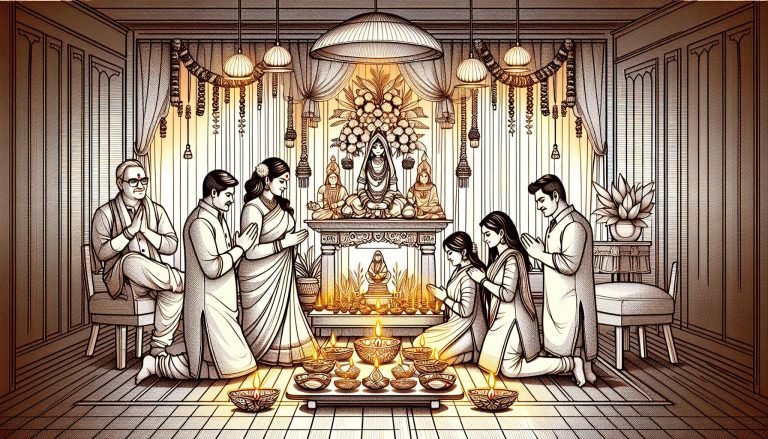
Hindu rituals play a crucial role in daily life, marking significant milestones from birth to death. They serve as a bridge between the past and present, enabling individuals to honor their ancestors while seeking blessings for the future. By participating in these rituals, one can experience a sense of belonging and spiritual fulfillment that transcends the mundane.
Historical Background of Hindu Rituals
Hindu rituals trace their origins back over 4,000 years to the Vedic period. The Vedas, the oldest sacred scriptures, form the foundation of these practices. Early Vedic rituals involved fire offerings or Yajnas. Priests performed these ceremonies to honor deities and seek their favor. These rituals evolved over centuries, influenced by cultural and religious changes.
During the Rigvedic era, sacrificial rites were common. These rites included offerings of food, ghee, and soma (a ritual drink). Temple worship, or Puja, became prominent in the later Vedic period. People started dedicating temples to specific gods and performed more intricate rituals.
Significant texts like the Upanishads and the Puranas further shaped Hindu rituals. Upanishads introduced philosophical contexts, while the Puranas detailed stories of gods and heroes, promoting Bhakti (devotion). These texts emphasized personal devotion and the importance of ethical living.
The medieval period saw the rise of regional variations in rituals. Bhakti movements, which stressed a personal relationship with a deity, gained popularity. Saints like Ramanuja, Kabir, and Mirabai influenced the practice and understanding of these ceremonies. These movements democratized rituals, making them accessible to all, regardless of caste or social status.
In contemporary times, Hindu rituals reflect a mix of traditional and modern influences. Urbanization and globalization have led to adaptations, but the essence of honoring deities and seeking blessings remains constant. Rituals continue to provide a sense of identity, community, and spiritual connection.
Hindu rituals, deeply rooted in history, maintain their relevance by adapting to changing societal contexts. They remain a vital part of cultural and religious life, bridging the past and present.
Core Elements of Hindu Rituals
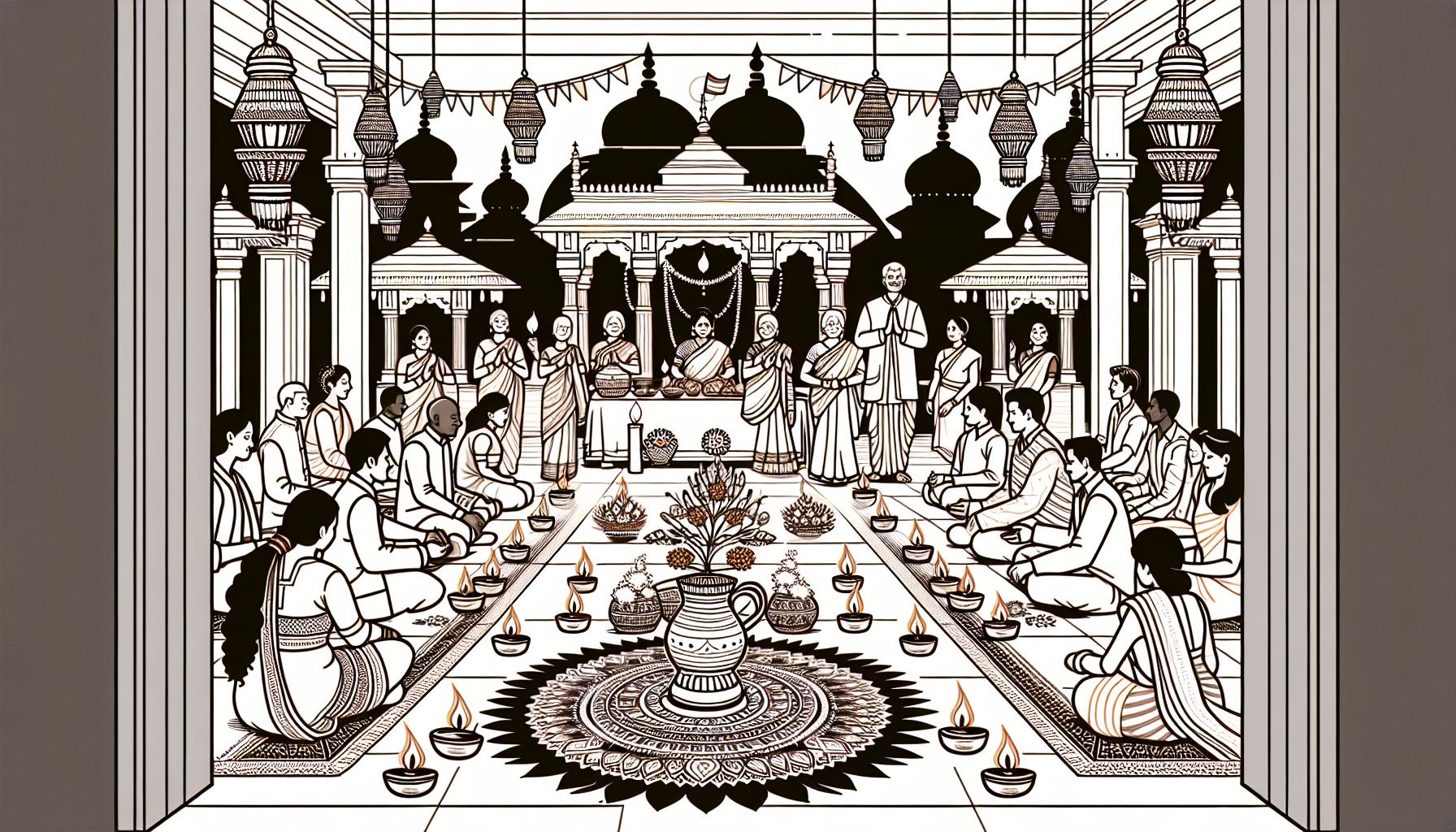
Hindu rituals form a crucial aspect of daily life, encompassing a wide range of practices that connect individuals to their faith and community. They involve rich traditions and deep symbolism, integral to understanding the culture.
Ceremonial Practices
Ceremonial practices in Hinduism include various rites, from birth to death. Important ceremonies like “Namakarana” (naming ceremony) and “Vivaha” (marriage rites) punctuate an individual’s life. Festivals such as Diwali and Holi involve intricate rituals specific to each celebration. Daily routines often feature rituals like “Puja” (worship) and “Aarti” (ritual of light) performed at home or in temples. These practices help maintain a spiritual connection, offering structure and meaning to everyday life.
Symbolism and Meaning
Symbolism is core to Hindu rituals, imbued with layers of meaning and cultural significance. Items like “Diyas” (oil lamps) symbolize enlightenment and knowledge. “Tilak” (forehead mark) signifies protection and divine blessings. Colorful powders used in “Rangoli” designs represent joy and the festive spirit. Rituals like “Sankalpa” (intention setting) emphasize mindfulness and purpose. These symbols and their meanings impart lessons, bridging the tangible and the spiritual in Hindu traditions.
Role in Daily Life
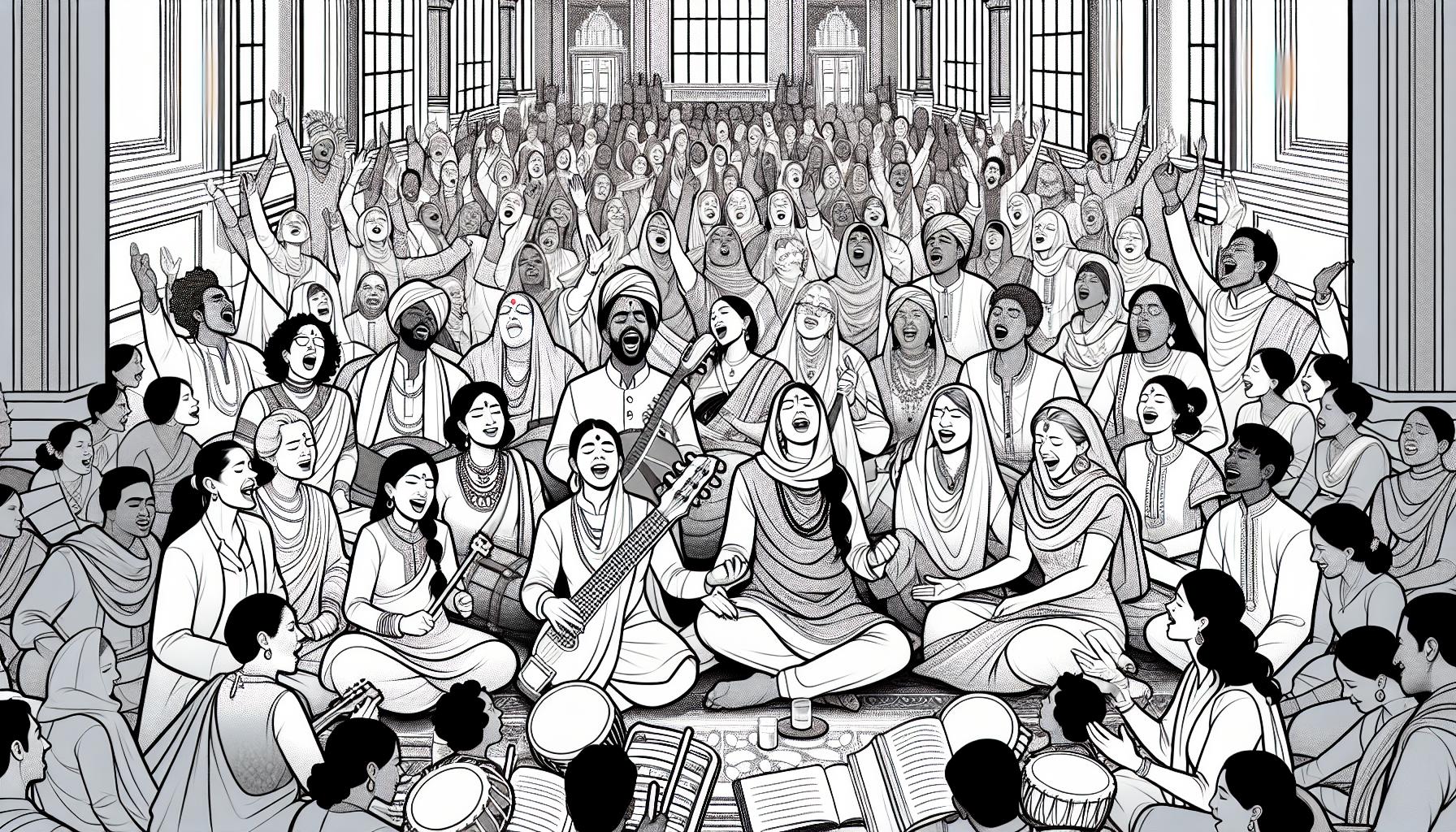
Hindu rituals significantly impact daily life, intertwining spiritual practices with routine activities. They foster a sense of continuity and purpose.
Individual Practices
Daily rituals like “Sandhyavandanam” (prayers at dawn and dusk), “Japa” (recitation of mantras), and “Puja” (worship) play a crucial role in individual spiritual practices. These actions help maintain a disciplined lifestyle and keep one’s mind focused on spiritual goals.
- Sandhyavandanam: Encourages mindfulness and gratitude.
- Japa: Enhances concentration and inner peace.
- Puja: Offers personal connection to deities.
These practices balance the pressures of daily life with spiritual grounding. They offer structured methods for self-reflection and spiritual growth.
Community Gatherings
Rituals like “Kirtan” (devotional singing) and “Yajna” (fire sacrifice) are integral to community gatherings. They foster unity and collective spiritual elevation.
- Kirtan: Promotes communal harmony and spiritual expression.
- Yajna: Unifies participants through shared purpose and devotion.
Festivals like Diwali and Holi strengthen community bonds. These gatherings provide opportunities for collective celebration and reinforce social cohesion within Hindu communities.
Spiritual and Psychological Benefits
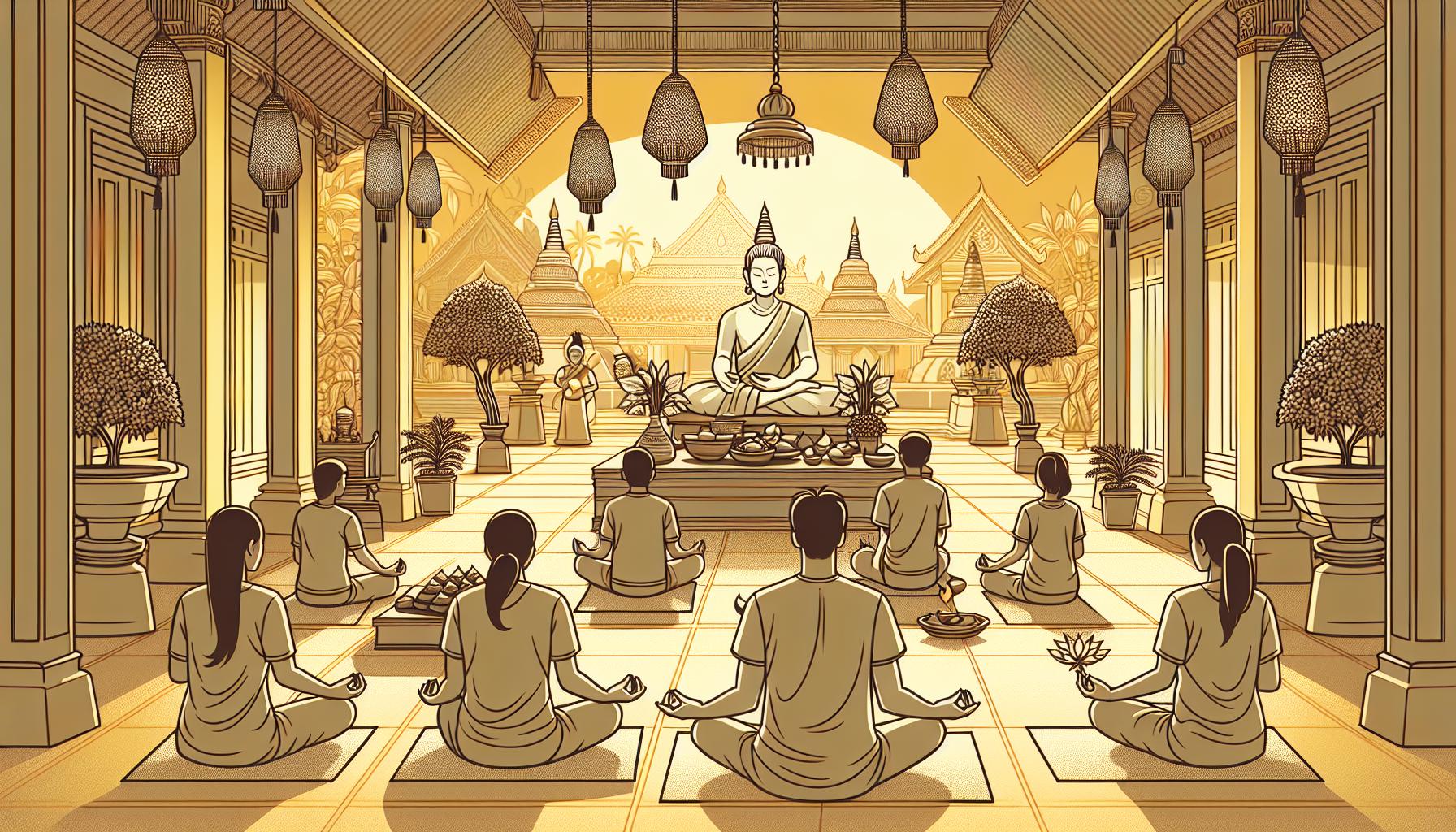
Hindu rituals offer profound spiritual and psychological benefits, intertwining faith with mental well-being. These benefits manifest through various practices and customs.
Connection to Deities
Rituals like “Puja,” “Homa,” and “Abhisheka” create direct connections to deities, enhancing spirituality. These rituals involve offerings, prayers, and chants, fostering a sense of presence with the divine. Participants experience emotional upliftment and a deeper spiritual connection, which establishes a personal bond with gods. For instance, in “Puja,” offerings of flowers and food symbolize devotion and gratitude, reinforcing one’s faith. Such rituals anchor individuals to their spiritual roots, providing a sense of protection and guidance.
Mental Well-being
Engaging in daily rituals like “Japa,” “Meditation,” and “Sandhyavandanam” cultivates mental tranquility and focus. Repetitive chanting in “Japa” stabilizes the mind, encouraging concentration and the reduction of stress. Meditation practices within Hindu rituals promote mindfulness and mental clarity, helping individuals navigate life’s challenges. These activities release endorphins, which enhance mood and overall mental health. Rituals like “Sandhyavandanam,” performed at dawn and dusk, provide structured moments of introspection and renewal, fostering a balanced mental state. These spiritual practices integrate seamlessly into daily routines, promoting sustained mental well-being and resilience.
Sociocultural Significance
Hindu rituals deeply embed themselves into the sociocultural fabric, shaping identities and strengthening community bonds.
Preserving Traditions
Rituals form a bridge connecting current generations to their ancestors. Practices like “Griha Pravesh” (housewarming) and “Upanayana” (sacred thread ceremony) enable cultural continuity through time-honored customs. By adhering to these rituals, I see how communities ensure the retention of collective memory and heritage over centuries.
Festivals, often marked by elaborate rituals, play a crucial role. Diwali, characterized by lighting “Diyas” and performing “Lakshmi Puja,” or Holi, celebrated with colors and “Holika Dahan,” illustrates how these events instill shared values and historical narratives.
Promoting Social Cohesion
Rituals foster social unity by bringing people together. Collective practices, such as community “Pujas,” harvest festivals like “Pongal,” or joint ventures like “Ratha Yatra,” exemplify the shared communal experience. I observe that these activities strengthen inter-personal connections and foster a sense of belonging.
Marriages, significant social events with rituals like “Kanyadaan” and “Saptapadi,” demonstrate unity. They not only unite individuals but also their families, weaving a larger social network. Through participation in these rituals, individuals reinforce communal harmony and solidarity.
To conclude, the sociocultural significance of Hindu rituals manifests in preserving traditions and promoting social cohesion, echoing the depth and richness of Hindu cultural heritage.
Conclusion
Hindu rituals offer a profound connection to one’s heritage and spiritual roots. They’ve evolved over centuries yet retain their core essence reflecting a deep reverence for deities. These rituals play a pivotal role in shaping identities and fostering community bonds. They bridge generations preserving traditions and instilling shared values. From daily practices to grand festivals Hindu rituals enrich lives with meaning and continuity. Their enduring presence highlights the depth and richness of Hindu cultural heritage ensuring its relevance in a rapidly changing world.
Sources & further reading
These themes are explored in greater depth across the following authoritative resources:
- Britannica, Yoga in Hinduism
- Britannica, Puja
- Harvard Pluralism Project, Hindu Practice
- Internet Sacred Text Archive, Yoga Sutras of Patanjali
- Diana L. Eck, Banaras: City of Light (Princeton University Press, 1982)
External resources for further reading. Apam Napat is not affiliated with these publishers; citation does not imply endorsement.
Frequently asked questions
How old are Hindu rituals?
What are Yajnas in Hindu ritual?
How did temple worship develop in Hinduism?
How did the Bhakti movement change Hindu rituals?
Why are Hindu rituals important today?
Based on the classical texts of Hindu mythology, see our sources.