

What fascinates me most is how the Ramayana addresses timeless social issues like justice, loyalty, and the balance of power. Through its intricate plot and moral dilemmas, it offers insights that remain relevant today. Join me as I explore the Ramayana’s enduring influence on social values and its lessons for contemporary life.
Historical Context of the Ramayana
The Ramayana, composed between the 7th and 5th centuries BCE, spans a significant period in ancient Indian history. Extending up to the 3rd century CE, this era witnessed the rise of urban centers, the development of the Vedic tradition, and the emergence of Hinduism as a distinct religious tradition.
Society during this period saw a clear social hierarchy, with kings, nobles, Brahmins, and common people, reflecting the Vedic societal structure. The text places a strong emphasis on duty (dharma), showing how characters adhere to their social roles. For example, Rama’s exile reflects his unwavering commitment to his duty as a son and a prince.
The period also highlights the growing importance of moral values and social order outlined by the Vedic tradition. The Ramayana provides a window into the social, political, and spiritual life of ancient India, illustrating how these values shaped individual behavior and societal norms.
Key Themes in the Ramayana
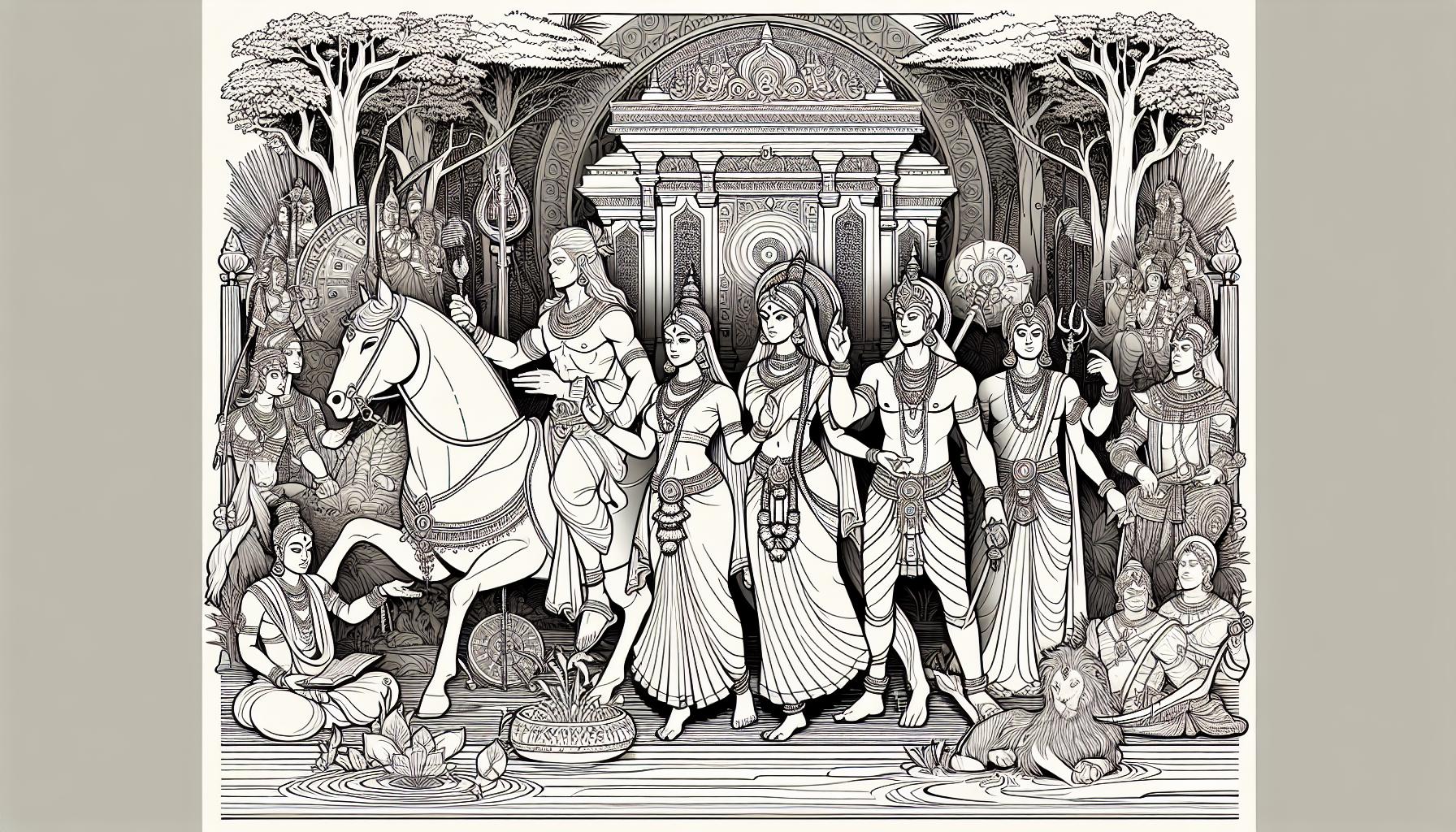
The Ramayana, beyond its captivating narrative, offers profound social insights. It addresses core themes like dharma, duty, sacrifice, and gender roles, which are intrinsically tied to the societal fabric of ancient India.
Dharma
Dharma, central to the Ramayana, represents moral and ethical duties. Rama exemplifies dharma by adhering to his father’s wishes despite personal loss. Sita’s unwavering loyalty during her exile further underscores this theme. Each character’s actions, judged by dharma, shape their destinies. This principle underscores the importance of righteous living and justice.
Duty and Sacrifice
Duty and sacrifice are pivotal in the Ramayana. Rama sacrifices his throne to honor his father’s word. Sita endures hardship in loyalty to her husband. Lakshmana leaves behind personal comforts to support his brother. These acts highlight the virtues of selflessness and commitment to higher principles over personal gain. Such narratives stress the societal value placed on duty and collective well-being.
Gender Roles
Gender roles in the Ramayana reflect ancient societal norms. Sita embodies ideal womanhood with virtues like chastity, obedience, and devotion. Rama portrays the ideal masculine traits of bravery, honor, and leadership. Though traditional, these roles set foundational social expectations. However, characters like Shurpanakha – Sister of Ravana challenge these norms, adding complexity to gender dynamics within the epic.
Social Structures Reflected in the Ramayana
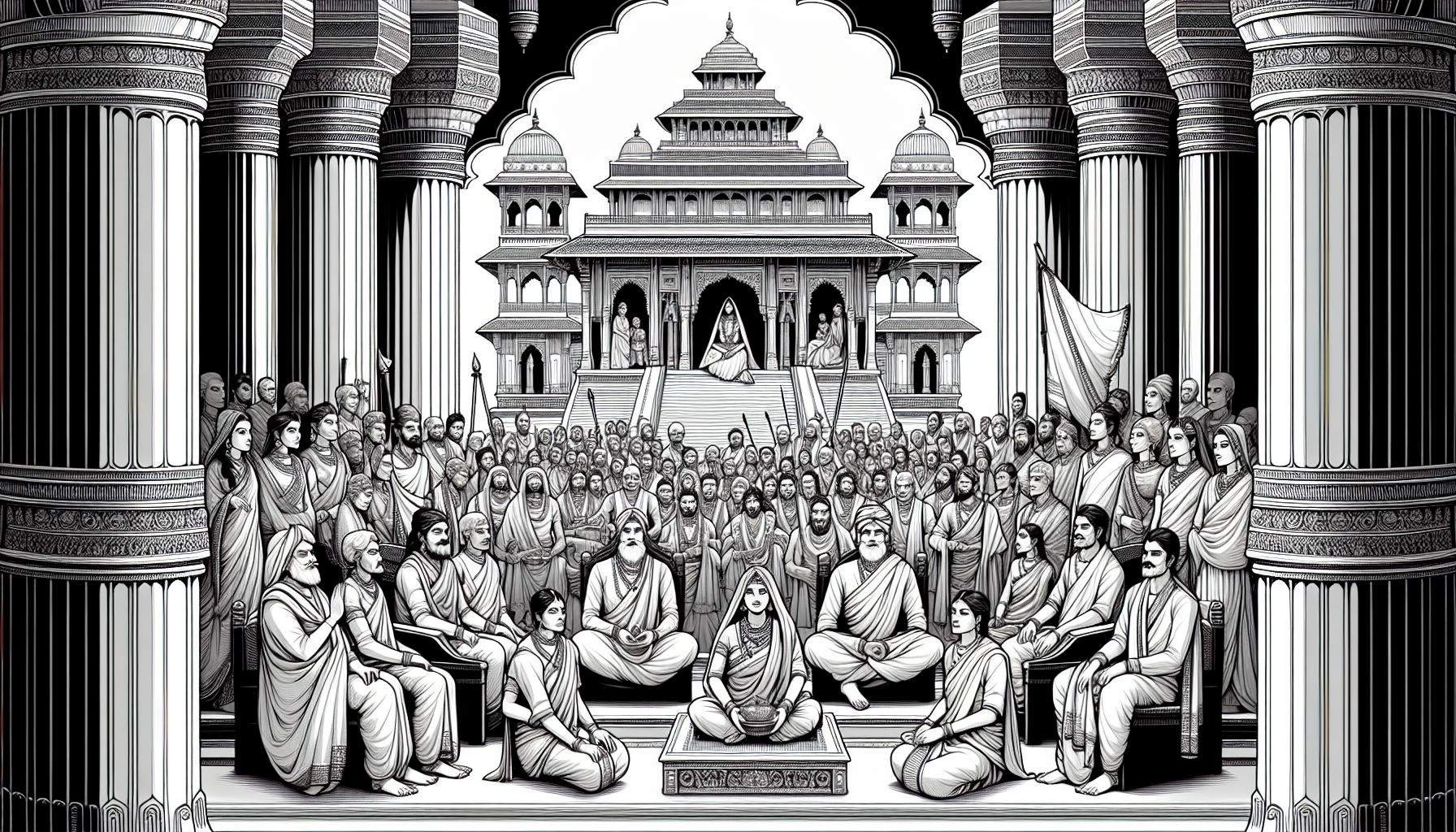
The Ramayana provides profound insights into the social structures of ancient India. This section examines the class and caste system, familial relationships, and political power and leadership showcased in the epic.
Class and Caste System
The Ramayana delves deep into the Hindu caste system, characterized by its complex social hierarchy. The four main castes depicted are:
- Brahmins (Priests): Represented by characters like Vashishta and Vishwamitra – The King Who Became a Great Sage, Brahmins held the highest social rank as spiritual leaders.
- Kshatriyas (Warriors): Characters like Rama and Lakshmana embody the Kshatriya class, dedicated to protection and administration.
- Vaishyas (Merchants): Though not the primary focus, the Vaishya class’s economic role is acknowledged through supporting characters.
- Shudras (Laborers): The Shudras, serving various roles, form the labor backbone of the society depicted.
- Untouchables: The epic subtly references those outside the main castes, highlighting their marginalization.
The class structure’s portrayal in the Ramayana vividly illustrates the significant power and influence of the ruling class, especially kings and nobles like Dasharatha and Janaka.
Familial Relationships
The Ramayana places great emphasis on familial relationships, showcasing various dynamics:
- Parent-Child: Dasharatha’s deep love and tragic separation from Rama highlight the emotional bonds and expectations within families.
- Sibling Bonds: The loyalty and mutual respect between Rama and Lakshmana, and Bharata’s sacrifice demonstrate sibling solidarity and duty.
- Marital Ties: Rama and Sita’s relationship underscores ideals of loyalty and devotion, while Sita’s trial by fire (Agni Pariksha) reflects societal expectations of marital fidelity.
These relationships underscore ancient Indian values of duty, honor, and sacrifice within the family unit.
Political Power and Leadership
Political power and leadership are central themes in the Ramayana:
- Rulers: Rama exemplifies the ideal king, adhering to justice and moral principles, often sacrificing personal happiness for the greater good.
- Advisors: Characters like Vashishta and Vishwamitra play crucial roles as royal advisors, guiding and influencing decisions.
- Alliances: The political narrative includes alliances between kingdoms, such as the friendship between Rama and Sugriva, the Vanara king, exemplifying diplomatic relations.
The epic’s portrayal of leadership serves as a guide for rulers, emphasizing ethical governance and the well-being of subjects.
The Ramayana’s depiction of social structures offers a window into the ethical, familial, and political fabric of ancient Indian society.
Modern Interpretations

Modern readings of the Ramayana reveal diverse insights into contemporary social issues, highlighting its enduring relevance and adaptability.
Feminist Perspectives
Feminist interpretations examine Sita’s character, focusing on her strength and resilience despite traditional gender norms. Sita’s trials, including her abduction by Ravana and subsequent trial by fire, are viewed as reflections of the broader struggles women face in patriarchal societies. Though Sita’s role might seem passive, modern commentators argue she exhibits significant agency, both in her moral decisions and eventual departure from Ayodhya. These interpretations often reframe Sita as a symbol of resistance against patriarchal oppression, suggesting alternative readings that emphasize her autonomy.
Contemporary Relevance
The Ramayana’s themes of duty and morality resonate with modern ethical debates. For instance, Rama’s adherence to dharma and his struggles with conflicting responsibilities mirror today’s discussions about ethical decision-making in leadership. Social justice advocates find parallels in the epic’s examination of societal hierarchies and caste systems, prompting comparisons with current calls for equality and human rights. Additionally, the Ramayana’s familial and community dynamics offer frameworks to address contemporary issues around family and social obligations, showcasing its timeless applicability.
Conclusion
The Ramayana’s rich tapestry of themes and characters offers a profound lens through which we can examine both ancient and modern societal norms. Its exploration of duty, honor, and morality remains relevant today, shedding light on contemporary social issues and ethical debates. Sita’s character, in particular, continues to inspire discussions on gender roles and resistance against patriarchal structures. The epic’s ability to bridge historical context with modern interpretations underscores its timeless relevance. By reflecting on the Ramayana, we gain valuable insights into the complexities of human relationships and societal hierarchies, making it a cornerstone of both cultural heritage and social commentary.
Sources & further reading
These themes are explored in greater depth across the following authoritative resources:
- Internet Sacred Text Archive, Mahabharata (Ganguli translation)
- Internet Sacred Text Archive, Ramayana of Valmiki
- Britannica, Mahabharata
- Britannica, Ramayana
- Bibek Debroy, The Mahabharata (10 vols., Penguin, 2010 to 2014)
External resources for further reading. Apam Napat is not affiliated with these publishers; citation does not imply endorsement.
Frequently asked questions
How is the Ramayana a social commentary?
What social issues does the Ramayana address?
What virtues do Ramayana characters embody?
Why has the Ramayana shaped Indian culture?
Based on the classical texts of Hindu mythology, see our sources.