
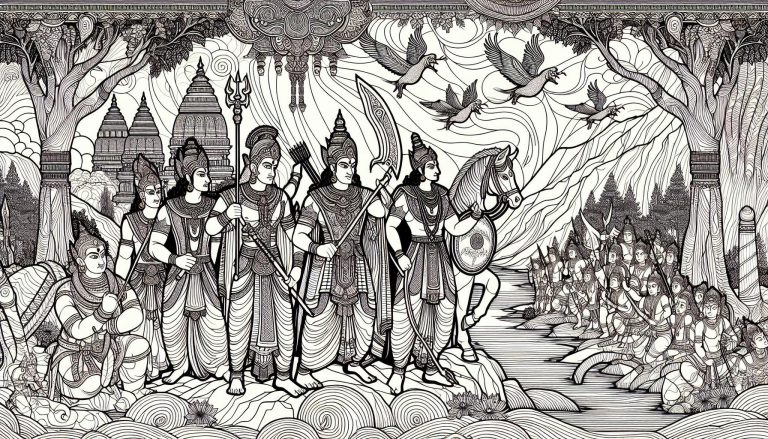
Understanding the mythological origins of the Ramayana offers a fascinating glimpse into the spiritual and historical context of ancient India. From the divine birth of Rama to his epic battle with the demon king Ravana – The Demon King, each element of the story reflects profound truths and universal values. Join me as I explore the origins and enduring legacy of this incredible epic.
Overview Of Ramayana
The Ramayana, an ancient Indian epic, revolves around Prince Rama of Ayodhya. Composed by sage Valmiki – Composer of Ramayana, its 24,000 verses narrate Rama’s journey from his birth to his eventual return to Ayodhya as a king. As the seventh avatar of Vishnu – The Protector, Rama embodies virtue and righteousness.
Central characters include Sita, Rama’s devoted wife, Lakshmana, his loyal brother, and Ravana, the ten-headed demon king of Lanka. Each character represents various aspects of human nature and morality, making the epic relatable across generations.
Key episodes highlight significant events. The exile of Rama, Sita, and Lakshmana to the forest marks the beginning of their trials. Sita’s abduction by Ravana and her subsequent rescue by Rama, with assistance from the monkey god Hanuman, are pivotal moments. The war between Rama and Ravana symbolizes the victory of good over evil.
Themes of duty, loyalty, and honor are woven throughout the epic. The Ramayana also emphasizes dharma (moral order), encouraging individuals to adhere to their duties and responsibilities despite challenges.
Different cultural traditions interpret the Ramayana uniquely. In Southeast Asia, various adaptations exist, reflecting local customs and beliefs. The epic’s influence extends beyond literature, shaping art, dance, and theater.
Many scholars examine the Ramayana’s historical context. Based on linguistic and archaeological evidence, it likely originated during the 4th to 2nd centuries BCE. The epic continues to inspire, offering timeless lessons and moral guidance.
Historical Context Of Ramayana
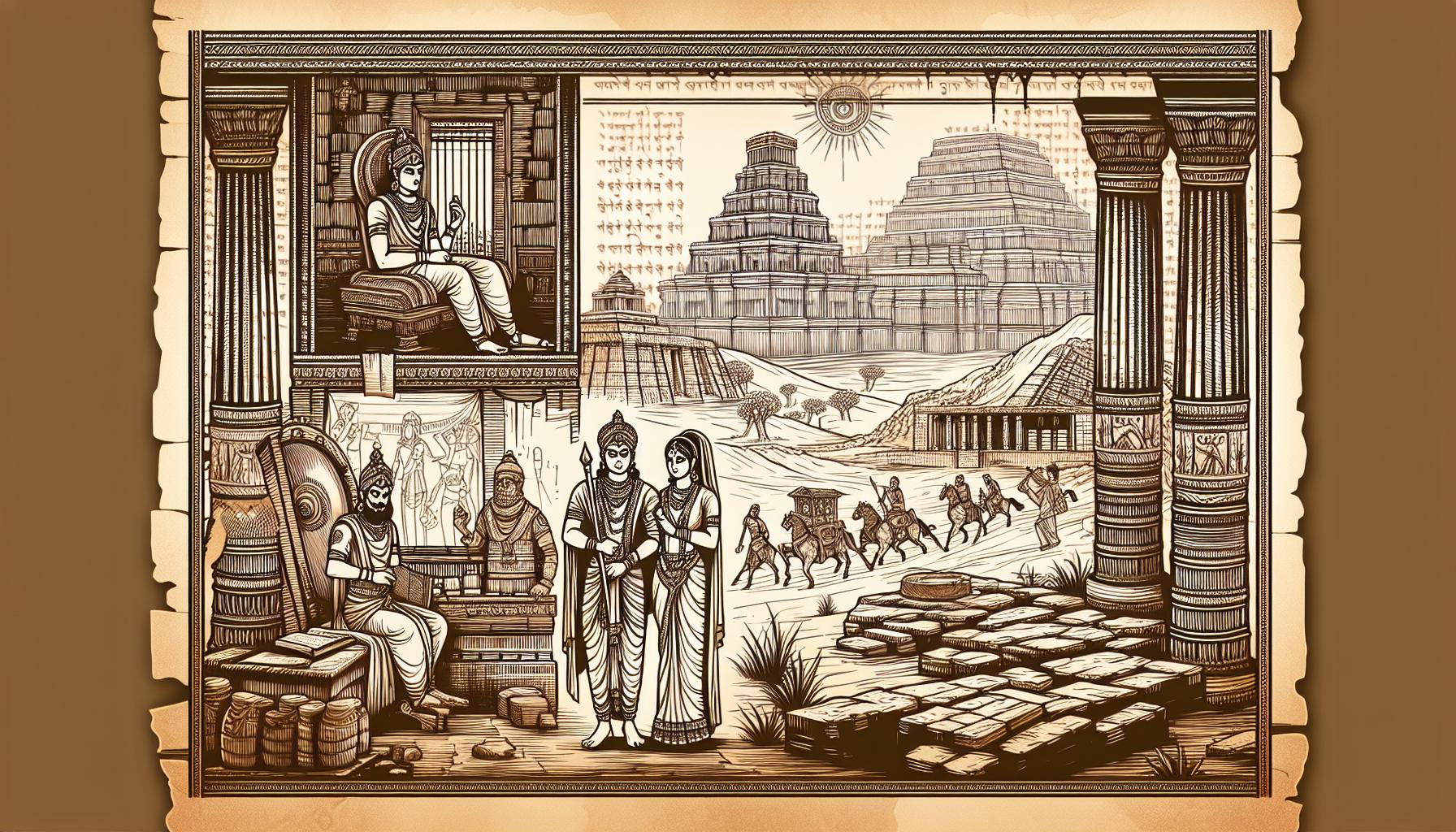
The Ramayana, one of India’s great epic poems, has deep historical roots and a rich background that dates back millennia.
Ancient Textual Sources
The dates for the composition of the Ramayana range from the 7th to 5th centuries BCE, extending to the 3rd century CE. Traditionally attributed to the sage Valmiki, historical accounts suggest he was once a thief named Ratnakara who turned to spirituality. The main narrative follows Rama, Sita, and other key characters, embodying essential virtues and illustrating various facets of human nature. The spread of the Ramayana across many Asian countries, including Burma, Indonesia, and Cambodia, has led to diverse adaptations, maintaining its relevance through centuries.
Archaeological Evidence
Concrete archaeological evidence directly linked to the Ramayana is scarce. However, several Indian sites like Ayodhya, which is believed to be Rama’s birthplace, have historical significance and inspire ongoing exploration. Some related discoveries include ancient fortifications and artifacts supporting its historicity. Interestingly, regions like Lanka (modern-day Sri Lanka) also exhibit traces of the epic’s influence on historical and cultural contexts.
Mythological Significance In Ramayana
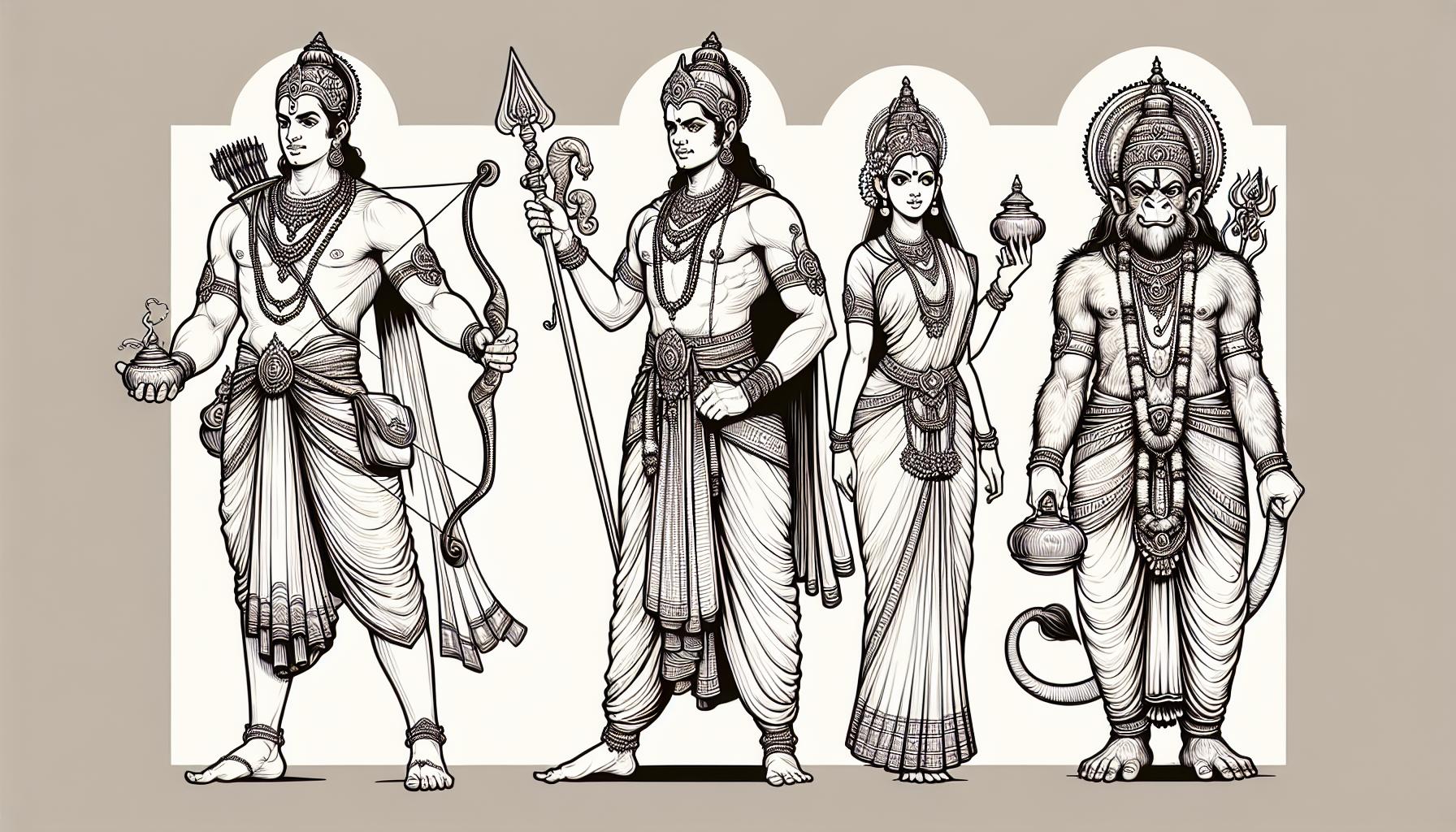
The Ramayana delves deeply into mythological themes, offering insights into ancient Indian culture. It intertwines spirituality with moral values, showcasing unique characters and compelling narratives.
Key Characters And Their Symbolism
Each character in the Ramayana serves a symbolic purpose. Prince Rama represents virtue, righteousness, and the ideal king. Sita symbolizes purity and loyalty, embodying the ideal wife. Lakshmana, Rama’s brother, stands for loyalty and selfless service. Hanuman, the monkey god, represents strength, devotion, and courage. Ravana, the antagonist, symbolizes unchecked ambition, power, and immorality. These characters each provide a lens into human virtues and vices.
Major Themes And Motifs
Dharma, the principle of cosmic order and duty, is central to the Ramayana. Prince Rama’s adherence to dharma in various trials emphasizes its importance. Exile represents the theme of sacrifice and the trials necessary for personal and moral growth. The conflict between Rama and Ravana highlights the battle between good and evil. Honor and loyalty are recurring motifs, as shown by characters like Sita and Lakshmana. The epic also explores the consequences of actions, emphasizing karma. The Ramayana’s rich motifs and themes offer timeless lessons on morality and righteousness.
Cultural Impact Of Ramayana
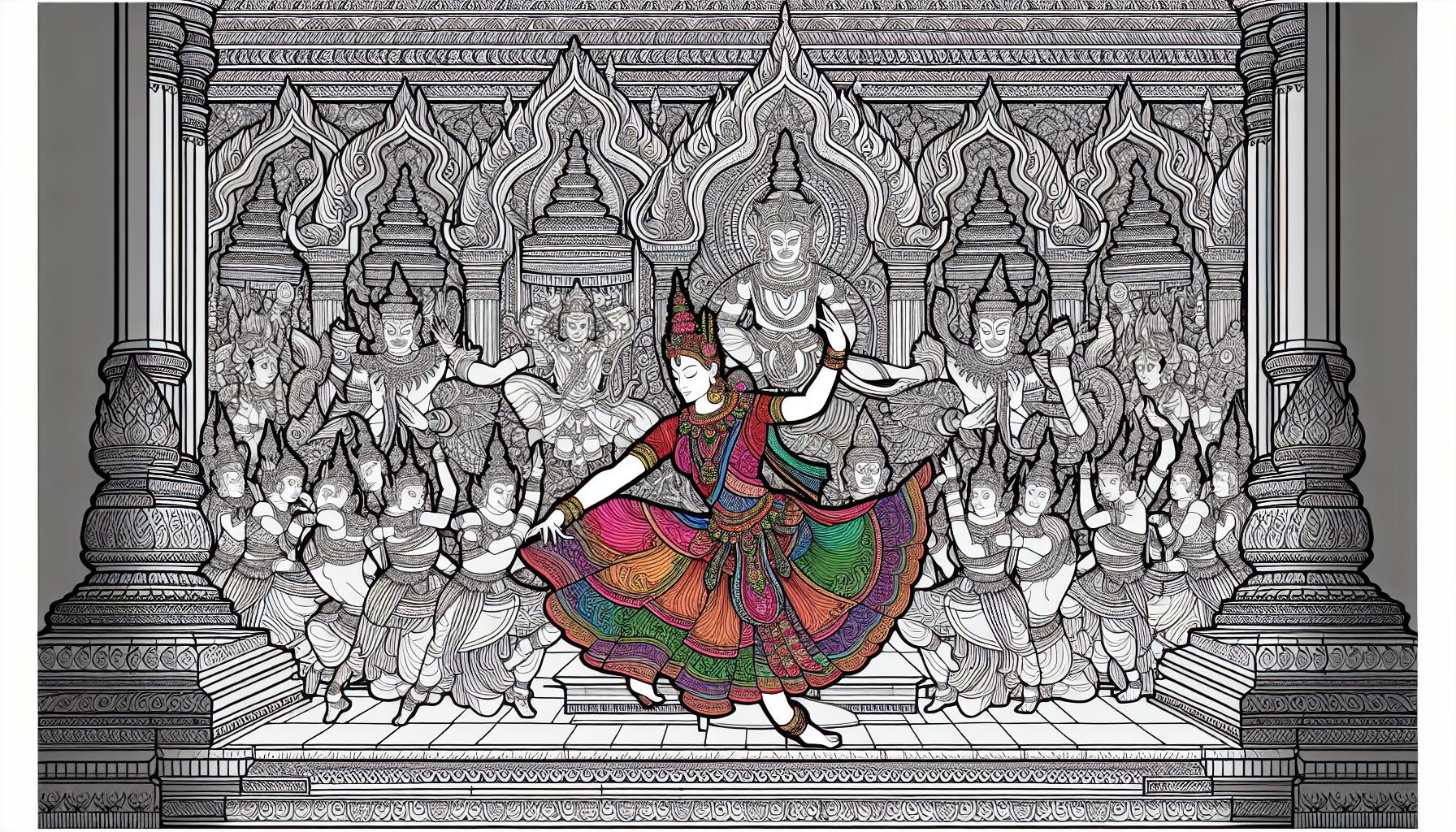
The Ramayana’s profound influence spans literature, arts, and religious practices. It continues to shape cultural landscapes across regions where its stories are revered.
Influence On Literature And Arts
Ramayana has inspired countless literary works and artistic expressions. Classic retellings by authors like Tulsidas in “Ramcharitmanas” provide regional nuances. Modern adaptations include novels and plays, keeping the narrative relevant. Visual arts, such as paintings and sculptures in temples, often depict scenes from the epic. These artworks serve both religious and educational purposes. Traditional dance forms like Kathakali in Kerala and Bharatnatyam in Tamil Nadu also incorporate Ramayana themes, blending storytelling with performance art.
Role In Religious Practices
Ramayana holds a significant place in Hindu religious practices. Recitations of the epic, known as “Ramayana Parayanas”, often occur during festivals like Ram Navami. Rituals and ceremonies celebrate events described in the text, such as the marriage of Rama and Sita. Temples dedicated to Rama and other characters from the epic are central to worship in many communities. Festivals like Diwali symbolize Rama’s return to Ayodhya, marking his triumph over evil forces. These practices keep the mythology alive, reinforcing its moral and spiritual messages.
Scholarly Interpretations Of Ramayana
Scholars have long studied the Ramayana, focusing on its mythological origins and cultural implications. They explore various aspects to understand the epic’s depth and its influence across different eras.
Academic Perspectives
Multiple academic perspectives analyze the Ramayana from different angles. Historians study its composition, considering linguistic and archaeological evidence to trace its origins to the 7th to 5th centuries BCE. Sanskrit scholars dissect Valmiki’s poetic techniques, highlighting the epic’s narrative structure, meter, and stylistic features. Anthropologists examine the epic’s portrayal of societal norms, exploring themes like dharma and the roles of deities and humans. Comparative mythologists connect the Ramayana’s themes with other global mythologies, identifying universal patterns and unique cultural expressions.
Contemporary Views
Contemporary views on the Ramayana reflect its sustained relevance. Modern literary critics assess translations and adaptations, noting how different contexts influence interpretations. Cultural studies experts investigate the Ramayana’s role in current media, looking at films, TV shows, and graphic novels that retell the story in new formats. Social scientists analyze the epic’s impact on contemporary societal norms, focusing on gender roles and ethical values depicted in the stories. These perspectives provide a holistic view of the Ramayana’s ongoing cultural and social significance.
Conclusion
The Ramayana’s mythological origins offer a profound glimpse into ancient Indian culture and spirituality. Its timeless themes of dharma and the battle between good and evil resonate across generations, making it a cornerstone of moral and ethical discourse.
Exploring the epic’s historical context and diverse adaptations highlights its lasting impact on societies throughout Asia. Scholars from various disciplines continue to uncover new layers of meaning, ensuring the Ramayana remains relevant in contemporary discussions.
By understanding the depth and influence of this epic, we gain valuable insights into the enduring power of myth and storytelling in shaping cultural and social norms.
Sources & further reading
These themes are explored in greater depth across the following authoritative resources:
- Internet Sacred Text Archive, Mahabharata (Ganguli translation)
- Internet Sacred Text Archive, Ramayana of Valmiki
- Britannica, Mahabharata
- Britannica, Ramayana
- Bibek Debroy, The Mahabharata (10 vols., Penguin, 2010 to 2014)
External resources for further reading. Apam Napat is not affiliated with these publishers; citation does not imply endorsement.
Based on the classical texts of Hindu mythology, see our sources.