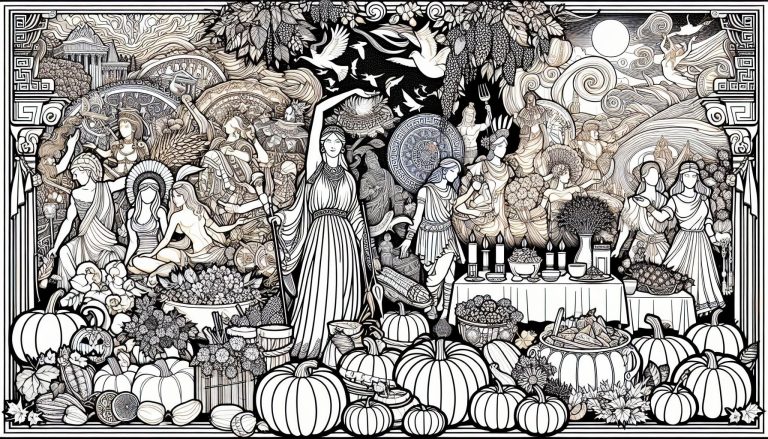
From the harvest festivals honoring gods of agriculture to the winter solstice celebrations marking the return of the sun, each festival carries a rich world of history and meaning. By exploring these mythological origins, we can better appreciate the depth and significance behind our modern-day festivities. So, let’s jump into the enchanting world of myth and uncover the stories that shaped our holidays.
Overview of Festival Origins
Festivals have deep roots in myths and legends. Ancient civilizations celebrated these events to honor deities, mark seasonal changes, and solidify community bonds. For instance, the Greeks worshipped Demeter with the Thesmophoria festival, while the Romans honored Saturn with Saturnalia. Each event carried symbolic meanings, often tied to agricultural cycles or celestial occurrences.
Cultural narratives played a significant role in shaping these festivals. Legends of gods and heroes influenced the structure and rituals of celebrations. In Asia, the Lunar New Year reflects myths involving moon deities and gods of prosperity. Similarly, Diwali in India draws from stories about the victory of light over darkness, as seen in the tales of Lord Rama and Goddess Lakshmi.
Seasonal changes also dictated festival timings. Harvest festivals like Lammas in the UK and Thanksgiving in the US arose from the need to celebrate successful crop yields. Feasts, dances, and other rituals expressed gratitude to the divine. The winter solstice, recognized globally, symbolizes rebirth and renewal, celebrating the return of longer days. Ancient peoples, including the Norse, marked it with festivities such as Yule, venerating the sun’s return.
In Africa, many festivals derive from ancestral veneration. Events like Nigeria’s New Yam Festival honor ancestors and agricultural spirits. These celebrations strengthen community ties and preserve cultural heritage. Traditions involve storytelling, dances, and offering food to the spirits.
Modern festivals continue to echo these ancient origins, combining mythical tales and historical customs. Whether rooted in gratitude, celestial events, or divine worship, each festivity tells a story of human connection to the world and the divine. The mythological backgrounds of these festivals enrich our understanding of contemporary celebrations, linking the past with the present.
Ancient Festival Myths
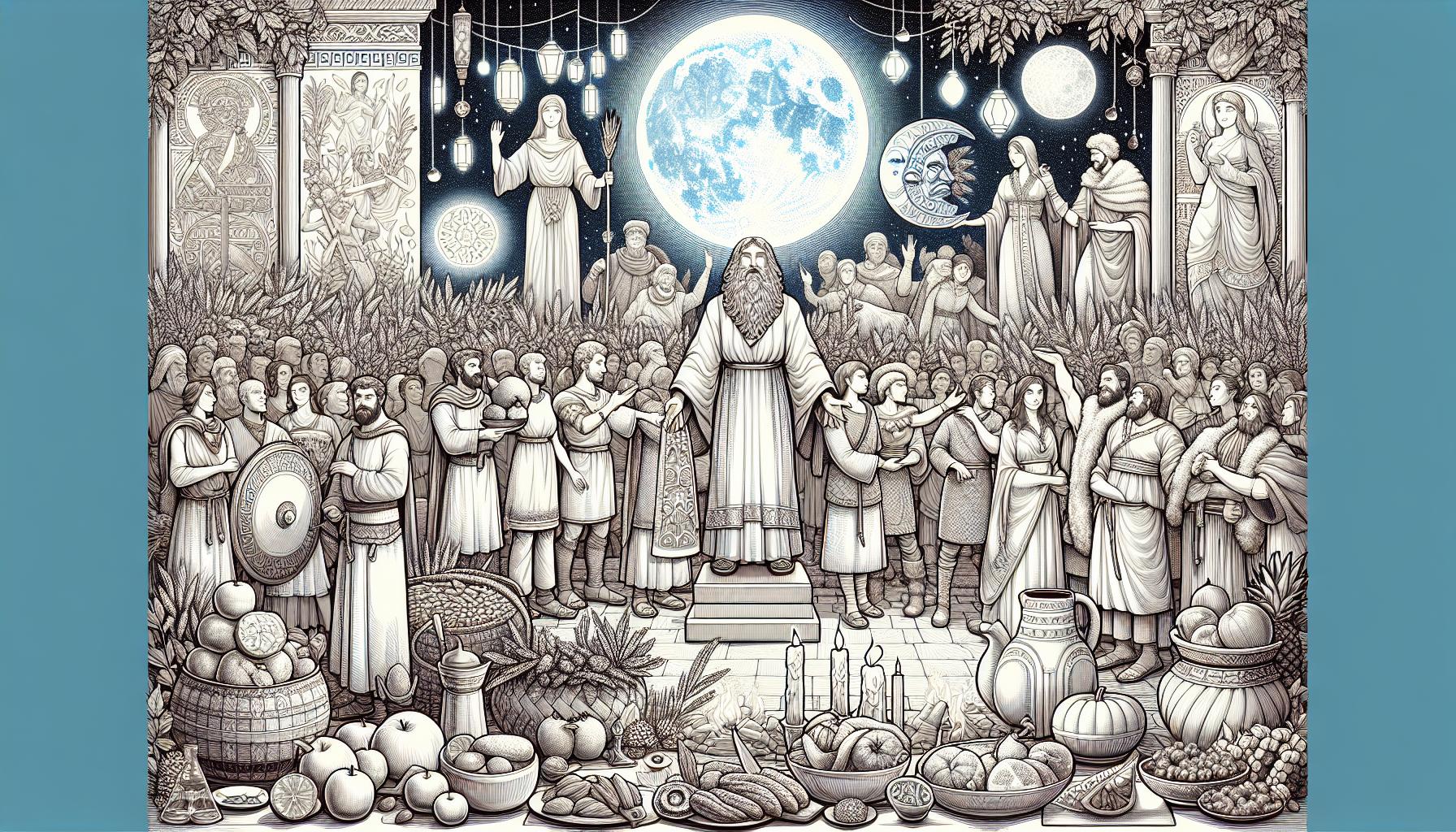
Many modern festivals have roots in ancient myths, blending storytelling with rituals and celebrations.
Harvest Festivals
Ancient civilizations celebrated harvest festivals to honor deities and thank them for bountiful crops. For example, the Greek Thesmophoria honored Demeter, the goddess of agriculture, while the Roman Cerealia paid homage to Ceres, the Roman equivalent. Both festivals involved offerings of grain and fruit, symbolizing gratitude and the cycle of life. In China, the Mid-Autumn Festival celebrated under a full moon, honored Chang’e, the moon goddess, with mooncakes and lanterns. These festivals reinforced the importance of agriculture and community.
Winter Solstice Celebrations
Winter solstice celebrations marked the shortest day and longest night of the year. The Norse celebrated Yule, honoring the rebirth of the sun and paying tribute to their gods. Rituals included lighting Yule logs and feasting, which symbolized warmth and abundance during the cold months. The Roman Saturnalia, dedicated to Saturn, involved gift-giving, feasting, and a temporary reversal of social roles to bring joy and light during darkness. In Persia, Yalda celebrated the triumph of Mithra, the sun god, over darkness by staying awake and eating nuts, fruits, and pomegranates. These solstice celebrations emphasized renewal and hope in anticipation of the sun’s return.
Mythological Figures in Festival Origins
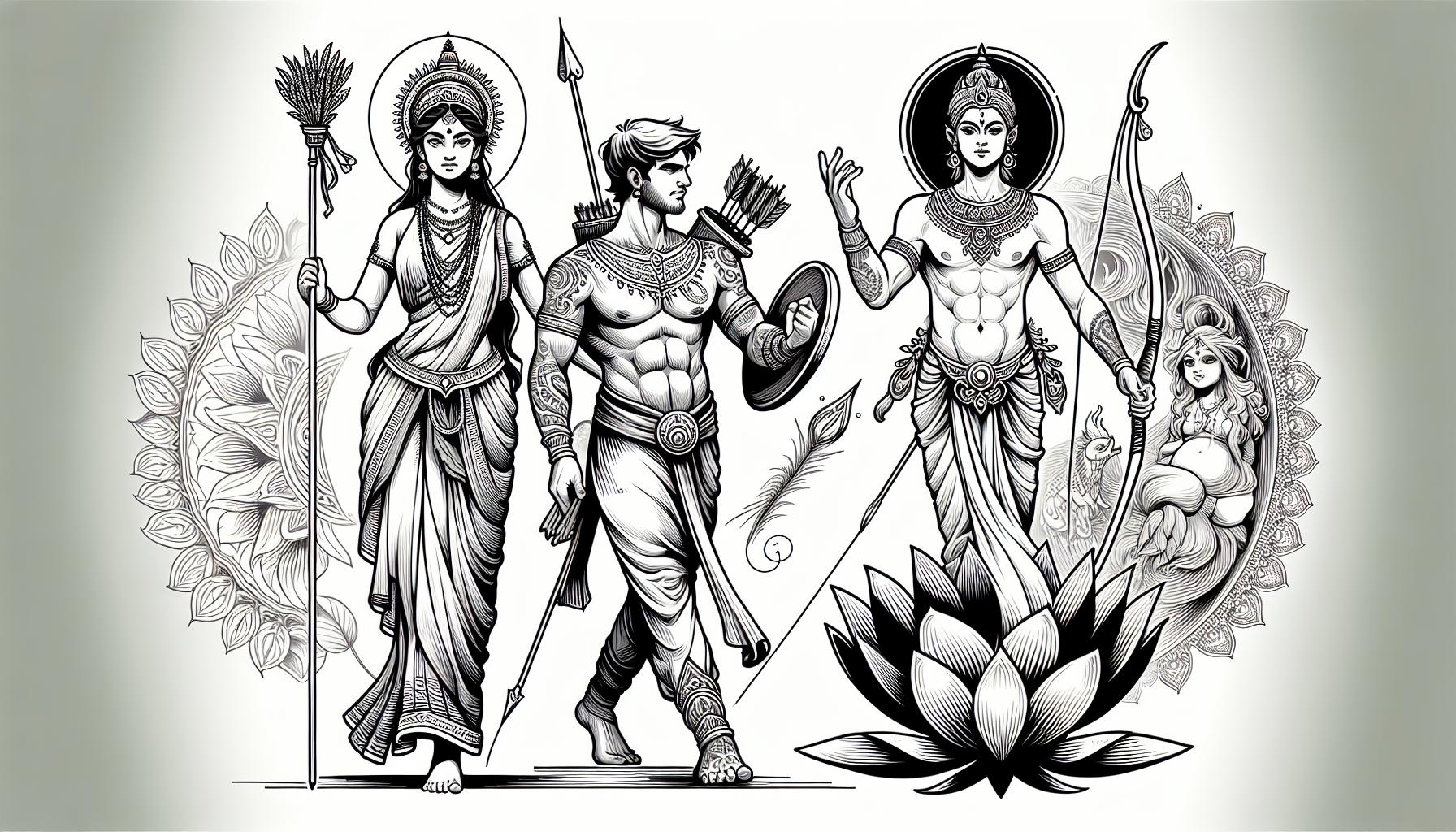
Many festivals trace their roots to mythological figures, from powerful gods to celebrated heroes.
Deities and Demigods
Deities play a key role in the mythology of festival origins. The Greeks honored Demeter during the Thesmophoria, a festival focused on fertility and the agricultural cycle. Such deities represent natural elements and abstract concepts which are central to these celebrations. In Hindu traditions, festivals like Diwali are dedicated to gods such as Lakshmi, symbolizing prosperity and light. Festivals often serve as a means for communities to seek blessings, express gratitude, or mark significant mythological events involving these divine figures.
Legendary Heroes
Celebrations also revolve around legendary heroes whose tales inspire and educate. The ancient Irish festival of Samhain features figures like Cú Chulainn, whose heroic deeds and tragic fate are recalled during the celebrations. In Hindu mythology, the festival of Dussehra commemorates Lord Rama’s victory over the demon king Ravana – The Demon King, emphasizing the triumph of good over evil. These stories, embedded in cultural memories, encourage moral teachings and communal coherence, forming an essential part of festival traditions.
Regional Mythologies and Festival Origins
Greek and Roman Traditions
Many Greek and Roman festivals stem directly from ancient myths. Greeks celebrated Thesmophoria to honor Demeter, the goddess of agriculture. The festival aimed to ensure a successful harvest through rituals and offerings. In Rome, Saturnalia commemorated Saturn, the god of wealth and agriculture. During this week-long event, social norms were reversed, and slaves were allowed temporary freedom. Both festivals highlight the link between mythological figures and agricultural cycles.
Asian Festivals and Myths
In Asia, festivals often have deep mythological roots. Diwali in India honors Lakshmi, the goddess of wealth, symbolizing the victory of light over darkness. The Lunar New Year in China has its origins in the myth of Nian, a beast that terrorized villages. Fireworks and red decorations are used to scare it away. Many Japanese festivals, like Obon, celebrate ancestral spirits and emphasize the connection between the living and the deceased. These festivals illustrate how myths shape cultural practices and communal values.
Native American Legends
Native American festivals frequently celebrate legendary figures and natural elements. The Hopi tribe’s Soyal ceremony marks the winter solstice and aims to bring the sun back from its long journey. This ceremony invokes Kachina spirits to ensure harmony and balance. The Green Corn Festival among the Iroquois commemorates the corn harvest and honors the Earth’s abundance. Stories of mythical heroes and spirits are integral, reflecting the tribes’ reverence for nature and ancestral traditions.
The Evolution of Festival Mythology
The mythology behind festivals has evolved considerably over centuries, reflecting the changing values of societies. Many festivals that originated in ancient myths have adapted to new cultural contexts while preserving their core narratives.
Influence of Christianity
Christianity’s rise significantly influenced festival mythology. The church often incorporated pagan festivals to ease conversion. For example, Christmas, celebrated on December 25, aligns with the Roman pagan festival of Saturnalia and the birthday of the sun god, Sol Invictus. Similarly, Easter’s timing and symbols, including eggs and rabbits, have roots in pagan spring festivals honoring fertility deities like Eostre.
Modern Interpretations
Modern interpretations of festivals often blend ancient myths with contemporary culture. Halloween, derived from the Celtic Samhain, now includes elements from Christian All Hallows’ Eve and secular traditions. Diwali, the Hindu festival of lights, while retaining its mythological basis of celebrating Lord Rama’s return, now also emphasizes family gatherings and the exchange of gifts, similar to Christmas in the West. These adaptations allow festivals to remain relevant and meaningful in today’s society.
Conclusion
Exploring the mythology behind festival origins reveals a fascinating world of cultural heritage and human creativity. These ancient celebrations, deeply rooted in mythological narratives, continue to evolve while preserving their essence. By understanding the stories and symbols that shaped these festivals, we gain a greater appreciation for their significance. Whether it’s honoring gods and heroes or marking seasonal changes, the myths behind these traditions offer timeless lessons and connections to our shared past. As modern society embraces these festivals, blending old and new, we ensure their relevance and keep the spirit of these ancient stories alive.
Sources & further reading
These themes are explored in greater depth across the following authoritative resources:
- Britannica, Yoga in Hinduism
- Britannica, Puja
- Harvard Pluralism Project, Hindu Practice
- Internet Sacred Text Archive, Yoga Sutras of Patanjali
- Diana L. Eck, Banaras: City of Light (Princeton University Press, 1982)
External resources for further reading. Apam Napat is not affiliated with these publishers; citation does not imply endorsement.
Based on the classical texts of Hindu mythology, see our sources.