
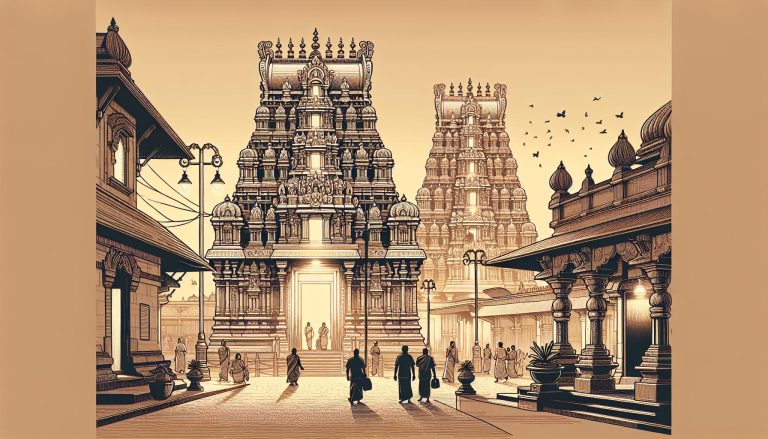
The gentle glow of lamps and candles creates a serene atmosphere, inviting worshippers to connect with their inner selves. Proper lighting can highlight architectural details, enhance the beauty of idols, and make the entire space feel more sacred. Let’s delve into why temple lighting holds such significance and how it shapes our spiritual journeys.
Historical Significance of Temple Lighting
Temple lighting holds historical importance across various cultures. Ancient civilizations like the Egyptians, Greeks, and Romans used lighting in temples for both practical and symbolic purposes. These lights often represented divine presence and were integral to rituals.
In Hindu temples, oil lamps or diyas have been used for thousands of years. Lighting a diya signifies the triumph of light over darkness, knowledge over ignorance. Historically, temples served as central community places, and the act of lighting a lamp was a collective gesture of devotion.
In Buddhist traditions, the lighting of lamps symbolizes the dispelling of darkness and ignorance. Historical texts describe rituals where hundreds of lamps were lit to honor the Buddha and seek his blessings.
Medieval European churches also adopted intricate lighting practices. Large chandeliers, candles, and lanterns illuminated massive cathedrals, creating a heavenly ambiance that inspired awe and reverence. Moreover, lighting highlighted sacred icons and scriptures.
The historical practice of temple lighting across cultures and religions underscores its universal spiritual resonance.
Symbolism in Temple Lighting

Temple lighting embodies rich symbolism, blending spiritual, aesthetic, and cultural dimensions.
Spiritual Meaning
Temple lighting transcends mere illumination, representing divine presence and guiding spiritual journeys. Hindus light diyas during Diwali to symbolize the victory of light over darkness and knowledge over ignorance. Buddhists light candles to honor Buddha’s teachings and achieve inner peace. Christian traditions, like lighting votive candles, signify prayers and wishes reaching the divine. Each temple uses lighting to manifest divine energy, creating a profound connection with the sacred.
Aesthetic Value
Temple lighting enhances the visual experience, transforming sacred spaces into sanctuaries of serenity and beauty. Intricate patterns and designs, such as those seen in Hindu rangoli or Islamic lanterns, showcase cultural artistry and devotion. In Japanese temples, soft, ambient lighting accentuates the simplicity and calmness of the Zen aesthetic. Architectural details, highlighted by strategic lighting, evoke awe and reverence. The aesthetic appeal of temple lighting not only elevates the spiritual ambiance but also preserves and promotes cultural heritage.
Types of Temple Lighting
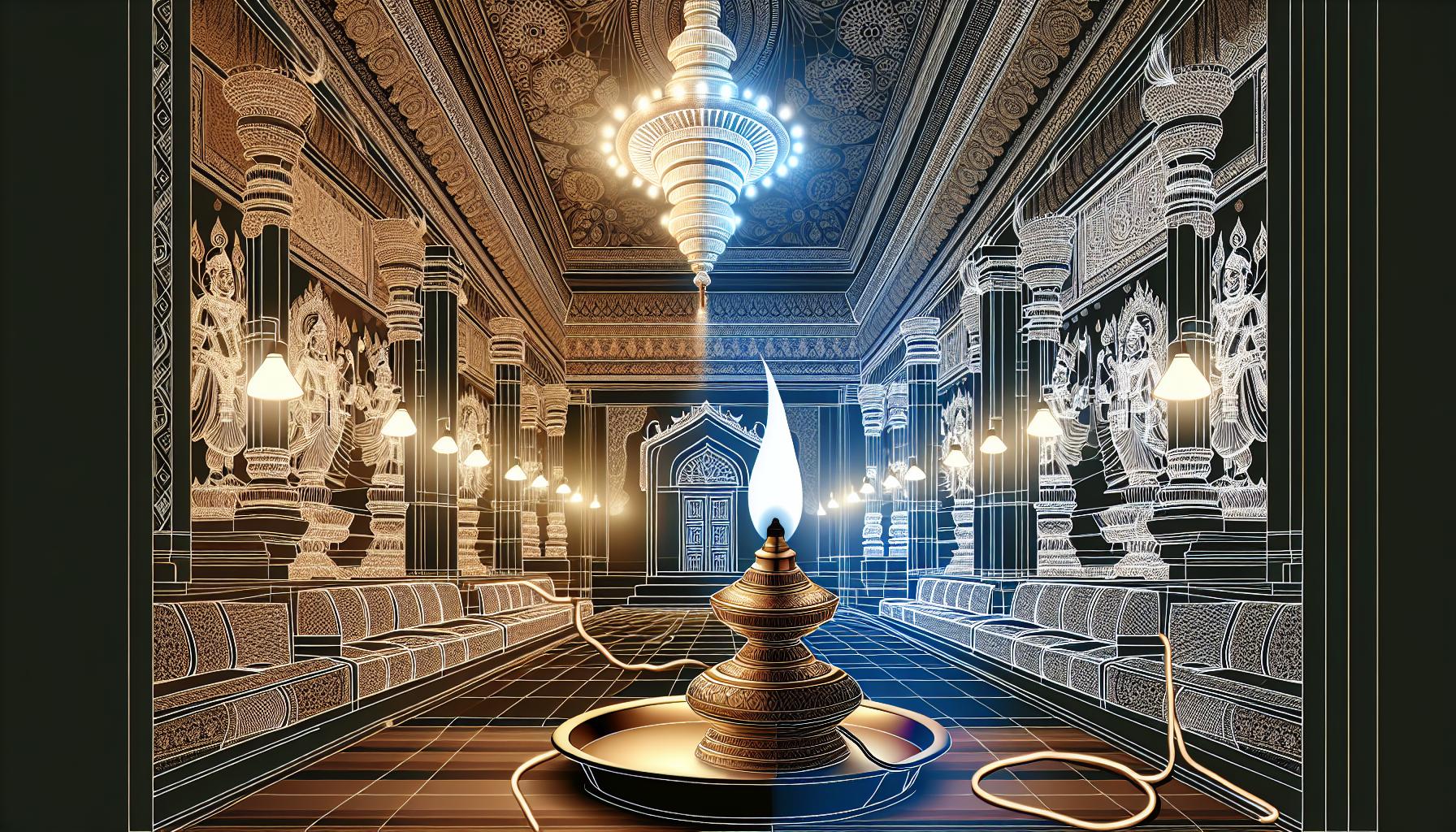
Temple lighting can be categorized into traditional and modern systems, each bringing unique aesthetics and significance to sacred spaces.
Traditional Lamps and Candles
Traditional lamps and candles have been central to temple lighting for centuries. In Hindu temples, brass or clay oil lamps (deepam) and ghee lamps are lit daily as part of rituals. Buddhists use butter lamps, often placed in rows, signifying enlightenment. Christian churches often light votive candles representing prayers or intentions. This category of lighting is cherished for its warm, flickering glow, which adds a serene atmosphere to temples.
Modern Lighting Solutions
Modern lighting solutions enhance the temple’s ambiance using advanced technology. LED lights, programmed to change colors, create dynamic effects for festivals and ceremonies. Fiber optic systems highlight intricate carvings and architectural details, offering a blend of aesthetics and functionality. Solar-powered lighting is gaining popularity for its sustainability, providing temples with eco-friendly illumination. These contemporary methods ensure temples maintain their spiritual vibrancy while embracing technological advancements.
Benefits of Proper Temple Lighting

Proper temple lighting offers numerous benefits. It’s essential for enhancing the spiritual experience and improving safety and accessibility within the temple premises.
Enhancing Spiritual Experience
Proper lighting enriches the spiritual atmosphere. Soft, warm lighting from traditional lamps, like oil lamps and candles, helps create a serene environment. This lighting fosters contemplation and prayer by providing a calming, focused ambiance. In modern setups, sophisticated lighting solutions, such as LED lights and fiber optic systems, can be adjusted to highlight specific architectural features, deities, or ritual areas, drawing attention to sacred spaces and enhancing the overall spiritual experience.
Improving Safety and Accessibility
Adequate temple lighting ensures safety and accessibility. Well-lit pathways and entrances prevent accidents and make movement easier for visitors of all ages. Modern lighting systems, especially LED and solar-powered lights, offer consistent illumination, reducing dark spots and enhancing visibility. Additionally, these systems can be programmed to adjust brightness according to the time of day or the specific needs of rituals and ceremonies, ensuring that the temple remains welcoming and safe for everyone.
By focusing on the spiritual experience and safety implications, proper temple lighting creates an environment that is both spiritually enriching and practically beneficial.
Case Studies of Effective Temple Lighting
Hindu Temples in Tamilnadu, India
A study on natural light in Hindu temples in Tamilnadu, India, between the 7th and 17th centuries AD, highlights the significance of natural light in creating a holy atmosphere. The research analyzed three temples: the Shore Temple at Mahabalipuram, the Brihadeshvara Temple at Tanjore, and the Meenakshi-Sundareshwara Temple at Madurai. Despite differences in building size and techniques, the quality of light inside the structures remained consistent, adhering to Hindu religious requirements for light.
Famous Temples and Their Lighting Systems
Effective lighting systems in famous temples showcase the thoughtful integration of light into sacred spaces. The Shore Temple in Mahabalipuram, built in the 8th century AD, skillfully uses natural light, with its east-facing entrance designed to allow morning sunlight to illuminate the main deity. The Brihadeshvara Temple in Tanjore, constructed in the 11th century AD, employs a combination of natural light and fire-based lighting, enhancing the temple’s monumental architecture. In the Meenakshi-Sundareshwara Temple at Madurai, built in the 13th century AD, intricate lighting arrangements ensure that the sacred areas are well-lit, highlighting religious symbols and statues.
Lessons Learned from Various Traditions
Analysis of lighting in these temples reveals several key lessons:
- Integration of Natural Light: Successful temple lighting often integrates natural light to create a divine atmosphere. For example, east-facing entrances in Hindu temples exploit the natural sunrise.
- Consistency in Lighting Quality: Despite differences in architecture, maintaining a consistent light quality enhances the spiritual experience. The Brihadeshvara and Meenakshi-Sundareshwara Temples exemplify this principle.
- Focus on Religious Requirements: Effective lighting respects and aligns with religious guidelines. All three studied temples in Tamilnadu ensure that light serves both architectural and spiritual functions.
These case studies underscore the bridging role of temple lighting between architectural beauty and spiritual sanctity.
Conclusion
Temple lighting isn’t just about illuminating spaces; it’s about creating an atmosphere that enhances spiritual experiences and connects worshippers with the divine. From traditional oil lamps to advanced LED systems, effective lighting transforms temples into sanctuaries of peace and reflection. The lessons from Hindu temples in Tamilnadu showcase the importance of integrating natural light and maintaining consistency in lighting quality. Proper temple lighting bridges the gap between architectural beauty and spiritual sanctity, ensuring that these sacred spaces remain inviting and reverent for all who enter.
Sources & further reading
These themes are explored in greater depth across the following authoritative resources:
- Britannica, Hindu Temple Architecture
- Met Museum, Hinduism in the Arts
- Britannica, Iconography
- Stella Kramrisch, The Hindu Temple (Motilal Banarsidass, 1946)
- Heinrich Zimmer, Myths and Symbols in Indian Art and Civilization (Princeton University Press, 1946)
External resources for further reading. Apam Napat is not affiliated with these publishers; citation does not imply endorsement.
Frequently asked questions
Why is temple lighting historically significant?
What does lighting a diya symbolize in Hindu temples?
How is lighting used in Buddhist traditions?
How was lighting used in medieval European churches?
Why do Hindus light diyas during Diwali?
Based on the classical texts of Hindu mythology, see our sources.