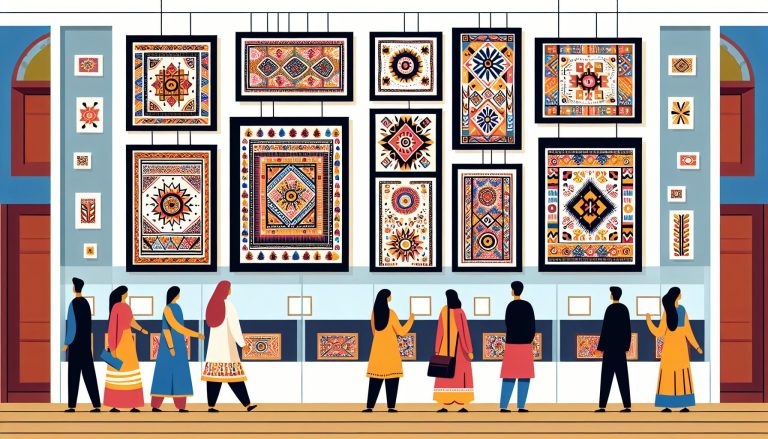
What fascinates me most is how these art forms are more than just decorative pieces; they’re a living history. They reflect the diverse traditions and beliefs of India’s vast world, making each piece a window into a different world. Whether it’s the bold hues of Pattachitra or the delicate lines of Kalamkari, Indian folk art remains a testament to the country’s rich cultural heritage.
The Rich History Of Indian Folk Art Traditions
Indian folk art traditions boast a vibrant history stretching back centuries. These art forms often trace their origins to ancient times, where they evolved as a means of storytelling and cultural expression. Many of these traditions, like the Madhubani paintings, arose in regions such as Bihar more than 2500 years ago. Madhubani art features intricate designs created using twigs, fingers, and natural dyes.
Regional variations of folk art reflect the diversity of Indian culture. For instance, Warli art from Maharashtra dates back to 3000 BCE and uses geometric shapes to depict village life. This style employs simple materials like rice paste on mud walls, symbolizing the tribe’s connection to the earth and nature.
Religious themes frequently appear in Indian folk art. Pattachitra paintings from Odisha illustrate tales of Hindu gods and goddesses on cloth or dried palm leaves. This tradition dates back to the 12th century and uses a refined, almost divine aesthetic. Similarly, the Bhil painting tradition in central India fuses spirituality with daily activities, using bright colors and dotted patterns to create captivating visuals.
Indian folk art traditions also embrace social narratives and everyday experiences. Gond art, originating from Madhya Pradesh, represents flora, fauna, and village life. These paintings, made with natural colors and unique dots and dashes, often serve as a pictorial chronicle of community history.
Many of these folk arts, while ancient, continue to thrive in contemporary times. Artisans often pass techniques and stories down through generations, ensuring the preservation and perpetuation of their cultural heritage. The resilience of these traditions highlights a living history that continues to enrich and inspire the Indian cultural world. Indian folk art traditions, deeply connected to the country’s diverse history and culture, remain a testament to the enduring nature of creativity and expression.
Major Indian Folk Art Traditions
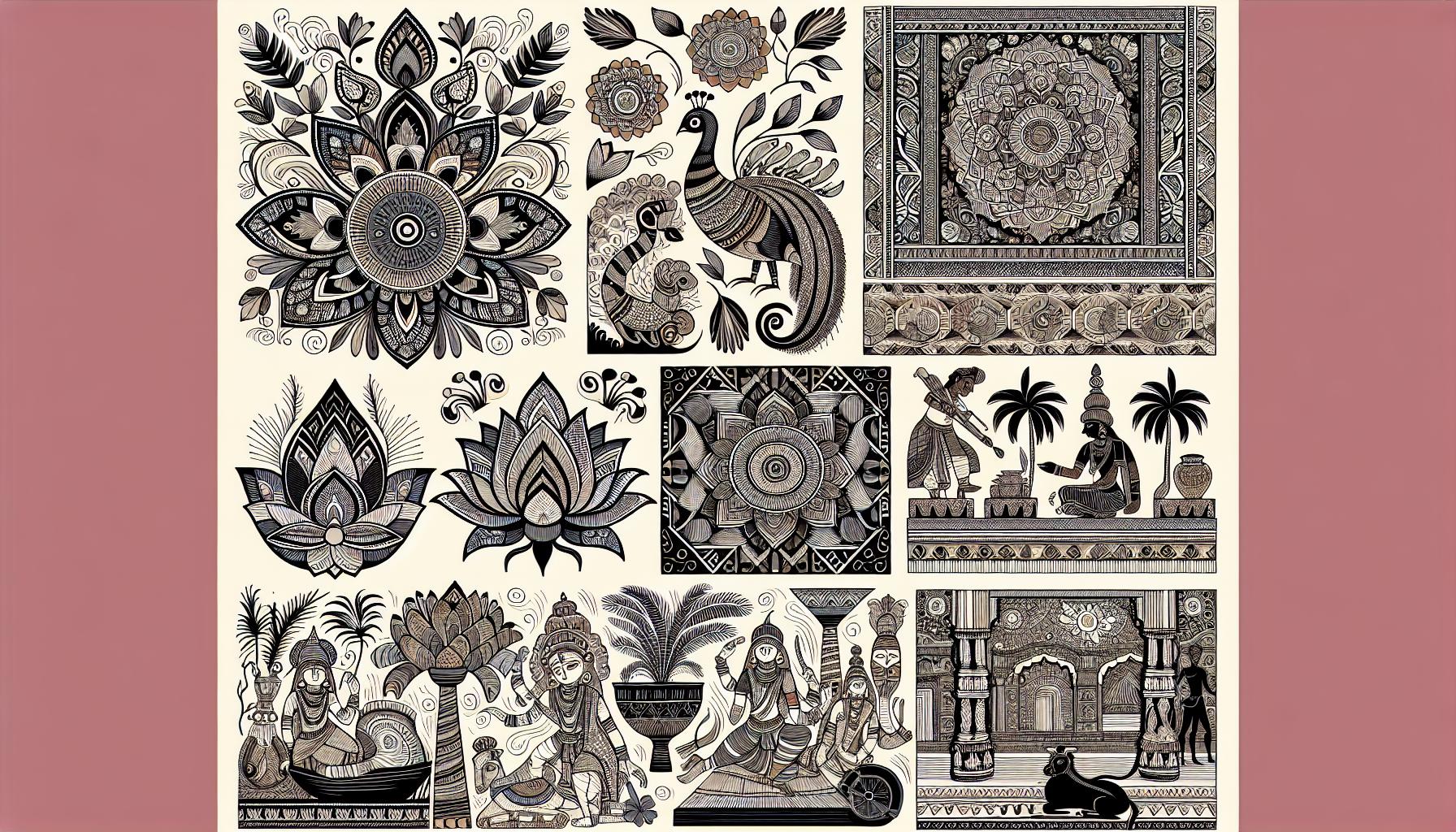
Indian folk art traditions encapsulate the vibrant cultural heritage of the country. Each art form, unique in style and origin, narrates stories of mythology, daily life, and nature.
Madhubani Painting
Madhubani painting, originating in the Mithila region of Bihar, displays intricate designs and vivid colors. Artists often depict scenes from Hindu mythology, nature, and everyday life. Motifs include the lotus flower, peacock, and fish. Natural pigments and dyes, along with twigs and bamboo-made brushes, contribute to its distinctive look.
Warli Art
Warli art, practiced by the Warli tribe in Maharashtra, features basic geometric forms like squares, triangles, and circles. Paintings typically represent farming, hunting, and tribal rituals. These simple shapes tell complex stories of ordinary life, reflecting the tribe’s deep connection to nature and community.
Pattachitra
Pattachitra, hailing from Odisha, stands out for its rich color, creative motifs, and depiction of religious themes. Artists usually paint on cloth or dried palm leaves, and subjects often include Hindu deities and mythological narratives. This art form uses natural dyes, and the process involves preparing the canvas with a mixture of chalk and gum.
Pithora Art
Pithora art, created by the Rathwa and Bhilala tribes of Gujarat and Madhya Pradesh, is marked by vibrant colors and ritual significance. Paintings usually cover walls and convey blessings, prosperity, and social events. Artists use natural pigments, and the themes often include creation myths and tribal deities.
Regional Variations In Indian Folk Art
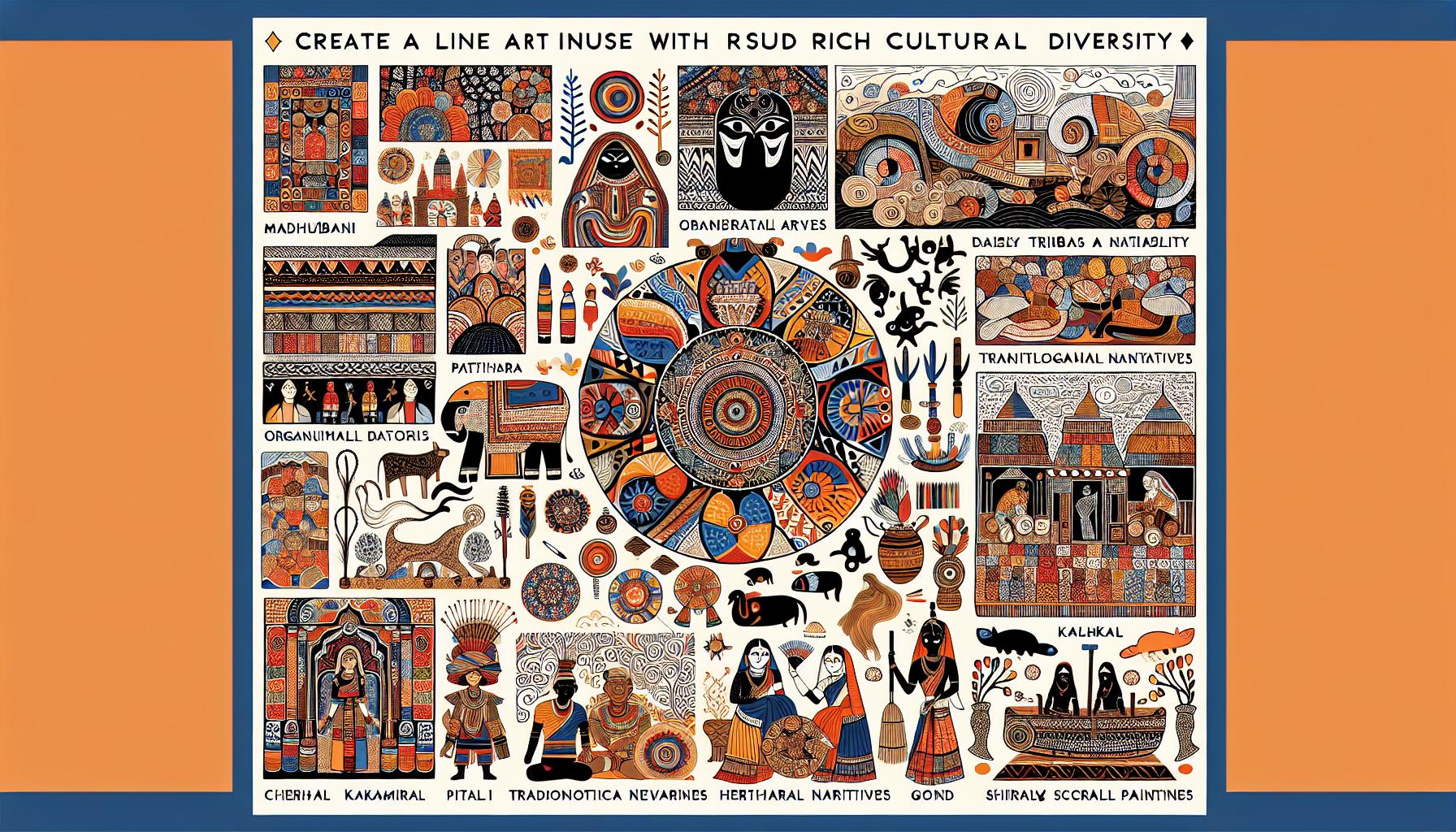
Indian folk art exhibits regional diversity, with each state and community showcasing unique styles and traditions.
Madhubani Paintings
Madhubani paintings, originating from Bihar, use natural dyes and pigments. Artists use fingers, twigs, brushes, and even matchsticks to create intricate designs. Common themes include mythological figures, nature, and folklore scenes.
Warli Art
Warli art, practiced by the Warli tribe in Maharashtra, uses basic geometric shapes to depict daily activities, animals, and festivals. Artists create these paintings on mud walls with white rice paste, typically during rituals and celebrations.
Pattachitra
Pattachitra, a traditional painting style from Odisha, involves canvas painting with intricate details. Common subjects include Hindu deities, especially in scenes related to Lord Jagannath, and vibrant colors dominate the art form.
Pithora Art
Pithora art, predominant in Gujarat and Madhya Pradesh, is a ritualistic art form. Artists from the Rathwa community create these murals, usually on the walls of their homes, to celebrate significant events and invoke blessings. Pithora paintings employ bold colors and depict gods, animals, and nature.
Kalamkari
Kalamkari, practiced in Andhra Pradesh and Telangana, involves hand-painting or block-printing on fabric. Artists use natural dyes to create motifs of gods, goddesses, and epic tales from Hindu mythology. The intricate detailing and earthy tones define this art form.
Gond Art
Gond art, from the Gond tribal community in Madhya Pradesh, features intricate patterns and vibrant colors. Artists use dots and lines to create images of flora, fauna, and scenes from folklore. The art form is deeply connected with the community’s beliefs and rituals.
Cheriyal Scroll Paintings
Cheriyal scroll paintings from Telangana narrate stories in a series of panels. Artists use natural materials to create these long scrolls, often illustrating scenes from epics like the Ramayana – Epic of Hinduism and Mahabharata – The Great Epic. Bright colors and robust figures characterize this art style.
Phad Paintings
Phad paintings from Rajasthan are narratives on long cloth scrolls. Artists depict folk deities such as Pabuji and Devnarayan through detailed compositions. This art form uses a limited color palette and is performed alongside traditional storytelling.
These regional variations highlight the diversity and richness of Indian folk art. Each art form carries distinct techniques, themes, and cultural significances, showcasing the country’s extensive artistic heritage.
Significance And Symbolism

Indian folk art traditions carry deep significance and rich symbolism, reflected in their intricate designs and vibrant colors. They embody the cultural identity and religious beliefs of the communities that create them.
Cultural Identity
Folk art forms like Madhubani and Warli serve as expressions of cultural identity for the regions they originate from. Madhubani paintings, with their distinct geometric patterns, illustrate stories from Ramayana and Mahabharata. Warli art uses simple lines and dots to depict social life and nature. These art forms preserve local customs, practices, and history through visual storytelling, acting as cultural documentation.
Religious Significance
Many Indian folk art traditions draw heavily from religious symbolism. Pattachitra paintings often depict Lord Jagannath, a form of Lord Krishna – An Incarnation of Vishnu, highlighting tales from Hindu mythology. Pithora art features deities of the Rathwa and Bhilala tribes, painted as offerings to bring prosperity. These artistic expressions serve religious purposes, used in rituals and festivals, showcasing their integral role in spiritual and communal life.
Contemporary Relevance Of Indian Folk Art
Indian folk art thrives today, connecting the past with the present. These traditional styles, like Madhubani and Warli, enhance modern aesthetics while preserving a cultural legacy. Madhubani artists experiment with new mediums and contemporary themes, reaching a broader audience. Warli art finds its place in urban décor and fashion, illustrating the adaptability of these age-old designs.
Folk art drives community-based economic empowerment. Artisans gain sustainable livelihoods through handicrafts, textiles, and home décor, which are popular worldwide. Online platforms and markets help direct sales, broadening their reach.
Educational institutions integrate folk art into curricula, fostering appreciation among young learners. Workshops and collaborations with professional artists offer practical exposure, enriching both creators and audiences.
Artists continue to innovate, ensuring the survival of these traditions in a globalized world. Collaborations with designers and brands create fusion art, blending traditional motifs with modern sensibilities. This symbiosis preserves heritage while making it accessible to contemporary audiences.
Festivals and exhibitions celebrate these art forms, promoting cultural heritage. Events like the International Folk Art Market and regional festivals showcase the diversity and vibrancy of Indian folk art, attracting art enthusiasts and collectors.
Indian folk art maintains its relevance through its adaptability, economic impact, educational integration, and global presence.
Preserving Indian Folk Art Traditions
Indian folk art traditions require continuous preservation for future generations. These traditions, which include Madhubani, Warli, and Pattachitra, face challenges due to modernization, lack of support, and fading interest among younger generations. Efforts to preserve these art forms are essential to maintain cultural diversity and heritage.
Government Initiatives
Various government initiatives support the preservation of Indian folk art. Schemes like the Guru Shishya Parampara support the transmission of skills from master artists to apprentices. The National Handicrafts and Handlooms Museum promotes these art forms through exhibitions, workshops, and educational programs. Such initiatives ensure that traditional skills are passed down and remain relevant in contemporary times.
Role of NGOs and Foundations
Non-governmental organizations (NGOs) and foundations also play a crucial role. Organizations like Dastkari Haat Samiti and Kala Raksha work to revive and sustain folk art traditions. They provide platforms for artists to showcase and sell their work, offering financial and moral support. By engaging local communities and creating awareness, these organizations help keep the art forms alive.
Educational Integration
Educational institutions integrate folk art into their curricula. Programs in schools and universities that focus on traditional arts encourage students to appreciate and practice these art forms. Interactive workshops and art residency programs allow students to learn directly from master artists. Integrating folk art into education fosters a deeper understanding and appreciation among young people.
Technological Advancements
Technology aids in the preservation of folk art by providing new platforms for exposure and sales. Social media and e-commerce websites extend the reach of these traditional arts, connecting artists with global audiences. Digital documentation and virtual exhibitions ensure that even niche art forms gain wider visibility and recognition. Technology bridges the gap between tradition and modernity, making it easier to preserve and promote.
Festivals and Exhibitions
Festivals and exhibitions celebrate Indian folk art, providing artists with opportunities to connect with wider audiences. Events like the Surajkund Mela and the Jaipur Art Festival showcase diverse folk art forms, offering a platform for artists to demonstrate their skills. These festivals not only promote cultural heritage but also boost the local economy by attracting tourists and art collectors.
Community Engagement
Community engagement is crucial for the sustainability of folk art traditions. Local communities play a pivotal role in keeping these traditions alive. Artisans’ cooperatives, craft villages, and local markets provide a support system where artists can thrive. Encouraging community participation ensures that folk art remains a living tradition, constantly evolving while retaining its cultural essence.
Summarizing, preserving Indian folk art traditions involves a multifaceted approach. Government initiatives, NGOs, educational integration, technology, festivals, and community engagement all contribute to ensuring that these art forms continue to thrive.
Conclusion
Indian folk art traditions are a rich world of cultural heritage that deserve our attention and preservation efforts. These art forms not only reflect the diverse cultural identity of India but also carry deep symbolic meanings and historical significance.
As modernization and changing interests pose challenges, it’s heartening to see initiatives by governments, NGOs, and communities working tirelessly to keep these traditions alive. By integrating folk art into education, leveraging technology, and fostering community engagement, we can ensure that these beautiful and meaningful art forms continue to thrive and evolve for future generations.
Let’s celebrate and support Indian folk art, recognizing its invaluable contribution to our cultural world.
Sources & further reading
These themes are explored in greater depth across the following authoritative resources:
- Encyclopaedia Britannica, Hindu Mythology
- Internet Sacred Text Archive, Hinduism
- Mythopedia, Hindu Mythology
- Harvard Pluralism Project, Hindu Tradition
- Wendy Doniger, The Hindus: An Alternative History (Penguin, 2009), ISBN 978-0143116691
External resources for further reading. Apam Napat is not affiliated with these publishers; citation does not imply endorsement.
Frequently asked questions
What are the main Indian folk art traditions?
What is Madhubani painting?
What is Warli art and where does it come from?
What is Pattachitra painting?
What is Gond art?
Based on the classical texts of Hindu mythology, see our sources.