
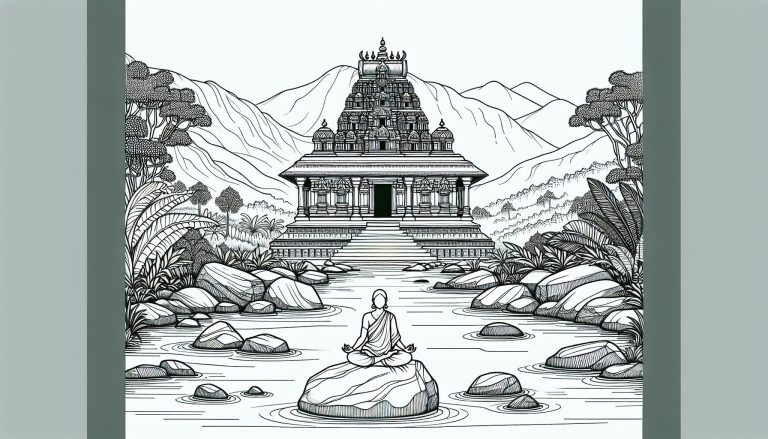
I’ve always found the idea of maya fascinating. It’s not just about understanding the world differently; it’s about transforming our very perception of existence. By recognizing and transcending maya, we can align ourselves with deeper truths and experience a profound sense of freedom. Join me as we explore how understanding maya can guide us on the path to liberation.
Understanding Maya
Maya represents the illusion that masks the true nature of reality. In both Hindu and Buddhist traditions, it plays a crucial role in shaping our perception of the world.
Definition and Origins
In Hinduism, maya originates from ancient Sanskrit texts like the Vedas and Upanishads. It’s defined as the force that creates the cosmic illusion, making the ephemeral appear real. Shankaracharya, a revered scholar, emphasized maya as the power of Brahman – The Supreme Truth, the ultimate reality, which manifests the universe. In Buddhism, similar concepts exist, where maya distracts sentient beings from perceiving the true nature of existence, keeping them in the cycle of suffering and rebirth.
Role in Hindu Philosophy
In Hindu philosophy, maya’s role is significant. It’s intrinsic to understanding the relationship between the phenomenal world and ultimate reality. According to Advaita Vedanta, maya is responsible for the apparent multiplicity of forms in the universe. It covers the true self (Atman – The Soul) with layers of ignorance, leading to a mistaken identity with the physical body and mind. Liberation (moksha) is achievable by piercing through this illusion and realizing one’s unity with Brahman. Karma and dharma also intertwine with maya, guiding actions and moral duties while exploring through life’s illusions.
Understanding maya is vital for comprehending the dynamics of existence and progressing on the journey to liberation.
Illusions and Reality
Exploring the concept of illusion helps unravel maya’s complexity. It’s essential to distinguish between what appears real and what is eventually true.
The Concept of Illusion
Maya manifests in various forms, veiling reality and creating false perceptions. Hindu scriptures describe it as a divine force that deludes. For example, desires and attachments exemplify maya’s power, distracting individuals from their spiritual path. Sources note that understanding maya’s influence requires introspection and disciplined practice.
Distinguishing Between Reality and Maya
Discerning reality requires clarity and wisdom. Philosophers like Adi Shankaracharya emphasized recognizing Brahman’s oneness beyond phenomena. Maya’s illusions, unlike ultimate reality, are transient and mutable. Practices like meditation and self-inquiry help differentiate the eternal self from temporary appearances, aiding in the pursuit of liberation.
The Path to Liberation
The path to liberation requires dedication and understanding. It involves various practices and insights aimed at transcending maya, the illusion that veils the true nature of reality.
Spiritual Practices
Spiritual practices are essential for transcending maya and progressing toward liberation. These include rituals, prayers, and acts of devotion found in Hindu and Buddhist traditions. For instance, the practice of bhakti yoga involves devotion to a deity, aiming to cultivate a personal relationship with the divine. Also, selfless service (seva) helps purify the mind and reduce ego, aligning one’s actions with higher spiritual goals.
Role of Knowledge and Wisdom
Knowledge and wisdom play crucial roles in achieving liberation. In the Bhagavad Gita, Krishna – An Incarnation of Vishnu emphasizes jnana yoga, the path of knowledge, where one seeks to understand the true self beyond the temporary body and mind. Scholars like Adi Shankaracharya advocate for advaita vedanta, which teaches the non-duality of Atman and Brahman. Gaining wisdom involves studying sacred texts, reflecting on their teachings, and applying them to discern the eternal truth from transient phenomena.
Importance of Meditation and Yoga
Meditation and yoga practices are vital for quieting the mind and directly experiencing reality beyond maya. Meditation techniques, such as mindfulness and mantra recitation, help focus the mind and cultivate inner peace. Yoga postures (asanas) and breath control (pranayama) enhance physical and mental discipline, preparing the body and mind for deeper spiritual practices. Together, they help self-inquiry and inner exploration, leading to the realization of one’s true nature and unity with Brahman.
Teachings from Scriptures
Scriptures provide crucial insights into maya and the path to liberation. They guide seekers by elucidating the nature of reality and methods to transcend illusions.
Insights from the Bhagavad Gita
The Bhagavad Gita emphasizes discerning between the temporary and the eternal. Lord Krishna speaks about the ephemeral nature of the physical world and the eternal soul (atma) that transcends maya. He advises Arjuna – The Peerless Archer to focus on selfless action (karma yoga) and devotion (bhakti yoga) to perceive reality beyond illusions. Chapter 7, Verse 14 highlights maya as divine energy, difficult to overcome without surrendering to the Divine.
Lessons from Upanishads
The Upanishads explore maya by dissecting the layers of existence. They discuss the concept of avidya (ignorance) that creates illusions, obscuring Brahman, the ultimate reality. The Chandogya Upanishad narrates the story of Svetaketu to illustrate how ignorance fosters maya. It emphasizes knowledge (jnana) and self-inquiry (atma-vichara) as tools to dispel illusions. In the Mundaka Upanishad, the analogy of the two birds on a tree represents the soul entangled in the world due to maya while the other bird remains detached and enlightened.
Personal Experiences
Experiences shared by others deepen our understanding of maya and the path to liberation.
Anecdotes from Spiritual Leaders
I came across many transformative anecdotes from spiritual leaders. Ramana Maharshi often spoke about his experience of self-realization after an intense introspection about death. His journey involved meditating deeply on the essence of the “I” thought, eventually transcending his ego and experiencing pure consciousness. Similarly, Paramahansa Yogananda recounted his first encounter with his guru, Sri Yukteswar, describing how the spiritual energy in his guru’s presence dissolved his doubts and illusions.
Another compelling story is from Nisargadatta Maharaj. He shared how his curiosity about the self, sparked by a question from his teacher, made him investigate profoundly into self-inquiry. This led him to a realization beyond physical and mental identity, helping him perceive reality directly, free from maya’s veils.
Testimonials from Practitioners
People practicing spirituality shared varied experiences on their path to liberation. One practitioner, focusing on bhakti yoga, described how daily devotion and chanting led to a profound transformation. They explained that their attachment to material desires diminished, replaced by a sense of unity with the divine.
Another individual, who practiced jnana yoga, highlighted the power of self-inquiry. They mentioned that consistently questioning the nature of self and reality helped them see through the illusions of maya. Through meditation, they felt a deep connection with their true self, experiencing moments of bliss and clarity.
A yogi dedicated to meditation shared how consistent practice eventually calmed their restless mind. This calmness allowed them to experience glimpses of the ultimate reality, providing insights beyond their ordinary perceptions. Their dedication exemplifies how spiritual practices can unravel maya’s grip over one’s consciousness, leading to liberation.
Conclusion
Understanding and transcending maya is a journey that requires dedication and insight. Through spiritual practices like self-inquiry devotion and consistent meditation we can begin to peel back the layers of illusion that obscure our true nature. The teachings of spiritual leaders and personal experiences of practitioners serve as powerful reminders that liberation is attainable. By embracing the wisdom of ancient scriptures and applying it to our daily lives we can move closer to experiencing the ultimate truth. Each step taken in self-awareness devotion and knowledge brings us nearer to the profound realization of our true selves.
Sources & further reading
These themes are explored in greater depth across the following authoritative resources:
- Stanford Encyclopedia of Philosophy, Hindu Philosophy
- Britannica, Dharma
- Britannica, Karma
- Internet Sacred Text Archive, Bhagavad Gita
- A. K. Ramanujan, Speaking of Siva (Penguin Classics, 1973)
External resources for further reading. Apam Napat is not affiliated with these publishers; citation does not imply endorsement.
Frequently asked questions
What is maya in the path to liberation?
What did Shankaracharya teach about maya?
Where does maya originate in Hindu thought?
How does maya appear in Buddhism?
Based on the classical texts of Hindu mythology, see our sources.