
Indian Mythology Encyclopedia
Every god, hero and story of Hindu myth, in one place
Explore 1,482 deities, demons, epics, scriptures and ideas from the living traditions of Hindu mythology. Look anyone up, or wander in and discover something new.
Explore by realm
🕉️
Deities & Pantheon
The gods and goddesses of the Hindu cosmos, their powers, forms and stories.
130 entries
⚔️
Epics & Legends
Heroes, battles and sagas from the Mahabharata, Ramayana and the Puranas.
149 entries
🐍
Mythological Creatures
Nagas, asuras, apsaras and the celestial beings that fill the myths.
229 entries
📜
Scriptures & Texts
The Vedas, Upanishads, Gita and Puranas, the sources of the tradition.
279 entries
☸️
Philosophy & Ethics
Dharma, karma, maya and the ideas that shape Hindu thought.
239 entries
🪔
Beliefs & Practices
Rituals, festivals, yoga and the living practice of the faith.
129 entries
✨
Spirituality & Enlightenment
Brahman, moksha and the paths to liberation and the self.
154 entries
🛕
Art & Architecture
Temples, iconography and the sacred symbolism of Hindu art.
100 entries
🔎
Textual Studies
How the myths are read, interpreted and reflected in culture today.
73 entries
Popular entries
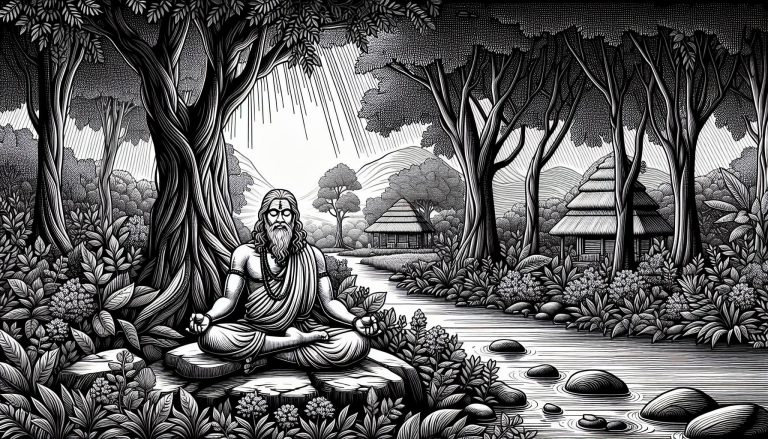 Philosophy & EthicsUnderstanding Ahimsa in Hinduism: Non-Violence, Compassion, and Modern RelevanceAhimsa, the principle of non-violence, holds a central place in Hinduism, influencing both personal behavior and broader societal norms. Rooted in ancient…Read →
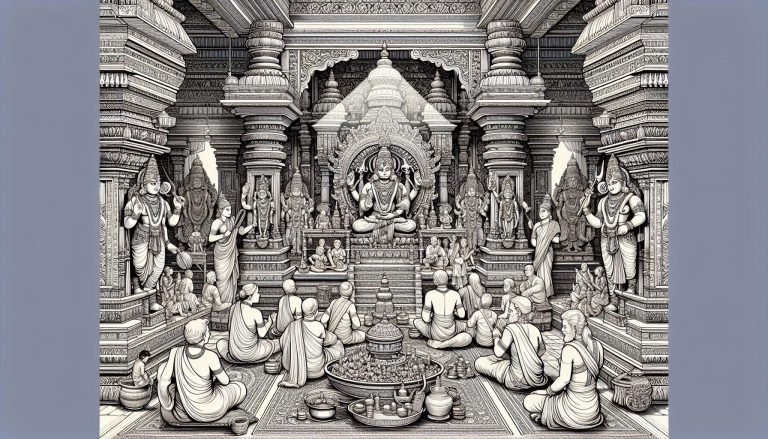 Art & ArchitectureExploring Hindu Deity Patterns: Symbols, Rituals, and Modern InfluencesWhen you jump into the world of Hinduism, the intricate patterns of its deities immediately captivate you. Each deity isn’t just a…Read →
 Mythological CreaturesApsaras – Divine Nymphsअप्सरा The Apsaras – Celestial Nymphs of Hindu Mythology The Apsaras are celestial nymphs renowned for their extraordinary beauty, grace, and expertise…Read →
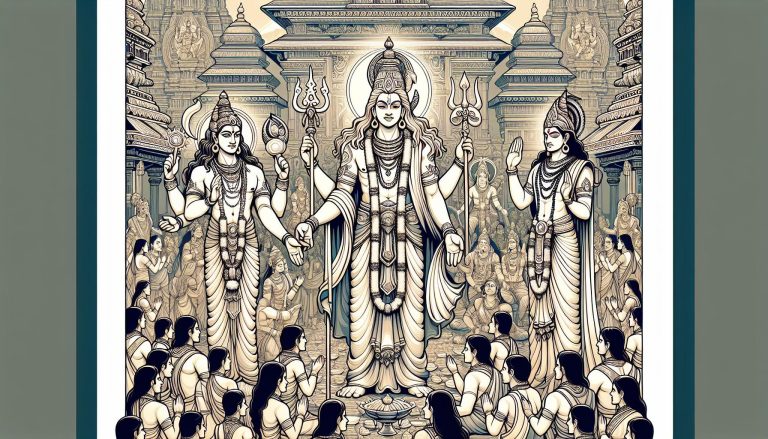 Mythological CreaturesCelestial Guardians of Hinduism: Devas, Divine Weapons, and Their Symbolic SignificanceHinduism, one of the world’s oldest religions, is rich with a world of deities and celestial beings that guide and protect its…Read →
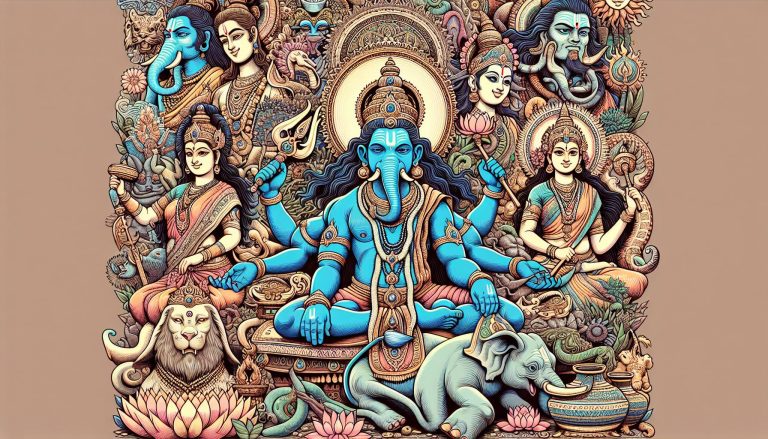 Mythological CreaturesCelestial Hierarchy in Hinduism: Deities, Avatars, and Cosmic OrderHinduism, one of the world’s oldest religions, has a rich world of deities and celestial beings that form a complex hierarchy. From…Read →
 Mythological CreaturesExploring Naga Snake Deities: Symbolism and Cultural Significance in AsiaNaga snake deities have slithered their way through the myths and legends of many cultures, captivating imaginations with their mystical powers and…Read →
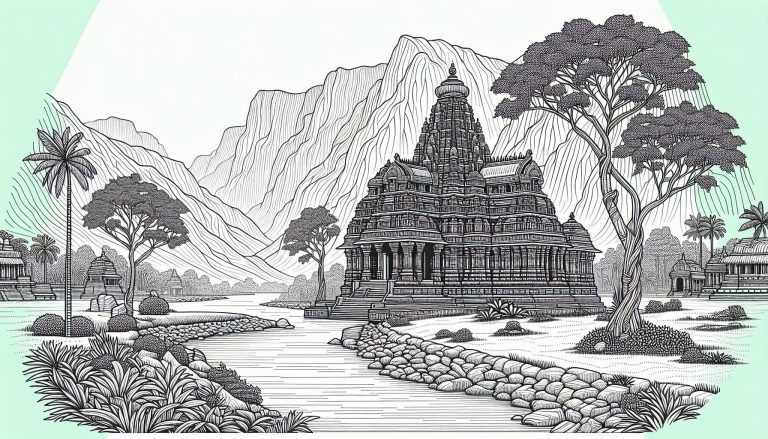 Spirituality & EnlightenmentMoksha and the Vedas: Exploring Paths to Ultimate Liberation and Eternal BlissMoksha, the ultimate goal in Hindu philosophy, represents liberation from the cycle of birth and death. It’s a profound concept that has…Read →
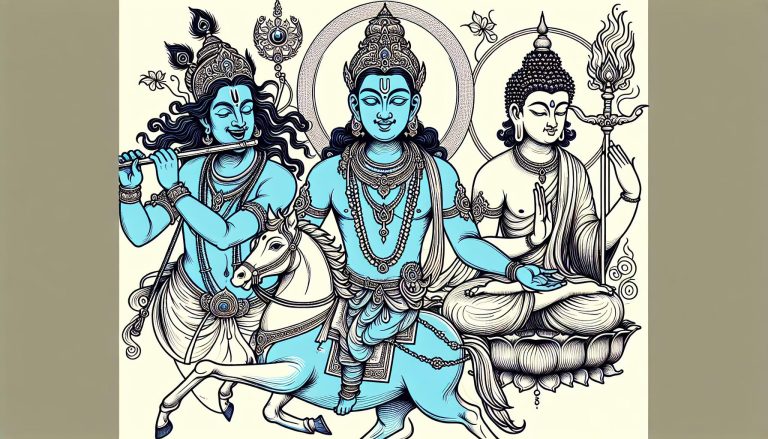 Deities & PantheonVishnu’s Avatars Characteristics: Krishna, Buddha, and Kalki UnveiledVishnu, one of the principal deities in Hinduism, is revered for his role as the preserver and protector of the universe. What…Read →
What is Apam Napat?
Apam Napat is a free, growing encyclopedia of Hindu and Indian mythology, the gods of the pantheon, the heroes and villains of the Mahabharata and Ramayana, the sacred texts, and the ideas of dharma, karma and moksha that underpin them. Each entry is cross-linked to the figures and stories around it, so one lookup leads naturally to the next.