
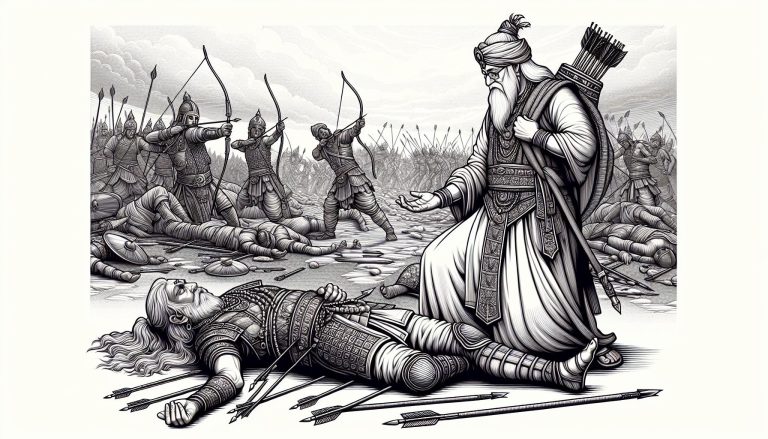
As I delve into this epic saga, I’ll explore the roots of the conflict, the key players involved, and the profound impact it had on the course of history. Understanding this ancient feud offers a window into the timeless themes of justice, power, and destiny that continue to resonate today.
Historical Background
The Mahabharata, which illustrates the Pandava-Kaurava conflict, likely saw its composition between 500 BCE and 400 CE. However, scholars still debate these dates. This epic provides crucial insights into Hinduism’s evolution during that period.
In the Vedic period (1200-800 BCE), the Kuru kingdom was a dominant political force and the focal setting for the Mahabharata’s events. This historical backdrop enhances the narrative’s authenticity and relevance.
The conflict centers on the Pandavas and Kauravas, two cousin groups from the Kuru dynasty. The clash not only highlights familial and political tensions but also offers themes of justice and morality.
Key Characters
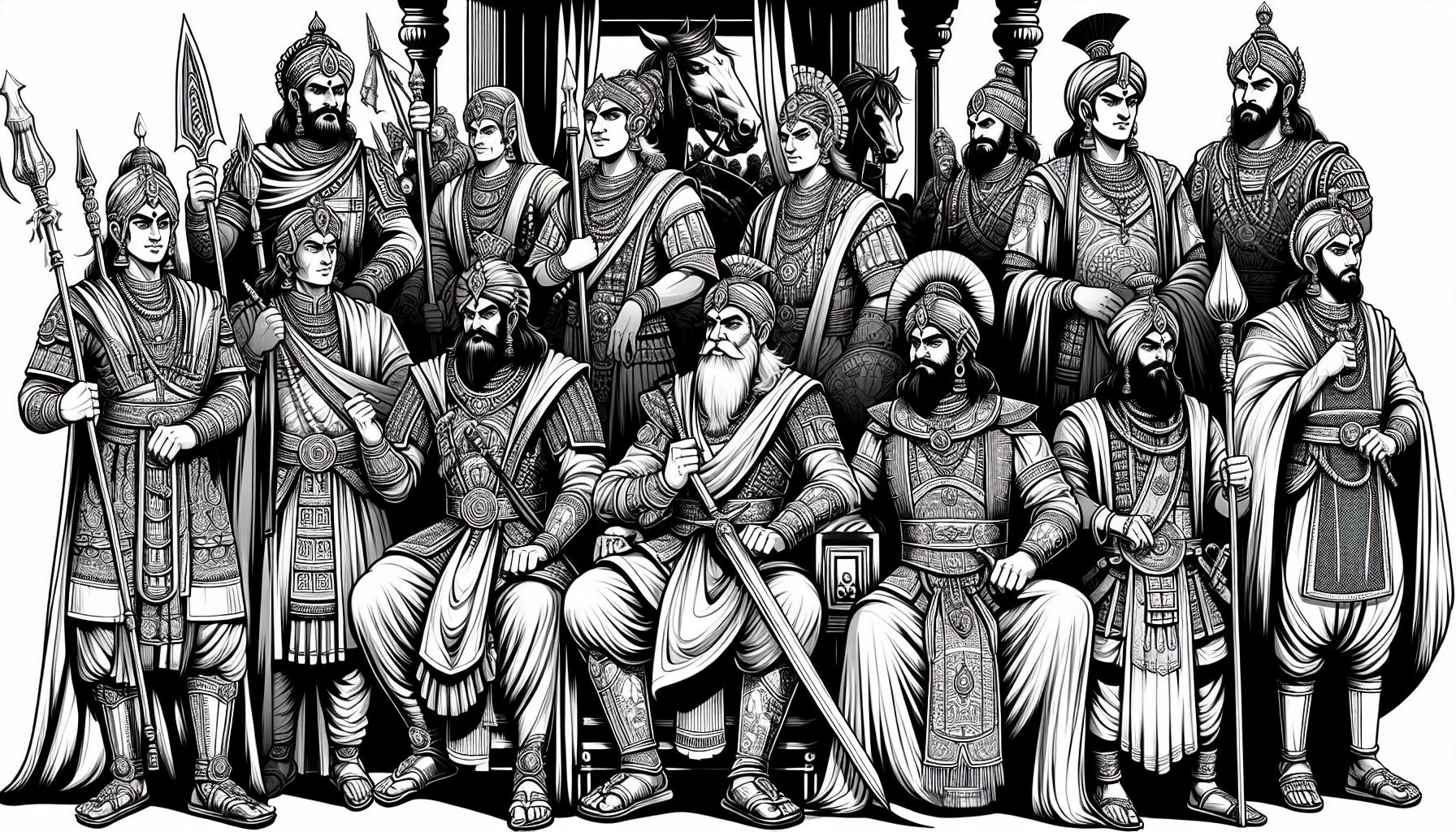
The key characters play significant roles in the unfolding of the Pandava-Kaurava conflict. Here’s a detailed look at these pivotal figures.
The Pandavas
- Yudhishthira: Yudhishthira leads the Pandavas and is the rightful heir to the throne. Known for his adherence to dharma (duty and righteousness), he often seeks counsel on moral dilemmas.
- Bhima: Bhima, the strongest Pandava brother, is known for his immense physical strength and valor. He plays crucial parts in many battles.
- Arjuna: Arjuna, the most popular Pandava brother, is the world’s greatest archer. His skills in archery and his deep bond with Krishna make him a central figure.
- Nakula: Nakula, one of the twin brothers, is noted for his expertise in swordsmanship and his deep loyalty to his family.
- Sahadeva – The Fifth Pandava: Sahadeva, the other twin, is known for his wisdom and knowledge of astrology. His insights often guide the Pandavas’ strategies.
- Draupadi: Draupadi, the wife of the five Pandavas, acts as a catalyst in the war’s inception. Her unique marital situation and plight at the Kaurava court galvanize the conflict.
- Kunti: Kunti, mother to the five Pandavas and wife of Pandu, provides unyielding support and wisdom to her sons throughout their trials.
- Krishna: Krishna, a well-wisher and guide of the Pandavas, aids them at crucial moments. His counsel and divine interventions are pivotal to their success.
- Dhritarashtra: Dhritarashtra, the blind king and father of the Kauravas, struggles with his attachment to his sons and the consequent moral repercussions. His inability to curb their ambitions contributes to the conflict.
Causes of the Conflict
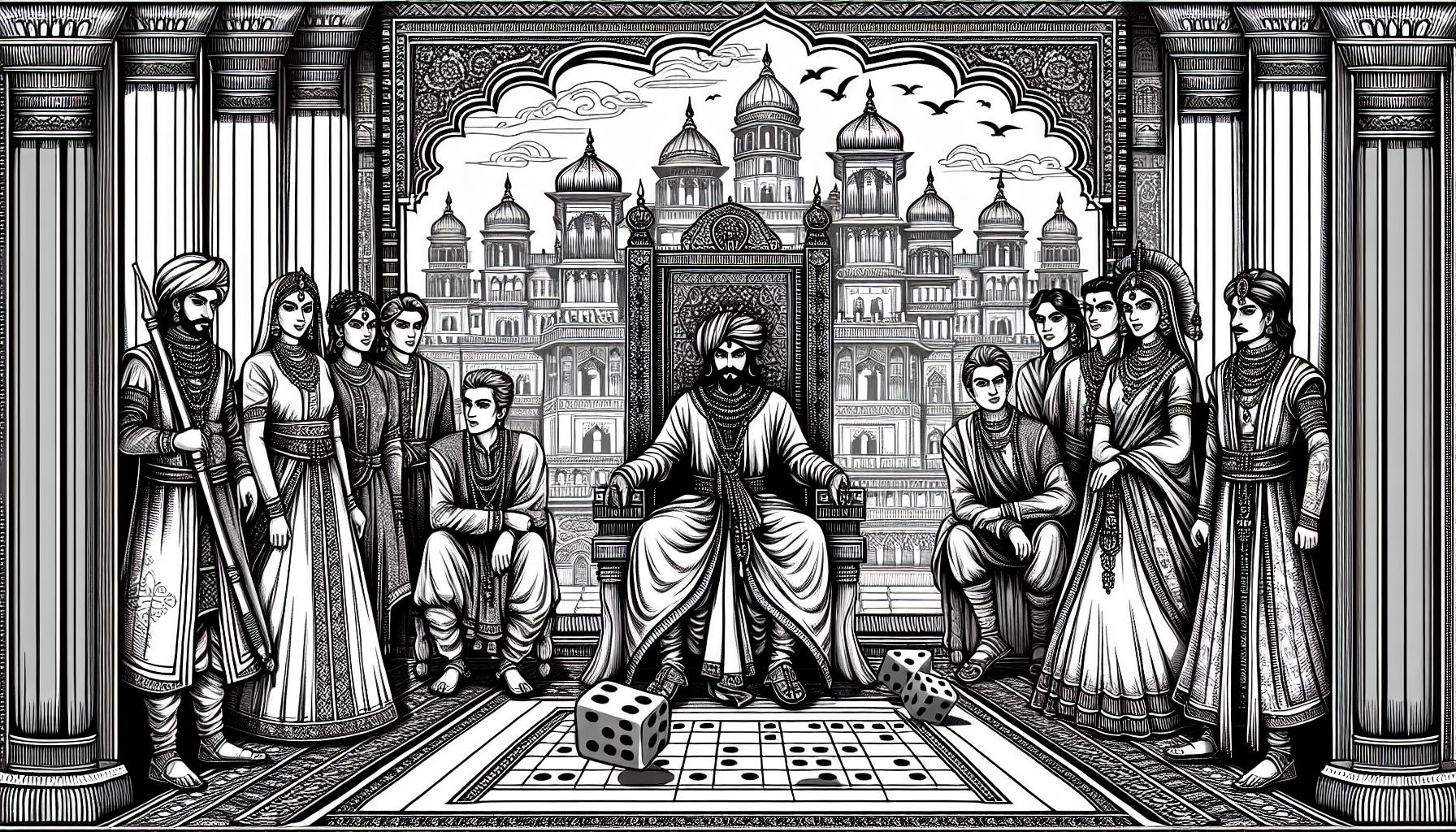
The Pandava-Kaurava conflict in the Mahabharata stems from a dispute over the succession of the throne of Hastinapur and is intensified by a consequential game of dice.
Dispute Over Succession
The succession dispute centers on Kauravas and Pandavas, descendants of King Dhritarashtra and King Pandu respectively. Duryodhana, the Kaurava leader, driven by jealousy and ambition, seeks to usurp the throne. His father, Dhritarashtra, unable to rule due to blindness, inadvertently adds to the complexity. Contrarily, the Pandavas, led by Yudhishthira, are identified by many to be the rightful heirs of the throne due to their virtues and adherence to dharma.
Game of Dice
The game of dice acts as a critical event that exacerbates the conflict. Duryodhana, aiming to deceive and disgrace the Pandavas, orchestrates this game with Shakuni’s help. Yudhishthira, bound by his principles and the rules of hospitality, accepts the challenge. The game results in the Pandavas losing their kingdom, their wealth, and even their freedom, pushing the rivalry to the brink and setting the stage for the eventual war.
Major Battles
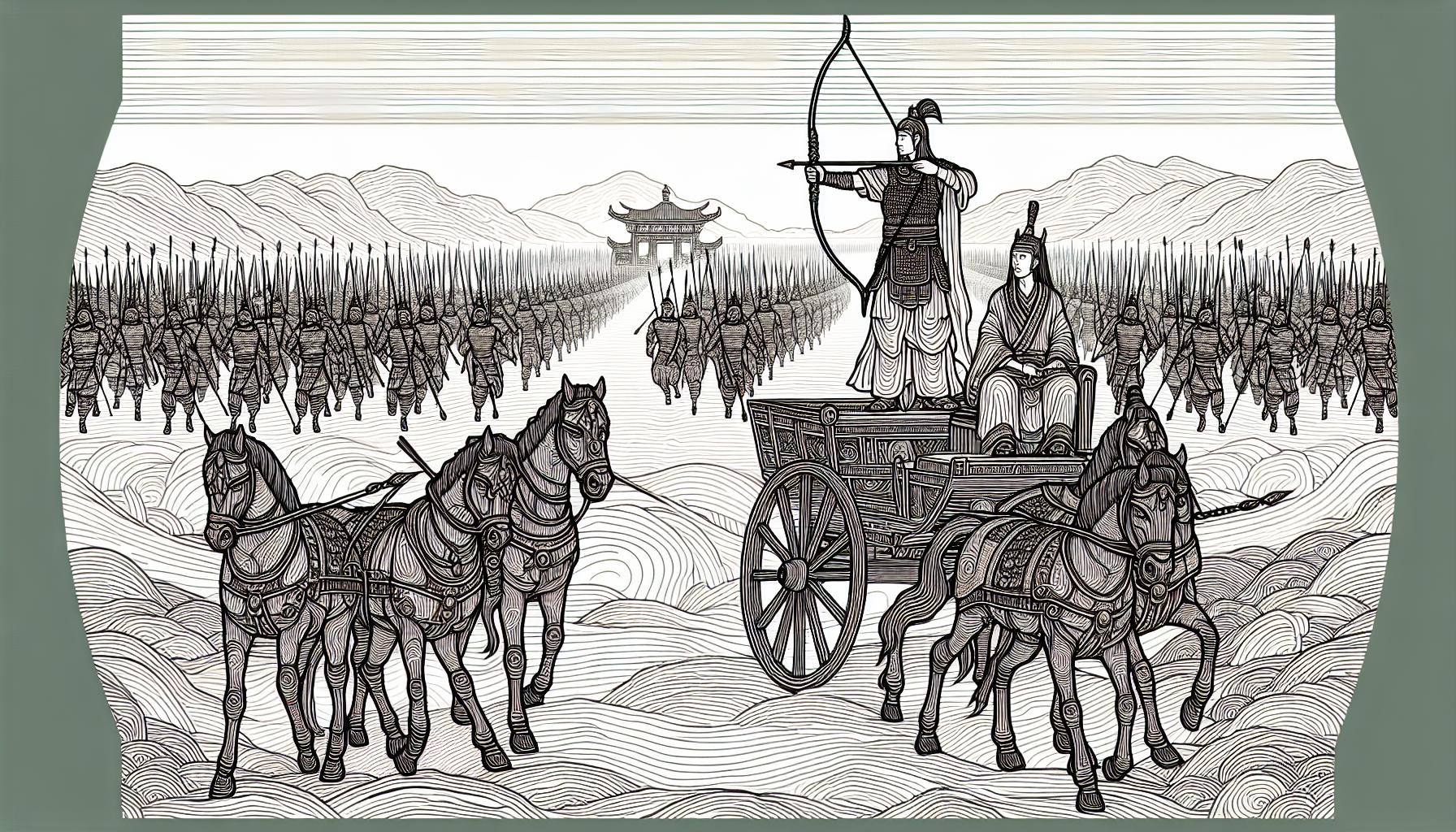
The Pandava-Kaurava conflict reached its peak with several significant battles. Among these, the Battle of Kurukshetra stands out as the most crucial event, shaping the outcome of the entire epic.
The Battle of Kurukshetra
The Battle of Kurukshetra was the central confrontation between the Pandavas and Kauravas. Fought on the sacred land of Kurukshetra, it spanned 18 days. The Pandavas, led by Yudhishthira, clashed with the Kauravas, commanded by Duryodhana. Massive armies, comprising thousands of warriors, participated in this decisive battle. Lord Krishna played a pivotal role by guiding and supporting the Pandavas, especially Arjuna, by serving as his charioteer. It’s noteworthy that the sanctity of Kurukshetra was believed to absolve any sins committed during this bloody conflict.
- Arjuna vs Karna: Both formidable warriors, this duel was highly anticipated. Karna’s loyalty to Duryodhana and his enmity with Arjuna made their clash inevitable. Despite Karna’s formidable skills and the curse that plagued his life, Arjuna, with Krishna’s guidance, ultimately defeated him.
- Bhima vs Duryodhana: Their clash encapsulated the animosity between the Pandavas and Kauravas. Bhima’s brute strength and determination culminated in Duryodhana’s defeat during a mace fight, fulfilling Bhima’s vow to break Duryodhana’s thigh.
- Abhimanyu – The Brave Young Warrior vs Kaurava warriors: Young and valiant, Abhimanyu broke into the Chakravyuha formation, displaying unparalleled bravery. Although surrounded and outnumbered, Abhimanyu fought valiantly until his last breath, demonstrating the Pandavas’ resolve.
These battles and duels not only highlighted individual valor but also underscored the deeper themes of duty, loyalty, and fate within the Mahabharata.
Resolution and Aftermath
The Pandava-Kaurava conflict reaches its peak in the Kurukshetra War, culminating in significant loss but eventually resulting in the Pandavas’ triumph. This victory, however, comes at a considerable cost.
The Kurukshetra War
The conflict culminates in the Kurukshetra War, a brutal and devastating battle lasting for 18 days. The Pandavas, aided by Krishna’s strategies and guidance, emerge victorious. Key warriors on both sides display immense valor, yet the war brings unparalleled destruction.
Death of Key Characters
Many key characters, including Bhishma, Drona, Karna, and Abhimanyu, die during the war. These deaths not only underscore the deep personal losses endured but also mark the end of an era in the kingdom of Hastinapura. These sacrifices play a crucial role in shaping the conflict’s resolution.
Ascent to Heaven
After the war, the Pandava brothers ascend to heaven, marking the conclusion of the Mahabharata and the beginning of the Kali Yuga. This transition represents the end of an epoch, symbolizing both the finality of their earthly struggles and the onset of a new era.
The Role of Krishna
Krishna’s role in the conflict is pivotal. As a mentor, strategist, and divine guide, he influences key decisions and actions. Krishna’s discourse on dharma, delivered to Arjuna through the Bhagavad Gita, serves as a philosophical cornerstone for the Pandavas. His counsel and presence not only steer the course of the war but also embody the upholding of righteousness and cosmic order.
Impact on Bharata
The aftermath of the conflict significantly impacts the kingdom of Bharata. The extensive loss of life and the fall of key leaders lead to a period of mourning and rebuilding. The Pandavas, now rulers, strive to restore order and justice. This war and its resolution mark a transformative period in the history of Bharata, signifying both the end of an era and the foundation for future generations to reflect upon themes of duty, sacrifice, and the pursuit of righteousness.
Conclusion
The Pandava-Kaurava conflict is more than just a tale of war; it’s a profound narrative about duty, loyalty, and the complexities of human nature. The Kurukshetra War, with its monumental battles and significant losses, reshaped the course of Bharata’s history. Key figures like Bhishma and Karna left indelible marks through their sacrifices.
Krishna’s guidance, particularly through the Bhagavad Gita, provided timeless wisdom that continues to resonate. The Pandavas’ journey to restore justice and order symbolizes a transformative era, reflecting the eternal struggle between righteousness and ambition. As they ascended to heaven, the Mahabharata’s legacy endured, marking the dawn of the Kali Yuga and a new chapter for Bharata.
Frequently asked questions
What caused the Pandava-Kaurava conflict?
What was the Battle of Kurukshetra?
What role did Krishna play in the Mahabharata war?
What happened to the Pandavas after the Kurukshetra War?
Sources & further reading
These themes are explored in greater depth across the following authoritative resources:
- Internet Sacred Text Archive, Mahabharata (Ganguli translation)
- Internet Sacred Text Archive, Ramayana of Valmiki
- Britannica, Mahabharata
- Britannica, Ramayana
- Bibek Debroy, The Mahabharata (10 vols., Penguin, 2010 to 2014)
External resources for further reading. Apam Napat is not affiliated with these publishers; citation does not imply endorsement.
Based on the classical texts of Hindu mythology, see our sources.