
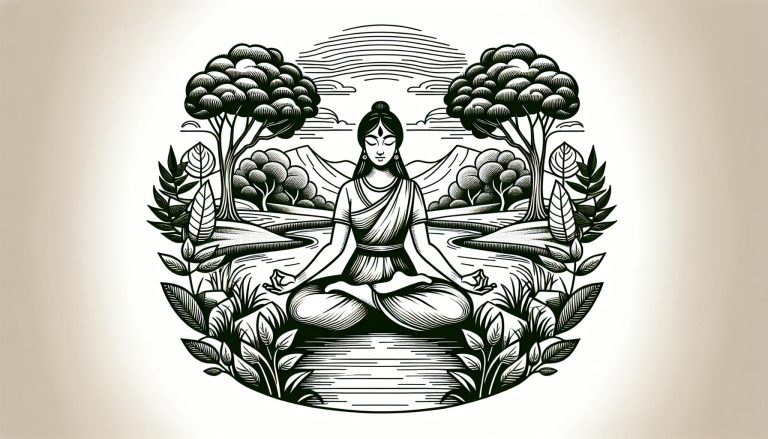
In this text, I’ll explore the various routes to Moksha, shedding light on their unique practices and philosophies. Whether you’re a devout practitioner or simply curious about spiritual liberation, knowing these paths can enrich your quest for meaning and inner peace.
Understanding Moksha
Moksha signifies liberation from the cycle of birth and rebirth, known as Samsara. It’s the ultimate goal in Hindu philosophy. By achieving Moksha, the soul attains peace and unity with the divine. This state eliminates all desires and suffering. Understanding Moksha requires delving into Hindu scriptures, such as the Upanishads, the Bhagavad Gita, and the Vedas, which provide insights into this profound concept.
Concept of Moksha in Scriptures
Hindu scriptures describe Moksha as the release from worldly attachments. The Upanishads, for example, investigate deeply into the nature of the soul and its relation to the universe. The Bhagavad Gita emphasizes devotion, knowledge, and selfless action as crucial paths. The Vedas offer hymns and rituals to guide one’s spiritual journey. Each text highlights different aspects and paths to Moksha, demonstrating its multifaceted nature.
Key Elements of Moksha
Several key elements define the attainment of Moksha:
- Self-realization: Recognizing the self beyond the ego and physical body.
- Karma: Understanding and resolving past actions and their effects.
- Dharma: Following one’s duty and righteousness.
- Knowledge (Jnana): Gaining spiritual wisdom and enlightenment.
- Devotion (Bhakti): Cultivating a deep, personal relationship with the divine.
Contemporary Interpretations
In modern times, interpretations of Moksha have evolved. Many see it as maintaining inner peace amidst life’s challenges. Others approach it through meditation, mindfulness, and ethical living. These contemporary practices, while diverse, still aim for the same ultimate liberation described in ancient texts.
Historical Perspectives on Moksha

Vedic Period
The Vedic period, around 1500–500 BCE, laid the foundation for Hindu religious practices and concepts. The Rigveda, the oldest of the Vedas, contains hymns praising various deities, addressing the nature of the universe, and seeking blessings. Rituals and sacrifices played a central role, believed to ensure cosmic order (Rta) and favor from the gods.
Upanishadic Period
The Upanishadic period, spanning around 800–200 BCE, shifted focus to philosophical inquiry and internalized spirituality. Texts like the Brihadaranyaka and Chandogya Upanishads addressed the nature of the soul (Atman – The Soul) and its unity with the ultimate reality (Brahman – The Supreme Truth). Gurus and disciples engaged in dialogues exploring concepts of self-realization and detachment from the material world as means to attain Moksha.
Modern Interpretations
Modern interpretations of Moksha integrate traditional beliefs with contemporary practices. Many see Moksha as achieving inner peace and self-realization by embracing meditation, mindfulness, and ethical living. Spiritual leaders often incorporate these practices to align ancient teachings with today’s lifestyle, making the path to liberation accessible through modern tools and methodologies.
Different Paths to Moksha

Paths to Moksha vary widely, reflecting the diverse traditions within Hindu philosophy. Here’s a look at the primary paths to achieving spiritual liberation.
Jnana Yoga
Jnana Yoga emphasizes knowledge and wisdom. It’s about self-realization through deep study and meditation, focusing on the teachings of sacred texts like the Upanishads. Practitioners engage in critical self-inquiry, seeking to dissolve the ego and recognize their true nature as Atman (the soul).
Bhakti Yoga
Bhakti Yoga involves devotion and love for the divine. This path centers on a personal relationship with a chosen deity, often through rituals, prayers, and hymns. Devotees express their love and surrender to God, aiming to purify the heart and transcend the ego.
Karma Yoga
Karma Yoga is the path of selfless action. It’s about performing one’s duty without attachment to outcomes, as described in the Bhagavad Gita. Practitioners focus on serving others and fulfilling their responsibilities, believing that actions performed with the right intention lead to spiritual growth.
Raja Yoga
Raja Yoga involves meditation and mental discipline. This path is outlined in Patanjali’s Yoga Sutras and focuses on eight limbs, including ethical principles, postures (asanas), breath control (pranayama), and meditation (dhyana). Practitioners aim to achieve a state of inner peace and ultimate union with the divine.
Comparative Analysis of Paths

To understand the paths to Moksha, it’s crucial to analyze their commonalities and differences. Each path offers unique approaches, yet they share core goals and principles.
Commonalities
All paths to Moksha aim for spiritual liberation. They emphasize self-realization and connection with the divine. Hindu texts like the Bhagavad Gita and Upanishads outline each path’s methods. The core principle across all paths involves detachment from material desires, guiding one toward ultimate freedom.
Differences
Jnana Yoga vs. Bhakti Yoga
Jnana Yoga focuses on knowledge and wisdom. Practitioners study scriptures and practice self-inquiry. Bhakti Yoga emphasizes love and devotion to a personal deity. It’s more emotional and less analytical, involving rituals and prayers.
Karma Yoga vs. Raja Yoga
Karma Yoga centers on selfless action. It teaches performing duties without seeking rewards. Raja Yoga involves meditation and mental discipline. It employs techniques like asanas and pranayama to still the mind and achieve inner peace.
Approach and Practice
Jnana Yoga demands intellectual rigor and meditation on truths. Bhakti Yoga needs emotional surrender and regular worship. Karma Yoga requires everyday engagement in selfless tasks. Raja Yoga necessitates disciplined meditation and control of the senses. Each path offers distinct methodologies to reach the shared goal of Moksha.
Personal Experiences and Anecdotes
During my journey exploring the paths to Moksha, I’ve encountered various individuals who’ve shared their personal experiences and anecdotes. Each story provides a unique perspective on the pursuit of spiritual liberation. Here are a few notable accounts:
Self-Realization Through Meditation
One acquaintance, Arjun, shared how he reached self-realization through meditation. He started practicing mindfulness meditation for 30 minutes daily. Over time, Arjun felt a profound sense of inner peace and connection with his true self, eventually leading him to a state of Moksha. His experience underscores the power of consistent meditation in spiritual practice.
Bhakti Yoga and Devotion
Another individual, Meena, devoted herself to Bhakti Yoga. She engaged in daily prayers, chanting mantras, and participating in communal worship. Meena found deep fulfillment in devotional acts, which allowed her to feel an immediate connection with the divine. Over years of dedicated practice, she experienced what she describes as the blissful merging of her soul with the supreme consciousness.
Karma Yoga in Everyday Life
Ravi, a committed practitioner of Karma Yoga, integrated selfless service into his daily routine. He volunteered at local shelters and performed altruistic acts without seeking any rewards. Through years of selfless service, Ravi experienced a sense of liberation from ego and material desires. His journey highlights the significance of performing one’s duties with detachment and purity of intention.
The Role of Jnana Yoga
Saraswati – The Goddess of Learning and Wisdom, a scholar, devoted her life to studying the scriptures and philosophical texts. She engaged in rigorous intellectual analysis, discussions, and contemplation. Through Jnana Yoga, she achieved profound insights into the nature of reality and self. Saraswati’s path illustrates how the pursuit of knowledge and wisdom can lead to Moksha.
Integrative Modern Practices
I also met individuals who blend traditional and modern practices. For instance, Suman combined yoga, mindfulness, and ethical living. She adhered to ancient teachings while incorporating contemporary tools like journaling and digital resources for guided practices. Suman’s approach demonstrates how integrating diverse methods can help the journey toward spiritual liberation in today’s world.
Each personal experience shared here reflects the universal yearning for Moksha. The paths may differ, but the goal remains the same – achieving spiritual liberation and inner peace.
Conclusion
Exploring the various paths to Moksha has been a profound journey. Each path offers unique insights and methods for attaining spiritual liberation. Whether through meditation, devotion, selfless service, or knowledge, the ultimate goal remains the same: achieving inner peace and Moksha. Personal experiences and historical perspectives enrich our understanding, bridging traditional beliefs with modern practices. The pursuit of Moksha is deeply personal yet universally relatable, reminding us that the quest for spiritual liberation transcends time and culture.
Sources & further reading
These themes are explored in greater depth across the following authoritative resources:
- Stanford Encyclopedia of Philosophy, Hindu Philosophy
- Britannica, Moksha
- Britannica, Brahman
- Internet Sacred Text Archive, Upanishads
- Sarvepalli Radhakrishnan, Indian Philosophy (2 vols., Oxford University Press, 1923)
External resources for further reading. Apam Napat is not affiliated with these publishers; citation does not imply endorsement.
Based on the classical texts of Hindu mythology, see our sources.