
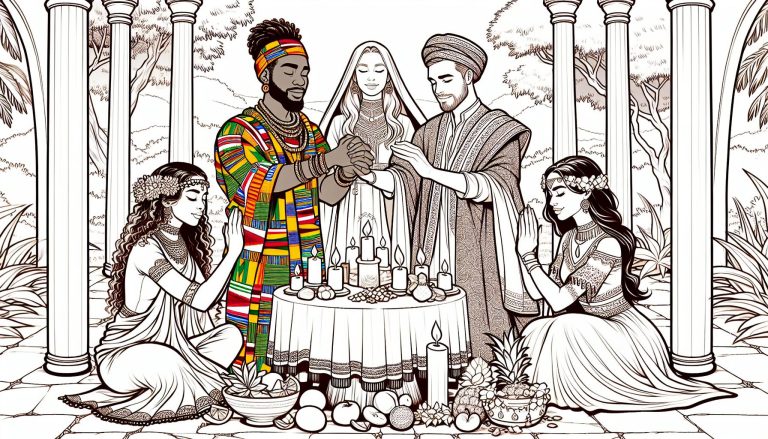
I’ve always been fascinated by how these rituals can transform our mindset and environment. Whether it’s lighting a candle, saying a prayer, or performing a sacred dance, each ritual carries its own unique magic. By incorporating these practices into our daily routines, we open ourselves to receiving the blessings and wisdom that the universe has to offer.
Understanding Rituals for Divine Blessings
Rituals for divine blessings bridge our tangible world and the spiritual area, offering a path to connect with higher powers. These practices, rooted in cultural and religious traditions, bring profound meaning to our daily lives. Integrating rituals into my routine has opened doors to new blessings and wisdom, aligning me with the energies of the universe.
Language and Cultural Significance
Ritual language acts as a vital link in these practices. Using traditional words and phrases connects me to the cultural roots and lands where these rituals originated. When I learn the language of a specific tradition, it deepens my connection to the people and their customs, enriching my spiritual practice.
Proper Use of Words and Phrases
Understanding the exact meaning of words and phrases is crucial. Misuse can lead to errors, diminishing the potential impact of the ritual. I always ensure that I fully comprehend the terms before incorporating them into my practice, honoring the deep cultural and religious significance they hold.
Historical Significance
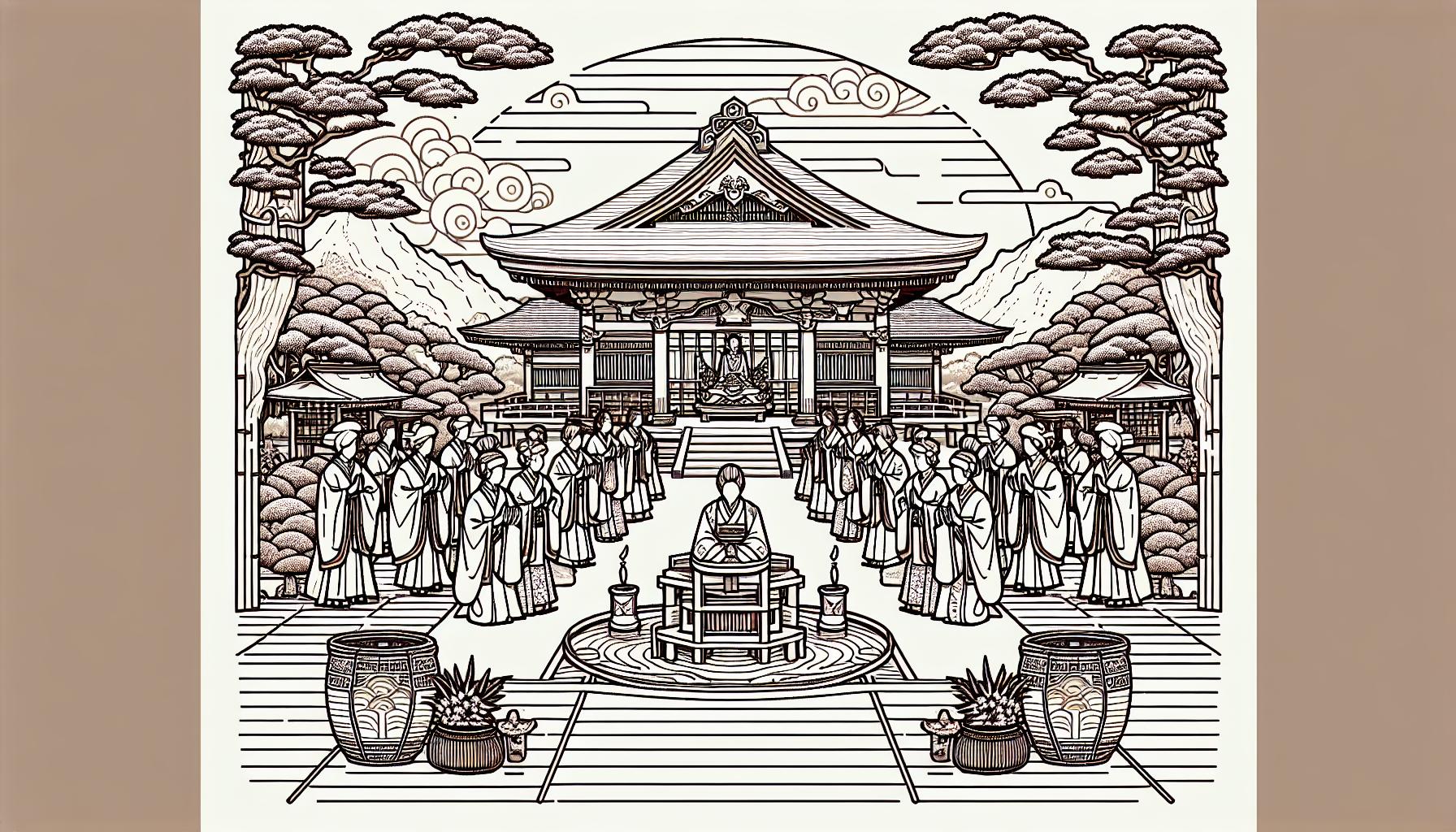
Rituals for divine blessings have profoundly impacted various cultures and religions. They connect individuals with the divine, ensuring overall well-being.
Ancient Practices
- Shintoism:
In ancient Japan, Shinto rituals focused on honoring the kami (divine powers). Ceremonies like the spring prayer for good harvests and the autumn harvest festival were central. Clan heads, purified through specific rites, conducted these ceremonies to secure the community’s prosperity.
Evolution Over Time
Rituals for divine blessings have evolved, adapting to changes in society and culture. In ancient times, communities performed these rituals collectively, often leading to societal cohesion and reinforcement of moral codes. Over centuries, the integration of individual practices became prominent, reflecting personal spirituality rather than just communal identity.
Common Elements in Rituals
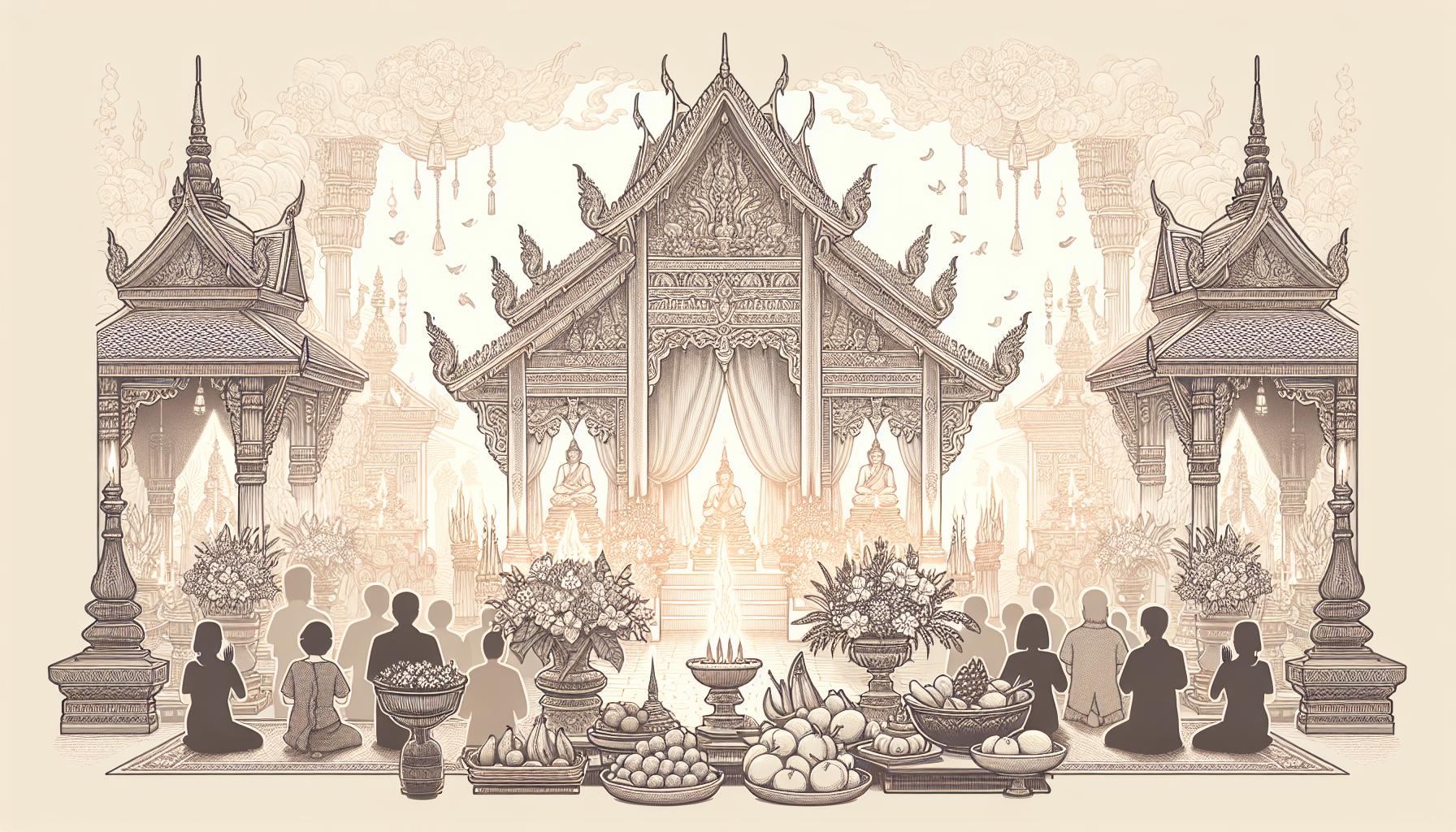
Rituals often include specific elements that symbolize the practitioner’s reverence and connection to the divine. These elements ensure the ritual’s effectiveness and deepen the spiritual experience.
Offerings and Sacrifices
Offerings and sacrifices serve as a core component in many rituals. They typically include items like food, flowers, or incense to symbolize gratitude and devotion. In Hinduism, for example, devotees offer fruits and sweets to deities in temples. These items represent an exchange, where the practitioner seeks to please divine beings in hopes of receiving blessings. Different cultures might emphasize various offerings, but the underlying intent remains the same: to honor and appease higher powers.
Prayers and Chants
Prayers and chants focus on verbal expressions of faith and devotion. Recitations, such as the Lord’s Prayer in Christianity or the Gayatri Mantra in Hinduism, carry significant meaning. They convey messages of worship, gratitude, and supplication. Often, specific languages or phrases are considered sacred, enhancing the ritual’s impact. Chants create a rhythmic sound that can elevate the practitioner’s spiritual state, making these elements both powerful and essential.
Sacred Spaces
Sacred spaces are designed to provide a conducive environment for rituals. Places like churches, temples, mosques, and shrines offer a tranquil setting, free from everyday distractions. In Shintoism, for instance, shrines are meticulously maintained to honor the kami. These spaces are imbued with spiritual significance, making rituals performed within them more potent. Whether ancient sites or modern sanctuaries, sacred spaces amplify the connection between the practitioner and the divine.
Cultural Variations
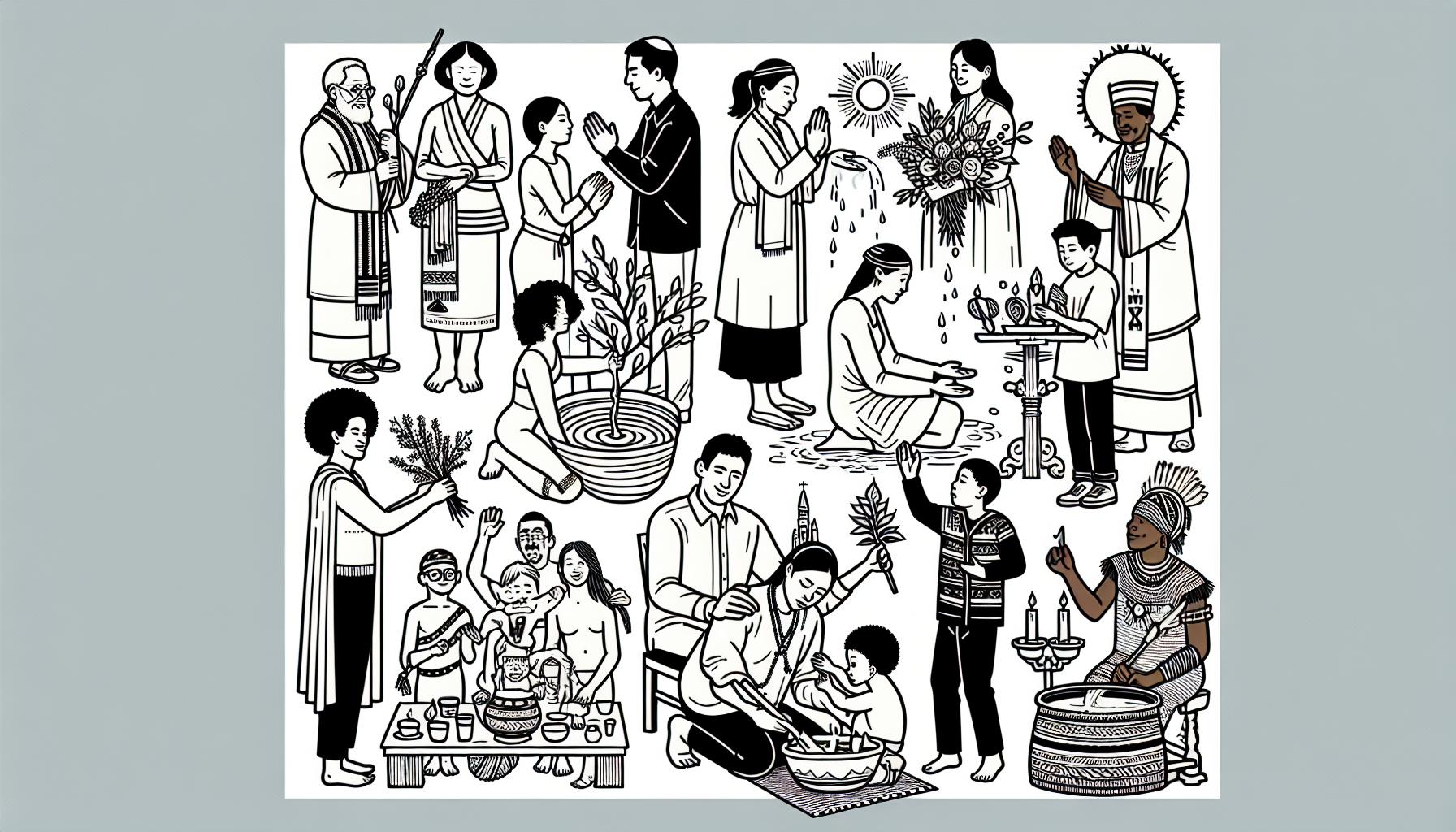
Different cultures have unique rituals to seek divine blessings, reflecting their distinct histories and belief systems. These rituals, varying greatly, aim to connect practitioners with higher powers for spiritual benefits.
Eastern Traditions
Eastern traditions, such as those in Shintoism and Hinduism, include intricate rituals. In Shintoism, purification rituals like misogi, where individuals cleanse their bodies with water, are common. Hinduism encompasses various rituals, including puja, an act of worship involving offerings like flowers and incense to deities. These practices typically center on detailed ceremonies with specific mantras and sacred objects.
Western Traditions
Christian and Jewish rituals represent significant elements of Western traditions. Christianity includes sacraments like baptism and communion. Baptism involves the use of water to symbolize purification and rebirth. Communion, based on Jesus’ Last Supper, entails consuming bread and wine as symbols of Christ’s body and blood. Jewish traditions include rituals like Shabbat, the weekly day of rest. Observing Shabbat involves lighting candles, reciting prayers, and sharing meals, marking a sacred time for family and faith.
Indigenous Practices
Indigenous practices, found in cultures worldwide, often integrate nature. Native American tribes perform ceremonies like the Sun Dance. This ritual involves dancing, fasting, and prayer, aiming to ensure harmony with nature and the divine. In Africa, communities like the Yoruba conduct rituals involving drumming, singing, and offerings to honor deities and ancestors. These practices are deeply rooted in local traditions and environmental interconnectedness.
Modern Interpretations
Modern interpretations of rituals for divine blessings show how contemporary society adapts traditional practices for today‘s spiritual needs.
Neo-Pagan Rituals
Neo-Pagan rituals have gained popularity since the mid-20th century, blending ancient traditions with modern spiritual practices. Wicca, a prominent Neo-Pagan religion, uses rituals to connect practitioners with nature and deities. Rituals often include casting circles, invoking elements, and celebrating seasonal festivals like Samhain and Beltane. These rituals emphasize balance, the cycle of life, and personal empowerment.
Contemporary Religious Practices
Contemporary religious practices in established faiths show both continuities and innovations. In Christianity, many churches now incorporate modern music, multimedia, and informal settings into services, making them more accessible. Islamic practices include online platforms for communal prayers during Ramadan when in-person gatherings aren’t possible. Hindu communities might use digital tools for remote participation in ceremonies like Puja. These adaptations show how traditional rituals maintain relevance in a digital age, fostering a sense of community wherever members are.
Benefits of Rituals
Rituals provide numerous benefits that enrich spiritual and communal lives. They foster a deeper connection with the divine, create strong community bonds, and offer a sense of stability and purpose.
Spiritual Connection
Rituals enhance spiritual connection by providing structured practices to communicate with the divine. Practices like prayers, mantras, and offerings create a focused environment conducive to spiritual growth. In Hinduism, reciting mantras during pujas (worship rituals) helps devotees connect with deities. Similarly, Christian rituals such as communion allow practitioners to experience a tangible sense of the sacred.
Community Bonding
Rituals strengthen community bonds by bringing individuals together in shared practices. Collective ceremonies, festivals, and observances foster a sense of belonging and unity. Jewish rituals like Shabbat dinners encourage family and communal gatherings, reinforcing interpersonal connections. In Islam, communal prayers (Salat) during significant occasions like Ramadan build solidarity and mutual support among participants.
By engaging in rituals, individuals not only seek divine blessings but also fortify their spiritual ties and community relationships, eventually enriching their daily lives.
Conclusion
Rituals have a profound impact on both individual and communal spiritual well-being. They offer a structured way to seek divine blessings and create a deeper connection with the sacred. By participating in these time-honored practices we’re not only nurturing our spiritual lives but also fostering a sense of unity and belonging within our communities.
Engaging in rituals enriches our daily lives by providing stability purpose and a deeper sense of connection to something greater than ourselves. Whether through ancient traditions or modern adaptations the essence of rituals remains a powerful tool for spiritual enrichment and community bonding.
Sources & further reading
These themes are explored in greater depth across the following authoritative resources:
- Britannica, Yoga in Hinduism
- Britannica, Puja
- Harvard Pluralism Project, Hindu Practice
- Internet Sacred Text Archive, Yoga Sutras of Patanjali
- Diana L. Eck, Banaras: City of Light (Princeton University Press, 1982)
External resources for further reading. Apam Napat is not affiliated with these publishers; citation does not imply endorsement.
Frequently asked questions
What are rituals for divine blessings?
What role do offerings play in blessing rituals?
How do prayers and chants invoke divine blessings?
How did Shinto rituals seek divine blessings?
Based on the classical texts of Hindu mythology, see our sources.