
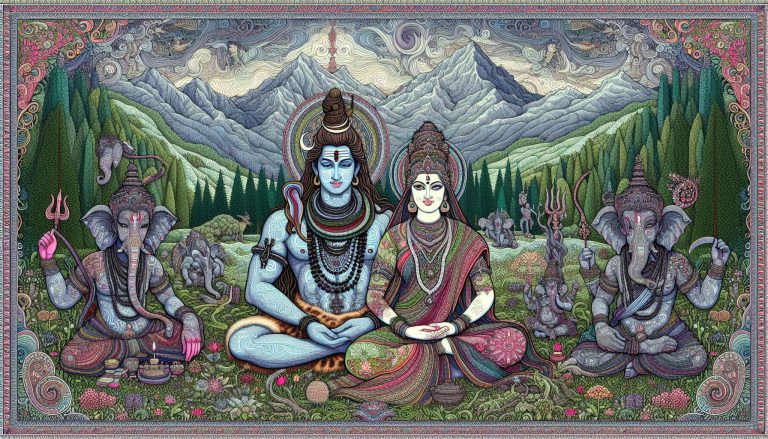
I’ve always been captivated by how these goddesses represent different facets of life and spirituality. Whether it’s Parvati’s nurturing nature or Kali’s fierce protection, their devotion to Shiva and their roles in the universe offer profound insights. Join me as we explore the intricate dynamics between Shiva and his consorts, unraveling the spiritual significance behind these divine unions.
The Role Of Consorts In Hinduism
Shiva’s consorts hold great importance in Hindu mythology. They are the source of his creative energy and symbolize his dynamic presence in the universe. Parvati, his primary consort, embodies various forms, each representing different aspects of existence.
Parvati and Her Forms
Parvati, the mother goddess, is a symbol of love, marriage, and fertility. She’s often depicted as a beautiful woman surrounded by symbols of affection. Known by many other names and forms, including Shakti, Durga, and Kali, she exemplifies the divine feminine energy. Shakti signifies the pure, divine power that drives creation. Durga, the protective mother of the universe, fights for goodness and is often seen carrying many weapons and riding a lion. Kali, the black goddess, wears a necklace of skulls and is associated with transformation and the end of illusions.
Devotion to Shiva and His Consorts
Devotion to Shiva and his consorts is central to Hindu worship. Shiva is revered in multiple forms, such as a meditative yogi, a dutiful householder, and a powerful destroyer. The devotion to his consorts, like Parvati and her avatars, complements his worship, highlighting the balance between male and female energies in the cosmos. These goddesses offer believers a pathway to understanding complex spiritual truths and the interplay between life’s creation and destruction cycles.
Parvati: The Primary Consort Of Shiva
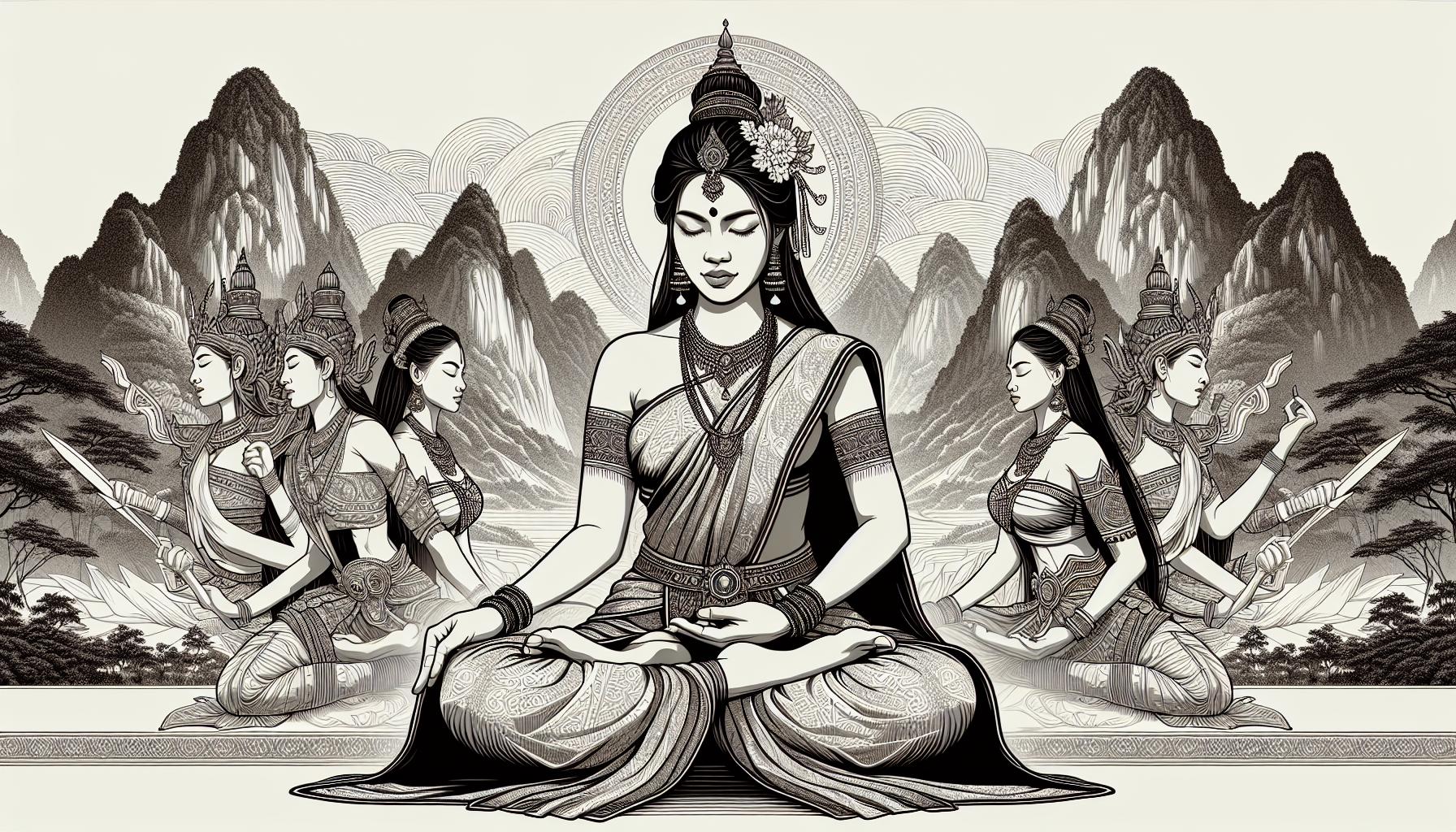
Parvati, Shiva’s primary consort, is a pivotal figure in Hindu mythology. Her presence complements Shiva’s austere nature, bringing balance and harmony to their divine union.
Origins And Symbolism
Parvati’s origins trace back to the Vedas and Puranas. Born as the daughter of the mountain king Himavan and queen Mena, Parvati embodies the Earth’s fertility and nurturing aspects. Represents various faces of existence, she manifests as Shakti (power), Durga (warrior), and Kali (destruction). Each form signifies different dimensions of the divine feminine energy.
Stories And Legends
Numerous stories highlight Parvati’s devotion to Shiva. One notable tale is her meditative austerities to gain Shiva’s favor as a husband. Despite initial rejection, Parvati’s determination led to their eventual marriage. Another famous legend is the birth of their son, Ganesha, who was created by Parvati from clay and later protected by Shiva’s intervention. These stories underline her resilience, devotion, and integral role in cosmic affairs.
Devotion To Parvati
Devotion to Parvati involves revering her multiple forms. Followers pray to Parvati for marital bliss, fertility, and blessings of strength. Festivals such as Navratri celebrate her various manifestations, emphasizing the balance of destruction and creation in the universe. Temples dedicated to Parvati, like the Meenakshi Temple in Madurai, attract millions of devotees seeking her divine grace and blessings.
Other Consorts And Their Significance
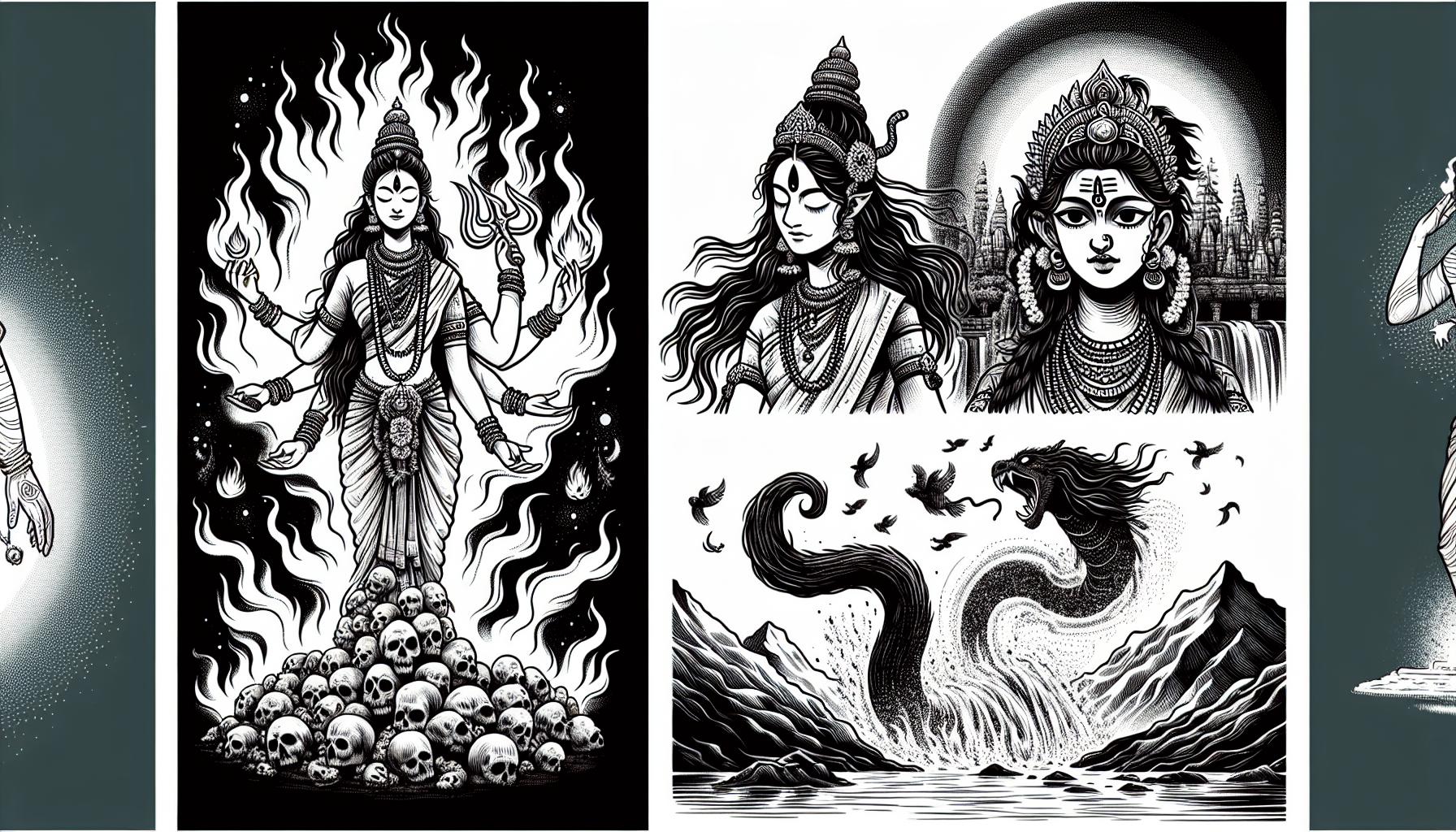
Shiva’s other consorts also hold essential roles in Hindu mythology, each symbolizing unique aspects of existence and devotion.
Sati: The First Love
Sati, the daughter of Daksha, embodies devotion and perseverance. She married Shiva against her father’s wishes, highlighting her unwavering loyalty. After Daksha’s insult during a grand yagna (sacrifice), Sati immolated herself in protest. Shiva, overwhelmed with grief, performed the Tandava dance, carrying her body and causing chaos in the universe. This event signifies the destructive potential of cosmic imbalances. Temples dedicated to Sati often become powerful devotional sites, emphasizing her role in stirring divine energy.
Ganga: The Celestial Connection
Ganga, the river goddess, connects the heavens, earth, and the underworld. She descended to purify the universe, guided by Shiva, who captured her within his matted locks to prevent her destructive force. This relationship between Ganga and Shiva emphasizes purification and enduring devotion. The Ganges River, embodying Ganga, serves as a sacred site for rituals like ablutions and ancestor worship. Devotees believe bathing in the Ganges purifies sin and fosters spiritual growth, reinforcing Ganga’s significance in everyday spiritual practices.
Kali: The Fierce Protector
Kali, one of Parvati’s fierce forms, stands as a symbol of destruction and protection. Depicted in a terrifying form with a garland of skulls, she combats evil and safeguards devotees. Her association with Shiva showcases their combined power to maintain cosmic balance. Kali’s worship centers on seeking strength to overcome obstacles and fear. Festivals like Kali Puja involve fervent prayers and rituals, drawing devotees wishing for her blessings in protection and empowerment. Temples dedicated to Kali highlight her role as a fierce guardian and a divine force countering negative energies.
The Role Of Devotion In Worship
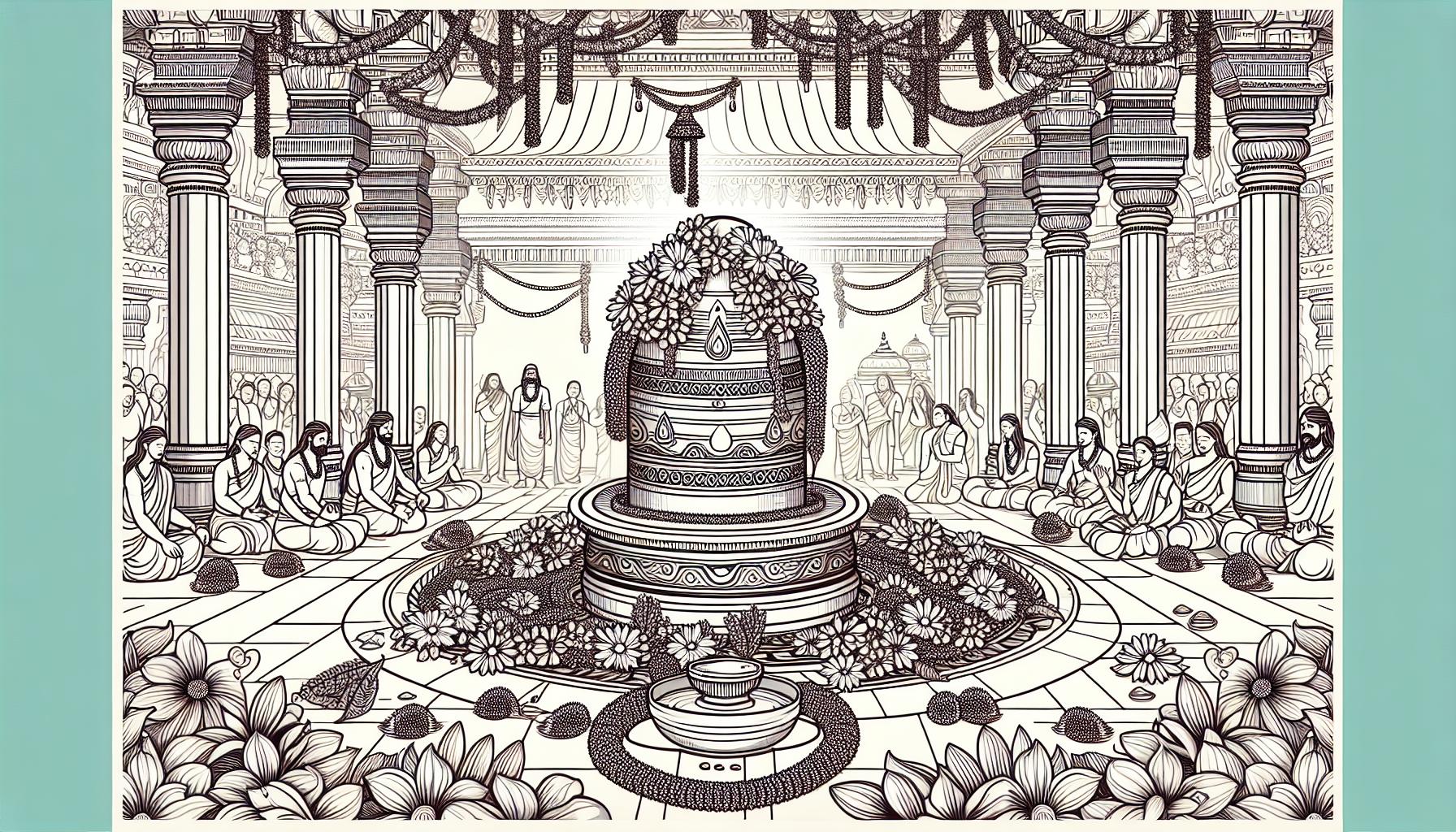
Devotion forms the core of Shiva worship. It connects devotees to the divine, fostering spiritual growth and understanding.
Rituals And Practices
Daily rituals form a vital part of devotion to Shiva and his consorts. Devotees often perform abhishekam, which is pouring substances like milk and ghee over the Shiva Lingam. Chanting mantras such as the Maha Mrityunjaya Mantra enhances focus and spiritual connection. Observing fasts, especially on Mondays, signifies deep respect and complete surrender to Shiva.
Festivals And Celebrations
Several festivals embody the devotion to Shiva and his consorts. Maha Shivaratri, celebrated annually, signifies divine union and involves night-long vigils and prayers. During the nine nights of Navratri, devotees honor Parvati in her various forms, offering prayers and participating in communal gatherings. The festival of Teej, primarily in North India, celebrates Parvati’s devotion to Shiva, with married women fasting and praying for marital bliss.
Temples Dedicated To Shiva And His Consorts
Temples dedicated to Shiva and his consorts dot the landscape of India. The Kashi Vishwanath Temple in Varanasi is a major pilgrimage site where devotees gather to seek blessings. The Meenakshi Temple in Madurai honors Parvati as Meenakshi, showcasing intricate architecture and extensive rituals. In Kolkata, the Kali Temple is a significant center of worship for Kali devotees, reflecting her fierce yet protective aspect.
Throughout these practices, festivals, and sacred spaces, devotion to Shiva and his consorts remains a profound and transformative spiritual path. Each ritual act, festive celebration, and temple visit enhances the devotee’s bond with the divine, embodying the rich tapestry of Hindu worship.
Modern Interpretations And Impact
Exploring how Shiva’s consorts and devotion to them impact contemporary culture reveals broad influence on various art forms and worship practices.
Influence On Art And Culture
In modern art, Shiva’s consorts inspire various mediums like painting, sculpture, and dance. Artists often depict Parvati, Sati, and Kali, reflecting their unique attributes. For instance, Raja Ravi Varma’s paintings of Parvati radiate nurturing warmth, while sculptures of Kali evoke power and destruction. Classical dance forms like Bharatanatyam and Kathakali often dramatize stories of Shiva and his consorts through expressive movements and intricate gestures. Bollywood films also embrace these mythological themes, producing movies that bring ancient stories to a modern audience.
Contemporary Worship Practices
Current worship practices show deep-rooted devotion to Shiva and his consorts in everyday life. In urban temples, daily rituals like abhishekam (bathing the deity) and chanting mantras continue to engage devotees. During Maha Shivaratri, all-night vigils and fasting honor Shiva, while Navratri includes worship of the divine feminine, reflecting Parvati’s significance. Modern devotional music incorporates traditional bhajans and new compositions, reaching wider audiences through digital platforms. Yoga and meditation practices often invoke Shiva and Parvati’s imagery, aiming to balance masculine and feminine energies within practitioners.
Conclusion
Understanding Shiva’s consorts offers profound insights into Hindu mythology and spirituality. Their roles go beyond myth, influencing modern art and worship practices. Parvati, Sati, Ganga, and Kali each contribute uniquely to the cosmic balance and continue to inspire devotion and creativity. Through festivals, rituals, and artistic expressions, the legacy of Shiva’s consorts remains vibrant, enriching cultural and spiritual life. Their stories remind us of the enduring power of devotion and the importance of balancing energies within ourselves.
Sources & further reading
These themes are explored in greater depth across the following authoritative resources:
- Encyclopaedia Britannica, Hindu Mythology
- Internet Sacred Text Archive, Hinduism
- Mythopedia, Hindu Mythology
- Harvard Pluralism Project, Hindu Tradition
- Wendy Doniger, The Hindus: An Alternative History (Penguin, 2009), ISBN 978-0143116691
External resources for further reading. Apam Napat is not affiliated with these publishers; citation does not imply endorsement.
Based on the classical texts of Hindu mythology, see our sources.