
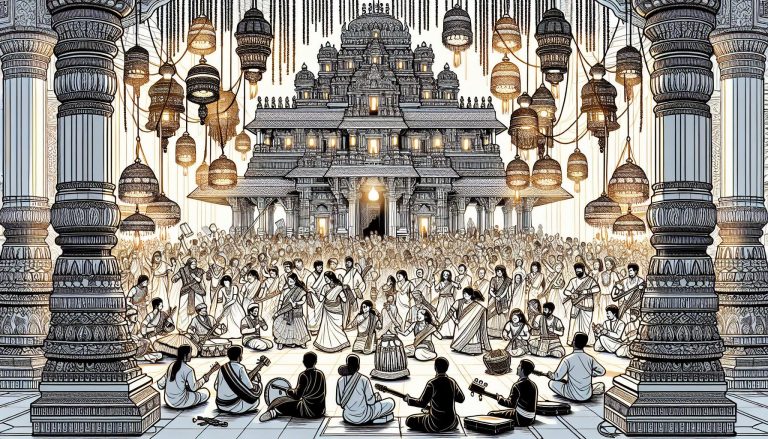
I’ve always been fascinated by how these festivals blend tradition and festivity. From the rhythmic beats of traditional music to the intricate decorations that adorn the temple, every element tells a story. Whether you’re a devout follower or a curious traveler, exploring these festivals offers a unique glimpse into the heart of cultural and spiritual life.
The Significance of Temple Festivals
Temple festivals symbolize the intersection of spirituality and culture. Rooted in centuries-old traditions, these festivals often mark important religious events or seasonal transitions. They serve to honor deities and seek blessings for the community.
Rituals form the core of these celebrations. For example, in Hindu temples, rituals like the Abhishekam, a sacred bath of the deity, are performed. In Buddhist temples, ceremonies may include chanting and meditation sessions. These practices create a sense of spiritual rejuvenation among devotees.
Community participation is a hallmark of temple festivals. Local workshops make traditional crafts, and food stalls offer regional delicacies. For example, during Thai Pongal in Tamil Nadu, people cook sweet rice and share it. This communal involvement strengthens social bonds.
Economic impact can’t be ignored. Festivals drive local economies by attracting tourists and boosting sales of local products. For example, the annual Rath Yatra in Puri sees millions of participants, generating significant revenue for the region. This economic boost supports local businesses and artisans.
In essence, temple festivals blend devotion with cultural expression. They provide a platform for preserving traditions, fostering community spirit, and boosting local economies. This multi-dimensional significance makes these festivals an integral part of religious and social life.
Major Temple Festivals Across the World
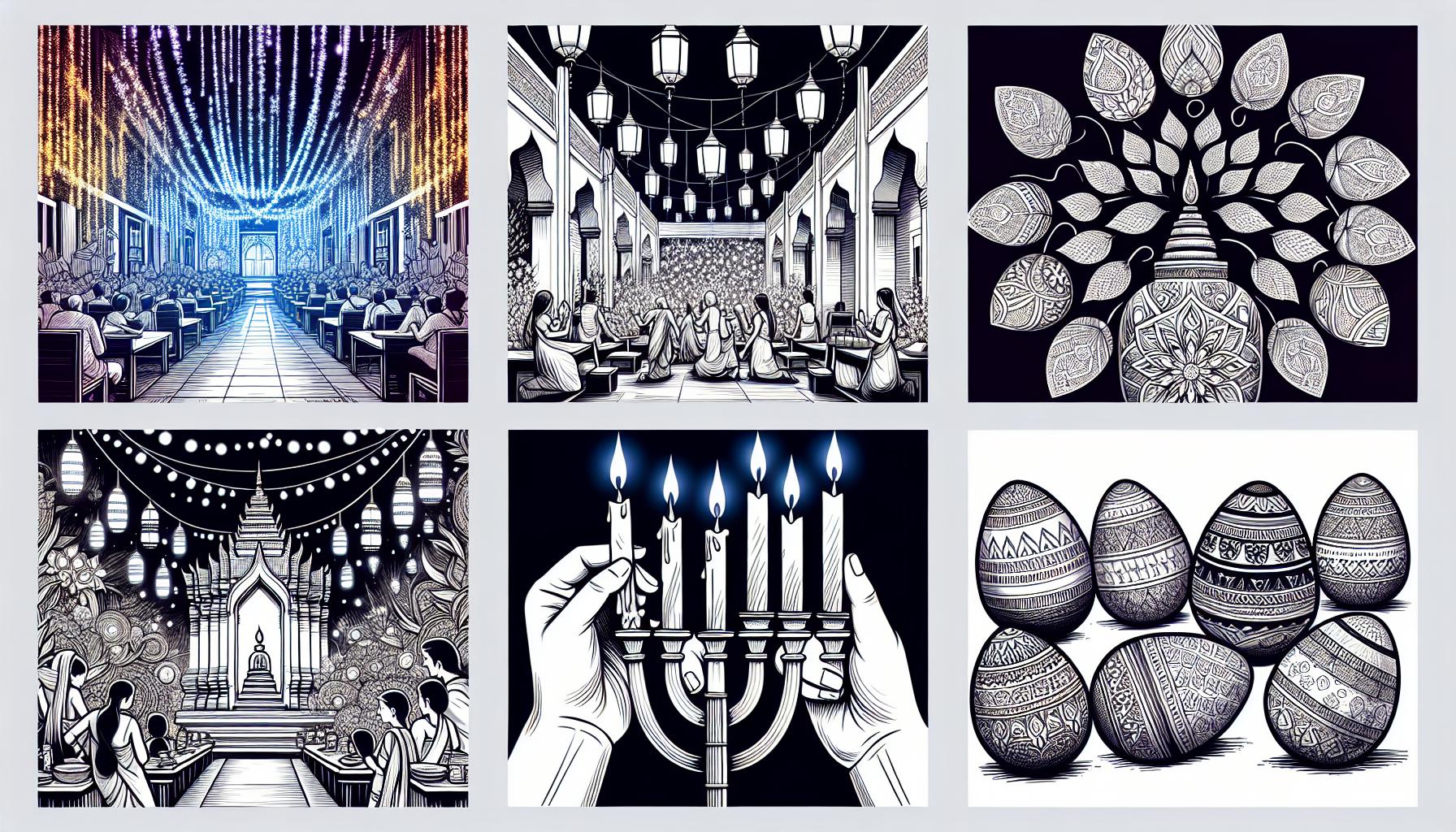
Temple festivals are celebrated globally, each with unique rituals and significance rooted in their respective cultures and religious practices.
Diwali in Hindu Temples
Diwali, also known as the Festival of Lights, is one of the most prominent Hindu festivals. It marks the victory of light over darkness and good over evil. Hindu temples are adorned with lamps and decorative lights. Devotees engage in rituals such as puja (worship) to honor deities like Lakshmi, the goddess of wealth. Fireworks and the sharing of sweets are common, enhancing the festive ambiance.
Vesak in Buddhist Temples
Vesak, celebrating the birth, enlightenment, and death of Buddha, is the most significant Buddhist festival. Buddhist temples host elaborate ceremonies involving chanting, meditation, and offerings. Illuminated lanterns are displayed to symbolize enlightenment. Devotees partake in acts of kindness, reflecting the teachings of Buddha.
Hanukkah in Jewish Temples
Hanukkah, the Festival of Lights in Judaism, commemorates the rededication of the Second Temple in Jerusalem. Jewish temples hold ceremonies where the menorah is lit over eight nights. Each night, one additional candle is lit, symbolizing the miracle of the temple’s menorah burning for eight days with a limited oil supply. Traditional foods like latkes and sufganiyot are enjoyed, and prayers are recited.
Easter in Christian Temples
Easter, celebrating the resurrection of Jesus Christ, is central to Christian faith. Churches (temples) conduct special services, including the Easter Vigil and sunrise services. Rituals such as the Eucharist are observed, and hymns are sung. The festival often includes decorating eggs, symbolizing new life, and community feasts.
Rituals and Traditions
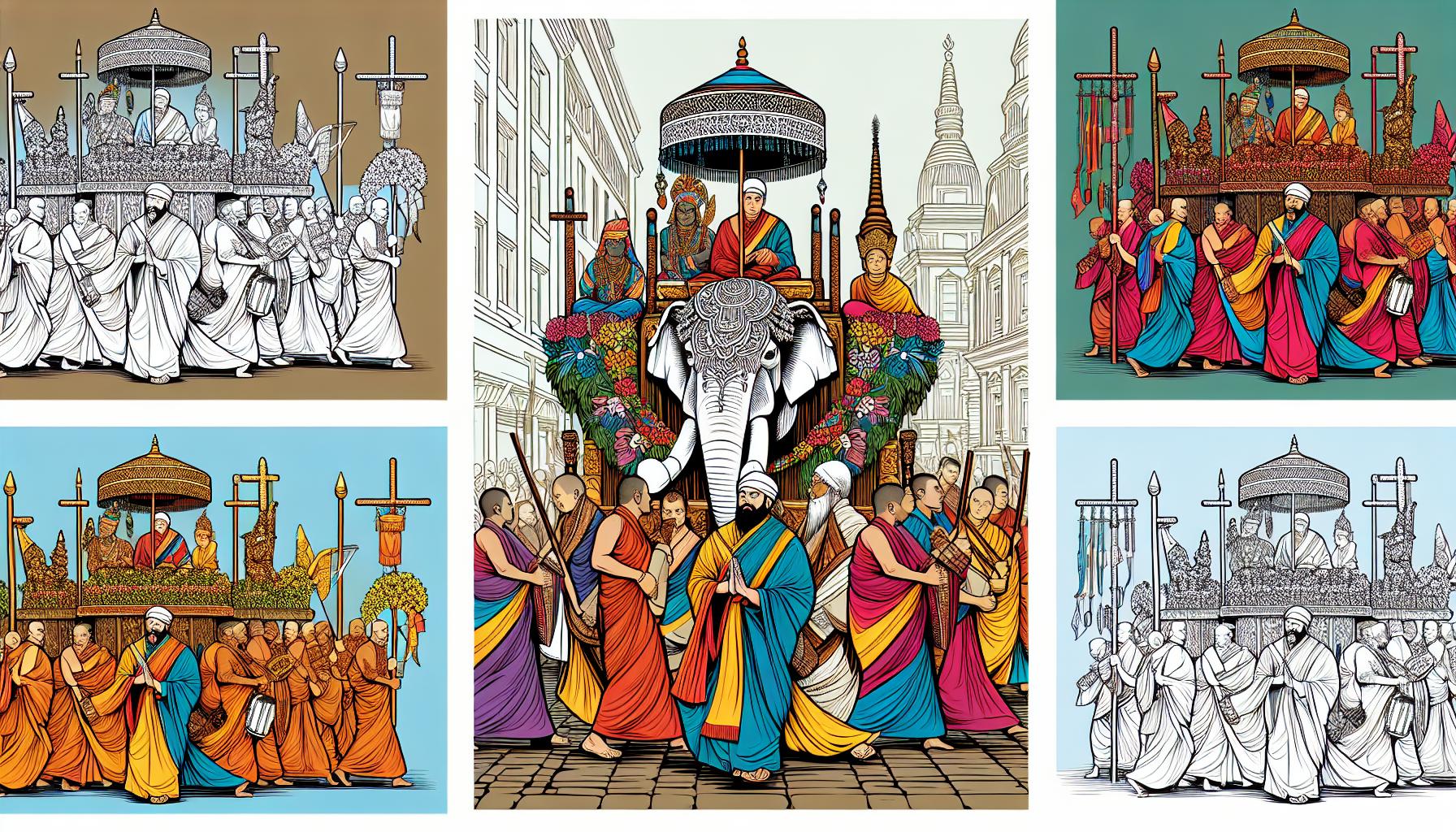
Festivals in temples are deeply rooted in elaborate rituals and long-standing traditions, influencing the celebratory atmosphere.
Processions and Ceremonies
Temple festivals often feature grand processions and intricate ceremonies. Elephants adorned with gold and colorful fabrics lead the way in Hindu temple processions, such as during Thrissur Pooram in Kerala. In Buddhist temples, processions like the Esala Perahera in Sri Lanka involve monks carrying sacred relics amidst drummers and dancers. Christian temples, during events like Easter, host processions where devotees carry crosses and icons, signifying their faith.
Decor and Offerings
Temples transform with elaborate decor and abundant offerings during festivals. Silk cloths, flowers, and lamps adorn Hindu temples, creating a sacred ambiance. Offerings like fruits, sweets, and incense are integral during rituals like Aarti. Buddhist temples display bright lanterns and intricate sand mandalas, with offerings of rice and incense to honor Buddha. Jewish temples, especially during Hanukkah, are embellished with menorahs and festive decorations, with offerings of kosher foods and candles.
Music and Dance
Music and dance play vital roles in temple festivals, enhancing spiritual experiences. Classical music and traditional dances, such as Bharatanatyam and Kathakali, are performed in Hindu temples during festivals like Navratri. In Buddhist temples, chants and traditional drumming elevate the sacred atmosphere. Jewish temple festivals include lively music and dances such as the Hora during Purim. Christian festivals often feature choirs and hymns, creating a harmonious and uplifting environment.
These rituals and traditions shape the essence of temple festivals, ensuring each festival is a unique and enriching spiritual experience.
Cultural and Social Impact
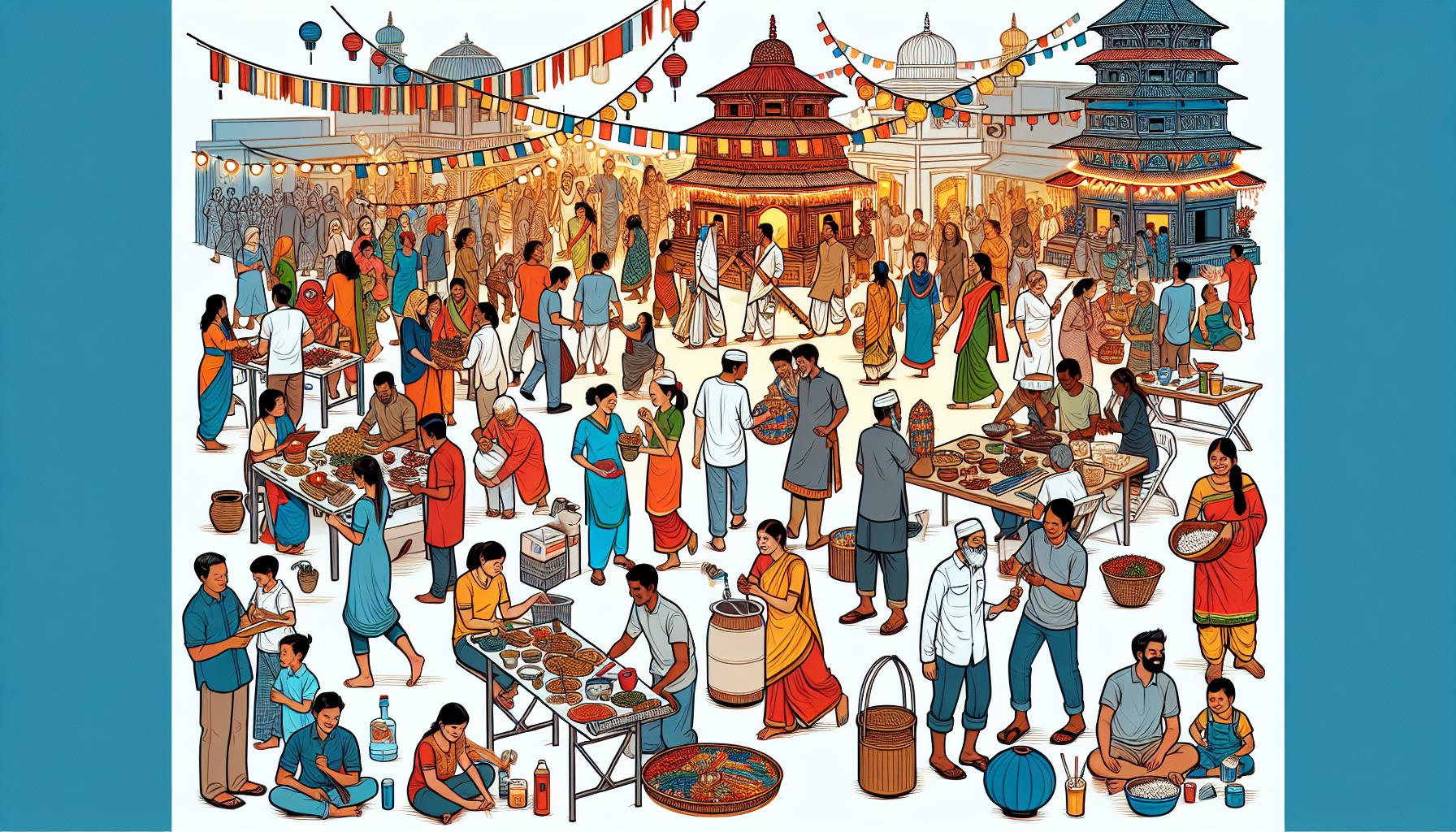
Festivals celebrated in temples play a crucial role in shaping the cultural and social fabric of communities. These events foster a sense of unity and contribute significantly to local economies.
Community Bonding
Temple festivals strengthen community bonds by bringing people together for shared rituals and celebrations. Participants often involve in collaborative activities like preparing festival banners, cooking communal meals, and organizing processions. For instance, during Diwali festivals in Hindu temples, families come together to light lamps and share sweets. Such collective participation nurtures social harmony by promoting inclusiveness and mutual respect among diverse community members.
Economic Contributions
Temple festivals stimulate local economies through increased tourism, spending, and job creation. These events attract visitors who spend on local accommodations, food, and crafts. For example, the Vesak festival in Buddhist temples sees a surge in the sale of traditional lanterns and other religious artifacts. Temporary employment opportunities also rise due to the need for vendors, decorators, and performers. Thus, temple festivals not only preserve cultural heritage but also drive economic growth in their locales.
Preserving Traditions
Temples serve as custodians of ancient rituals through organized festivals. These celebrations ensure cultural continuity.
Role of Temples in Modern Society
Temples play a vital role in community unity by hosting festivals that act as social anchors. Modern society sees these spaces as centers of cultural education. Temples teach art forms like classical dance and music, preserving ancient skills. Elders pass on narratives, providing historical context to younger generations. Festivals offer platforms for artisans to showcase their craft, promoting traditional art forms. Community service projects often coincide with festivals, underlining the temples’ importance.
Challenges and Solutions
While preserving traditions, temples face issues like crowd management. To address this, they employ technology for crowd control and communication. Conservation of ancient structures also presents challenges. Temples collaborate with government bodies to restore and maintain these historic sites. Funding remains a significant concern; temples organize fundraising events and seek donations to sustain activities. Balancing modernization with tradition requires careful planning, ensuring festivals remain relevant.
Conclusion
Temple festivals are more than just religious events; they’re vibrant celebrations that blend spirituality and culture. They play a crucial role in fostering community bonds and supporting local economies. By preserving traditions and promoting cultural education, temples ensure these festivals remain relevant in modern society. Despite challenges like crowd management and conservation, innovative solutions can help maintain the integrity of these cherished events. As we continue to embrace both tradition and modernization, temple festivals will undoubtedly remain a vital part of our cultural heritage.
Sources & further reading
These themes are explored in greater depth across the following authoritative resources:
- Britannica, Hindu Temple Architecture
- Met Museum, Hinduism in the Arts
- Britannica, Iconography
- Stella Kramrisch, The Hindu Temple (Motilal Banarsidass, 1946)
- Heinrich Zimmer, Myths and Symbols in Indian Art and Civilization (Princeton University Press, 1946)
External resources for further reading. Apam Napat is not affiliated with these publishers; citation does not imply endorsement.
Frequently asked questions
Why are temple festivals important?
How is Diwali celebrated in Hindu temples?
What is Vesak and how is it observed?
What is the Rath Yatra in Puri?
What is Abhishekam in temple festivals?
Based on the classical texts of Hindu mythology, see our sources.