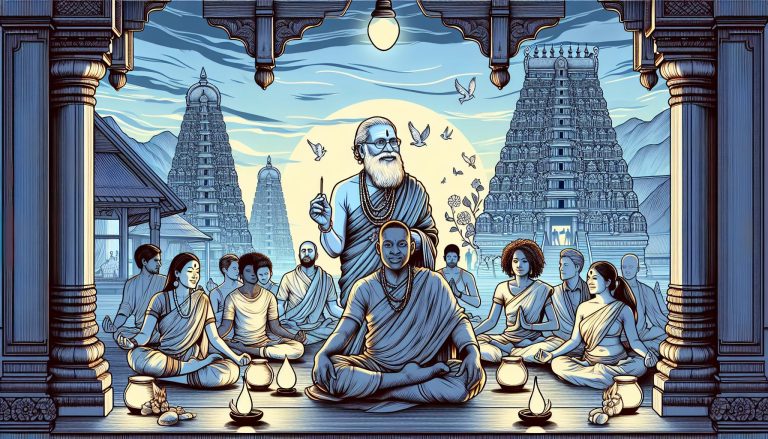
I’ve always been fascinated by how these rituals and traditions reflect the core beliefs of Hinduism. Whether it’s the serene practice of yoga or the vibrant celebrations of festivals like Diwali, each spiritual activity carries profound meaning and purpose. Let’s explore some of the most significant spiritual practices in Hinduism and understand how they guide millions toward a life of balance, devotion, and inner peace.
Overview Of Spiritual Practices In Hinduism
Hinduism embraces a broad spectrum of spiritual practices designed to foster a strong connection with the divine. These practices, deeply rooted in the traditions, vary in complexity and significance.
Daily Rituals
Daily rituals, known in Sanskrit as “Nitya Karma,” are integral to Hindu life. Consisting of activities like prayer, meditation, and offerings, these routines help maintain spiritual discipline. For example, many Hindus start their day with a ritual known as “Sandhyavandanam,” which involves chanting specific mantras and performing physical gestures to honor the divine.
Yoga
Yoga is a pivotal spiritual practice in Hinduism, known for its physical, mental, and spiritual benefits. It’s divided into different paths, each catering to various spiritual needs:
- Hatha Yoga: Focuses on physical postures and breath control.
- Raja Yoga: Emphasizes meditation and strict adherence to ethical conduct.
- Bhakti Yoga: Centers on devotion to a personal deity.
- Jnana Yoga: Involves the pursuit of wisdom and knowledge.
Pilgrimages
Pilgrimages, or “Tirtha Yatra,” hold immense significance in Hindu traditions. Devotees visit sacred sites, believing that doing so will purify their souls and bring them closer to the divine. Renowned pilgrimage destinations include:
- Varanasi: One of the holiest cities, located on the banks of the Ganges River.
- Tirupati: Famous for the Tirumala Venkateswara Temple.
- Rameswaram: Known for its connection to the epic Ramayana – Epic of Hinduism.
Festivals
Hindu festivals are vibrant celebrations that blend spirituality with community togetherness. Each festival, marked by unique rituals and customs, honors various deities and significant events:
- Diwali: The festival of lights, signifying the victory of good over evil.
- Holi: A colorful celebration of love and the arrival of spring.
- Navratri: A nine-night festival dedicated to the goddess Durga.
Meditation
Meditation, or “Dhyana,” forms a core aspect of Hindu spiritual practice. Through meditation, practitioners seek inner calm and a deeper understanding of the self. Common meditation techniques involve focusing on a mantra, breathing exercises, and visualization.
Mantras and Chanting
Mantras are sacred sounds or phrases chanted during spiritual practices. Reciting mantras is believed to have spiritual, mental, and physical benefits. Examples include:
- Gayatri Mantra: A universal prayer seeking enlightenment.
- Om: Considered the sound of the universe and central to Hindu chanting.
- Mahamrityunjaya Mantra: A chant for protection and health.
Ritualistic Worship (Puja)
Puja is a ceremonial worship that involves offering food, flowers, and incense to deities. Performed in homes and temples, puja strengthens the devotee’s relationship with the divine and fosters spiritual growth.
By integrating these spiritual practices into daily life, Hindus achieve a harmonious balance between their inner and outer worlds. These practices, steeped in tradition, embody the essence of Hindu spirituality.
Meditation And Yoga
Meditation and yoga are integral to Hinduism, promoting spiritual growth and inner peace. These practices offer various techniques and paths to achieve a deeper connection with one’s self and the divine.
Types Of Meditation
Hindu meditation embraces different forms, each with a unique focus and method:
- Mindfulness Meditation – Practiced by focusing on the present moment without judgment, often starting with breath awareness.
- Mantra Meditation – Involves repeating sacred sounds like “Om” or “Gayatri Mantra” to transcend ordinary experiences.
- Transcendental Meditation – A technique where one silently repeats a specific mantra to achieve a deep state of rest.
- Visualization Meditation – Engages the mind in visualizing deities or cosmic scenes to cultivate devotion and aspects of divine qualities.
- Physical – Improves flexibility, strength, and balance. Asanas like “Surya Namaskar” (Sun Salutation) enhance physical health.
- Mental – Reduces stress, anxiety, and depression. Practices such as “Pranayama” (breath control) contribute to mental clarity.
- Spiritual – Fosters a connection to the inner self and the divine. Paths like “Raja Yoga” focus on meditation, leading to spiritual awakening.
- Emotional – Encourages emotional stability and tranquility. Techniques from “Bhakti Yoga” emphasize love and devotion, offering emotional fulfillment.
Rituals And Ceremonies
Hinduism incorporates various rituals and ceremonies, each carrying deep spiritual significance. These practices connect followers with their faith on a daily and festive basis.
Daily Rituals
Daily rituals in Hinduism, or “nitya karmas”, form an essential part of a devout Hindu’s life. Morning prayers, known as “Sandhyavandanam”, involve chanting mantras to start the day with spiritual mindfulness. Puja, an offering to deities, includes elements like flowers, incense, and food, done either at home or in temples. The recitation of sacred texts such as the Bhagavad Gita or Vedas fosters a deeper understanding and connection with the divine. These rituals aim to purify the mind and environment.
Major Hindu Festivals
Hindu festivals, or “utsavas”, celebrate significant events in Hindu mythology and seasonal changes. Diwali, the festival of lights, symbolizes the victory of light over darkness and good over evil, marked by lighting lamps and fireworks. Holi, the festival of colors, commemorates the arrival of spring and the victory of good over evil, with vibrant colors and joyful celebrations. Navaratri, dedicated to the goddess Durga, involves nine nights of dance, music, and fasting, culminating in Dussehra, symbolizing the triumph of good over evil. These festivals embody community spirit and devotion.
Devotional Practices
Hinduism includes a variety of devotional practices that express deep love and reverence for the divine.
Bhakti Yoga
Bhakti Yoga emphasizes worship and showing love and devotion to God. It involves praying to an image of a deity in my home’s shrine, showing devotion to Brahman – The Supreme Truth. Daily practices, including chanting and singing hymns, help me cultivate a personal connection with the divine. Bhakti Yoga encourages selfless actions performed as offerings to God.
Bhakti Movement
The Bhakti Movement, which began in Tamilakam during the 6th century CE, spread across India. It focused on an intense emotional bond between a devotee and a personal god. Influenced by poet-saints and regional traditions, it encompasses Vaishnavism, Shaivism, and Shaktism. I participate in activities inspired by this movement, such as community singing and listening to devotional poetry to reinforce my spiritual connection.
Pilgrimage Traditions
Pilgrimage plays a significant role in showing devotion and seeking spiritual enlightenment. Visiting pilgrimage sites associated with specific deities or events is common. For instance, traveling to Varanasi to honor Lord Shiva or to Vrindavan for Lord Krishna – An Incarnation of Vishnu’s pastimes deepens my spiritual experiences. These journeys vary regionally, reflecting local religious practices. In South India, the Bhakti movement has significantly influenced pilgrimage practices, encouraging me to participate in the regional traditions that enhance my devotion.
Scripture And Study
Hinduism, a religion with a rich world of beliefs and practices, places significant emphasis on scripture and study. These form the bedrock of spiritual understanding and growth.
Sacred Texts
Hinduism boasts a vast array of sacred texts, grouped into Shruti and Smriti. Shruti, meaning “heard,” includes the Vedas and Upanishads. The Vedas are the oldest scriptures, comprising Rigveda, Samaveda, Yajurveda, and Atharvaveda. The Upanishads, philosophical texts, explore spiritual knowledge and concepts like Brahman and Atman.
Smriti, meaning “remembered,” encompasses epics, Puranas, and Dharma Shastras. The Mahabharata – The Great Epic and Ramayana, two major epics, offer moral guidance through stories of divine incarnations. The Bhagavad Gita, part of the Mahabharata, is a dialogue between Arjuna and Krishna, offering profound life lessons. Puranas, a genre of ancient literature, narrate ancient legends and traditions, while Dharma Shastras provide guidelines for righteous living.
Role Of Gurus
Gurus, revered spiritual teachers, play an essential role in Hinduism. They impart knowledge, interpret sacred texts, and guide personal spiritual journeys. Historically, Gurus like Adi Shankaracharya and Swami Vivekananda have profoundly influenced Hindu thought and practice. Adi Shankaracharya, a philosopher, consolidated the doctrine of Advaita Vedanta, while Swami Vivekananda, a disciple of Ramakrishna, propagated Hindu philosophy globally.
In contemporary times, many followers seek spiritual guidance from living Gurus, attending satsangs (spiritual gatherings) and ashrams for direct learning. The Guru-student relationship, built on trust and respect, facilitates deeper spiritual understanding and transformation.
Ethical Practices
In Hinduism, ethical practices play a vital role in guiding individuals on their spiritual journey. These practices are deeply rooted in principles aiming to maintain social order, personal integrity, and spiritual growth.
Principles Of Dharma
Dharma encompasses duties, rights, laws, and conduct. It forms the moral code for righteous living. Adhering to dharma means fulfilling one’s duties based on one’s age, caste, gender, and profession. For instance, a teacher’s duty involves imparting knowledge, while a soldier’s duty includes protecting the nation. Ethical actions aligned with dharma contribute to societal harmony and individual spiritual progression.
Non-Violence (Ahimsa)
Ahimsa represents non-violence in thought, word, and action. This principle goes beyond physical harm, advocating for kindness and compassion toward all living beings. Practicing ahimsa involves abstaining from harmful thoughts, speech, and behavior. Mahatma Gandhi exemplified ahimsa through his peaceful resistance against colonial rule, demonstrating its profound impact on personal and societal transformation.
Conclusion
Hinduism’s spiritual practices offer a holistic approach to personal growth and divine connection. Through daily rituals, meditation, yoga, and devotion, practitioners can achieve physical, mental, and emotional well-being. The rich traditions of pilgrimage and scripture study deepen one’s understanding and commitment to the faith.
The guidance of Gurus and adherence to ethical principles like Dharma and Ahimsa further enrich the spiritual journey. By embracing these diverse practices, individuals can find profound meaning and transformation in their lives.
Sources & further reading
These themes are explored in greater depth across the following authoritative resources:
- Britannica, Yoga in Hinduism
- Britannica, Puja
- Harvard Pluralism Project, Hindu Practice
- Internet Sacred Text Archive, Yoga Sutras of Patanjali
- Diana L. Eck, Banaras: City of Light (Princeton University Press, 1982)
External resources for further reading. Apam Napat is not affiliated with these publishers; citation does not imply endorsement.
Frequently asked questions
What are the main spiritual practices in Hinduism?
What is the meaning of yoga in Hindu spiritual practice?
What is the role of pilgrimages in Hinduism?
Which Hindu festivals carry deep spiritual meaning?
What is Puja in Hindu worship?
Based on the classical texts of Hindu mythology, see our sources.