
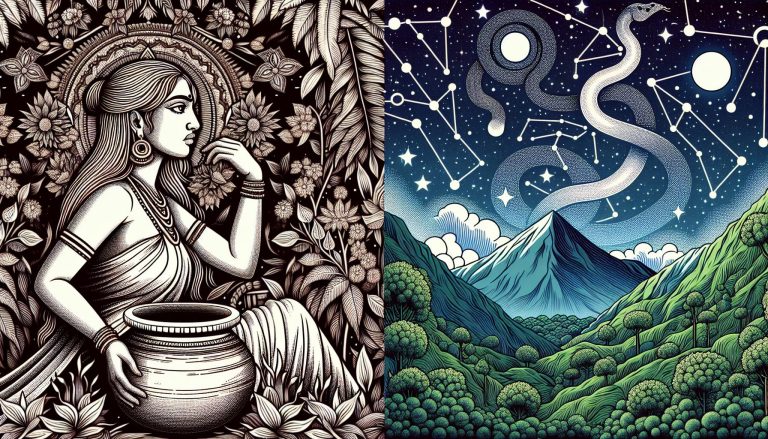
When I investigate into these legends, I find that each character, event, and setting holds a metaphorical significance that transcends time. Whether it’s the epic battles of the Mahabharata – The Great Epic or the enchanting exploits of Krishna – An Incarnation of Vishnu, these stories use vivid imagery to convey complex philosophical ideas in a way that’s both accessible and enlightening.
Understanding Hindu Legend Metaphors
Hindu legend metaphors convey complex spiritual and philosophical ideas. These metaphors make intricate concepts easier to grasp and remember.
Types of Metaphors
Arundhati – The Ideal Wife
Arundhati points to a star, illustrating apophatic theology. It emphasizes the limits of human understanding of the divine. This metaphor suggests that the divine essence transcends human comprehension, reminding us that some truths lie beyond our perception.
Rope-Snake
The rope-snake metaphor distinguishes between perceptual and objective reality. It highlights how our perception can mislead us. Mistaking a rope for a snake illustrates how fear and illusion can cloud our understanding of reality’s true nature. We often perceive the world through a lens of confusion, and this metaphor urges us to seek clarity.
Clay Pot
The clay pot metaphor illustrates the illusion of separateness. It emphasizes that all things are interconnected, part of a larger whole. Although a clay pot appears distinct, it remains part of the same clay. This metaphor teaches the unity of existence, underscoring that individuality is an illusion.
Monkey/Kitten
The monkey and kitten metaphor contrasts grace and works. It highlights the debate between salvation through divine grace and personal effort. A baby monkey clings to its mother, representing self-effort, while a kitten is carried by its mother, symbolizing grace. This metaphor explores the balance between individual actions and divine intervention in the path to spiritual liberation.
Historical Significance
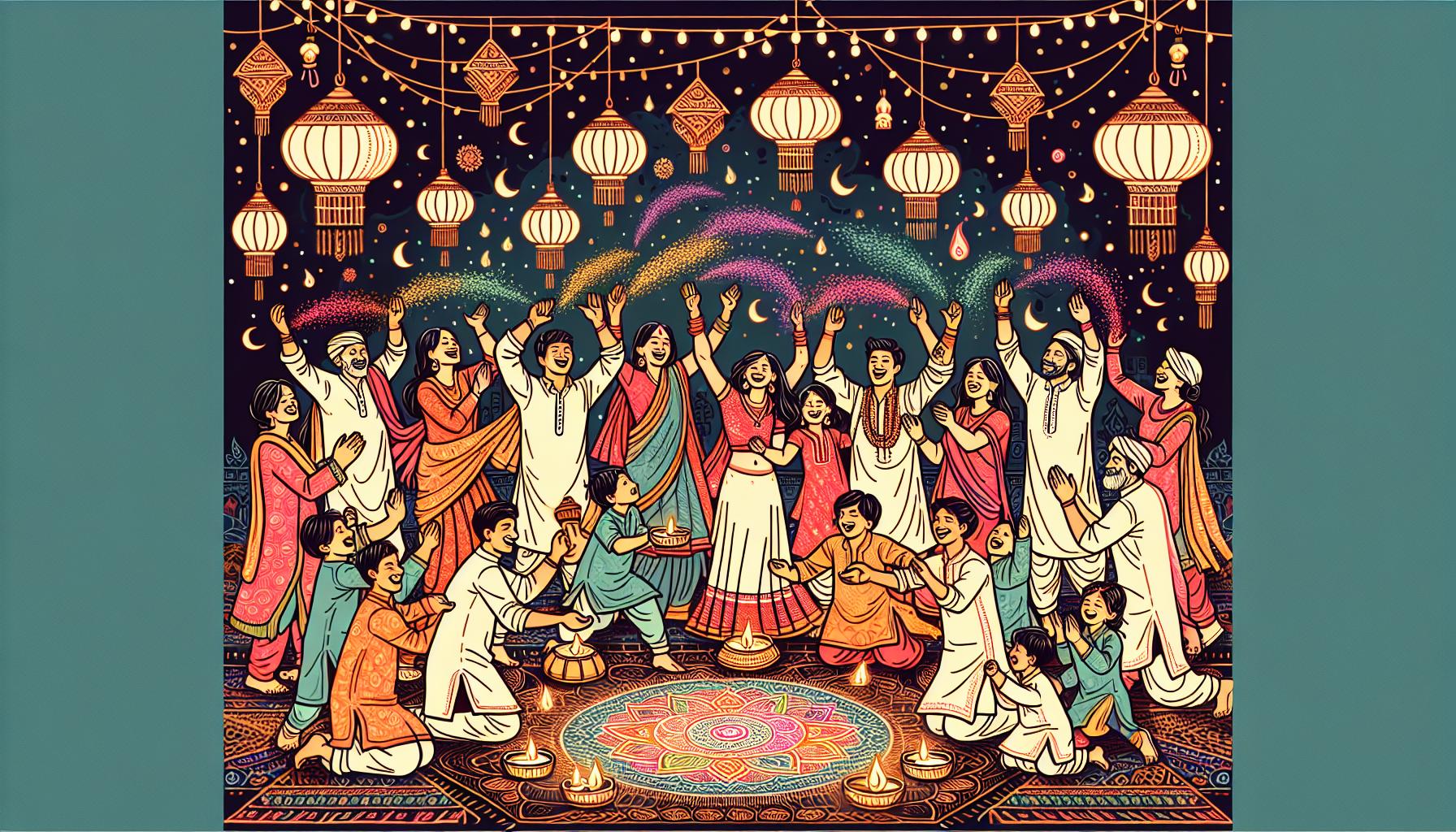
Hindu legend metaphors have been integral in shaping Hindu philosophy and mythology, offering insights into the nature of reality, the universe, and human existence. These metaphors have effectively conveyed complex ideas and moral lessons, making them accessible to broader audiences.
Ancient Texts and Scriptures
Hindu scriptures, including the Vedas, Upanishads, Ramayana – Epic of Hinduism, and Mahabharata, are rich with metaphors that illustrate intricate philosophical concepts. In the Ramayana, the story of Rama and Sita exemplifies virtues like loyalty and duty. The Bhagavad Gita, another essential text, uses the chariot metaphor to explain the human mind and its control. These texts have preserved and propagated these metaphors, ensuring their continuity and relevance across generations.
Cultural Impact Over Time
Over centuries, Hindu legend metaphors have shaped cultural practices, traditions, and societal norms. Festivals like Diwali and Holi draw upon these metaphors to highlight the victory of good over evil and the importance of unity. Also, these metaphors have influenced art, literature, and performing arts, reinforcing their themes and moral lessons. They continue to resonate in contemporary settings, guiding individuals in their personal and spiritual growth.
Common Themes and Symbols
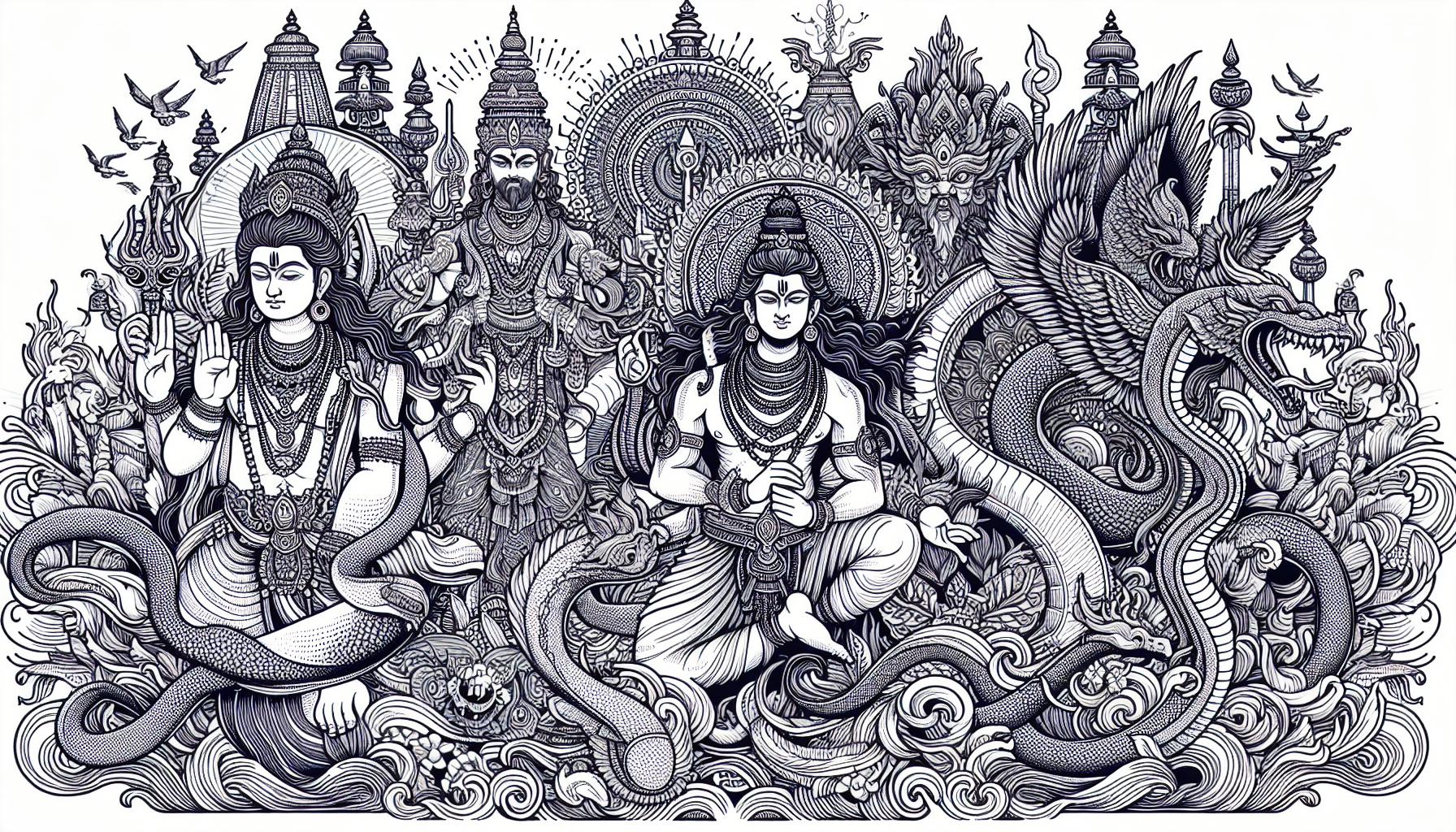
Hindu mythology is rich with diverse themes and symbols that add depth to its narratives. These elements reveal profound truths about human existence and the universe.
Duality
Duality is a prevailing theme in Hindu mythology, often depicting good vs. evil, light vs. darkness, and creation vs. destruction. For example, the struggle between the god Indra and the demon Vritra represents the battle between light and darkness.
Cycles of Life
The cycle of birth, death, and rebirth is a central theme in Hindu mythology. Vishnu’s avatars, such as Krishna and Rama, highlight this cycle by restoring balance to the universe. In these stories, each avatar represents a phase in the continuous cycle of life, echoing the eternal process of creation and dissolution.
Cosmology
Cosmology deeply interweaves with Hindu mythological stories. The god Brahma symbolizes creation, while Shiva embodies destruction. The interconnectedness of these activities illustrates the dynamic cosmos, reflecting the universe’s persistent cycles of birth and annihilation.
Gods and Goddesses
Hindu legends feature a pantheon of gods and goddesses, each symbolizing different cosmic functions. Brahma, Vishnu, and Shiva form the Trimurti, representing creation, preservation, and destruction. Goddesses like Saraswati – The Goddess of Learning and Wisdom, Lakshmi, and Parvati symbolize knowledge, wealth, and power. Each deity’s stories and attributes offer insights into the diverse aspects of existence and spirituality.
Mythical Creatures
Hindu mythology abounds with mythical creatures that enrich the narratives. Naga (serpents), Garuda (a bird-like creature), and Yaksha (nature spirits) play significant roles. For instance, Garuda, Vishnu’s mount, symbolizes strength and divine power. These creatures often personify natural forces and spiritual concepts.
Nature and Elements
Nature and elements hold sacred significance in Hindu legends. Rivers like the Ganges are considered holy and are embodiments of goddesses. Mountains like Kailash are the abodes of gods. Elements such as fire (Agni) and water (Varuna) are deified and play crucial roles in rituals and stories. These natural symbols emphasize human connection to the environment and cosmic order.
Interpretation of Metaphors
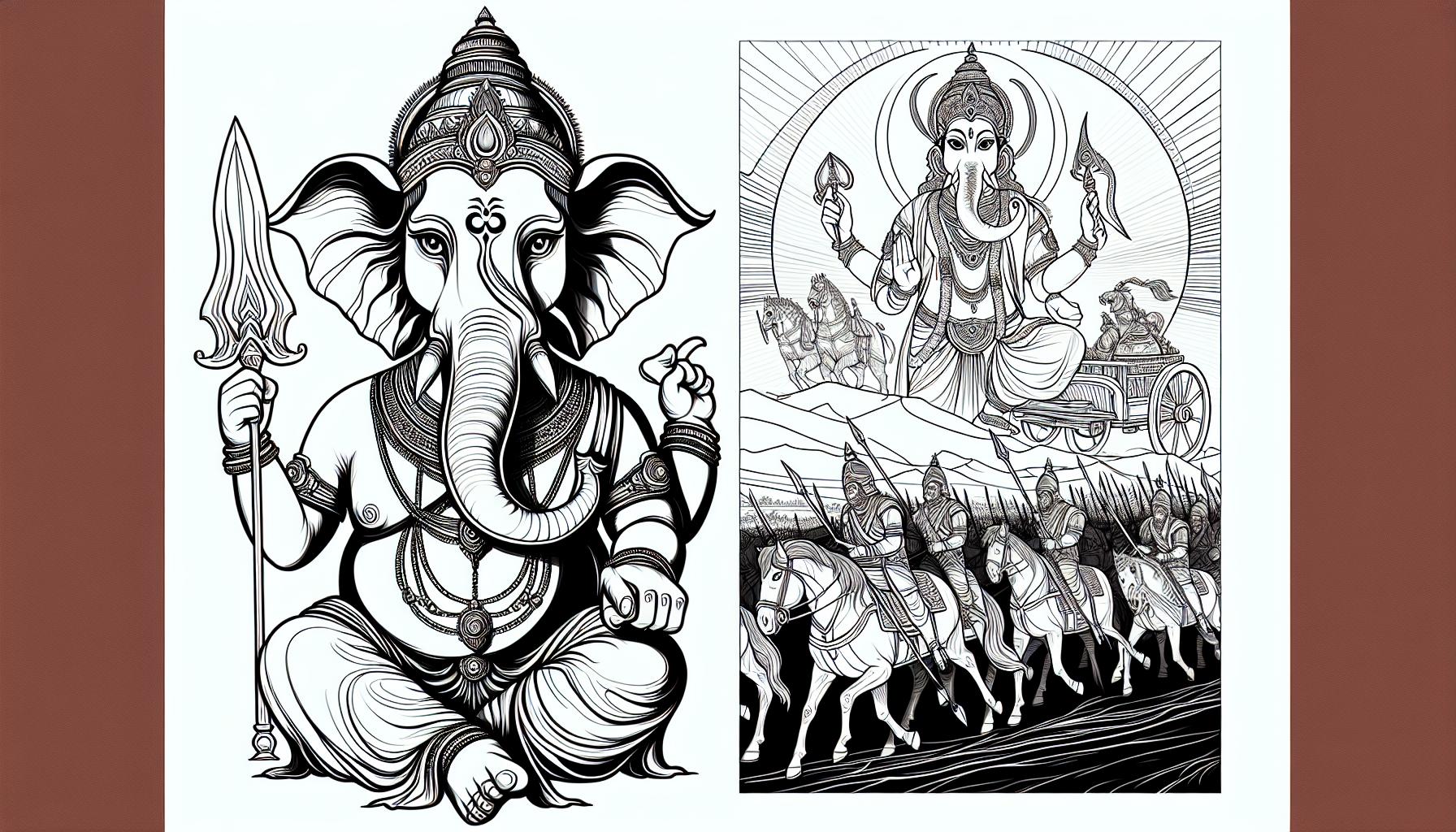
Metaphors in Hindu legends serve as a powerful tool for conveying deep spiritual and moral teachings. These metaphors, found in texts like the Bhagavad Gita and stories about deities like Ganesha, provide profound insights into the human condition.
Spiritual Teachings
Hindu legends are rich in spiritual teachings that are conveyed through metaphors. The Bhagavad Gita, for instance, uses war metaphors to describe the inner struggle for self-mastery. This internal battle, symbolized by the battlefield of Kurukshetra, illustrates the conflict between good and evil within the self. Another example is the story of Ganesha. His broken tusk symbolizes his wisdom and ability to overcome obstacles. These teachings help individuals understand their spiritual journey, guiding them toward self-realization.
Moral Lessons
Metaphors in Hindu legends also convey essential moral lessons. Stories like that of Ganesha highlight virtues such as intelligence and perseverance. The elephant-headed god’s ability to remove obstacles is a metaphor for overcoming life’s challenges with wisdom and determination. Similarly, tales from the Ramayana and Mahabharata use metaphorical elements to teach the importance of righteousness, duty, and loyalty. By embedding moral lessons within captivating stories, Hindu legends offer practical guidance for leading a virtuous life.
Influence on Modern Literature and Media
Hindu legend metaphors have left a notable mark on modern literature and media, showing up in various books, novels, movies, and television.
Books and Novels
Hindu philosophy and legends have influenced Western literature, with many authors incorporating Indian ideas and values into their works. Ralph Waldo Emerson’s poem “Brahma” reflects his profound interest in Hinduism. Metaphorically, Hindu legends convey complex ideas and themes in literature. The concept of reincarnation, for example, has been used to investigate into themes of personal growth and transformation.
Movies and Television
Hindu legends have been incorporated into modern media, often blending seamlessly with Western cultural elements. This cultural fusion enriches narratives and introduces audiences to diverse mythological themes. Movies and TV shows often draw from Hindu mythology to explore universal themes and complex character arcs, creating compelling stories that resonate with global audiences.
Conclusion
Hindu legend metaphors offer a profound lens through which we can understand complex spiritual and philosophical ideas. By exploring these rich symbols, we gain deeper insights into the human experience and the timeless wisdom embedded in ancient traditions.
Their influence extends beyond religious texts, shaping modern literature and media in ways that resonate with audiences worldwide. This blending of Eastern and Western narratives enriches our cultural world, providing stories that are both universal and deeply personal.
Eventually, these metaphors not only preserve the essence of Hindu philosophy but also inspire and challenge us to reflect on our own lives and beliefs.
Sources & further reading
These themes are explored in greater depth across the following authoritative resources:
- Stanford Encyclopedia of Philosophy, Hindu Philosophy
- Mythopedia, Hindu Mythology
- Britannica, Hindu Mythology
- Sheldon Pollock, The Language of the Gods in the World of Men (University of California Press, 2006)
- A. K. Ramanujan, The Collected Essays (Oxford University Press, 1999)
External resources for further reading. Apam Napat is not affiliated with these publishers; citation does not imply endorsement.
Frequently asked questions
What do Hindu legend metaphors represent?
What does the rope-snake metaphor teach?
What does the clay pot metaphor mean in Hindu thought?
What is the monkey and kitten metaphor about?
What is the chariot metaphor in the Bhagavad Gita?
Based on the classical texts of Hindu mythology, see our sources.