Exploring ultimate reality isn’t just an academic exercise; it has profound implications for our lives. By grasping the essence of what truly is, we can find deeper meaning, purpose, and connection in our existence. This journey can transform how we view ourselves and the world around us, making it an essential pursuit for anyone seeking a richer, more enlightened life.
Understanding Ultimate Reality
Ultimate reality transcends the physical and non-physical dimensions of our world. It refers to the most powerful, all-inclusive reality from which all things originate. Often described as the state of things as they truly are, it goes beyond human perception and understanding. Many religious and philosophical traditions, including Christianity, centralize this concept. Terms like God, Yahweh, Christ, and Jehovah frequently represent ultimate reality in these contexts.
Transcendence and Eternality
Ultimate reality exists beyond time and space constraints. It is eternal and all-powerful. Seen as the source of everything, it encompasses both the physical and non-physical aspects of existence. This understanding provides a broader perspective on the origins and nature of the universe.
Human Connection and Purpose
Belief in ultimate reality offers a deeper understanding of human existence and purpose. It suggests a connection that extends beyond the material world, providing meaning to our lives. By relating to this concept, individuals might find a greater sense of purpose, directing their actions and thoughts in alignment with this all-encompassing reality.
Historical Perspectives
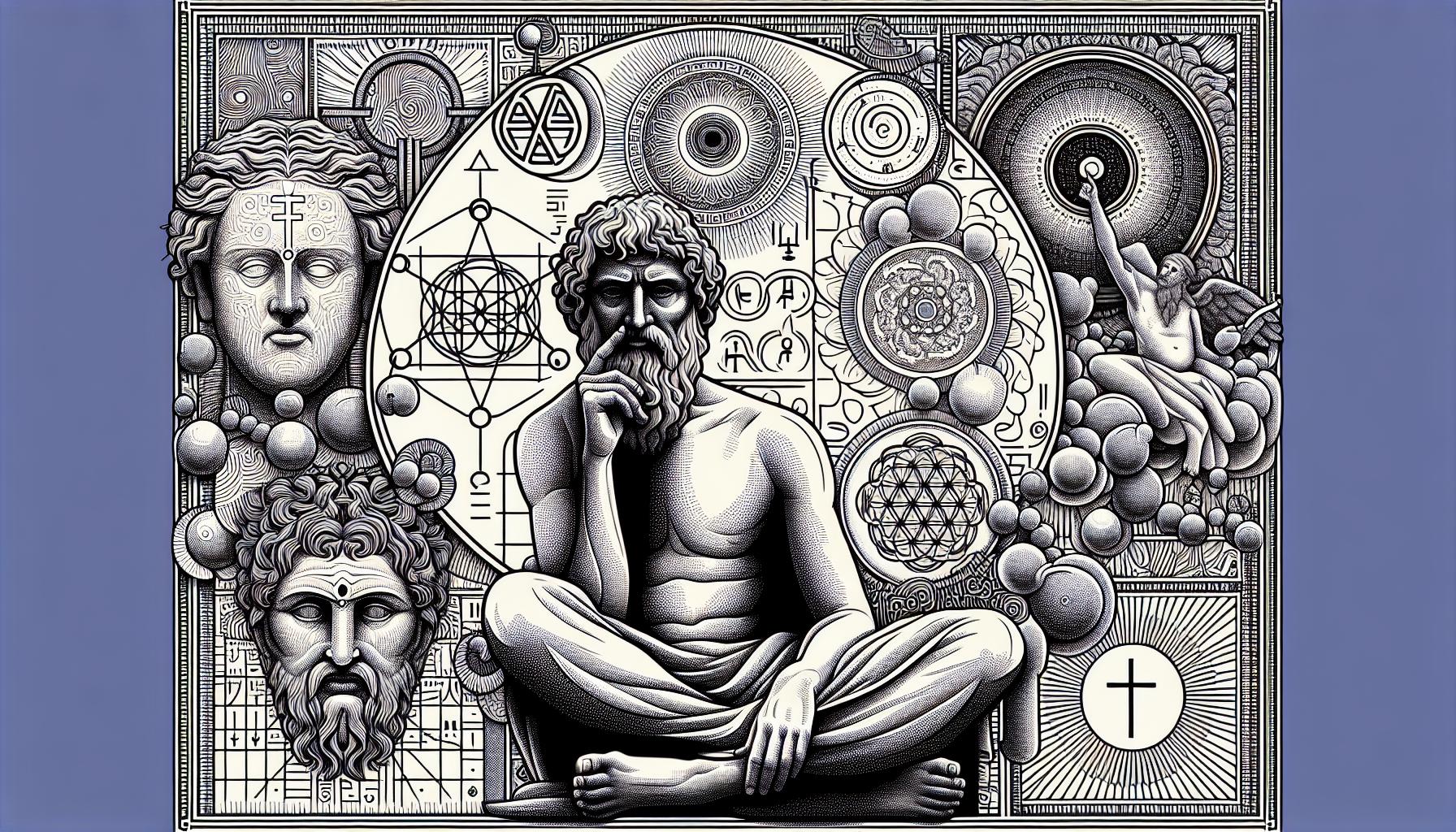
Throughout history, philosophers and theologians have examined the concept of ultimate reality. They aimed to uncover fundamental truths about our existence and the nature of the universe.
Ancient Philosophies
Ancient Greek philosophers like Plato and Aristotle extensively explored ultimate reality. Plato proposed a higher, eternal area of abstract Forms or Ideas as the true reality, considering the physical world an imperfect reflection. He believed these Forms represented the highest level of understanding. Aristotle, diverging from Plato’s views, regarded metaphysics as the first philosophy and the highest science. He studied the essence and attributes of reality, particularly focusing on God as the unchanging prime mover, which he saw as the ultimate reality.
In Indian philosophy, notably in the Vedic tradition, the concept of Brahman – The Supreme Truth represents the unchanging, all-encompassing reality underlying the universe. Philosophers in this tradition examined Brahman to understand the fundamental nature of existence, aiming to transcend the physical world and connect with this ultimate reality.
Religious Views
In various religious traditions, ultimate reality holds a pivotal role. In Christianity, it’s often linked to God or Christ, representing an eternal, transcendent force beyond time and space. This perspective aligns human existence with a higher purpose and provides a comprehensive view of the universe. By understanding and connecting with this ultimate reality, individuals find deeper meaning in life and a sense of purpose beyond the material world.
Modern Interpretations
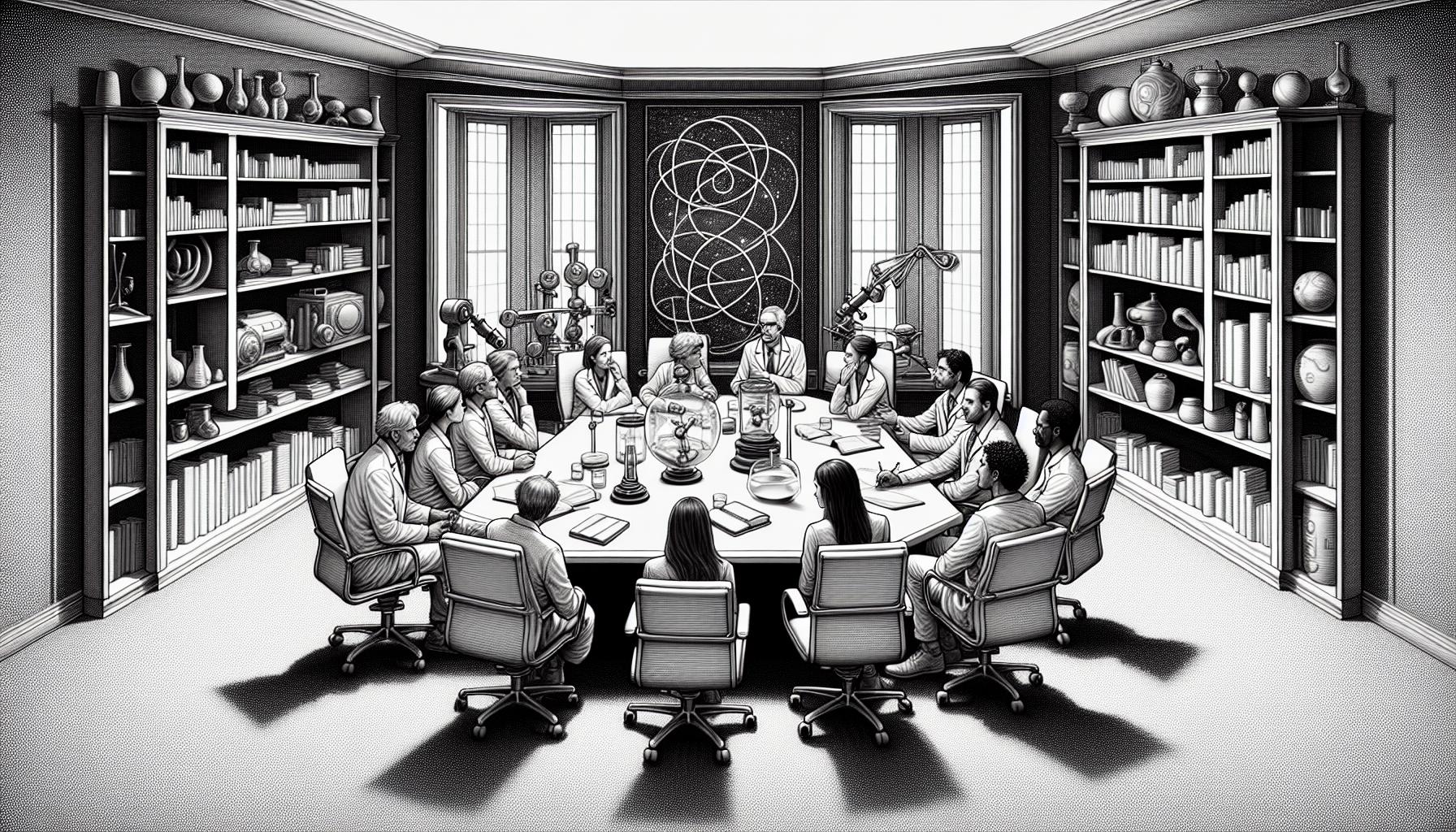
Modern interpretations of ultimate reality vary widely, reflecting diverse perspectives and approaches.
Scientific Perspectives
In scientific perspectives, ultimate reality encompasses several theories and views:
- Positivism: Positivism confines itself to the data of experience and excludes a priori or metaphysical explanations. By emphasizing the study of facts and regularities in nature and society, positivists formulate laws to describe phenomena. It roots ultimate reality in observable and measurable events.
- Physicalism: Physicalism posits that reality is purely physical. According to this view, all phenomena, from consciousness to cosmic events, can be explained through physical processes and laws. Physicalism reduces complex experiences to their physical components, offering a tangible understanding of ultimate reality.
Philosophical Debates
Within philosophy, debates over ultimate reality investigate into abstract and existential questions:
- Idealism: Some philosophers argue for idealism, which suggests that reality is fundamentally mental or immaterial. Idealists believe that the physical world is an extension or projection of the mind. This challenges the physicalist notion, proposing that ultimate reality might lie in consciousness itself.
- Existentialism: Existentialist thinkers focus on individual experience and existence. They argue that ultimate reality is shaped by personal choices and subjective interpretations. Figures like Jean-Paul Sartre and Søren Kierkegaard suggest that meaning and reality are created rather than discovered.
- Pragmatism: Pragmatists like William James and John Dewey view ultimate reality through practical consequences and usefulness. This perspective posits that truth and reality are not absolute, but dynamically relate to human experiences and actions. Pragmatism emphasizes the actionable and applicable aspects of understanding reality.
By considering these scientific and philosophical perspectives, I can grasp how modern interpretations of ultimate reality differ yet each provides unique insights into the nature of existence.
Personal Implications
Spirituality connects individuals with a higher sense of purpose and ultimate reality.
Spiritual Growth
Personal development stems from a deep engagement with spirituality. Self-reflection and self-improvement are cornerstones of this journey. When I investigate into my spirituality, I consistently find myself reflecting on my actions and their broader impact. This self-examination aids my growth and understanding of my place in the world. By connecting with a higher power, I am not just improving myself but also enhancing my comprehension of existence.
Mental Health Benefits
Mental well-being significantly benefits from spiritual practices. Spirituality provides a framework to find meaning and purpose in life. This sense of connection helps combat feelings of isolation. When I incorporate spiritual rituals into my daily routine, I notice a considerable improvement in my mental health. A study in the “Journal of Spirituality in Mental Health” found that individuals who engage in spiritual practices report higher levels of life satisfaction and lower levels of anxiety. This reinforces the idea that spirituality can serve as a buffer against mental health issues.
Societal Impact
Ultimate reality importance profoundly affects society by shaping moral values and cultural significance. These elements guide behaviors, influence identities, and foster a cohesive community.
Moral Values
Moral values define right and wrong in behavior and conduct, guiding societal judgment. Rooted in cultural and religious beliefs, they maintain social order and cohesion. By influencing individual interactions, moral values shape communities and nations. For instance, honesty and integrity promote trust within a society, while compassion and empathy foster a supportive environment. Moral principles are crucial for conflict resolution and building a fair society.
Cultural Significance
Cultural significance highlights the role of practices, beliefs, and values in shaping identities. Cultures define how people perceive and interact with the world. For example, traditional festivals and rituals strengthen communal bonds and impart shared values. Diverse cultural artifacts, like literature and art, preserve history and promote understanding among different groups. Cultural significance ensures that customs and traditions are passed down, enriching the collective identity of a community.
Conclusion
Exploring ultimate reality isn’t just an intellectual exercise; it has profound personal and societal implications. From guiding our moral compass to shaping cultural identities, this concept goes beyond abstract thought and impacts everyday life. By understanding and embracing ultimate reality, we can find deeper meaning, foster personal growth, and contribute to a more cohesive society. This journey, though complex, is essential for anyone seeking to understand the world and their place within it.
Sources & further reading
These themes are explored in greater depth across the following authoritative resources:
- Stanford Encyclopedia of Philosophy, Hindu Philosophy
- Britannica, Moksha
- Britannica, Brahman
- Internet Sacred Text Archive, Upanishads
- Sarvepalli Radhakrishnan, Indian Philosophy (2 vols., Oxford University Press, 1923)
External resources for further reading. Apam Napat is not affiliated with these publishers; citation does not imply endorsement.
Based on the classical texts of Hindu mythology, see our sources.