
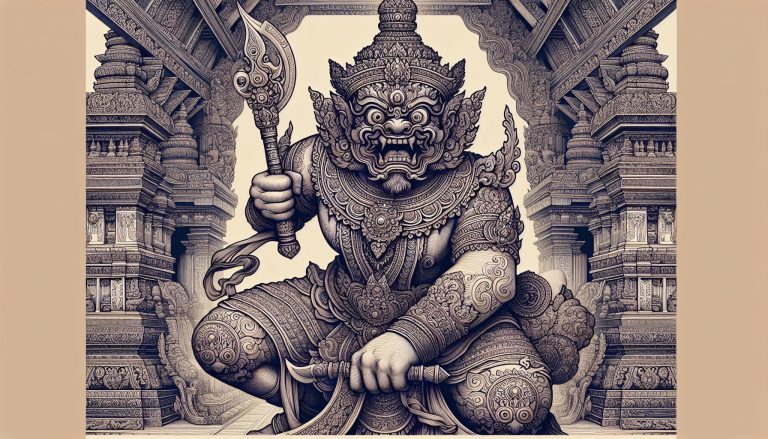
Exploring the cultural impact of the Asura reveals a world of influences that span centuries and continents. From ancient temples adorned with intricate carvings to epic tales that have inspired countless adaptations, the Asura’s presence is undeniable. This article delves into how these mythological figures have permeated different cultural domains, leaving a lasting legacy that’s both captivating and profound.
Origins of Asura
The term “Asura” originates from the Vedas, a collection of hymns composed between 1500 and 1200 BCE. Initially, it referred to a human or divine leader, but the plural form gradually designated a class of beings opposed to the Vedic gods. These beings, called Asuras, held significant roles in mythological narratives.
The Asuras in their earliest context were leaders known for their strength and knowledge. Over time, their characterization shifted, emphasizing their opposition to the Devas, who were the more benevolent gods. This duality created a dynamic interplay in mythological stories.
The linguistic roots of “Asura” also connect to Indo-Iranian cultures. The term “Asura” is closely linked to the Ahuras of Indo-Iranian traditions and pre-Zoroastrian beliefs. These connections highlight the widespread cultural and linguistic impact of the concept across different regions and times.
Mythological Significance
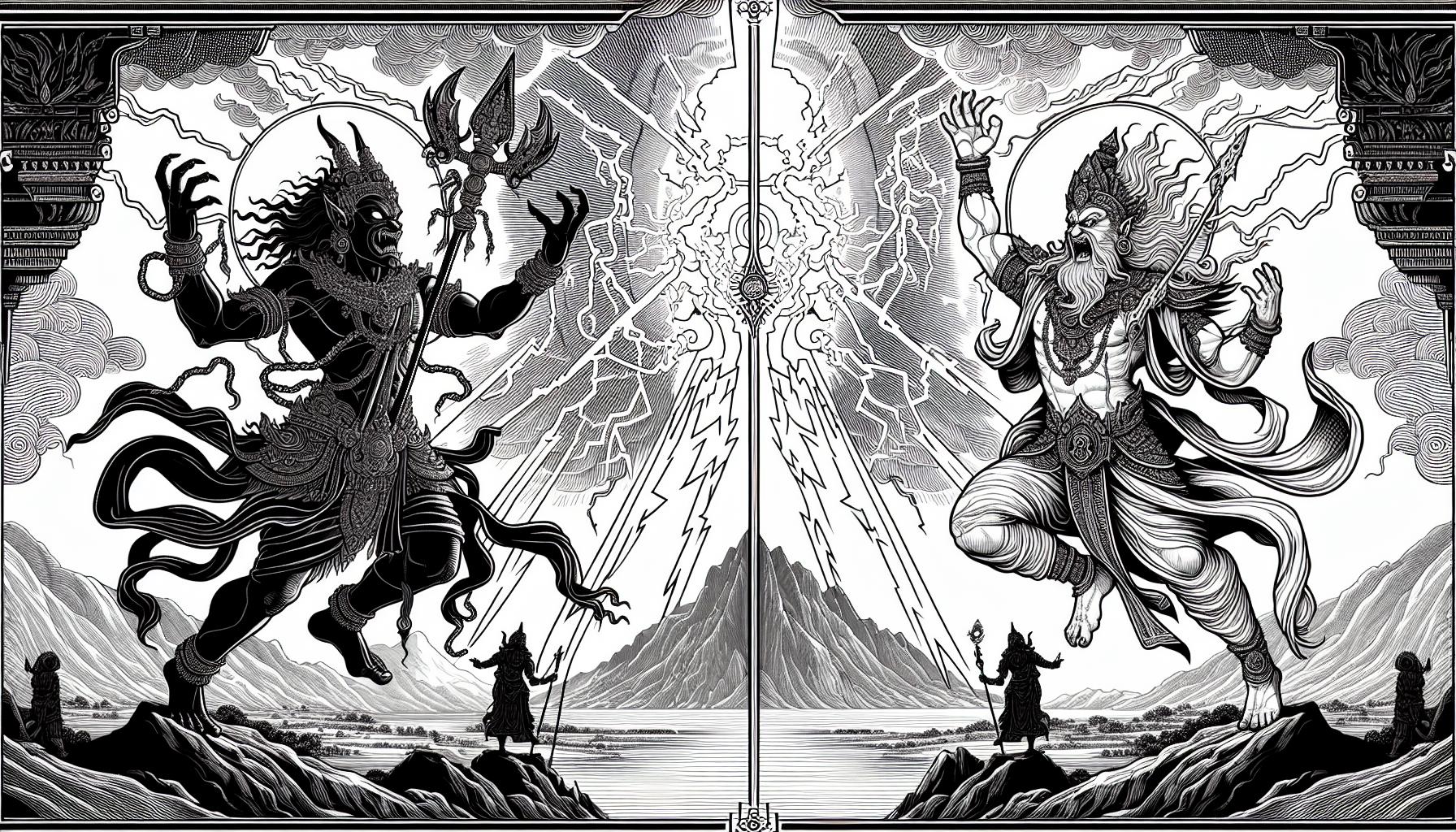
The Asura beings hold a significant place across various mythological and religious traditions. Known for their power and magical abilities, their stories resonate deeply within ancient texts and narratives.
Role in Hindu Mythology
In Hindu mythology, Asuras often oppose the Devas, gods who embody good forces. The most prominent example is Vrtra, an Asura known for his embodiment of evil and direct opposition to the god Indra – The King of Heaven. Indra, god of rain and storms, leads the Devas and wields lightning bolts. He exemplifies kindness and forgiveness, contrasting the malevolent nature of Asuras. The dynamic between Indra and Vrtra showcases the eternal struggle between good and evil. This theme is prevalent in numerous Hindu texts, highlighting the cultural and ethical significance of these mythological battles.
Representation in Buddhist Lore
In Buddhist lore, Asuras are seen differently compared to their Hindu counterparts. They inhabit one of the realms within the Samsara, the cycle of rebirth. Asuras in Buddhism are not inherently evil but possess immense power and often engage in conflicts due to their jealousy and pride. This representation underscores the Buddhist teachings on the pitfalls of desire and the importance of achieving spiritual enlightenment. The concept of Asuras in Buddhism illustrates the diverse ways these beings have been integrated into different religious frameworks, maintaining their cultural relevance across various traditions.
Asura in Literature
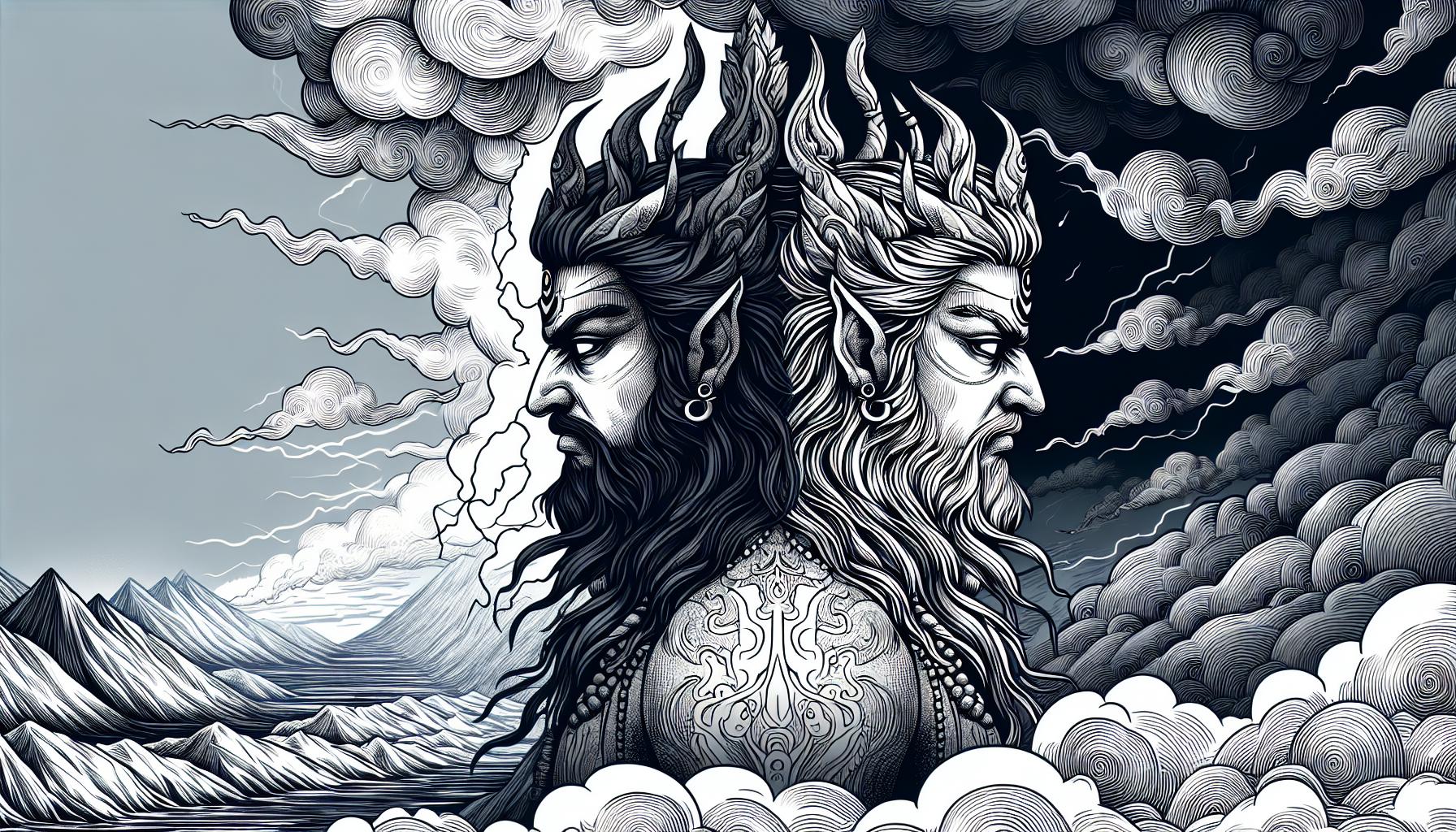
Asuras have left a distinct mark in literary works, offering a rich vein of cultural insights. From ancient texts to modern reinterpretations, their depictions vary but remain impactful.
Ancient Texts and Epics
In Hindu mythology, Asuras often clash with the Devas. Ancient texts like the Rigveda and the Mahabharata – The Great Epic illustrate this conflict, presenting Asuras as powerful but eventually tragic figures. The Epic of Gilgamesh, a Mesopotamian narrative, shares thematic connections, portraying beings who seek immortality but are thwarted. These stories depict Asuras as complex characters, often heroic in their own right, with the Devas sometimes appearing as deceptive victors.
Modern Interpretations
Contemporary literature also revisits Asura narratives. Anand Neelakantan’s novel “Asura: Tale of the Vanquished” reimagines the Ramayana – Epic of Hinduism from Ravana – The Demon King’s perspective. This 2012 novel challenges traditional views, delving into themes of caste, color, and race. By depicting Ravana and Bhadra as marginalized figures, it offers a profound commentary on social hierarchy and justice. This reinterpretation invites readers to empathize with historically vilified characters, exploring broader societal struggles.
Depiction in Art and Media
Artists and media creators have long found inspiration in the figure of the Asura, showcasing their power and complexity through various mediums.
Traditional Art Forms
In traditional Indian art, Asuras appear as formidable, multi-armed, and multi-headed beings. These depictions highlight their strength and malevolent nature. Ancient Indian sculptures, paintings, and temple carvings frequently feature these figures, showcasing the importance of Asuras in cultural and religious contexts.
Traditional art showcases these powerful beings in intricate detail. For instance, temple carvings often depict Asuras engaged in battle, demonstrating their perpetual conflict with the gods. Paintings might present Asuras with vivid expressions and elaborate attire, emphasizing their status and power in mythological narratives.
Contemporary Adaptations
In modern media, the portrayal of Asuras has evolved, reflecting diverse cultural perspectives and technological advancements. Films, television shows, and video games often depict Asuras as complex characters with rich histories.
Video games like “Guild Wars 2” feature Asuras as a central race, highlighting their advanced culture and technology. These contemporary representations expand on traditional narratives, providing fresh insights into Asura mythology while engaging new generations.
Modern adaptations offer new dimensions to the Asura legend. For instance, in film and television, Asuras may embody themes of inner conflict and redemption, bridging ancient mythological themes with contemporary storytelling techniques.
These varied portrayals, from traditional art forms to modern adaptations, underscore the enduring cultural impact of Asuras in art and media.
Influence on Popular Culture
Asura characters significantly affect modern entertainment, permeating movies, TV shows, video games, and comics. Their mythological roots and complex nature offer rich material for storytelling.
Movies And TV Shows
Asura’s mythological stories have inspired numerous film and television adaptations. The Japanese film “Asura” (2012) showcases the character’s fierce and tragic nature. Similarly, the Indian TV series “Asura” (2018) blends mythological elements with modern techniques to highlight Asura’s enduring appeal. These adaptations integrate traditional themes with contemporary narratives, underlining Asura’s cultural significance.
Video Games And Comics
Asura’s mythology heavily influences video games and comics. In “Asura’s Wrath” (2012), players experience the character’s journey through divine conflict, mirroring mythological battles. “Naruto Shippuden: Ultimate Ninja Storm 4” (2016) features Asura-inspired elements like demonic appearances and supernatural abilities, creating engaging gameplay. These media forms use Asura’s complexities to enhance their narratives and player experiences.
Global Perceptions
Asuras possess deep cultural significance in Hindu and Buddhist traditions, and their influence extends beyond South Asia. People worldwide engage with Asura mythology through literature, art, and media. Globalization has spread these narratives, making Asura imagery recognizable across various cultures.
In literature, Asura figures appear in Western works. For instance, Neil Gaiman’s “American Gods” includes elements of Asura mythology, demonstrating the integration of these ancient stories into global popular culture. Authors weave Asura themes into their narratives, highlighting conflict, morality, and the human condition.
Art and media depict Asuras in diverse ways. In Japan, anime and manga often feature Asura-inspired characters. For example, the popular series “Naruto” includes characters with Asura-like traits, contributing to the global dissemination of these myths. In video games, titles like “Asura’s Wrath” showcase the power and complexity of these beings, appealing to international audiences.
Modern reinterpretations across the globe often portray Asuras as complex characters, moving beyond simplistic notions of good and evil. This nuanced depiction reflects varied cultural contexts and resonates with contemporary themes of identity and struggle.
The global fascination with Asuras highlights their universal appeal, illustrating shared human themes across cultures. The continued representation of Asuras in international contexts underscores their significance, allowing this ancient mythology to thrive in modern times.
Conclusion
Asuras have transcended their mythological origins to become symbols of complex human emotions and conflicts. Their portrayal in literature and media showcases their enduring relevance and adaptability. By bridging ancient themes with modern narratives, Asuras continue to captivate audiences worldwide. This global fascination highlights their universal appeal and the shared human experiences they represent. The cultural impact of Asuras is profound, reflecting our ongoing exploration of identity, power, and morality.
Sources & further reading
These themes are explored in greater depth across the following authoritative resources:
- Britannica, Asura
- Britannica, Naga
- Mythopedia, Hindu Mythology
- Internet Sacred Text Archive, Mahabharata
- Wendy Doniger, Hindu Myths (Penguin Classics, 1975)
External resources for further reading. Apam Napat is not affiliated with these publishers; citation does not imply endorsement.
Frequently asked questions
Where does the term Asura originate?
How is the term Asura linked to Indo-Iranian culture?
How are Asuras portrayed in Hindu mythology?
How are Asuras understood in Buddhist tradition?
How have Asuras influenced literature and art?
Based on the classical texts of Hindu mythology, see our sources.