
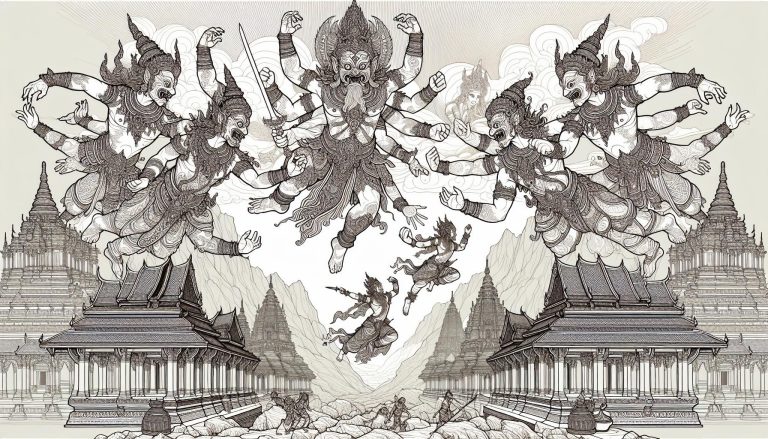
Exploring Asura references in literature reveals a fascinating journey through mythologies, epics, and modern interpretations. From the Vedas and Mahabharata – The Great Epic to contemporary fantasy novels, these enigmatic figures continue to capture the imagination. Let’s investigate into how Asuras have been represented and reinterpreted through the ages, shedding light on their enduring appeal and significance.
Origin Of Asura References
The term “Asura” first appears in the Vedas, ancient Indian scriptures composed between 1500 and 1200 BCE. Initially, the word referred to human or divine leaders. Over time, the designation evolved, and Asuras became known as a distinctive class of beings opposed to the Vedic gods. Hindu mythology describes Asuras as powerful superhuman demigods exhibiting both good and bad qualities.
In Buddhist mythology, Asuras are also prominent but with different traits. They appear as demigods or titans of the Kāmadhātu, possessing three heads with three faces each and either four or six arms. A significant part of their mythology is their defeat by the god Śakra, leading to their vow to abstain from drinking sura (liquor).
Asura references span across these diverse literary and religious traditions, underlining their complex characterization and the multifaceted nature of their roles.
Ancient Texts Containing Asura Mentions
Asuras figure prominently in various ancient texts, reflecting their complex roles and significance throughout history. Let’s explore how different scriptures depict these powerful beings.
Vedic Scriptures
The Rig Veda, one of the oldest Hindu scriptures, presents Asuras as influential entities with both good and evil qualities. Described as “lords,” they possess specialized knowledge and magical powers. Some use these abilities constructively, while others act destructively.
In Vedic theories of creation, Asuras appear after the earth, sky, and living beings come into existence. Initially neutral, they eventually split into two factions: the benevolent Devas and the malevolent Asuras.
Buddhist Texts
Buddhist mythology portrays Asuras as demigods or titans of the Kāmadhātu. Described as having three heads with three faces each and multiple arms, these beings possess immense strength. Their narrative often highlights their conflicts with the god Śakra.
Hindu Epics
Hindu epics like the Mahabharata and Ramayana – Epic of Hinduism also feature Asuras. In these texts, they are formidable adversaries often engaged in battle with the Devas, showcasing their power and ambition. Their role in these epics underscores their enduring significance in Hindu mythology.
Asura In Mythology And Literature
Hindu mythology introduces the term “Asura” in ancient texts, giving it a rich narrative arc that spans centuries. The term appears in the Vedas and evolves through epic tales like the Mahabharata and Ramayana.
Depictions In Indian Mythology
In Indian mythology, Asuras are complex entities with both divine and mortal attributes. They possess specialized knowledge, magical powers, and occasionally defy the gods, embodying both good and evil qualities.
- Vrtra: Perhaps the most famous Asura, Vrtra, the dragon, symbolizes chaos and is defeated by Indra, the god of rain and thunderstorms.
- Bali: Another notable Asura, Bali is known for his wisdom and righteousness. Even though his opposition to the Devas, he earns respect for his virtues.
Influence On Modern Literature
Asuras continue to inspire modern literature, often used as metaphors for internal and external conflicts. Authors reinterpret these mythological beings in contemporary narratives, blending traditional elements with modern themes.
- Rick Riordan’s “The Burning Maze”: Asuras appear as antagonists, representing the clash between ancient magic and modern life.
- Amish Tripathi’s “Shiva Trilogy”: The series reimagines Asuras, integrating them into a larger mythological framework, blending history and fiction seamlessly.
By examining these depictions and influences, it’s clear Asuras hold a significant and multifaceted place in both ancient and modern narratives.
Symbolism And Themes
The term “Asura” carries deep symbolism in various cultural and literary contexts. It represents a complex interplay between good and evil, power and conflict.
Concepts Of Good And Evil
Asuras often embody the struggle between good and evil. In Hindu and Buddhist traditions, Asuras are understood as malevolent beings, starkly contrasting with the virtuous Devas. These narratives highlight a never-ending battle within each individual, portraying Asuras as instigators of chaos. For instance, in Buddhist teachings, they symbolize the moral deviation from enlightenment. Conversely, in Persian/Iranian tradition, the cognate term “ahura” denotes the divine and good, contrasting the malevolence found in other traditions. This duality underscores a universal theme in literature, mirrored in works like “Lord of the Flies,” where the conflict between civilized restraint and innate human savagery is a focal point.
Representations Of Power And Conflict
Asuras are often depicted in the context of power struggles and conflict. Hindu mythology features Asuras wielding immense power and magical abilities, engaging in epic battles against Devas in texts like the Mahabharata and Ramayana. These conflicts emphasize the cyclical nature of power and the inevitable clash between opposing forces. In contemporary contexts, such as the South Korean film “Asura: The City of Madness,” Asuras symbolize political corruption and moral ambiguity. This allegorical representation explores ritual politics and the theatre of morality, reflecting the timeless relevance of Asuras in discussions about power dynamics and ethical dilemmas.
Comparative Analysis
Examining Asuras’ representation in various literary contexts reveals their complex and multifaceted nature. Comparing Asuras with Devas and exploring their portrayal in Eastern and Western literature offers deeper insights.
Asura Versus Devas
The concept of Asuras in Hindu mythology is often contrasted with that of Devas, highlighting the eternal battle between good and evil. Asuras, seeking immortality, power, material wealth, and happiness, once ruled the universe before being vanquished by gods like Vishnu – The Protector and Shiva. While Asuras symbolize chaos, conflict, and ambition, Devas represent order, virtue, and stability. For example, in the Rigveda, Indra’s victory over the Asura Vrtra symbolizes the triumph of order over chaos.
Asura in Eastern Versus Western Literature
Eastern literature, particularly in Hindu mythology, portrays Asuras as beings in opposition to the Devas or gods. They are often depicted as powerful, magical beings with specialized knowledge and abilities, which they may use for good or evil. For instance, the tale of Hiranyakashipu illustrates an Asura’s quest for power and eventual downfall due to his arrogance.
In contrast, Western literature rarely features Asuras but focuses instead on intellectual and philosophical aspects. Such literature often aims to stimulate critical thinking and provide life lessons, rather than narrating mythological battles. Works by authors like John Milton and Dante Alighieri incorporate similar themes but feature demonic and divine figures grounded in Christian theology. While the Eastern narrative emphasizes the cosmic struggle, Western writings concentrate on the internal moral and ethical battles.
Examining these distinctions reveals how cultural perspectives shape the portrayal of mythical beings, influencing their symbolic significance.
Conclusion
Exploring Asuras in literary references reveals their complex nature and enduring significance across cultures. These powerful beings embody the eternal struggle between good and evil, offering rich symbolism in various mythologies and contemporary narratives. From ancient texts to modern films, Asuras continue to captivate our imagination, reflecting deep-seated human conflicts and ethical dilemmas. Their portrayal in literature and media underscores the universal themes of power and morality, making Asuras a timeless subject of fascination and study.
Sources & further reading
These themes are explored in greater depth across the following authoritative resources:
- Britannica, Asura
- Britannica, Naga
- Mythopedia, Hindu Mythology
- Internet Sacred Text Archive, Mahabharata
- Wendy Doniger, Hindu Myths (Penguin Classics, 1975)
External resources for further reading. Apam Napat is not affiliated with these publishers; citation does not imply endorsement.
Based on the classical texts of Hindu mythology, see our sources.