
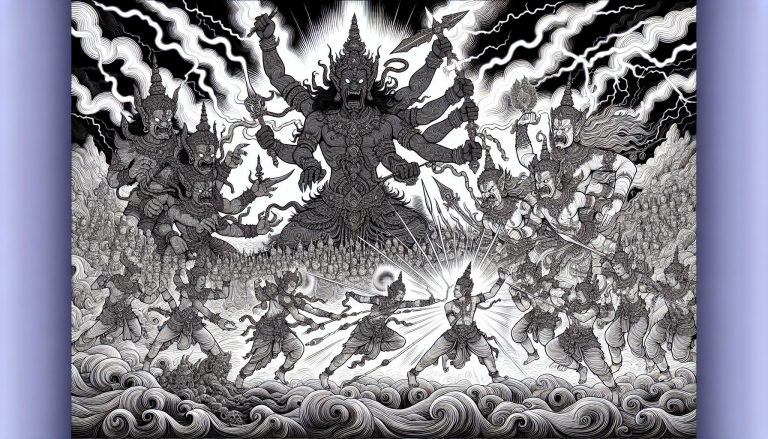
In this text, I’ll explore the various levels of the Asura hierarchy, shedding light on their origins, characteristics, and the unique dynamics that govern their interactions. Whether you’re a mythology enthusiast or just curious about these enigmatic figures, understanding the Asura hierarchy offers a deeper appreciation of ancient narratives and their enduring influence.
Understanding Asura Hierarchy
Asura hierarchy, rooted in Hindu and Buddhist traditions, features a structured social system. Asuras (powerful beings), typically portrayed as antagonists, hold specific roles and ranks within this order. Understanding this hierarchy requires exploring their origins, characteristics, and roles within mythical narratives.
Origins
Asuras originate from ancient texts like the Rigveda and continue in later scriptures such as the Mahabharata – The Great Epic and Ramayana – Epic of Hinduism. These beings often contrast with Devas (gods), representing chaos and power struggles. The tension between Asuras and Devas forms the backbone of many mythological stories.
Hierarchical Structure
The Asura hierarchy consists of multiple levels:
- Asura Kings: Leaders like Ravana and Hiranyakashipu possess immense power and influence.
- Generals: Key figures commanding Asura armies in epic battles (examples: Mahishasura – Buffalo Demon, Shumbha).
- Warriors: Numerous warrior Asuras support kings and generals, engaging directly in conflicts.
- Mystics and Sorcerers: Certain Asuras specialize in mystical arts and sorcery, enhancing their capabilities.
Characteristics
Asuras exhibit traits contrasting with Devas. They can be ambitious, power-hungry, and often embody negative qualities such as greed and pride. Yet, they are not purely evil; some possess qualities like devotion and bravery. Exploring these characteristics reveals complex, multi-dimensional beings.
Interactions with Devas
The ongoing conflict with Devas defines Asuras’ roles in mythology. These interactions often involve battles, strategies, and cosmic events, illustrating the eternal struggle between order and chaos. Texts depict numerous confrontations, reflecting moral and philosophical themes central to these traditions.
Roles in Mythical Narratives
Asuras play various roles in stories:
- Adversaries: Against Devas in battles (examples: Devasura Samhara).
- Catalysts: For character development and plot progression (examples: Hiranyaksha’s challenge to Vishnu).
- Teachers and Learners: Showcasing moral lessons and philosophical insights.
Understanding the Asura hierarchy offers a comprehensive view of their significance in mythological contexts. This structured approach to their roles and origins sheds light on their lasting impact and the complexity of ancient narratives.
Historical Context Of Asura
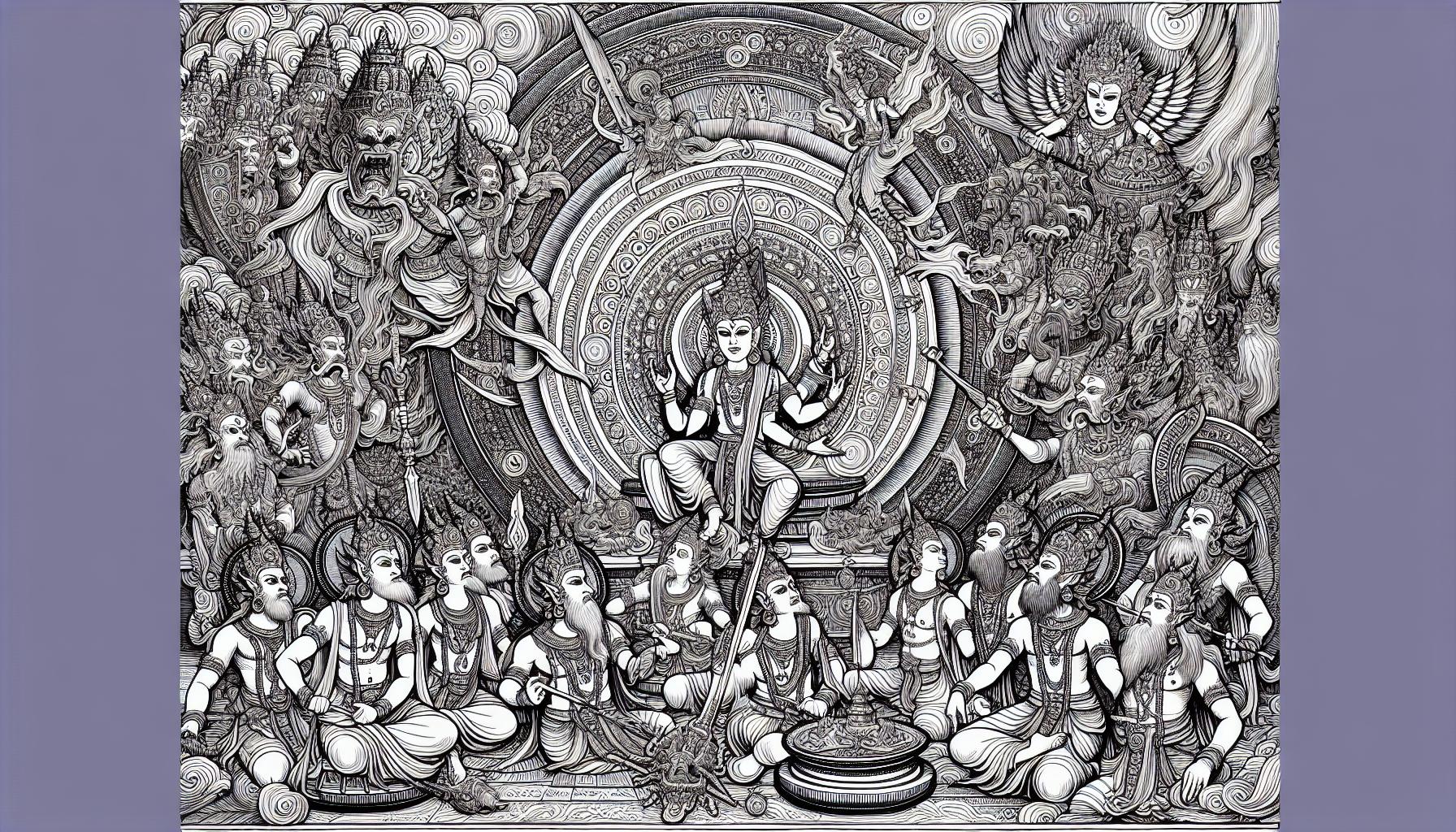
The Asura hierarchy stems from deep-rooted mythological and cultural contexts in Hindu and Buddhist traditions. Originating in ancient texts, these beings have shaped substantial mythological narratives and influenced various cultural aspects over millennia.
Origins In Mythology
Rooted in Vedic literature, Asuras first appear in the Rigveda, one of the oldest known texts. According to these scriptures, Asuras were initially Devas (gods) who later diverged due to ideological differences. The Rigveda predominantly portrays Asuras as powerful entities opposing Devas, leading to cosmic battles. In Hindu mythology, the Asuras are often linked to their progenitor, Sage Kashyapa – Father of the Devas and Asuras, and his descendants, showcasing a direct lineage emphasizing their integral role.
Cultural Significance
The cultural significance of Asuras extends beyond their mythological origins. In many regions, Asura stories influence local traditions and festivals. For instance, the annual celebration of Durga Puja in India marks the victory of Goddess Durga over the Asura Mahishasura. These narratives symbolize the triumph of good over evil, order over chaos. Besides, Asuras are often depicted in art and literature, serving as moral lessons and philosophical reflections. Their complex nature, embodying both good and negative traits, offers a profound understanding of human virtues and vices in cultural contexts.
Key Figures In Asura Hierarchy
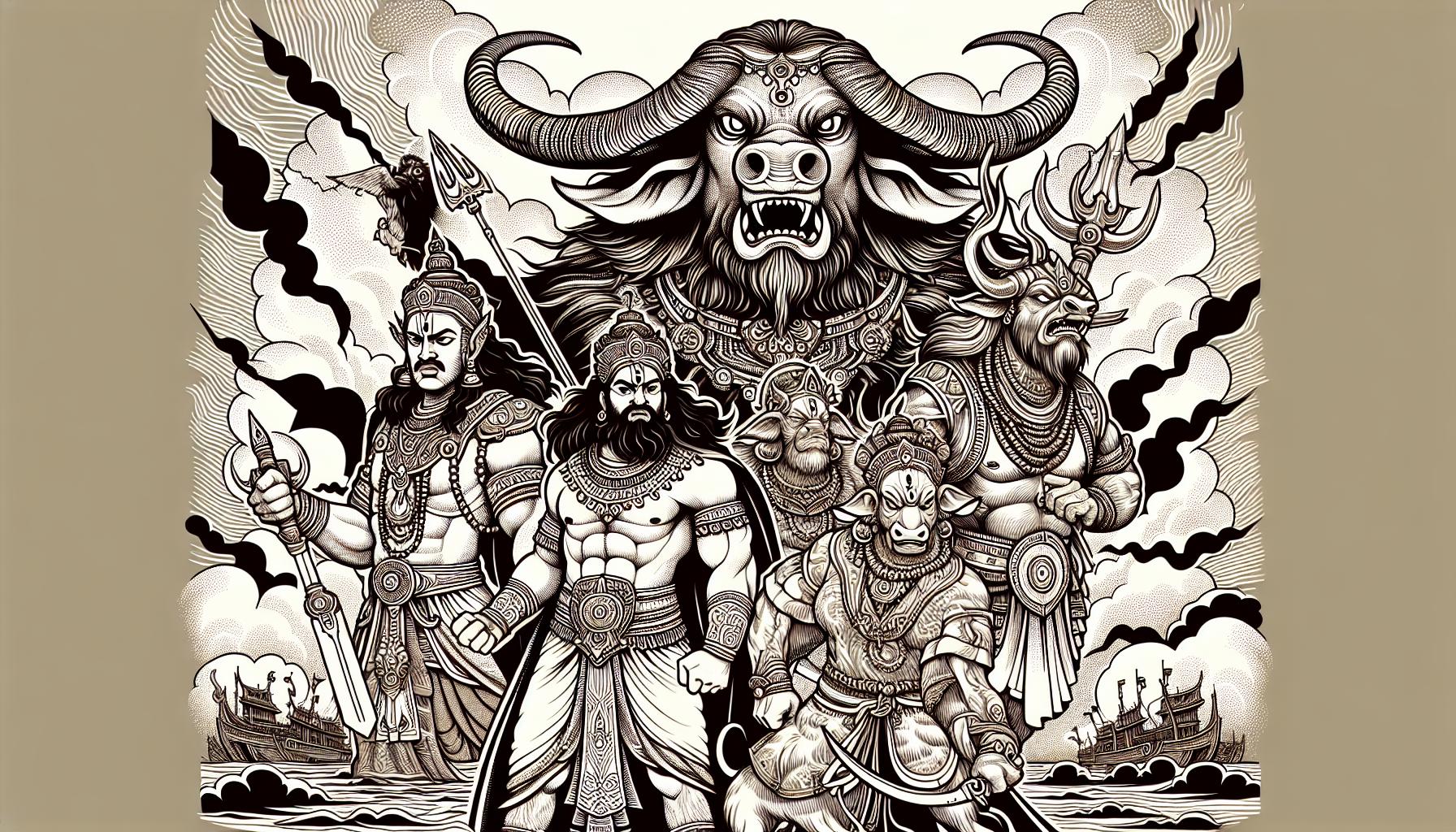
Understanding the key figures in the Asura hierarchy illuminates their significance and the complexity of ancient narratives.
Prominent Asuras
Hiranyakashipu: Known for his extreme arrogance and opposition to Vishnu, Hiranyakashipu sought immortality and dominance over the three worlds. Originating from Puranic texts, his tale highlights the triumph of devotion over tyranny, showcasing his demise at the hands of Narasimha, an avatar of Vishnu.
Mahishasura: This buffalo-demon epitomizes chaos and evil, engaging in epic battles with Devas. In the mythological narrative, his defeat by Goddess Durga signifies the victory of good over malevolence. Celebrated during the festival of Navaratri, Mahishasura’s story remains a moral compass in cultural contexts.
Ravana: The ten-headed king of Lanka, Ravana’s narrative in the Ramayana explores themes of ambition, power, and redemption. His abduction of Sita and ultimate defeat by Lord Rama form a cornerstone of Hindu epic literature, symbolizing the inevitable defeat of unrighteousness.
Roles And Responsibilities
Kings: At the apex of the hierarchy, Asura kings like Hiranyakashipu and Ravana wield significant power, governing with authority and often clashing with Devas. Their primary role involves leading Asura armies, strategizing in celestial wars, and maintaining dominion over their realms.
Generals: Serving under kings, Asura generals command battalions, orchestrating military campaigns against rival factions. Figures like Mahishasura exemplify the general’s role, leading forces into battle, making critical tactical decisions, and demonstrating martial prowess.
Warriors: Warriors form the backbone of the Asura military hierarchy, participating in ground battles and executing the strategies devised by their leaders. Their valor and combat skills are essential in contests of strength and power, contributing to the Asura’s might in mythological wars.
Mystics: Asura mystics possess profound knowledge of occult practices, magic, and powerful rituals. Their expertise in harnessing supernatural powers aids in the Asura’s quest for supremacy, providing magical support and strategic advantages in their eternal struggle against the Devas.
Comparative Analysis With Other Mythological Hierarchies
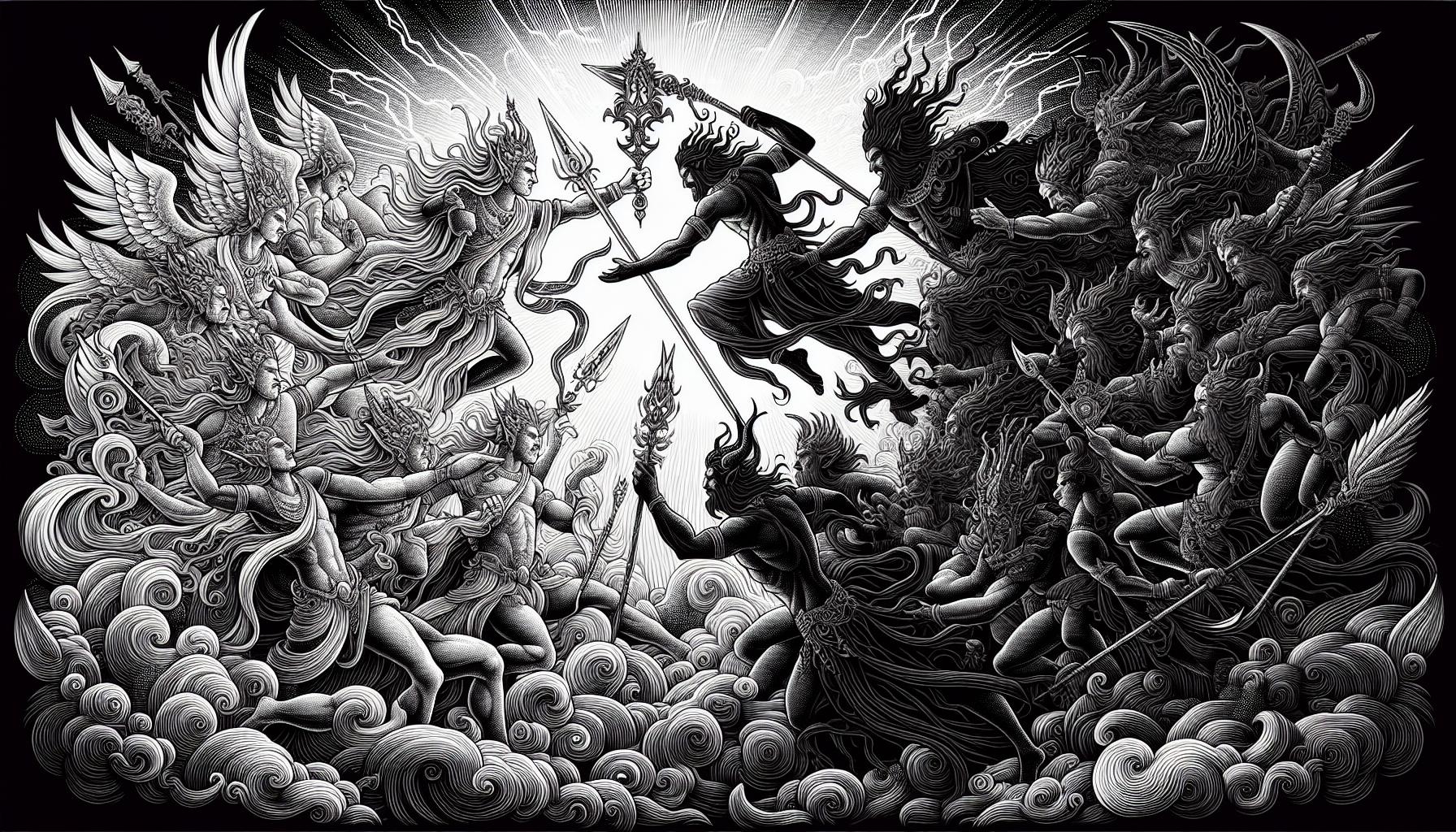
Many mythological systems feature complex hierarchies governing their celestial and terrestrial beings. The Asura hierarchy offers intriguing comparisons to similar structures in other mythologies.
Comparison With Deva Hierarchy
The Asura hierarchy contrasts sharply with the Deva hierarchy. Both hierarchies contain distinct ranks, responsibilities, and roles. In the Deva system, gods like Indra and Agni hold prominent positions, each governing specific natural elements and cosmic functions. Devas embody order, light, and righteousness. In contrast, Asuras, depicted as forces of chaos, often embody darker, more disruptive aspects.
Devas have kings and warriors akin to those among the Asuras, resulting in frequent celestial battles. For example, Indra, the king of Devas, often opposes Asura kings like Vritra, symbolizing the eternal struggle between order and chaos. Even though their antagonistic roles, Asuras and Devas share a common origin, often depicted as siblings or related beings in mythological texts.
Parallels In Other Cultures
Parallels to the Asura hierarchy exist in various cultures. In Greek mythology, Titans are similar to Asuras. Titans, like Kronos and Atlas, represent primordial, often chaotic forces opposing the Olympian gods like Zeus and Poseidon. This dynamic mirrors the Asura-Deva opposition.
Similarly, Norse mythology’s Jotnar, or giants, offer another parallel. Giants, such as Ymir and Loki, often clash with gods like Odin and Thor. The Jotnar embody elements of chaos and nature, resembling Asuras’ role in Hindu and Buddhist traditions.
These comparisons highlight a common mythological theme: the cosmic struggle between opposing forces for balance. The narrative of powerful beings in constant conflict helps explain natural phenomena and moral dichotomies in various cultural myths.
Symbolism Of Asura Hierarchy
Asuras symbolize power, ambition, and the duality of human nature. Their role in mythology encapsulates our internal struggles and the cosmic battle between light and darkness.
Representation In Literature
Texts like the Rigveda and Puranas investigate into the complex nature of Asuras, portraying them as power-hungry beings driven by ego and anger. This literature often contrasts Asuras with Devas, highlighting the moral conflicts within. For example, in the Mahabharata, Asuras like Ravana symbolize unchecked ambition and arrogance, while Devas like Indra represent righteousness and order.
Depictions In Art And Media
Art and media often portray Asuras with fearsome visages, emphasizing their menacing nature. Temples and ancient sculptures depict Asuras fighting Devas, showcasing the eternal struggle between good and evil. Modern interpretations, like in TV shows and films, bring these characters to life, reinforcing their symbolic roles. For instance, movies like “Bahubali” have depicted Asura-like antagonists, focusing on themes of power and moral conflict.
Modern Interpretations Of Asura Hierarchy
Modern interpretations of the Asura hierarchy blend mythology and socio-cultural commentary. Various depictions provide new insights into their roles and significance.
Influence On Popular Culture
In modern media, Asuras appear in novels, TV shows, and films, each with unique perspectives. Anand Neelakantan’s “Asura: Tale of the Vanquished” offers a sympathetic portrayal of Ravana, presenting him as a representative of the oppressed non-Brahmin caste. This portrayal challenges traditional narratives, emphasizing the social struggles of lower caste individuals. TV shows like “Mahabharat” and movies like “Bahubali” depict Asuras with complex motivations, highlighting themes of power and moral ambiguity. These representations keep the Asura hierarchy relevant in contemporary discussions.
Scholarly Perspectives
Scholars examine the Asura hierarchy through various lenses, including caste and socio-political contexts. In Neelakantan’s retelling, Ravana’s identification as an Asura underscores the impact of the caste system on marginalized groups. Analyses of Rāmāyaṇa retellings from 2010 to 2020 suggest that Asuras mirror native tribal peoples and lower classes, contrasting them with higher-status Devas. These scholarly interpretations frame Asuras as symbols of resistance and social upheaval, offering a fresh perspective on their enduring legacy.
Conclusion
Exploring the Asura hierarchy reveals much about the complex interplay between chaos and order in ancient traditions. Their depiction as antagonists to the Devas underscores profound themes of power and moral conflict. Modern portrayals in media continue to breathe new life into these age-old narratives, demonstrating their timeless relevance. Understanding the Asuras through various lenses—be it literary, symbolic, or socio-political—offers a richer appreciation of their enduring legacy and significance in both historical and contemporary contexts. This deep jump into the Asura hierarchy not only sheds light on their mythological roots but also highlights their ongoing influence in shaping cultural narratives today.
Sources & further reading
These themes are explored in greater depth across the following authoritative resources:
- Britannica, Asura
- Britannica, Naga
- Mythopedia, Hindu Mythology
- Internet Sacred Text Archive, Mahabharata
- Wendy Doniger, Hindu Myths (Penguin Classics, 1975)
External resources for further reading. Apam Napat is not affiliated with these publishers; citation does not imply endorsement.
Frequently asked questions
What is the Asura hierarchy in Hindu mythology?
Who are the most powerful Asura kings?
Who are the major Asura generals?
Are Asuras purely evil in Hindu mythology?
Where did the Asuras originate?
Based on the classical texts of Hindu mythology, see our sources.