
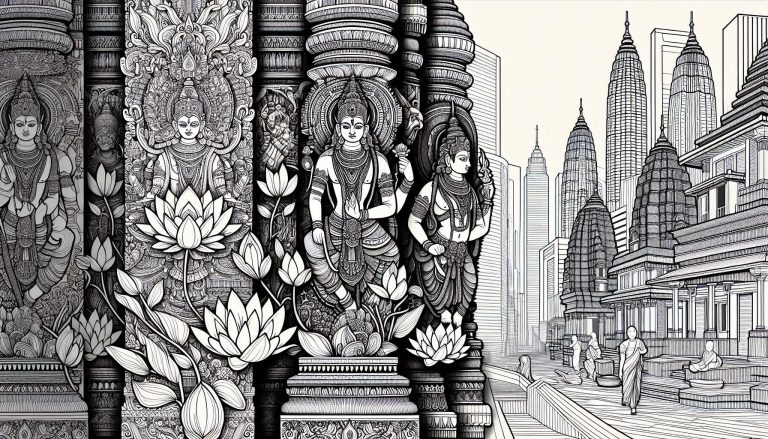
What fascinates me most is how these mythological elements transcend time, blending seamlessly with modern aesthetics while preserving their cultural essence. Whether it’s a sari adorned with scenes from the Ramayana – Epic of Hinduism or a piece of jewelry echoing the divine elegance of Lakshmi, Hindu mythology offers a treasure trove of inspiration that continues to shape and define Indian design in profound ways.
Understanding Hindu Mythology
Hindu mythology, with its rich world of gods, goddesses, and epic narratives, forms the backbone of Indian culture and design. These stories, dating back thousands of years, are passed down through generations, shaping not just beliefs but also artistic expressions. From the divine trinity of Brahma, Vishnu, and Shiva to the epic tales of the Ramayana and Mahabharata – The Great Epic, each narrative offers unique symbols and motifs.
In Hindu mythology, gods and goddesses like Lakshmi, Saraswati – The Goddess of Learning and Wisdom, and Ganesh represent distinct virtues and attributes. Lakshmi, for instance, symbolizes prosperity, while Saraswati stands for wisdom and arts. Ganesh, with his elephant head, signifies wisdom, success, and new beginnings. These deities’ attributes influence design elements, from jewelry patterns to architectural carvings.
Epic tales like Ramayana and Mahabharata are brimming with characters and events that inspire various artistic forms. The Ramayana, recounting Lord Rama’s quest to rescue Sita, uses motifs of valor, loyalty, and morality. The Mahabharata, with its complex saga of the Kurukshetra War, provides themes of duty, righteousness, and the cosmic cycle.
Mythological symbols play a crucial role in design. Om, representing the sound of the universe, is commonly seen in textiles and decor. The lotus, associated with purity and spiritual awakenings, frequently appears in architectural elements and fabric patterns. The conch, symbolizing the primal sound, is another recurring motif.
Temples across India exhibit intricate carvings and sculptures inspired by these mythological themes. The ancient temples of Khajuraho, for example, are renowned for their detailed depictions of gods, goddesses, and celestial beings. Modern designs often draw upon these artistic traditions, integrating them into contemporary aesthetics while preserving their symbolic significance.
Understanding Hindu mythology is essential when exploring Indian design. It offers insights into the cultural and spiritual contexts that create the rich visual language seen in traditional and modern Indian art.
Historical Influence on Indian Design
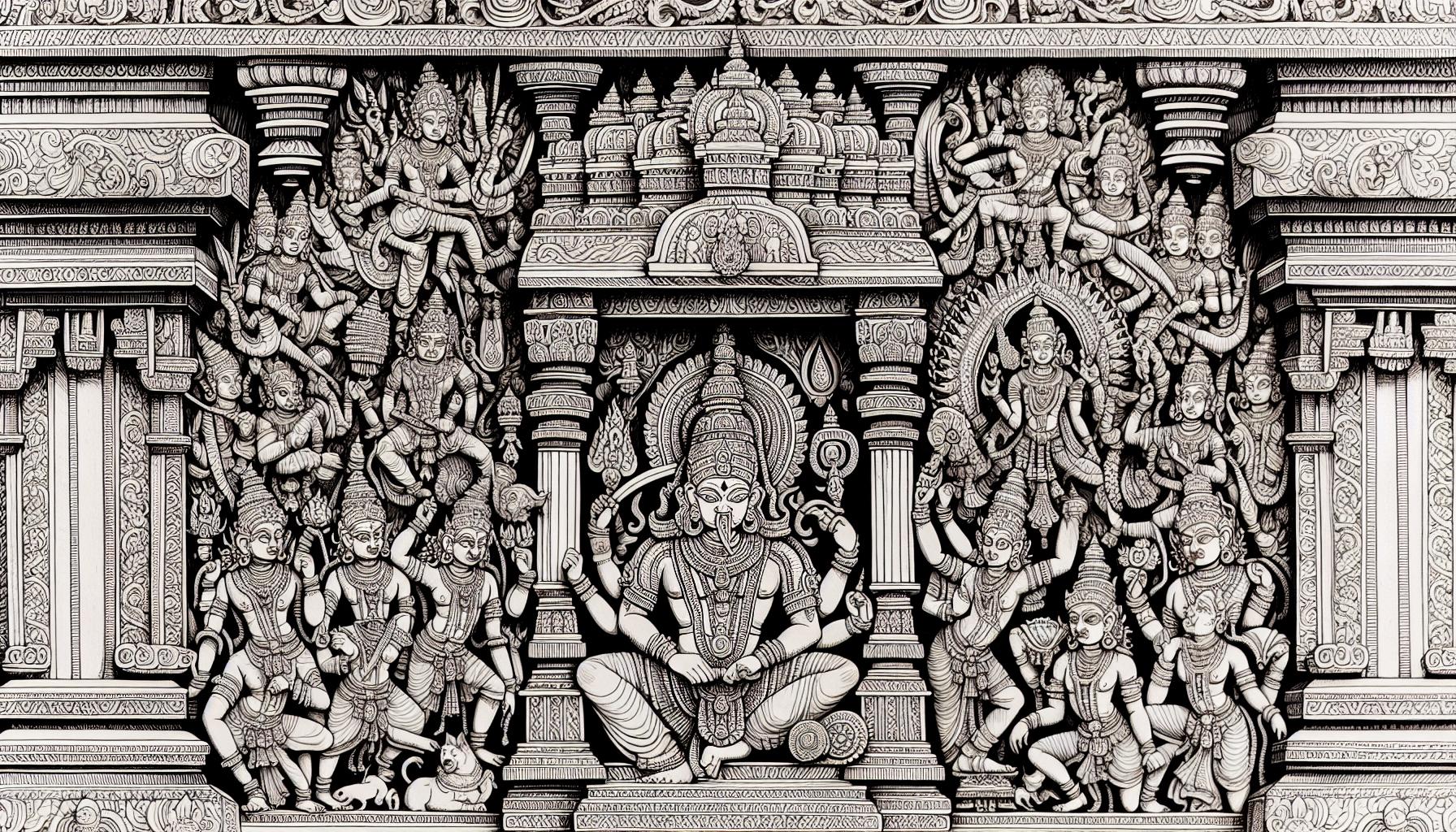
Hindu mythology has profoundly shaped Indian design throughout history. It’s evident in ancient art, architecture, sculpture, and iconography.
Ancient Art and Architecture
Indian temples, palaces, and monuments serve as testaments to the rich cultural heritage influenced by Hindu mythology. The designs often include intricate carvings of deities, mythological beasts, and narrative scenes from epics like the Ramayana and the Mahabharata. For instance, the Brihadeeswara Temple in Tamil Nadu showcases superb Chola architecture with detailed engravings of Shiva and other divine figures. Many architectural elements, like mandapas (pillared halls) and gopurams (monumental towers), draw inspiration from mythological narratives, symbolizing the cosmos and the divine order.
Sculpture and Iconography
Sculpture in Indian design often represents gods, goddesses, and mythological events. I observe how artisans intricately craft these figures to convey divine attributes and cosmic principles. For example, the Nataraja sculpture of Shiva captures the god in his dance of creation and destruction, embodying the cyclical nature of the cosmos. Iconography extends to everyday objects too, with motifs like the lotus symbolizing purity and the Om symbol representing universal vibration commonly appearing in jewelry, textiles, and home decor.
Symbolism in Modern Indian Design
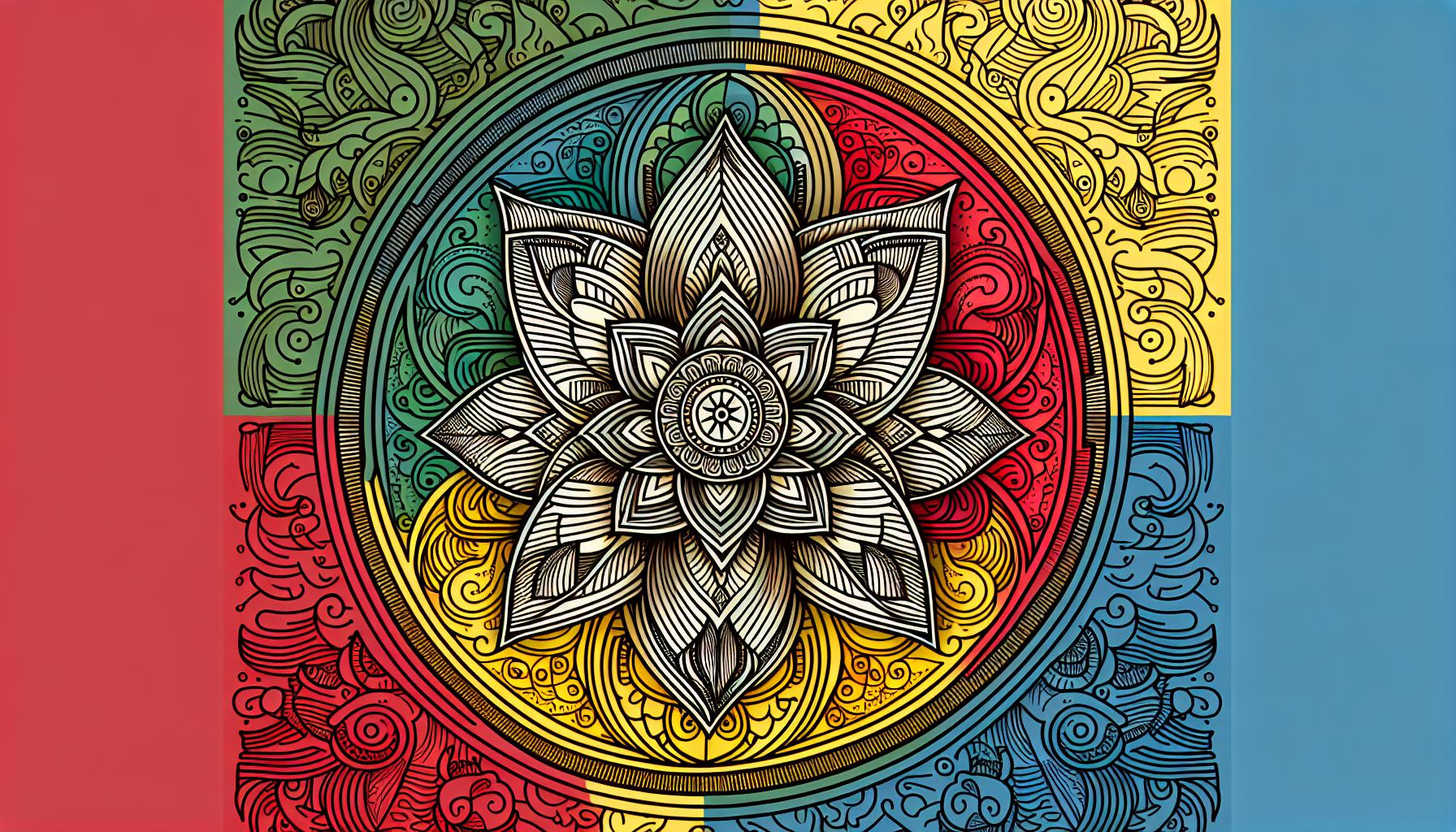
Modern Indian design heavily incorporates symbolic elements from Hindu mythology. Various motifs, patterns, and colors carry deep meanings rooted in historical narratives.
Popular Motifs and Patterns
Designers often use motifs like the lotus, which symbolizes purity and divine beauty. Intricate mandalas represent the universe’s spiritual structure. Elephants, considered bearers of good luck, and peacocks, symbols of beauty and pride, are recurrent motifs in textiles and decor. Swastikas, signifying well-being, frequently appear in architecture.
Color Symbolism
In modern Indian design, colors hold substantial significance. Red symbolizes purity and passion, often used in wedding attire and decor. Yellow represents knowledge and learning and appears in educational spaces. Green, denoting fertility and renewal, is prevalent during festive occasions. Blue, associated with divinity and calm, is used in artworks depicting gods like Krishna – An Incarnation of Vishnu. Hence, understanding color symbolism is essential in appreciating modern Indian designs shaped by Hindu mythology.
Prominent Examples of Mythological Influence
Hindu mythology impacts Indian design prominently. This influence is evident in textiles, jewelry, and ornamentation.
Textile Design
Textile designs in India often depict mythological stories. Motifs like the lotus, often associated with purity and divinity, appear in sarees, dupattas, and shawls. The Ramayana and Mahabharata inspire intricate weavings. Traditional weaving communities, like the Banarasi and Kanchipuram silk weavers, integrate images of gods and goddesses into their patterns. Designs showing Vishnu’s avatars or scenes from Krishna’s life can often be found on these textiles. The use of specific colors, such as red for love and vitality or blue for Krishna, adds another layer of mythological significance.
Jewelry and Ornamentation
Jewelry in India often mirrors Hindu deities and symbols. Earrings, necklaces, and bangles frequently feature motifs like peacocks, lotuses, and sacred symbols like Om. For example, Mangalsutras, a type of necklace, commonly have designs signifying Lakshmi or Parvati – The Consort of Shiva, representing prosperity and marital bliss. Temple jewelry, originating from South India, reflects gods and mythical beings in its intricate gold designs. Craftsmen carve stories of Nandi, Ganesha, and other divine figures into the jewelry, elevating it from mere adornment to an embodiment of mythology. Even modern jewelry designs continue to draw inspiration from these ancient tales, combining tradition with contemporary aesthetics.
Impact on Contemporary Design Trends
Contemporary Indian design trends draw extensively from Hindu mythology. Designers integrate mythological elements to enhance cultural richness and visual appeal. For example, fashion designers often use motifs of gods and goddesses in their collections, creating a deep connection to heritage and tradition.
Interior design in India frequently utilizes symbolic elements from Hindu mythology. Murals depicting scenes from the Ramayana and Mahabharata adorn walls, offering both aesthetic value and spiritual ambiance. Furniture often features intricate carvings inspired by mythological narratives; for instance, a chair might incorporate motifs of divine symbols like the lotus or Om.
Jewelry design continues to reflect mythological themes. Pieces frequently incorporate sacred symbols and figures, such as necklaces featuring pendants of Lord Ganesha, believed to bring good fortune. This trend underscores the blend of tradition and contemporary fashion.
Even digital and graphic design in India show substantial influence from Hindu mythology. Websites, apps, and digital interfaces incorporate traditional colors and motifs. For instance, mandalas, which represent the universe’s spiritual structure, integrate smoothly into user interface designs, adding a layer of cultural depth.
Urban architecture also reflects mythological influence. Modern buildings in India sometimes incorporate traditional elements like temple motifs and cosmic symbols. For example, gopurams and mandapas inspire entryways and common areas, bridging ancient narratives with modern spaces.
These contemporary design trends rooted in Hindu mythology ensure the preservation and propagation of India’s rich cultural legacy. They provide continuity between the past and present, blending traditional art forms into modern aesthetics seamlessly.
Conclusion
Hindu mythology remains a cornerstone of Indian design influencing everything from jewelry to architecture. Its rich world of deities and epic narratives provides endless inspiration for contemporary designers. By blending traditional motifs with modern aesthetics Indian design not only preserves its cultural legacy but also continues to evolve. Whether it’s a fashion collection featuring gods and goddesses or a digital graphic incorporating sacred symbols the impact of Hindu mythology is unmistakable. This seamless integration of ancient and modern ensures that the essence of India’s heritage endures in every creative expression.
Sources & further reading
These themes are explored in greater depth across the following authoritative resources:
- Britannica, Hindu Temple Architecture
- Met Museum, Hinduism in the Arts
- Britannica, Iconography
- Stella Kramrisch, The Hindu Temple (Motilal Banarsidass, 1946)
- Heinrich Zimmer, Myths and Symbols in Indian Art and Civilization (Princeton University Press, 1946)
External resources for further reading. Apam Napat is not affiliated with these publishers; citation does not imply endorsement.
Frequently asked questions
How does Hindu mythology shape Indian design?
Which deities most influence Indian design motifs?
How are Hindu epics depicted in Indian design?
What does the lotus symbolize in Indian design?
Why are the Khajuraho temples important in Indian design?
Based on the classical texts of Hindu mythology, see our sources.