
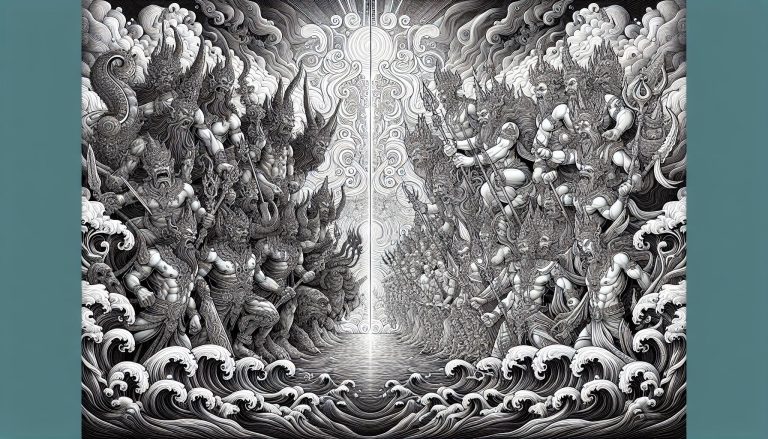
In exploring the origins of the Asuras, we uncover a fascinating blend of mythology and history. These entities, often portrayed as demons or anti-gods, actually have a much more nuanced story. Their tales are interwoven with themes of cosmic struggle, moral ambiguity, and the eternal dance between good and evil. Join me as I investigate into the ancient texts and unravel the enigmatic beginnings of the Asuras.
Understanding Asura Origins
Asuras, part of ancient Indian mythology, have complex beginnings. These powerful entities often come with an aura of mystery and moral ambiguity. Hindu, Buddhist, and Jain texts provide various narratives about their origins.
Vedic Literature
Vedic literature presents Asuras and Devas as two factions born from the same divine entity, Kashyapa – Father of the Devas and Asuras. While Devas pursued order and dharma, Asuras deviated, embodying chaos and ambition. These conflicting traits mark the beginning of their cosmic struggle.
Puranic Scriptures
Puranic scriptures elaborate on Asuras’ roles in cosmic balance. They often become embodiments of desires and qualities that challenge divine order. Key stories, like that of Hiranyakashipu and Prahlada, highlight their complex moral world.
Buddhist and Jain Perspectives
Buddhist texts describe Asuras as beings driven by envy and insatiable desires. They reside in realms of constant conflict. Jain traditions, but, view Asuras as part of the broader cycle of life, subject to samsara and karmic retribution. Their depiction underscores moral consequences over inherent evil.
Historical Context
Asura myths may reflect ancient socio-political struggles. Tribes labeled as Asuras might have resisted Vedic culture, with mythology casting them as antagonists in divine narratives. This historical lens adds depth to their portrayal in various texts.
These varied sources offer a nuanced understanding of Asura origins, moving beyond simplistic demonization and highlighting their integral role in larger cosmic and moral frameworks.
Historical Context of Asura
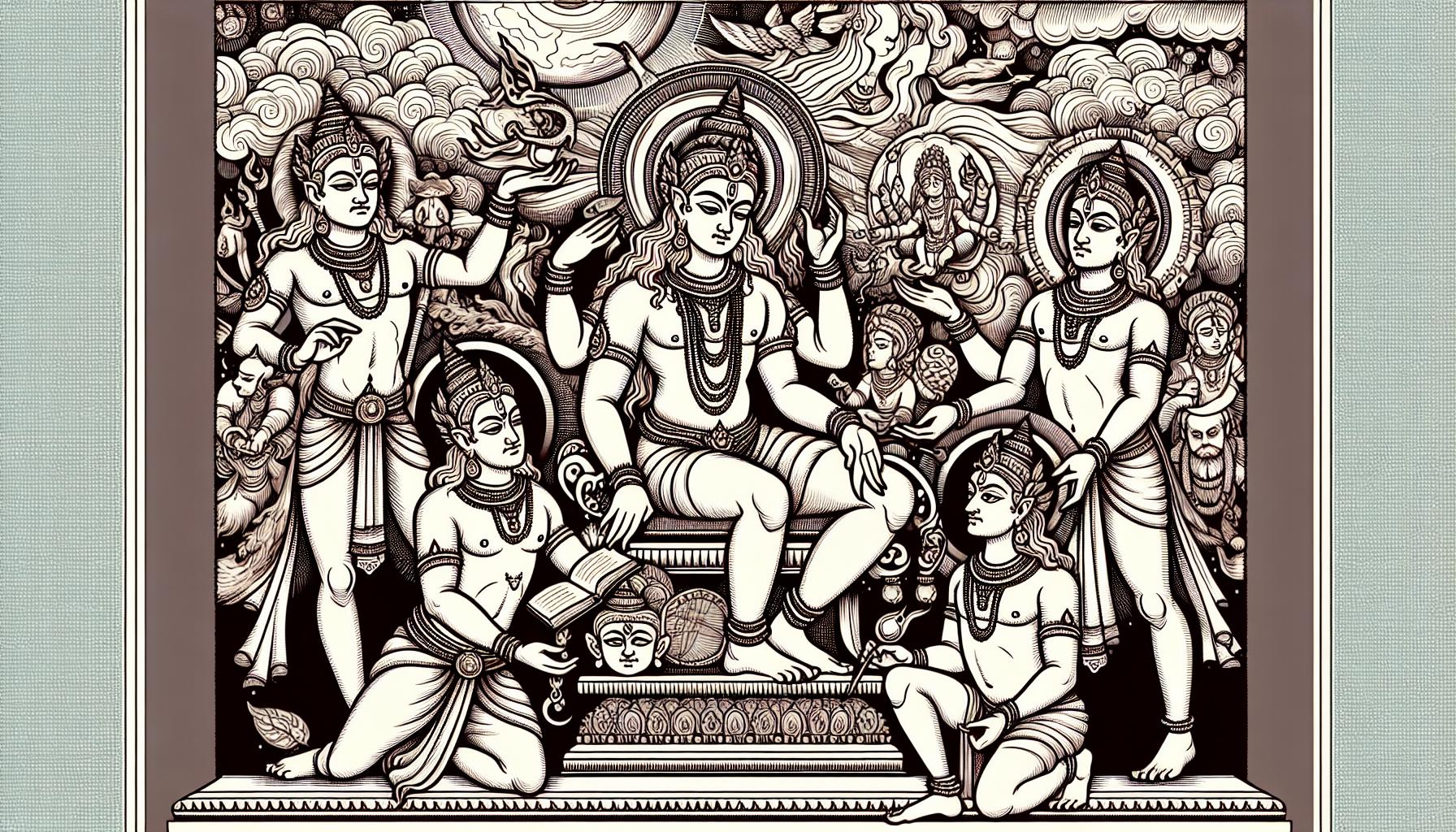
Early Vedic texts, Hindu mythology, and socio-political influences all shaped the concept of Asuras.
Early References in Vedic Texts
Early Vedic texts first mention Asuras as powerful beings. The Rigveda calls both Devas and Asuras “children of Prajapati – The Creators” (Lord of Creatures). Initially, Asuras weren’t inherently evil. For example, Varuna and Mitra, who later became Devas, were once Asuras. Vedic hymns often describe Asuras as possessing great power and wisdom. Over time, as conflicts with Devas intensified, Asuras’ representation changed. Their depiction shifted from revered entities to antagonistic forces challenging cosmic order.
Development in Hindu Mythology
Hindu mythology further evolves the Asuras. The Puranas and epics like the Mahabharata – The Great Epic and Ramayana expand on their roles. Stories like those of Hiranyakashipu and Mahishasura – Buffalo Demon highlight their opposition to divine beings. Asuras took on the role of challengers, often driven by ambition. For instance, Hiranyakashipu’s quest for immortality and domination reflects this transformation. These stories symbolize the struggle between good and evil, order and chaos. Also, the Churning of the Ocean narrative (Samudra Manthan) illustrates Asuras’ complex nature. Even though their antagonism, they participate in creation’s fundamental processes.
Asura in Buddhist Tradition
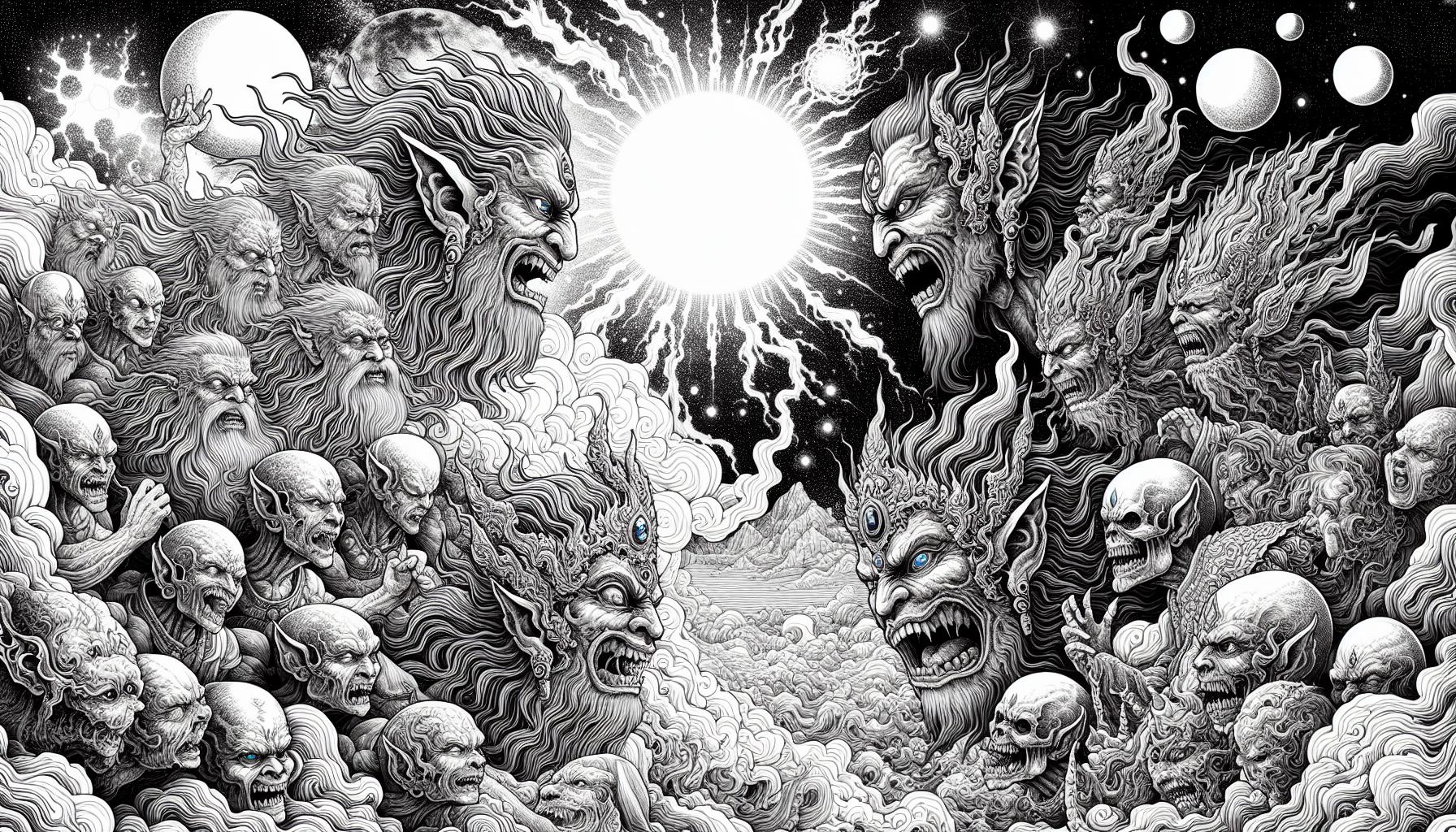
The concept of Asuras differs significantly in Buddhist traditions, where they represent beings driven by envy and pursuit of power.
Asura’s Role in Buddhism
Asuras occupy the lower realms within the Buddhist cosmology, specifically the Asura Area, one of the six realms of existence. In this area, Asuras experience continuous conflict and dissatisfaction even though their partial divine status. According to Buddhist texts, their primary characteristics include jealousy, hostility, and an insatiable desire for power.
Asuras often clash with the Devas, seeking to disrupt their harmony and happiness. These conflicts symbolize internal struggles within individuals, representing negative emotions like jealousy and anger. Buddhist teachings encourage overcoming Asura-like tendencies through the practice of compassion and mindfulness. The story of Vepacitti, a prominent Asura in the Sutta Pitaka, illustrates this by highlighting the futility of aggression and the need for inner peace.
Differences Between Hindu and Buddhist Asuras
While both Hindu and Buddhist traditions depict Asuras as antagonistic beings, their roles and characteristics notably differ. In Hindu mythology, Asuras challenge the divine order and embody chaos, often engaging in cosmic battles with the Devas. Hindu texts like the Puranas elaborate on these struggles, emphasizing the moral dichotomy of order versus chaos.
In contrast, Buddhist Asuras represent a psychological and ethical allegory. They embody the negative traits of envy, aggression, and constant dissatisfaction. Rather than cosmic adversaries, they serve as reminders of personal battles within the human mind. The Buddhist perspective focuses on overcoming these negative states through spiritual practices and ethical living.
These differences reflect broader doctrinal variations between Hinduism and Buddhism, where Hindu Asuras play a more external, mythological role, and Buddhist Asuras symbolize internal, ethical challenges.
Cultural Depictions
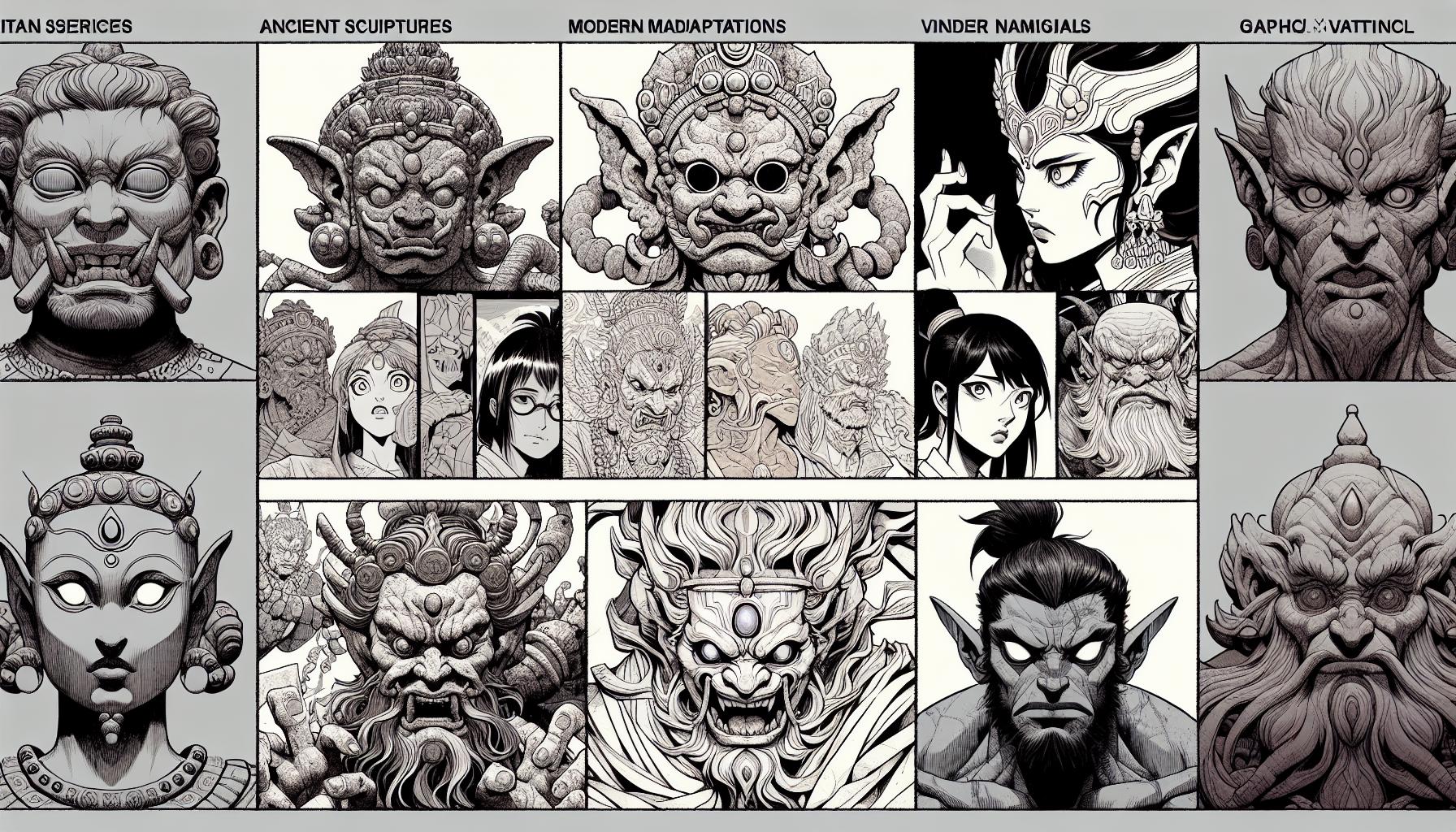
Asuras, characters with rich mythological backgrounds, appear in various cultural forms, from ancient texts to modern media. This section examines their representation across different mediums.
Asura in Literature
In literature, Asuras are depicted in ancient texts and contemporary works. The Rigveda describes them initially as powerful entities with divine qualities. Later Hindu scriptures like the Puranas emphasize their role as antagonists in cosmic battles. In Sanskrit epics like the Mahabharata and Ramayana, Asuras challenge both gods and humans, embodying chaos. Modern authors also draw on Asura mythology to craft fantasy novels exploring themes of power, morality, and identity. For example, Anand Neelakantan’s “Asura: Tale of the Vanquished” presents a nuanced portrayal of Asuras from Ravana’s perspective, challenging conventional narratives.
Asura in Modern Media
Asuras have a prominent place in modern media. Films and TV series portray them in various forms, from daunting demons to misunderstood antiheroes. The Indian television series “Devon Ke Dev…Mahadev” showcases Asuras in dramatic interpretations, highlighting their complexity and motivations. In anime, Asura characters often symbolize inner conflicts and destructive powers. Video games like “Smite” feature Asura characters with distinct abilities, integrating elements of mythology into gameplay. Comic books and graphic novels also explore Asura lore, blending traditional stories with contemporary visual storytelling techniques.
Theological Significance
Asuras hold immense theological significance in both Hinduism and Buddhism. In Hinduism, Asuras originally symbolized natural forces before evolving into representations of moral and cosmic order’s challengers. They embody the intricate balance between good and evil, playing a crucial role in cosmic narratives like the Churning of the Ocean, which underscores duality in the universe.
In Buddhist theology, Asuras represent internal conflicts and are classified under the “six realms of existence.” They symbolize envy and insatiable ambition, reflecting human struggles with moral dilemmas. This depiction aligns with Buddhist teachings on overcoming personal imperfections.
Even though their antagonistic portrayals, Asuras contribute to mythological and theological discourses by embodying essential aspects of human nature and cosmic principles. Their stories emphasize themes of balance, ethical challenges, and the perennial struggle between light and darkness, central to spiritual understanding and growth.
Conclusion
Exploring the origins of Asuras reveals their complex roles in both Hindu and Buddhist traditions. These beings embody the eternal struggle between good and evil and the internal conflicts we all face. Their stories remind us that balance and ethical challenges are crucial for spiritual growth. By understanding their significance we gain deeper insights into human nature and cosmic principles. Asuras aren’t just mythological antagonists; they are integral to the rich world of spiritual discourse.
Sources & further reading
These themes are explored in greater depth across the following authoritative resources:
- Britannica, Asura
- Britannica, Naga
- Mythopedia, Hindu Mythology
- Internet Sacred Text Archive, Mahabharata
- Wendy Doniger, Hindu Myths (Penguin Classics, 1975)
External resources for further reading. Apam Napat is not affiliated with these publishers; citation does not imply endorsement.
Frequently asked questions
Where do Asuras come from in Vedic literature?
How do Puranic scriptures describe Asuras?
How does Buddhism view Asura origins?
How do Jain traditions view the Asuras?
What is the historical context of Asura myths?
Based on the classical texts of Hindu mythology, see our sources.