
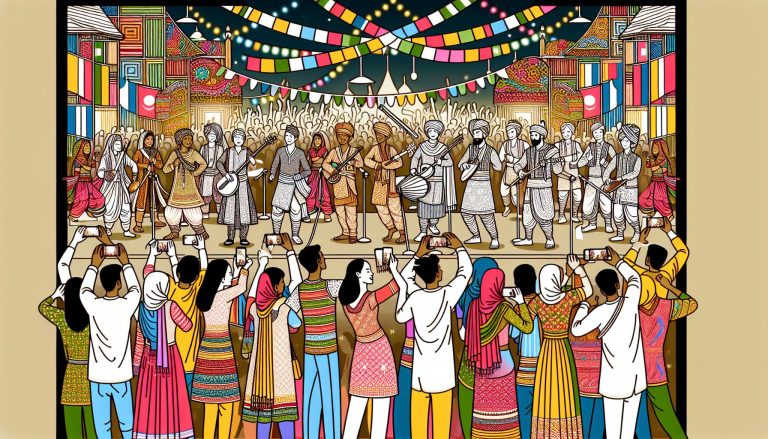
From the colorful parades of Mardi Gras to the solemn rituals of Dia de los Muertos, festivals offer a window into the soul of a culture. They’re occasions where history comes alive, and communities come together, transcending generations. Join me as I explore how festivals not only entertain but also educate and connect us to our roots.
Overview Of Festivals
Festivals occur worldwide, each reflecting unique cultural aspects. They can be religious, seasonal, or related to historical events. Communities often come together for celebrations, highlighting their shared values and traditions.
Types Of Festivals
- Religious Festivals:
- Examples: Diwali, Christmas, Eid
- These celebrate significant spiritual events and rituals. They often include prayers, feasts, and various symbolic activities.
- Seasonal Festivals:
- Examples: Holi, Harvest Festivals
- Linked to natural cycles like planting and harvest times. Activities often revolve around rituals for good fortune and thanking deities for bounty.
- Historical Festivals:
- Examples: Independence Day, Bastille Day
- These mark important events from the past. Ceremonies, parades, and reenactments honor historical figures and moments.
Functions Of Festivals
- Preservation Of Culture:
- Traditions and customs are passed from one generation to another. Storytelling and rituals play significant roles in this process.
- Community Building:
- Festivals unite people, creating social bonds. Shared experiences during celebrations strengthen communal ties.
- Economic Impact:
- Festivals often boost local economies. Tourists flock to events, boosting revenue for local businesses and service providers.
Symbolism In Festivals
Symbols and activities vary greatly, but they hold deep meaning. Fireworks symbolize joy and celebration, while colors in Holi represent victory over evil. Each symbol roots back to cultural narratives and values.
Global Popularity
Some festivals have gained international recognition. For instance, Oktoberfest draws visitors from around the globe to Munich. Such popularity showcases cultural exchange and understanding.
Summarizing, festivals are integral to cultural identity, serving multiple roles in society. They preserve history, unify communities, and contribute economically. Examples from around the globe illustrate the diversity and significance of these vibrant celebrations.
Historical Significance
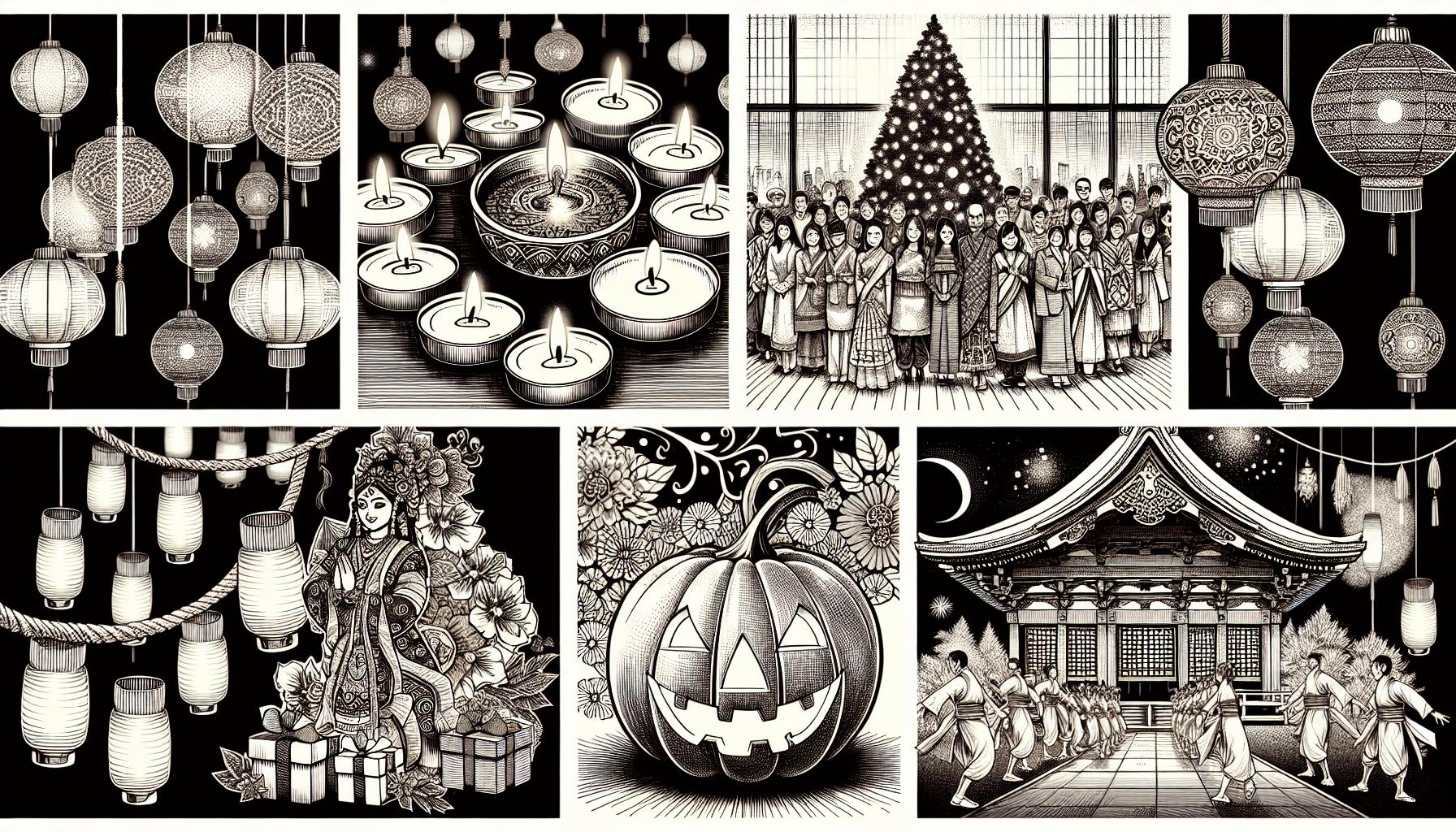
Many festivals have deep historical roots, reflecting significant events, legends, and traditions that have shaped societies over centuries.
Origins And Evolution
Festivals often originate from historical events or religious milestones. For instance, Diwali marks Lord Rama’s return after 14 years of exile, while Christmas celebrates the birth of Jesus Christ. Over time, these events have evolved, blending with local traditions and cultural practices. For example, Halloween in the US combines Celtic harvest festivals with Christian observances like All Saints’ Day. These evolutions shape the unique celebrations we see today, highlighting the dynamic nature of cultural heritage.
Traditional Practices
Traditional practices preserve the essence of festivals. For Diwali, lighting oil lamps (diyas) symbolizes the victory of light over darkness. During Christmas, decorating trees and exchanging gifts signify goodwill and joy. These rituals, passed down through generations, create a sense of continuity and community. For example, the Japanese festival Obon involves ritual dances (Bon Odori) to honor ancestors. Such practices anchor festivals in their historical context, enriching the cultural fabric of societies and maintaining a connection to the past.
Cultural Expressions
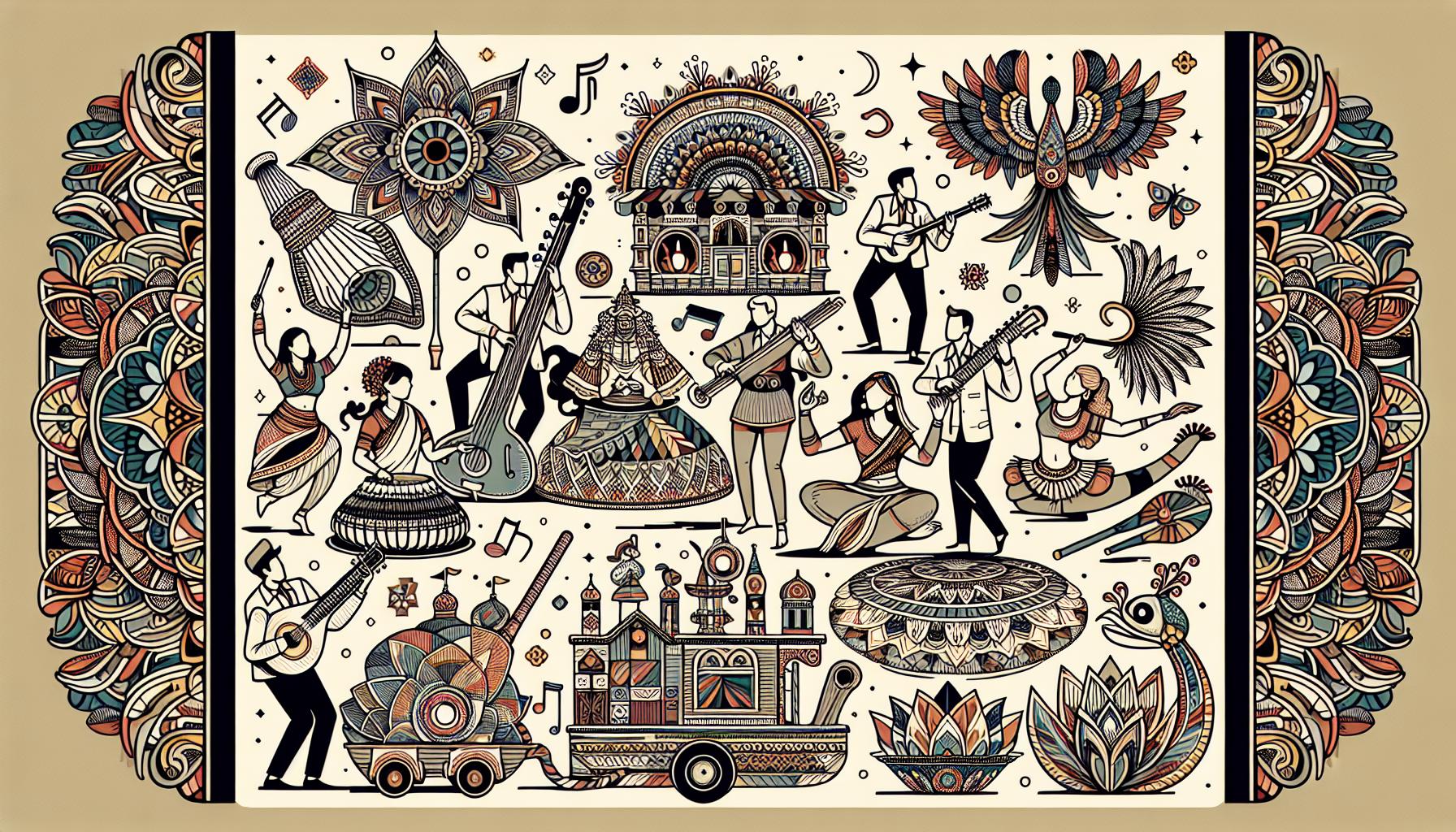
Cultural expressions during festivals reveal the unique traditions and values of a community. They encompass myriad forms, from music and dance to art and craft, reflecting the vibrant spirit of the occasion.
Music And Dance
Music and dance play integral roles in festival celebrations. Traditional music, such as bhangra at Indian weddings or mariachi during Mexican fiestas, creates an immersive experience for attendees. Dance forms, like the graceful hula in Hawaii or the energetic samba in Brazil, often tell stories and convey deep cultural meanings. Communities take pride in these expressions, ensuring their preservation and transmission to future generations.
Art And Craft
Art and craft highlight the creativity of communities during festivals. Intricate rangoli designs in India, beautiful origami during Japan’s Tanabata festival, and elaborate floats in the Venetian Carnival showcase exceptional craftsmanship. These artistic endeavors not only beautify festival settings but also symbolize cultural stories and heritage. Participants engage in these activities, fostering a sense of identity and continuity within the community.
Social Impact
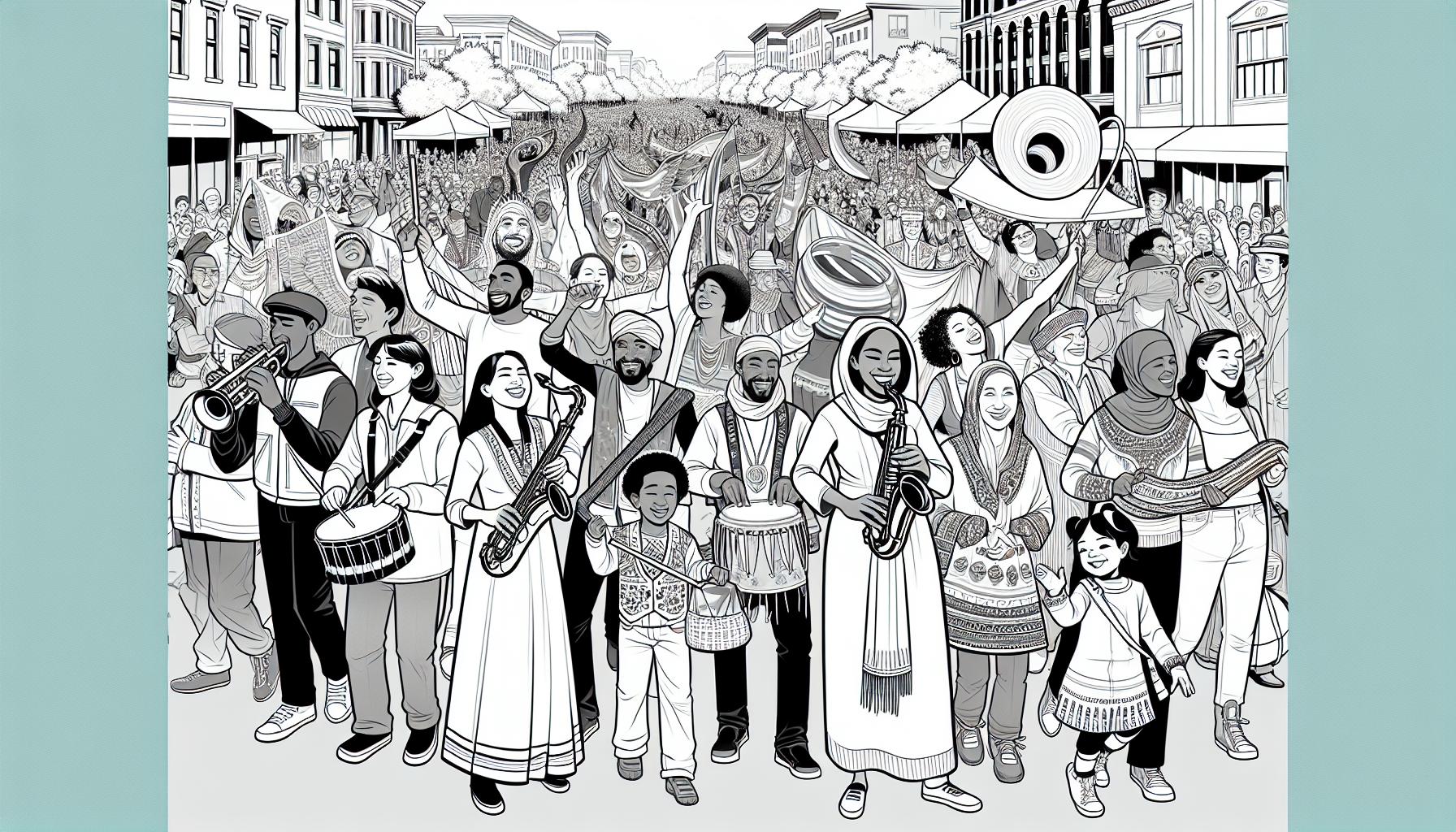
Festivals significantly impact the social fabric of host communities. They play a crucial role in fostering connections and enhancing local identity.
Community Bonding
Festivals provide platforms for socializing and entertainment. These events help establish and strengthen social networks through shared experiences. For example, people gather to participate in parades, dance, and communal feasts. By engaging in these activities, community cohesion improves, and lasting bonds are formed.
Social Capital
Festivals build social capital by enhancing the community’s resources. They promote social cohesion by bringing diverse groups together for a common purpose. Public celebrations, such as cultural parades and performances, offer opportunities for residents to connect. As a result, these events develop a stronger, more interconnected community.
Community Pride
Festivals foster a sense of pride among community members. They teach people new skills and knowledge, which strengthens relationships. For instance, local artisans may display their crafts, or residents might share traditional stories and dances. These activities not only showcase community talent but also instill a sense of pride and belonging.
Global Perspectives
Festivals worldwide share common elements but display unique regional and cultural characteristics. Understanding these differences and exchanges provides insight into human diversity.
Regional Differences
Each region’s festivals reflect local customs and traditions. In Japan, the Cherry Blossom Festival (Hanami) celebrates nature’s beauty with picnics under blooming sakura trees. In contrast, Spain’s La Tomatina is a chaotic tomato-throwing event, showcasing a playful side of local culture. The Brazilian Carnival bursts with vibrant costumes and samba dance, reflecting a fusion of indigenous, African, and Portuguese influences.
Cultural Exchange
Festivals often serve as platforms for cultural exchange, allowing people to learn and appreciate different traditions. For instance, the Chinese New Year, celebrated globally, introduces aspects of Chinese culture like dragon dances and red envelopes to diverse audiences. Similarly, Oktoberfest in Munich attracts millions, promoting German culture through beer, music, and Bavarian cuisine, fostering international camaraderie and understanding.
Modern Adaptations
Modern adaptations of festivals reflect contemporary societal changes and technological advancements. These updates help traditions stay relevant in the modern world.
Influence Of Technology
Technology has transformed how people experience festivals. Social media platforms amplify the reach of festival events, allowing global audiences to participate virtually. Live streaming services, for example Facebook Live and YouTube Live, offer real-time access to events. This inclusion bridges geographical gaps and invites a diverse audience to celebrate together. Organizers use data analytics to understand attendee preferences better, tailoring experiences to improve satisfaction. Mobile apps enhance user experience by providing event schedules, interactive maps, and real-time updates.
Changing Traditions
Traditions within festivals evolve to meet contemporary expectations. Some historical rituals adapt to modern tastes while preserving core cultural meanings. For example, eco-friendly practices replace fireworks in some festivals to address environmental concerns. Integration of global elements occurs in regional celebrations, enriching traditional practices. Halloween now includes not just traditional trick-or-treating but also multicultural elements like Día de los Muertos altars. Festivals once strictly local, like Oktoberfest, now incorporate international influences, reflecting a blend of traditions. Multiculturalism infuses local events, ensuring relevance and inclusivity in an increasingly globalized world.
Conclusion
Festivals are more than just celebrations; they’re windows into the soul of a culture. They bring people together fostering unity and a sense of belonging. As festivals evolve with the times they embrace modern innovations and global influences ensuring they remain relevant and inclusive. This dynamic nature of festivals not only preserves traditions but also adapts to contemporary values making them a vital part of our ever-changing world.
Sources & further reading
These themes are explored in greater depth across the following authoritative resources:
- Britannica, Yoga in Hinduism
- Britannica, Puja
- Harvard Pluralism Project, Hindu Practice
- Internet Sacred Text Archive, Yoga Sutras of Patanjali
- Diana L. Eck, Banaras: City of Light (Princeton University Press, 1982)
External resources for further reading. Apam Napat is not affiliated with these publishers; citation does not imply endorsement.
Frequently asked questions
What are the main types of festivals?
Why are festivals culturally important?
What does Diwali symbolize?
How do music and dance feature in festivals?
Which festivals have gained international recognition?
Based on the classical texts of Hindu mythology, see our sources.