
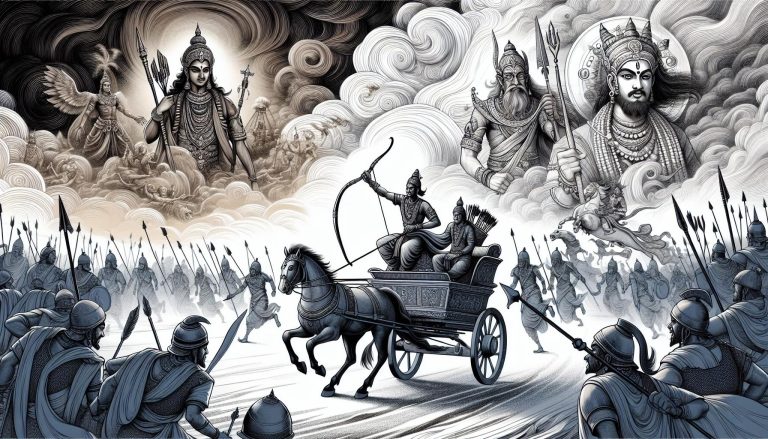
What fascinates me most about the Mahabharata is how it challenges our understanding of right and wrong. The lines between dharma (duty) and adharma (injustice) blur, forcing us to reconsider our moral compass. These timeless dilemmas not only reflect the intricacies of human nature but also provide valuable lessons that are still relevant in today’s world. Join me as I explore the moral intricacies of this epic and uncover the wisdom it holds.
Understanding Moral Dilemmas In Mahabharata
The Mahabharata presents intricate moral dilemmas that reflect the complex interplay of duty, ethics, and personal motivations. Through its narrative, the epic delves deeply into dharma, which encompasses righteous conduct and individual duty.
Dharma and Ethics
Dharma in the Mahabharata isn’t a fixed set of rules. It’s a dynamic concept balancing societal norms and individual motivations. The text urges continuous self-reflection to understand and uphold dharma. One must adapt to changing circumstances while maintaining moral integrity.
Examples of Moral Dilemmas
Arjuna’s Dilemma
Arjuna faces a profound dilemma at the onset of the war. He must choose between fighting his relatives and fulfilling his duty as a warrior. This internal conflict brings forth the Bhagavad Gita, where Krishna – An Incarnation of Vishnu guides him to understand his responsibilities beyond personal attachments. This highlights the complex nature of duty and righteousness.
These moral intricacies in the Mahabharata continue to resonate with readers, offering timeless ethical insights.
Key Moral Dilemmas

In the Mahabharata, several key moral dilemmas illustrate complex ethical challenges. These dilemmas often test characters’ principles, contrasting individual motivations and societal norms.
The Dilemma of Duty vs. Conscience
Arjuna faces a profound moral crisis on the battlefield of Kurukshetra. Even though his duty as a warrior demands him to fight, he’s tormented by the thought of killing his own kin, teachers, and friends. This conflict between duty and conscience leads Arjuna into deep despair. Lord Krishna’s counsel in the Bhagavad Gita addresses this dilemma by urging Arjuna to embrace his duty while remaining detached from the emotional implications of his actions.
The Dilemma of Justice vs. Compassion
Yudhishthira, the eldest Pandava, frequently encounters the challenge of balancing justice and compassion. For instance, as a ruler, he must enforce laws and deliver justice. Yet, his compassionate nature compels him to consider the human aspect and mercy. This balance is critical in maintaining equitable governance, reflecting Yudhishthira’s ongoing struggle to harmonize these often opposing virtues.
The Dilemma of Loyalty vs. Righteousness
Karna, born to Kunti but loyal to Duryodhana, embodies the moral conflict between loyalty and righteousness. Despite knowing the unjust nature of Duryodhana’s actions, Karna’s loyalty to his friend makes him stand against his own brothers, the Pandavas. This conflict underscores the complexity of adhering to personal loyalty while recognizing and confronting unethical actions.
Arjuna’s Moral Quandaries
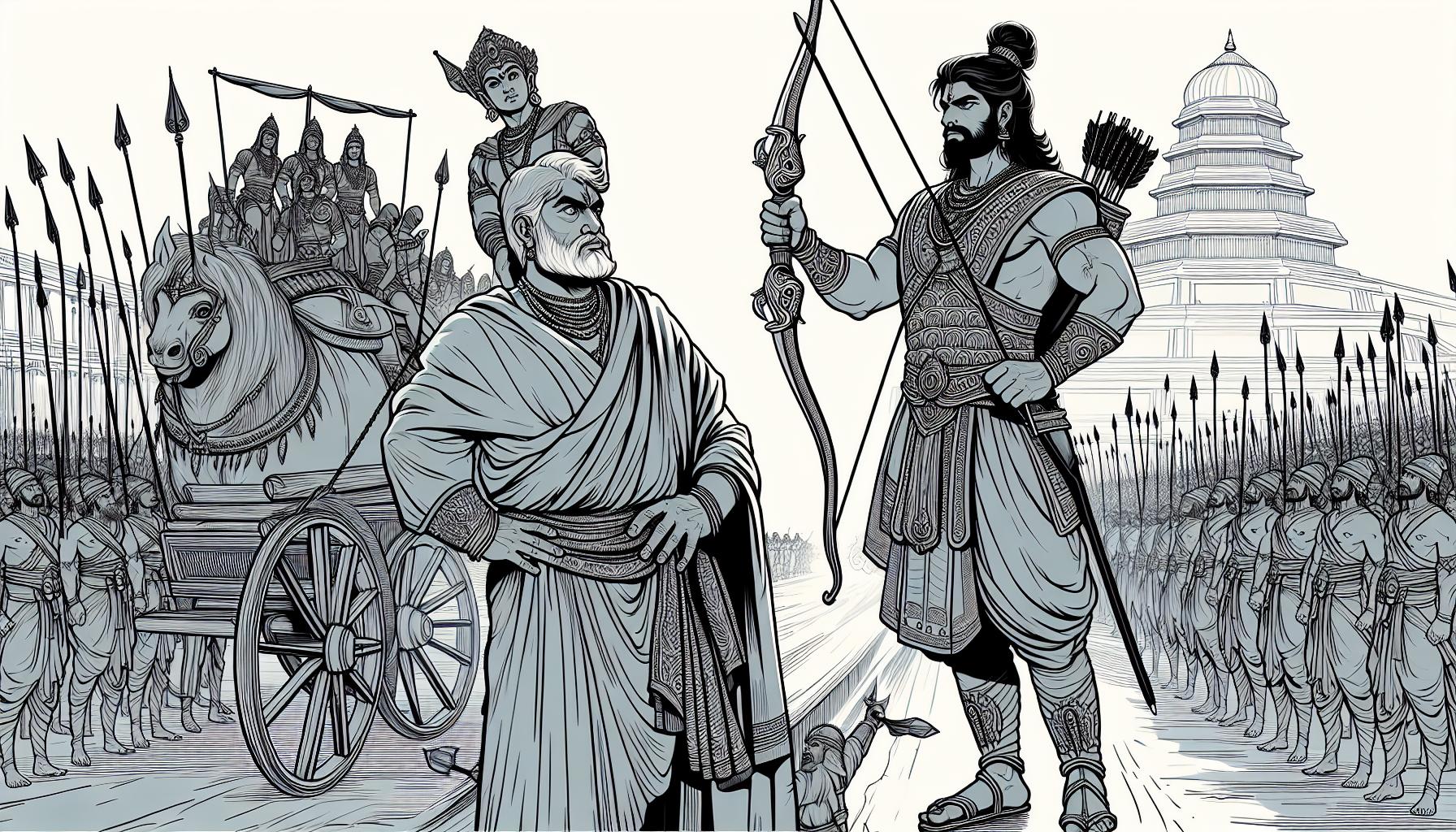
Arjuna, a key hero in the Mahabharata, faces profound moral dilemmas that challenge his understanding of duty (dharma) and righteousness.
The Battlefield of Kurukshetra
The battlefield of Kurukshetra becomes a stage for Arjuna’s internal conflict. He stands ready to fight but becomes paralyzed by the prospect of killing his kin. The Kurukshetra war presents him with a stark choice: fulfill his duty as a warrior or obey his conscience and avoid bloodshed. This setting highlights the epic’s larger theme of duty versus personal moral struggle.
Arjuna’s Hesitation and Krishna’s Counsel
Arjuna’s hesitation leads to a critical dialogue with his charioteer, Krishna. In this moment, Arjuna questions the morality of the war, expressing sorrow and doubt. Krishna responds with the teachings of the Bhagavad Gita, advising Arjuna to perform his duty without attachment to the results. Through Krishna’s counsel, Arjuna learns that true dharma involves selfless action, aligning with one’s higher purpose without succumbing to inner turmoil.
Yudhishthira’s Struggles
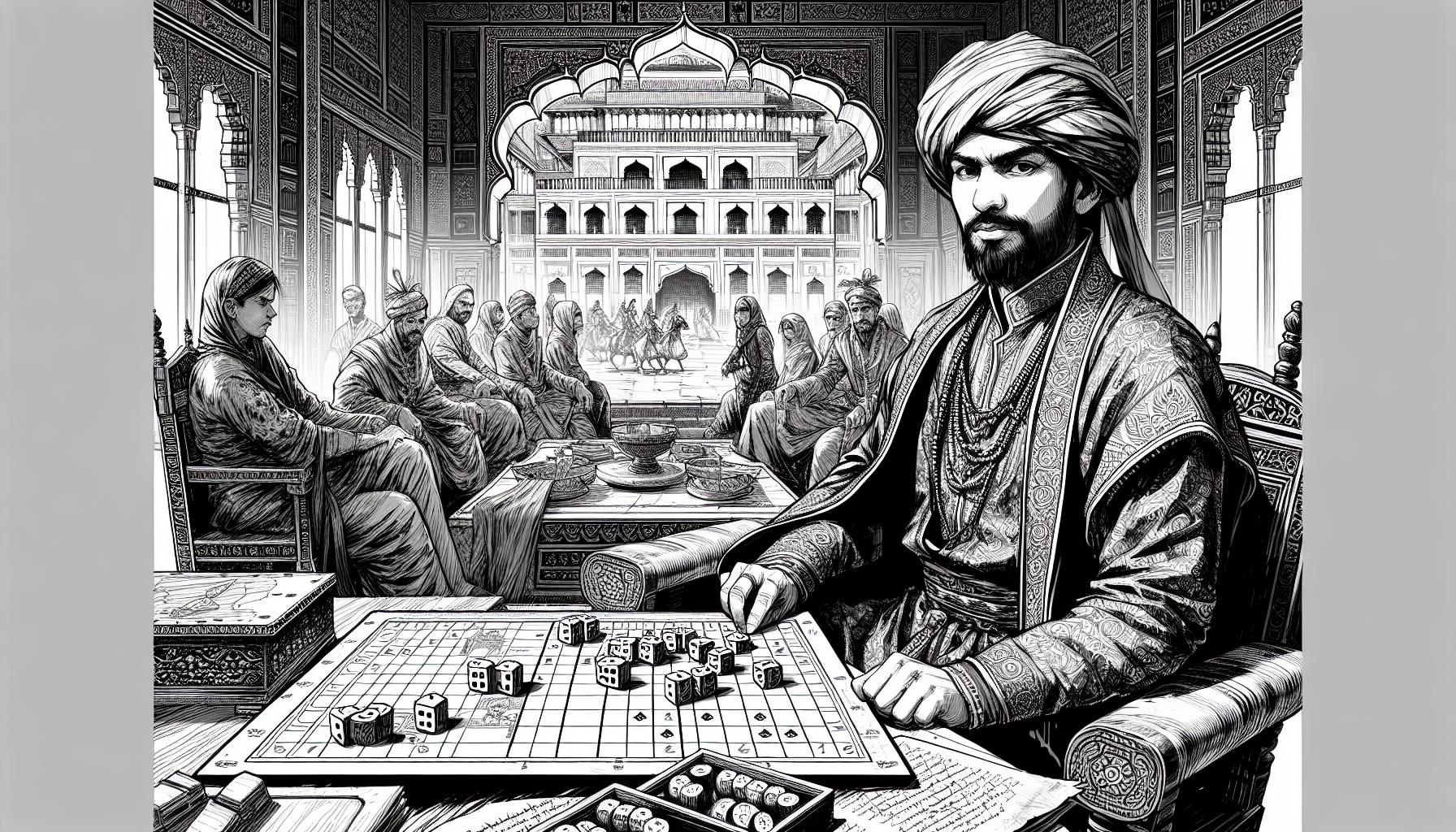
Yudhishthira, the eldest Pandava, faces numerous moral dilemmas in the Mahabharata. His struggles reflect the complexities of adhering to dharma while dealing with personal weaknesses and societal challenges.
The Virata Parva Incident
The Pandavas spend their final year of exile in disguise at King Virata’s court. Yudhishthira adopts the guise of Kanka, a courtier. He faces the challenge of maintaining this disguise while navigating court politics and moral issues. Despite his identity as a ruler and a warrior, Yudhishthira must perform menial tasks, suppressing his pride and ensuring his brothers remain concealed.
The Game of Dice and Its Consequences
Yudhishthira’s weakness for gambling leads to a critical moment in the epic – the game of dice against Shakuni. Shakuni manipulates him into betting everything valuable, resulting in the loss of his kingdom, brothers, and even his wife Draupadi. This event highlights the dire consequences of Yudhishthira’s moral lapse and sets the stage for the subsequent conflict between the Pandavas and Kauravas.
Duryodhana’s Ethical Conflicts
Duryodhana faces numerous ethical challenges in the Mahabharata. His character embodies the struggle between personal loyalty and adherence to dharma.
The Draupadi Episode
Duryodhana’s involvement in the Draupadi episode highlights a major ethical conflict. When Yudhishthira gambles away Draupadi, Duryodhana orders her disrobing in the royal court. He ignores the dharma’s violation, prioritizing his desire to humiliate the Pandavas. This event underscores his failure to value righteousness over personal vendetta.
The War Strategies
Duryodhana’s war strategies reflect his ethical dilemmas. Even as his generals and armies fall, he refuses to surrender, relying on deceitful tactics. An example is his alliance with Karna, intending to use him against the Pandavas despite knowing Karna’s true lineage. Duryodhana’s persistent defiance of ethical warfare rules further illustrates his internal conflict between duty and personal ambition.
Lessons from Mahabharata for Today
Arjuna’s Reluctance to Fight
Arjuna’s inner conflict on the battlefield of Kurukshetra showcases the struggle between personal values and professional duties. Modern professionals often face similar dilemmas where they must choose between ethical practices and corporate profitability. For instance, in a business setting, an executive might grapple with whether to pursue profit at the cost of compromising ethical standards.
Karna’s Loyalty vs. Righteousness
Karna’s loyalty to Duryodhana, despite knowing his actions were unrighteous, underscores the importance of balancing personal relationships with moral principles. This dilemma is evident today when individuals are torn between supporting a friend or family member and adhering to ethical standards. For example, an employee might face a conflict between helping a close colleague and reporting their unethical actions.
Yudhishthira’s Commitment to Truth
Yudhishthira, known for his commitment to dharma and truth, encountered dilemmas that tested his integrity. In today’s world, leaders often face decisions that require upholding truth despite potential adverse consequences. A politician, for instance, could struggle with the choice between promoting a policy for the greater good and facing public backlash.
Draupadi’s Moral Stand
Draupadi’s insistence on justice and her defiance in the face of humiliation during the disrobing episode highlight the importance of standing up against wrongdoing. Her stance is relevant for those encountering injustice in various forms today. For example, employees standing up against workplace harassment can take inspiration from Draupadi’s courage.
Bhishma – The Grand Old Man of The Kurus’s Vow and Its Consequences
Bhishma’s vow of celibacy and allegiance to the throne, despite knowing the eventual downfall it would bring, highlights the significance of foresight and responsibility. Modern parallels can be found in situations where leaders’ decisions have long-term impacts. A CEO’s strategic decisions that affect a company’s future stability are akin to Bhishma’s binding vows, underscoring the need for careful deliberation.
Duryodhana’s Ethical Failures
Duryodhana’s ethical conflicts, as seen in his loyalty to personal ambition over righteousness, underscore the pitfalls of unethical leadership. His deceitful war strategies and defiance of ethical conduct offer a stark lesson in integrity. Modern-day examples include corporate leaders who prioritize personal gain, leading to scandals and organizational downfalls.
These dilemmas from the Mahabharata resonate deeply in contemporary contexts, offering timeless wisdom on navigating ethical complexities in personal, professional, and social spheres.
Conclusion
The Mahabharata’s exploration of moral dilemmas offers timeless insights for navigating ethical complexities. Characters like Arjuna Yudhishthira and Duryodhana teach us about the delicate balance between personal values and professional duties. Their stories remind us that loyalty truth and righteousness often come into conflict but it’s our choices that define us. Bhishma’s foresight and responsibility also provide valuable lessons for modern leaders. By reflecting on these ancient narratives we can better understand how to uphold our principles while making difficult decisions in today’s world.
Sources & further reading
These themes are explored in greater depth across the following authoritative resources:
- Internet Sacred Text Archive, Mahabharata (Ganguli translation)
- Internet Sacred Text Archive, Ramayana of Valmiki
- Britannica, Mahabharata
- Britannica, Ramayana
- Bibek Debroy, The Mahabharata (10 vols., Penguin, 2010 to 2014)
External resources for further reading. Apam Napat is not affiliated with these publishers; citation does not imply endorsement.
Based on the classical texts of Hindu mythology, see our sources.