
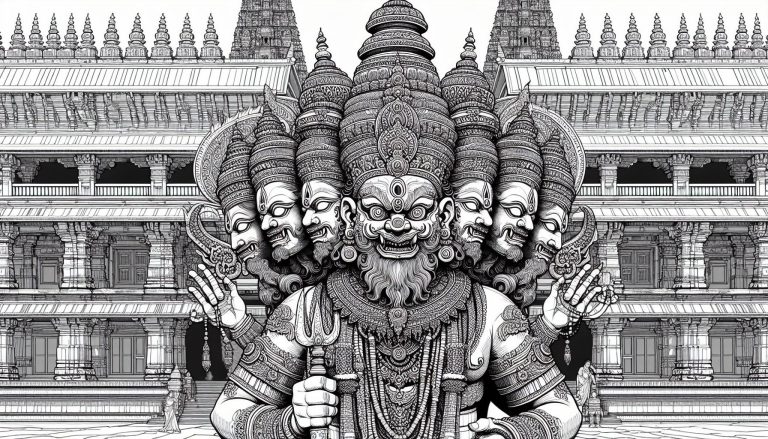
Exploring the Asura’s religious beliefs unveils a world where morality, power, and spirituality intertwine. From their reverence for cosmic order to their pursuit of enlightenment, the Asura’s beliefs challenge our understanding of good and evil. Join me as we investigate into the captivating world of the Asura and uncover the profound wisdom hidden within their ancient traditions.
Origins Of Asura Beliefs
Asura beliefs trace back to early Vedic texts. The Rigveda, one of the most ancient Hindu scriptures, mentions the Asuras. Initially, the term ‘Asura’ referred to various powerful and divine beings. These beings were not inherently malevolent but became associated with chaos and opposition to the Devas (gods).
By the later Vedic period, the distinction between Asuras and Devas sharpened. Asuras were increasingly depicted as antagonistic entities. This shift reflected broader societal changes, with emerging hierarchies and power dynamics.
Buddhist texts also offer insights into the origins of Asura beliefs. In Buddhist cosmology, Asuras are one of the six realms of existence. They embody negative traits such as jealousy and constant strife, contrasting with peaceful paths in other realms.
Mythological stories, such as those in the Puranas, further shaped Asura beliefs. Tales of their battles with gods and quests for dominance highlight their complex roles. These narratives reveal how Asuras embody traits like ambition and defiance, offering deeper understanding of their spiritual significance.
Also, regional variations in India shaped unique aspects of Asura beliefs. For instance, in South Indian traditions, some Asuras are revered and worshipped. This diversity underscores the multifaceted nature of their religious significance.
References from Vedic texts, Buddhist cosmology, and mythological stories map the origins of Asura beliefs. Historical shifts and regional influences contributed to a rich world of interpretations. Exploring these origins offers a window into how ancient cultures understood power, morality, and spirituality.
Core Beliefs And Values
Good Vs. Evil
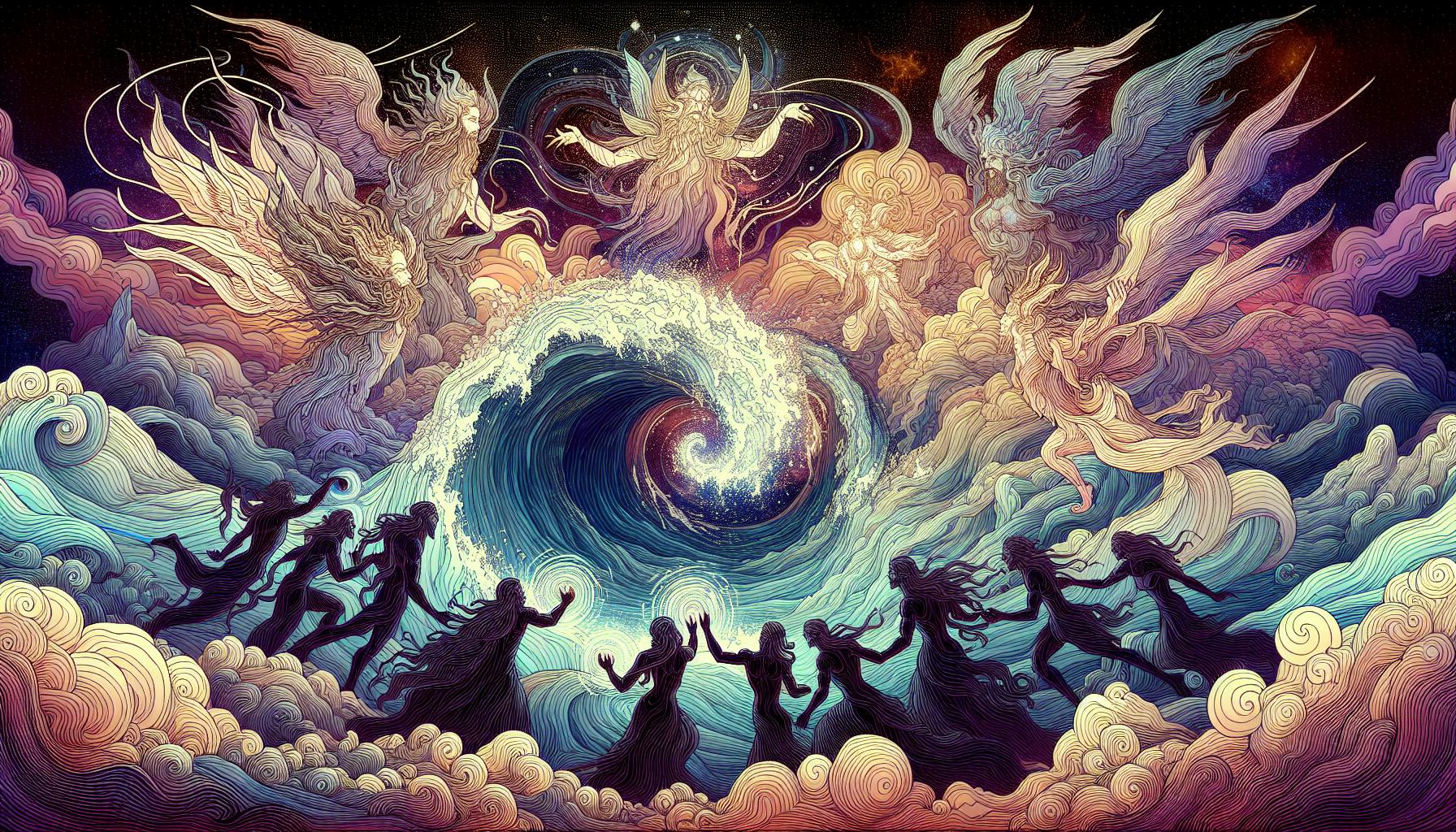
Asura religious beliefs present a nuanced view of good and evil. Unlike the dichotomy seen in many traditions, Asuras often embody traits that can be both destructive and transformative. They exhibit qualities such as pride, jealousy, and ambition, yet these traits can lead to personal growth and enlightenment if harnessed correctly. In Hindu traditions, Asuras frequently clash with Devas (gods), representing the eternal struggle between opposing cosmic forces. For example, the Vedic texts depict Asuras and Devas participating in the churning of the ocean, a shared try to obtain the nectar of immortality. This event underscores the idea that both good and evil are inherent in the quest for power and wisdom.
Immortality And Rebirth
Asura beliefs deeply intertwine with concepts of immortality and rebirth. Central to their worldview is the pursuit of amrita, the nectar of immortality, symbolizing the Asuras’ desire to transcend mortal limitations. Although they often fail in their quest, their continual efforts highlight a relentless desire for eternal life. In Buddhist cosmology, Asuras are trapped in cycles of rebirth, driven by negative emotions like anger and jealousy. These cycles serve as both punishment and opportunity, illustrating the possibility of transformation and spiritual advancement through overcoming inner turmoil. The cyclical nature of existence, evident in both Hindu and Buddhist frameworks, emphasizes that immortality is not merely physical but also spiritual—achieved through enlightenment and karmic evolution.
Deities And Spiritual Figures
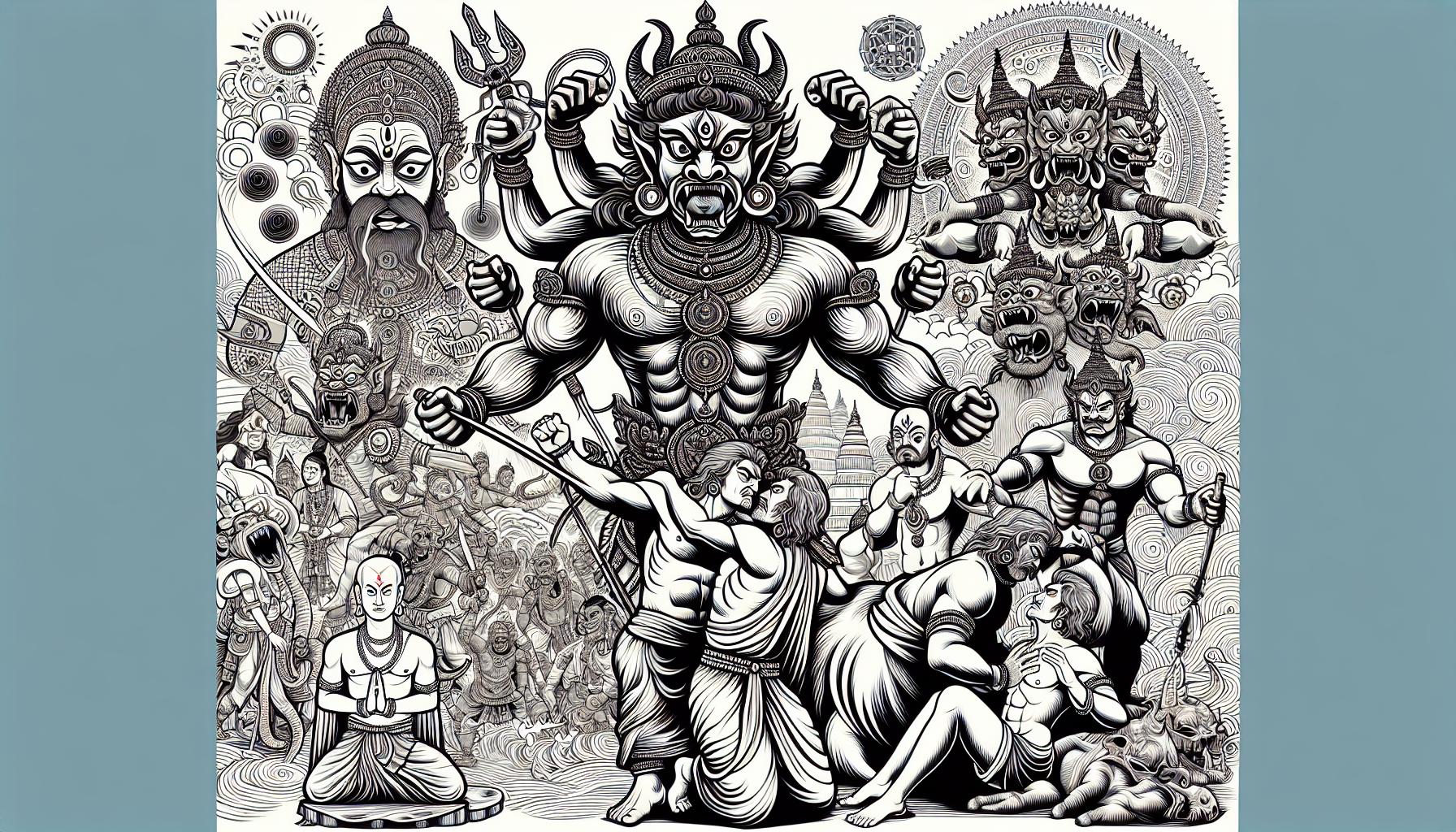
Asuras, known for their conflicts with Devas, feature prominently in Hindu and Buddhist traditions. Major Asuras in mythological tales shape the understanding of their religious beliefs, influencing modern interpretations.
Major Asuras In Mythology
Several Asuras stand out in ancient texts.
- Ravana: Ravana, the ten-headed demon king, figures prominently in the Ramayana – Epic of Hinduism. He kidnaps Sita, leading to an epic battle with Rama. Ravana is often seen as a scholarly Asura, known for his devotion to Shiva.
- Mahishasura – Buffalo Demon: Mahishasura, a shape-shifting demon, battles the goddess Durga in various forms. His struggle symbolizes the fight between good and evil, with Durga eventually vanquishing him.
- Bali: Bali, an Asura king, appears in the Vamana avatar tale in the Bhagavata Purana. Vishnu incarnates as a dwarf to subdue Bali, symbolizing cosmic balance and humility.
- Hiranyakashipu: Hiranyakashipu, known for his arrogance, demands worship as a god. His son, Prahlada, remains devoted to Vishnu, leading to Hiranyakashipu’s defeat by Narasimha, Vishnu’s man-lion avatar.
Asuras In Modern Religions
Modern Hindu and Buddhist practices view Asuras symbolically.
- Psychological Aspects: In Hinduism, Asuras represent inner struggles, like ego and greed. These traits, when conquered, lead to spiritual growth.
- Theravada Buddhism: In Theravada Buddhism, Asuras manifest as internal negative traits, reminding practitioners of the constant battle against desires and ignorance.
- Mahayana Buddhism: Mahayana Buddhism perceives Asuras as beings suffering from jealousy and hostility, teaching the importance of compassion and wisdom.
- Festivals and Rituals: Modern-day rituals, like Durga Puja and Diwali, celebrate deities’ victories over Asuras, reinforcing moral and ethical values in society.
Understanding the complex roles and spiritual significance of Asuras deepens comprehension of Hindu and Buddhist cosmologies. These mythological figures continue to embody essential lessons on morality, power, and spiritual enlightenment.
Rituals And Practices
In Hindu and Buddhist traditions, Asura rituals and practices reflect their complex spiritual nature.
Worship Ceremonies
Worship ceremonies associated with Asuras are multifaceted. In Buddhist cosmology, Asuras are supernatural beings dwelling in lower levels of Mount Sumeru. Their ceremonies often focus on sensuous aspects, reflecting their endless conflicts against Devas. These rituals symbolize Asuras’ struggle for power and control, reinforcing their representation as beings driven by desire and ambition.
Meditation And Offerings
Meditation and offerings are significant in Buddhist rituals involving Asuras. In countries like Sri Lanka and Thailand, meditation is widely practiced, with 62% of people engaging in it. Though less common in other regions, meditation still holds importance. Offerings, often made during meditation practices, serve to appease and honor these beings. Hindus also place a strong emphasis on meditation, reflecting a shared cultural and religious aspect in their approach to spiritual practices.
Influence On Other Religions
Asura beliefs have had a profound impact on other religions, shaping spiritual narratives and practices.
Hinduism
In Hinduism, Asuras often symbolize adversarial forces. Their battles with Devas (gods) depict the struggle between good and evil. For example, the epic tales in the Ramayana and Mahabharata – The Great Epic feature Asuras like Ravana and Mahishasura, who embody pride and chaos. These stories teach moral lessons, reinforcing dharma (righteousness) through the triumphs of divine beings over these adversaries. Temples and rituals frequently commemorate these victories, serving as reminders of the eternal moral battle.
Buddhism
In Buddhism, Asuras are present in the six realms of existence. They represent the area of demonic beings, often characterized by jealousy and insatiable desires. Unlike Hinduism, where Asuras are often outright antagonists, Buddhism views them more empathetically as beings trapped by their negative karma. For instance, the Jataka tales describe past lives of the Buddha where he encounters and undercuts Asuras, teaching compassion and the consequences of unwholesome actions. Meditation and mindfulness practices in Buddhism often focus on overcoming these inner Asura-like traits, emphasizing moral purification and spiritual development.
Conclusion
Exploring Asura religious beliefs reveals a rich world of mythology and moral lessons. These beings, rooted in ancient texts, continue to influence modern spiritual narratives. Their stories, whether as antagonists or symbols of inner struggle, offer profound insights into human nature and the eternal battle between good and evil. By understanding Asura beliefs, we gain a deeper appreciation for the cultural and spiritual dynamics that shape Hindu and Buddhist traditions. This knowledge not only enriches our spiritual journey but also enhances our understanding of the diverse ways in which humanity seeks to comprehend and transcend its flaws.
Sources & further reading
These themes are explored in greater depth across the following authoritative resources:
- Britannica, Asura
- Britannica, Naga
- Mythopedia, Hindu Mythology
- Internet Sacred Text Archive, Mahabharata
- Wendy Doniger, Hindu Myths (Penguin Classics, 1975)
External resources for further reading. Apam Napat is not affiliated with these publishers; citation does not imply endorsement.
Frequently asked questions
What are the religious beliefs of the Asuras?
Where do Asura beliefs originate?
How do Asuras view immortality?
Who are major Asuras in Hindu mythology?
How are Asuras viewed in Buddhist cosmology?
Based on the classical texts of Hindu mythology, see our sources.