
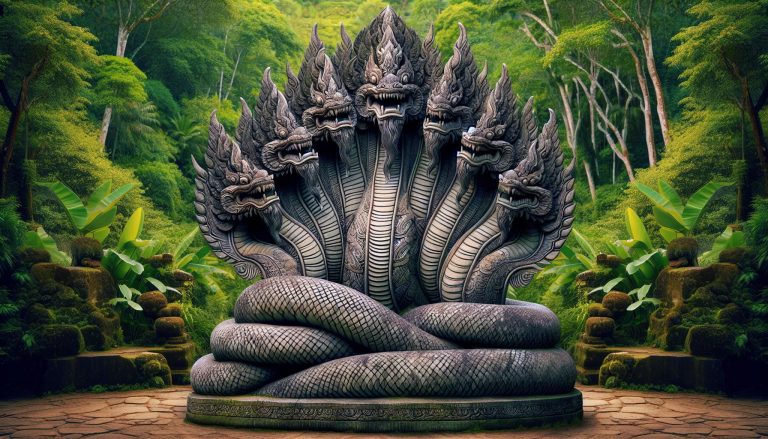
As I investigate into the rich lore of the naga, I uncover stories that are as diverse as they are captivating. Whether they’re revered as divine beings or feared as formidable adversaries, nagas command a unique presence in the mythological world. Join me as I explore the origins, symbolism, and enduring legacy of these enigmatic serpents.
Origins Of Naga Serpent Mythology
Naga serpent mythology has ancient roots, with stories found in various early civilizations. It intertwines with religious texts, folklore, and regional tales.
Ancient Texts And Scriptures
Ancient texts, like the Hindu Vedas and Puranas, contain early references to nagas. Hindu epic “Mahabharata – The Great Epic” mentions nagas as powerful beings living in the netherworld. Buddhist scriptures describe nagas as protectors of Buddha and his teachings. The Jain texts, including “Kalpa Sūtra,” portray nagas as divine serpents.
- Mahabharata: Naga kingdom ruled by Vasuki – The King of Serpents.
- Vedas: Nagas as serpent deities.
- Puranas: Detailed stories of Naga ancestry.
- Buddhist Scriptures: Nagas converting to Buddhism.
- Jain Texts: Guardians of manuscripts.
Geographic Spread And Cultural Variations
Naga myths vary widely across regions. In India, they are revered as guardians of water bodies and rainmakers. Cambodian folklore features nagas as founders of ancient kingdoms. In Thailand, Lao, and Cambodia, they appear as protectors of temples and local communities. Indonesia’s Java and Bali islands integrate them into rituals and art.
- India: Symbols of rainfall and fertility.
- Cambodia: Founders of civilizations.
- Thailand & Laos: Protectors of temples.
- Indonesia (Java & Bali): Ritual and artistic significance.
The diverse portrayal of nagas across cultures demonstrates their integral role in folklore, religion, and societal beliefs.
Symbolism And Significance
The naga serpent is a prominent symbol in various cultures. Its representation spans religion, folklore, and legends.
Representation In Religion
Nagas hold substantial religious importance. In Hinduism, Nagas appear in several texts including the Mahabharata, where Vasuki, the Naga king, is a central figure. Buddhism also reveres Nagas, identifying them as protectors of Buddha. Jain texts view them as spiritual entities intertwined with cosmic balance. Statues and depictions of Nagas often adorn temples, symbolizing protection and sacred power.
Role In Folklore And Legends
In folklore, Nagas play diverse roles. In India, they serve as rainmakers, believed to control rain and fertility. Cambodian legends attribute the founding of ancient civilizations to Nagas, emphasizing their role in society’s formation. In Southeast Asia, particularly in Thailand and Laos, Nagas protect temples and religious sites. Indonesian islands like Java and Bali integrate Naga imagery into rituals and art, reflecting their cultural and spiritual significance.
Naga Deities And Important Figures
Naga serpents play crucial roles in various mythological traditions. This section delves into the key deities and figures within these narratives.
Hindu and Buddhist Traditions
Hindu and Buddhist texts feature many prominent Naga deities. In the Hindu tradition, Nagas appear in the Vedas, such as the Rigveda, depicting them as semi-divine serpentine beings. One of the most notable figures is Ananta (also known as Shesha), the king of all Nagas, who serves as the bed for the god Vishnu – The Protector. Vasuki is another significant Naga, the churning rope for the Ocean of Milk.
In Buddhism, Nagas often protect sacred spaces and texts. The Naga Mucalinda is renowned for shielding the Buddha from a storm while he meditated. Buddhist iconography frequently shows Nagas associated with water bodies, symbolizing their protective and powerful nature.
Famous Naga Characters
Several specific Naga characters stand out in mythology. In Hinduism, the Naga king, Takshaka – The King of Serpents, features prominently in the epic Mahabharata. Takshaka is known for his enmity with the Kuru dynasty and plays a key role in several tales of revenge and intrigue.
For Buddhism, the Naga deity Virupaksha is one of the Four Heavenly Kings, guardian of the western direction. Virupaksha’s stories emphasize his protective role over the Buddha and his teachings. Also, Manasa Devi, a goddess of snakes in Bengali traditions, is worshipped for protection against snakebites and to ensure fertility and prosperity.
These characters and deities illustrate the profound cultural and spiritual significance of Nagas across traditions.
Depictions In Art And Literature
Naga serpent mythology has left a significant mark in art and literature. These depictions have evolved, reflecting the cultural contexts of their times.
Ancient Artifacts
Ancient cultures frequently featured Naga serpents on their artifacts. Early examples include the bas-reliefs on Hindu temples in Khajuraho and Angkor Wat. These intricate carvings show Nagas with multiple heads, emphasizing their power and divine status. In Buddhist art, representations of the Naga Mucalinda protecting Buddha during meditation are common. Artifacts from Java and Bali also depict Nagas, indicating their influence across Southeast Asia. These artifacts typically use stone and bronze, materials that endure over time, allowing modern viewers to appreciate ancient artisans’ craftsmanship.
Modern Interpretations
Modern interpretations of Naga mythology appear in various forms, often blending traditional and contemporary styles. Artists frequently incorporate Naga symbols in paintings and sculptures. For example, Southeast Asian artists merge traditional motifs with modern techniques, creating unique pieces that appeal to both local and international audiences. Literature also reflects this blend. Contemporary authors explore Naga mythology through novels and short stories, bringing these ancient tales to a new generation. They often highlight the cultural significance of Nagas while introducing fresh narratives, ensuring the mythology remains relevant today.
Naga Serpent Mythology In Popular Culture
Naga serpent mythology has found its way into various forms of popular culture, influencing movies, television, literature, and comics. These representations often bring the mystique and power of Nagas to modern audiences.
Movies And Television
Naga serpent mythology often appears in movies and television to evoke mystery and supernatural powers. In Indian cinema, examples like “Nagin” (1976) tapped into ancient myths, displaying Nagas’ ability to transform into humans. In Western media, shows like “The Librarians” often introduce Naga-like creatures, portraying them as ancient guardians or villains. The widespread depiction of Nagas in these visual mediums highlights their universal allure and versatility.
Literature And Comics
Naga serpent mythology significantly influences literature and comics, blending traditional tales with modern storytelling. In Neil Gaiman’s “The Sandman” series, Nagas appear as enigmatic beings with vast knowledge and power. In graphic novels, such as “Amar Chitra Katha” in India, Nagas are portrayed in their mythological contexts, educating readers about their cultural significance. This integration into literature and comics ensures that the Naga mythology remains vibrant and relevant across generations.
Conclusion
Naga serpent mythology remains a fascinating and enduring part of many cultural and spiritual traditions. Its influence spans across continents and centuries, weaving through religious texts, folklore, art, and modern media. The enduring presence of Nagas in various forms underscores their significance and the timeless appeal of their stories. As we continue to explore these myths, we gain deeper insights into the cultures that hold them dear and the universal themes they represent. The Naga serpents, with their powerful symbolism and diverse roles, will undoubtedly continue to captivate and inspire future generations.
Sources & further reading
These themes are explored in greater depth across the following authoritative resources:
- Britannica, Asura
- Britannica, Naga
- Mythopedia, Hindu Mythology
- Internet Sacred Text Archive, Mahabharata
- Wendy Doniger, Hindu Myths (Penguin Classics, 1975)
External resources for further reading. Apam Napat is not affiliated with these publishers; citation does not imply endorsement.
Frequently asked questions
What is the origin of Naga serpent mythology?
How are Nagas described in Hindu scriptures?
What role do Nagas play in Buddhist texts?
How are Nagas viewed in different Asian cultures?
What do Nagas symbolize across cultures?
Based on the classical texts of Hindu mythology, see our sources.