
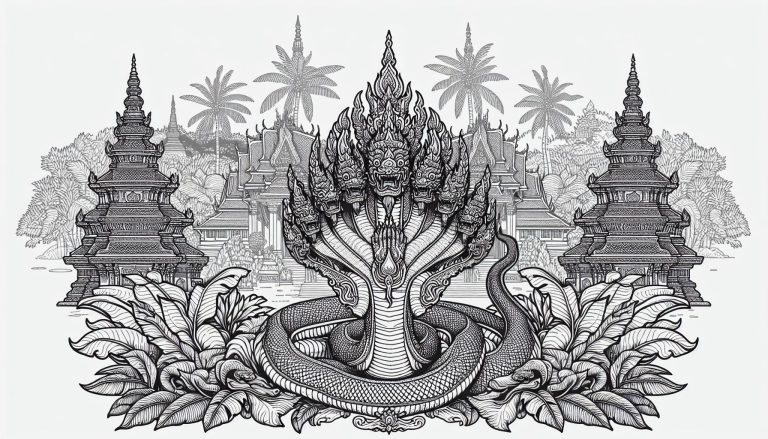
Exploring naga stories reveals a deep connection between humans and the natural world, where these mystical beings often bridge the earthly and divine realms. Their presence in ancient texts, temple carvings, and folklore speaks volumes about their enduring influence. Join me as I investigate into the captivating world of naga snake mythology and uncover the secrets these enigmatic creatures hold.
Origins Of Naga Snake Mythology
Naga snake mythology spans various cultures, with its roots tracing back to ancient civilizations. From the Indus Valley to Mesopotamia, nagas held significant roles in religious and cultural narratives.
Ancient Civilizations And Their Beliefs
Early mentions of nagas appear in texts from the Indus Valley Civilization around 2500 BCE. These ancient people revered nagas as deities representing water, fertility, and protection. In Hindu mythology, found in the sacred texts of Vedas and Puranas, nagas like Vasuki – The King of Serpents and Shesha are prominent figures. Vasuki’s role in the churning of the ocean (Samudra Manthan) and Shesha’s support of the universe illustrate the significance of these mythical beings.
In Mesopotamian mythology, serpent-like creatures such as Tiamat play a crucial role. Tiamat, a primordial goddess of the sea, embodies chaos and is often depicted as a dragon or sea serpent. This similarity in serpent imagery highlights the interconnectedness of human beliefs.
Geographic Spread
Naga mythology spread from the Indian subcontinent to Southeast Asia, incorporating local elements. In Cambodia’s Angkor Wat, naga balustrades reflect their protective function. In Thailand, the Mekong River legend portrays nagas as river guardians, linking them to water’s life-sustaining properties.
In China, naga mythology merged with local dragon myths, creating a fusion of serpent and dragon imagery. The Chinese dragon or “long” shares the naga’s benevolent and protective traits, symbolizing power, strength, and good fortune.
Throughout these regions, nagas appear in art, literature, and religious practices, underscoring their enduring influence and the universal human tendency to revere powerful natural symbols.
Symbolism And Representations

Naga snake mythology embodies rich symbolism across diverse cultures, emphasizing its dual roles and artistic representations.
Duality Of Naga: Protector And Destroyer
Nagas hold dual symbolism as both protectors and destroyers. In Hindu mythology, they guard treasures and water bodies, ensuring fertility and abundance. For instance, Vasuki, who coils around Shiva – The Destroyer’s neck, represents protection and control over destructive forces. Conversely, nagas can invoke fear and chaos. In Buddhist traditions, they safeguard sacred texts and relics but also bring floods if angered, illustrating their ambivalent nature. This duality makes nagas complex and multi-faceted in mythological narratives.
Artistic Depictions In Different Cultures
Nagas are depicted differently across cultures, reflecting local beliefs and aesthetics. In India, they appear as half-human, half-serpent figures in temple carvings and sculptures, symbolizing power and wisdom. Cambodian art showcases nagas as multi-headed serpents guarding temple gates, embodying protection and prosperity. Thai art often depicts them with intricate scales and elaborate designs in temple murals, highlighting their sacred status. In China, nagas merge with dragon imagery, combining serpentine features with dragon-like attributes, representing strength and good fortune. These diverse artistic depictions underscore the naga’s significance in various cultural contexts.
Major Myths And Legends
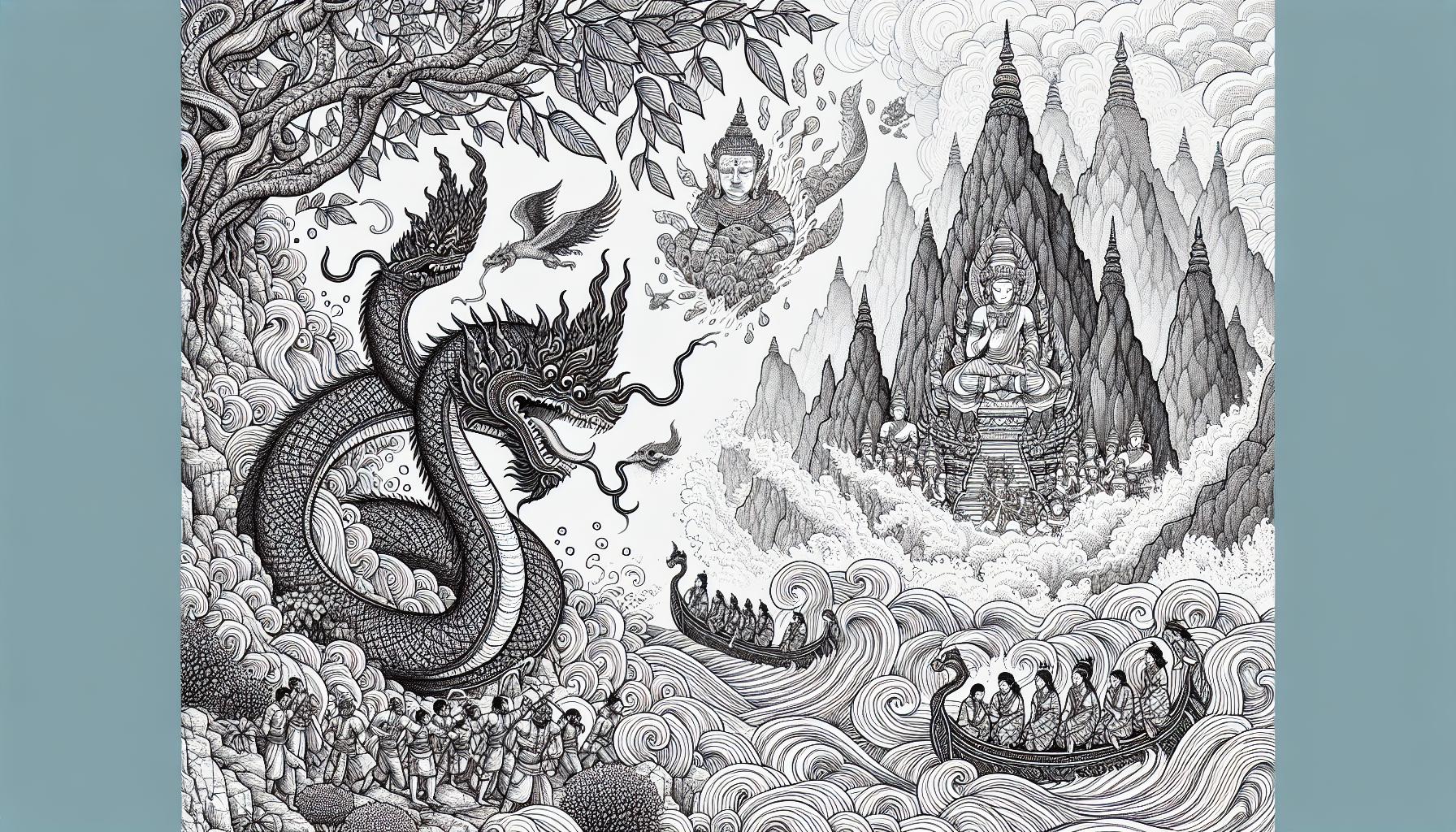
Naga snake mythology is both diverse and profound, encompassing numerous traditions and tales across different cultures.
Hindu Mythology: Vasuki And The Churning Of The Ocean
In Hindu mythology, Vasuki plays a crucial role in the legend of the Churning of the Ocean. Vasuki, the serpent king, serves as the churning rope wrapped around Mount Mandara. The gods and demons (Devas and Asuras) pull Vasuki back and forth to churn the ocean in their quest to obtain the elixir of immortality (amrita) from the ocean of milk. This mythical event symbolizes the struggle and collaboration necessary for attaining divine rewards.
Buddhist Tales: Mucalinda’s Protection Of Buddha
In Buddhist lore, the naga Mucalinda shelters Buddha during a storm. As the story goes, after attaining enlightenment, Buddha meditates under a Bodhi tree. A fierce storm approaches, and Mucalinda, the serpent king, rises from the roots of the tree and coils around Buddha, spreading his hood to shield him from the rain. This act of protection signifies nurturing wisdom and the guardianship of enlightened beings.
Southeast Asian Narratives: The Mekong River Creation
Southeast Asian mythology offers fascinating stories about the creation of the Mekong River. In Laos and Thailand, the nagas are believed to have created the river by their movements and battles. One myth recounts how a naga princess pursued by a human prince transformed into the Mekong River to escape him. This tale emphasizes the nagas’ power over natural waterways and their intimate connection with the region’s geography and culture.
Cultural Impact

Naga snake mythology has profoundly shaped various aspects of culture across different regions. From traditional practices to modern storytelling, nagas remain a symbol of reverence and curiosity.
Influence On Traditional Practices And Rituals
Naga snake mythology influences numerous traditional practices and rituals in regions where these myths are prevalent. In India, the festival of Nag Panchami involves worshiping live cobras, offering milk, flowers, and prayers to seek the blessings of nagas for protection and prosperity. Temples dedicated to naga deities, such as the Mannarasala Temple in Kerala, attract pilgrims seeking fertility blessings.
In Southeast Asia, naga iconography appears in temple architecture and daily rituals. Cambodian Khmer temples often feature naga balustrades that represent guardians of water, fertility, and wealth. In Thailand, the offering of naga-shaped candles during festivals like Loy Krathong honors the water serpents believed to live in the rivers and lakes.
Naga In Modern Literature And Media
Modern literature and media continually revitalize naga mythology, keeping these ancient stories relevant. In literature, books like “The Serpent’s Secret” by Sayantani DasGupta introduce young readers to Hindu myths, including nagas, blending traditional tales with contemporary settings.
In films and TV shows, nagas appear as both heroes and antagonists. The Indian TV series “Naagin” portrays shape-shifting nagas and explores themes of love, revenge, and mysticism. Similarly, in cartoon series like “The Legend of Korra,” nagas feature as hybrid creatures, reflecting their mythical flexibility and appeal.
Naga snake mythology has seamlessly integrated into both traditional and modern cultural expressions, highlighting its enduring significance and adaptability.
Conclusion
Exploring naga snake mythology reveals its profound impact on various cultures and religions. These ancient stories, rich with symbolism, continue to captivate and inspire. From the protective Vasuki to the nurturing Mucalinda, nagas embody a unique blend of power and reverence.
Their influence stretches beyond ancient texts into modern media, proving their timeless appeal. Naga mythology’s seamless integration into both historical and contemporary contexts underscores its enduring relevance and adaptability.
By understanding these myths, we gain insight into the universal human fascination with the mystical and the divine.
Sources & further reading
These themes are explored in greater depth across the following authoritative resources:
- Britannica, Asura
- Britannica, Naga
- Mythopedia, Hindu Mythology
- Internet Sacred Text Archive, Mahabharata
- Wendy Doniger, Hindu Myths (Penguin Classics, 1975)
External resources for further reading. Apam Napat is not affiliated with these publishers; citation does not imply endorsement.
Based on the classical texts of Hindu mythology, see our sources.