
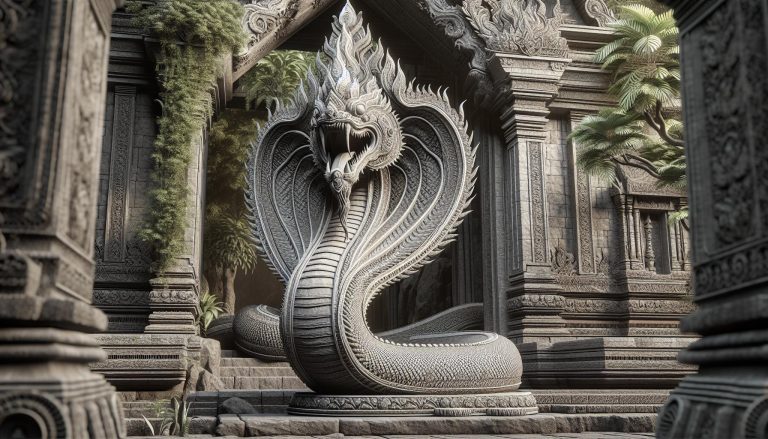
From the protective Naga kings guarding treasures to the mystical serpents who hold the secrets of the universe, the lore surrounding these creatures is both captivating and complex. As I investigate into their myths, I find myself drawn to the intricate ways they influence art, religion, and folklore. Join me as we explore the enchanting world of Naga serpent mythology and uncover the timeless tales that continue to inspire and intrigue.
Historical Origins of Naga Serpent Mythology
Naga serpent mythology’s historical roots trace back to ancient civilizations. Texts and artifacts provide insight into their cultural significance.
Ancient Texts and Scriptures
Ancient texts like the Vedas and Puranas significantly reference Naga serpents. The Rigveda, dating from 1500-1200 BCE, mentions them in hymns and chants. In Hindu texts, nagas are depicted as divine and semi-divine beings. The Mahabharata – The Great Epic and Ramayana – Epic of Hinduism further explore their lore, portraying them as protectors and adversaries in epic stories.
Buddhist scriptures, such as the Jataka tales, recount Naga serpents as guardians and symbols of fertility. Jain texts, including the Kalpa Sūtra, describe them as enlightened beings. These scriptural references shape the mythological narrative and highlight their religious importance.
Archaeological Evidence
Archaeological findings affirm the existence of Naga serpent worship in ancient societies. In Southeast Asia, serpent motifs appear in temple carvings and statues. Notable sites include Angkor Wat in Cambodia and the Phimai temple in Thailand. Artifacts such as terracotta pieces dating back to the Indus Valley civilization depict serpentine figures.
Excavations in ancient Sri Lanka uncover Naga imagery in relics and inscriptions. These discoveries suggest widespread reverence for Naga serpents and indicate their prominent role in religious and cultural practices.
Cultural Significance Across Regions

Naga serpent mythology holds varied cultural significance across different regions, shaping religious beliefs and practices. This section explores their impact on Hinduism, Buddhism, and Southeast Asian and East Asian cultures.
Hinduism
In Hinduism, Naga serpents embody both protective and destructive forces. They are often associated with water bodies, such as rivers and lakes, believed to control rainfall and fertility. Texts like the Mahabharata and Ramayana mention Naga characters like Shesha, who supports the world on his many heads, and Vasuki – The King of Serpents, who plays a role in the churning of the ocean. Temples and shrines often depict Naga images, emphasizing their guardian role over treasures and holy places.
Buddhism
Buddhist texts highlight Naga serpents as protectors of the Dharma. Stories recount Naga Mucalinda shielding the Buddha from a storm, reflecting their role as defenders of the enlightened path. In various Buddhist traditions, Nagas symbolize both spiritual and physical protection. Nagas are also seen as beings on the path to enlightenment, bridging human understanding of the physical and spiritual realms. Their depictions in art and architecture, such as at Angkor Wat, reinforce their importance in safeguarding sacred knowledge.
Southeast Asian and East Asian Cultures
In Southeast Asian and East Asian cultures, Naga serpent mythology merges local beliefs with Hindu and Buddhist elements. In Thailand, Laos, and Cambodia, Nagas are revered as water deities, ensuring agricultural prosperity. The Naga is a symbol of fertility and protection in these regions, evident in temple architecture and local folklore. In Chinese and Japanese cultures, the dragon, often identified with Naga serpents, depicts power, strength, and good fortune. Festivals and rituals celebrating Nagas reflect their deep cultural integration, illustrating their widespread reverence.
| Region | Cultural Significance |
|----------------------------------|---------------------------------------------------------|
| Hinduism | Water control, fertility, guardians of treasures |
| Buddhism | Dharma protectors, figures in enlightenment stories |
| Southeast Asian & East Asian | Water deities, symbols of fertility, strength, fortune |
Naga serpent mythology’s pervasive influence shapes diverse cultural landscapes, reflecting their enduring legacy across civilizations.
Symbolism and Interpretations
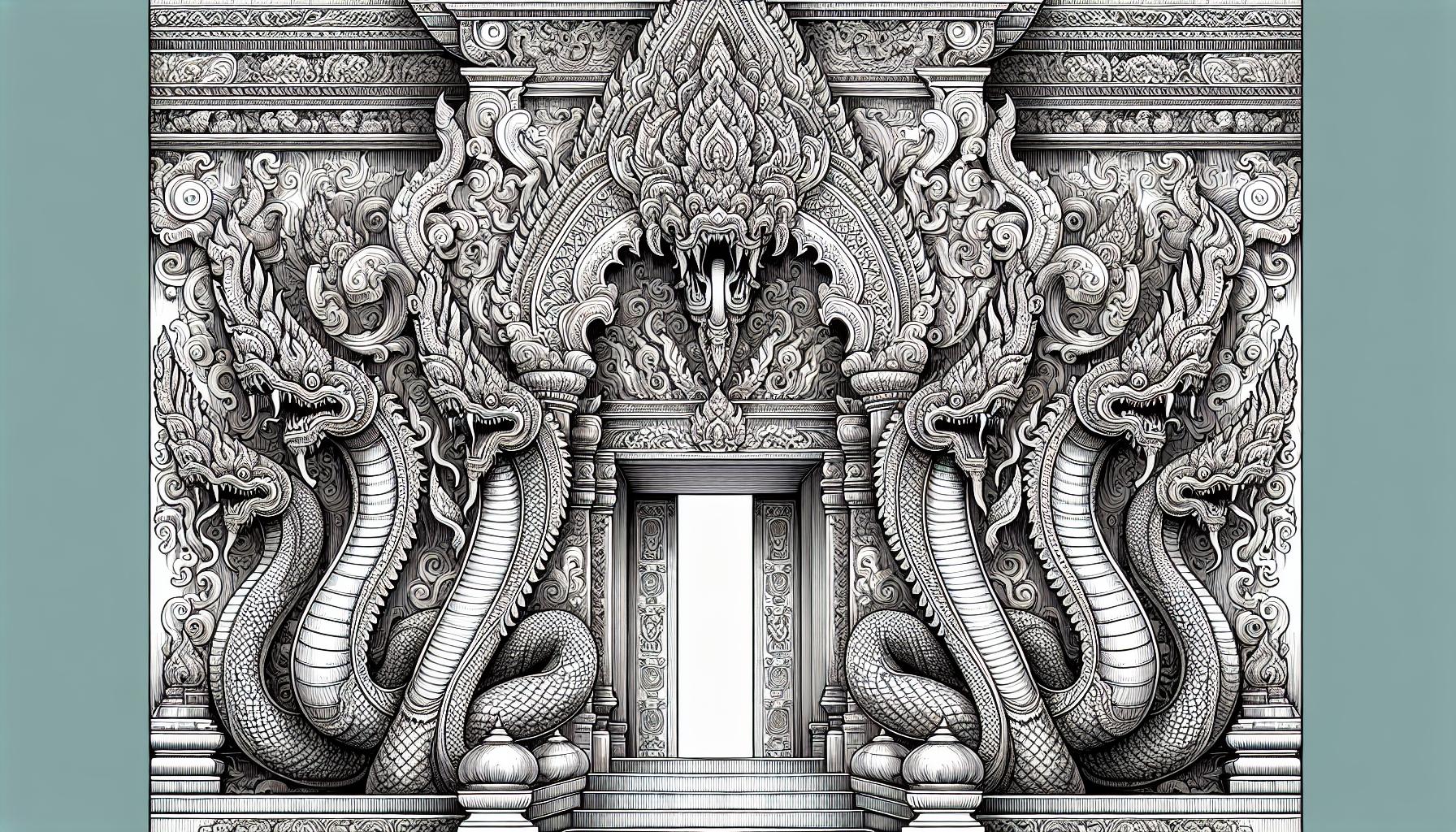
Naga serpents hold profound symbolic significance in various mythologies. They represent powerful forces and play critical roles in religious and spiritual contexts.
Guardianship and Protection
Naga serpents are often seen as guardians. In Hindu temples, they’re commonly depicted at the entryways, symbolizing protection. Texts like the Mahabharata narrate tales of Naga kings safeguarding treasures and holy sites. Careful attention to these depictions reflects their role as divine sentinels, creating an aura of safety around sacred spaces.
Dual Nature: Benevolent and Malevolent
Naga serpents embody both benevolent and malevolent traits. Benevolent Nagas bring rain, ensuring fertility and prosperity; for instance, the Naga Mucalinda sheltered Buddha from a storm. Conversely, malevolent Nagas are associated with drought and disaster, reminding believers of the balance between creation and destruction. This dual nature underscores their complex role in the mythological world, capturing the delicate equilibrium they maintain in the universe.
Prominent Narratives and Storylines
Exploring Naga serpent mythology reveals fascinating tales rooted in diverse cultures. Let’s investigate into some key stories from Indian and Southeast Asian folklore.
Stories from Indian Mythology
In Indian mythology, the Ramayana and Mahabharata feature significant Naga stories. In the Mahabharata, the Naga prince Shesha, also called Ananta, plays a pivotal role. Shesha’s part in holding the universe upon his hoods encapsulates the Naga’s cosmic significance.
The Ramayana recounts the story of Kumbhakarna – Brother of Ravana’s encounter with Surasa, a Naga serpent. Surasa, sent by the gods, tests Kumbhakarna’s resolve. These stories showcase the mythical importance of Naga serpents as both protectors and challengers.
The Puranic texts describe Vasuki, another prominent Naga king. Vasuki’s role in the churning of the ocean (Samudra Manthan) highlights Naga serpents’ cooperative and antagonistic traits, essential for balancing cosmic order.
Tales in Southeast Asian Folklore
Southeast Asian folklore offers rich narratives featuring Naga serpents. In Cambodian legend, the Naga are ancestors of the Khmer people. The fable of the Naga princess and a Brahmin prince emphasizes the serpents’ cultural legacy.
In Thai mythology, the Naga protect temples and waterways. The famous tale of Phaya Naga explains seasonal flooding of the Mekong River, attributing it to Naga serpents spitting fireballs.
Lao folklore includes the story of Naga king Mucalinda sheltering the Buddha. This tale represents serpents as divine protectors, reinforcing their spiritual importance across cultures.
These narratives underscore the diverse roles Naga serpents play in mythology, symbolizing protection, power, and cosmic balance.
Artistic Representations
Naga serpent mythology has profoundly influenced artistic depictions, from ancient sculptures to contemporary media. These representations capture the essence of Naga serpents’ cultural and religious significance.
Traditional Art and Sculptures
Traditional art often depicts Naga serpents in temples, palaces, and other sacred spaces. Sculptures from ancient India show coiled serpents with multiple heads, symbolizing protection and divine presence. Cambodian and Thai architectures, like Angkor Wat and Wat Pho, feature intricate carvings of Naga serpents, reflecting their role as protectors of water and agriculture. In Jainism, Naga images adorn temple walls, illustrating their spiritual importance.
Modern Depictions in Media
Modern media have adopted Naga serpent mythology in various forms. Films, books, and TV shows often portray Naga serpents as mystical beings with supernatural powers. For example, in Indian cinema, Naga-themed movies explore themes of revenge, love, and redemption, enhancing their popularity. Animation and fantasy genres, such as those in anime and comic books, frequently include Naga characters, drawing inspiration from their traditional mythological roles.
Conclusion
Naga serpent mythology continues to captivate and inspire, weaving through the fabric of various cultures and religions. These mystical beings embody power, wisdom, and protection, influencing countless narratives and artistic expressions. As we see their presence in ancient texts and modern media alike, it’s clear that Naga serpents hold a timeless allure. Their enduring legacy not only enriches our understanding of mythology but also connects us to a shared human fascination with the mystical and the divine.
Sources & further reading
These themes are explored in greater depth across the following authoritative resources:
- Britannica, Asura
- Britannica, Naga
- Mythopedia, Hindu Mythology
- Internet Sacred Text Archive, Mahabharata
- Wendy Doniger, Hindu Myths (Penguin Classics, 1975)
External resources for further reading. Apam Napat is not affiliated with these publishers; citation does not imply endorsement.
Based on the classical texts of Hindu mythology, see our sources.