
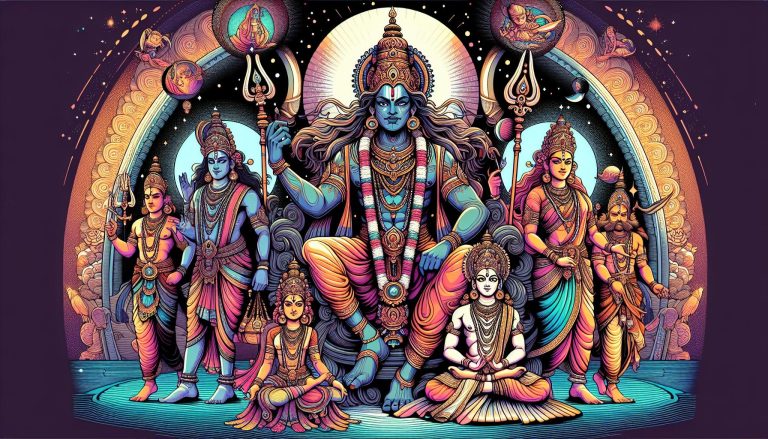
Shiva’s consorts, primarily Parvati – The Consort of Shiva, Kali, and Durga, each bring unique attributes and stories that enrich his narrative. They aren’t just his companions; they embody different aspects of the divine feminine, balancing Shiva’s formidable power with grace, wisdom, and fierce protection. Exploring their stories offers profound insights into the spiritual and cultural significance of these divine partnerships.
Overview Of Shiva’s Consorts
Shiva’s consorts play an essential role in Hindu mythology. These divine forms, Parvati, Sati, and others in various traditions add depth and richness to Shiva’s narrative.
Parvati
Parvati, also known as Shakti, is Shiva’s primary consort. She’s depicted as the embodiment of love, devotion, and motherhood. Often shown alongside Shiva, Parvati complements his ascetic nature with her grace and compassion. The story of her devotion to Shiva begins with her severe penance to win his heart. Their union represents the perfect balance of power and harmony in the universe.
Sati
Sati, one of Shiva’s earliest consorts, is a pivotal figure. She was born to Daksha, and her marriage to Shiva was met with disapproval from her father. Sati shows unwavering devotion to Shiva. Her self-immolation at Daksha’s sacrificial ceremony marks a critical event in mythology, leading to her reincarnation as Parvati. This act symbolizes ultimate devotion and sacrifice.
Other Consorts In Various Traditions
Shiva’s consorts differ across traditions and regions. Kali, in her fierce form, represents time, destruction, and transformation. Durga symbolizes protection and righteous warfare, often depicted slaying demons to restore cosmic order. In southern traditions, goddesses like Kamakshi and Meenakshi are revered as consorts of Shiva, each embodying unique qualities. These various embodiments highlight the multifaceted nature of the divine feminine in Hindu mythology.
Mythological Stories And Legends
Hindu mythology offers extensive tales surrounding Shiva and his consorts, highlighting various divine relationships and their spiritual significance.
The Origin Story Of Sati
Sati, the goddess of marital felicity and longevity, marries Shiva against her father Daksha’s wishes. During a grand yagna, Daksha insults Shiva, leading Sati to immolate herself in grief. This tragic event profoundly impacts Shiva, who isolates himself in deep meditation to cope with his loss.
Parvati’s Devotion And Marriage To Shiva
Parvati, the reincarnation of Sati, is born to Himavat and Mainavati. Determined to unite with Shiva, Parvati engages in rigorous ascetic practices and devotion. Her unwavering commitment eventually wins Shiva’s heart. In some Shakta traditions, Parvati is viewed as equal or even superior to Shiva, emphasizing their union’s spiritual significance.
Tales Of Other Consorts
Shiva’s mythology also includes other consorts like Kali and Durga. Kali represents time and destruction, often depicted in a fierce form to emphasize her role in defeating evil. Durga symbolizes protection and righteous warfare, embodying strength and bravery. These consorts reflect the multifaceted nature of the divine feminine, adding depth to Shiva’s mythology.
Symbolism And Significance
Shiva’s consorts hold rich symbolic and significant roles in Hindu mythology. They represent various aspects of the divine feminine and embody different spiritual principles.
Parvati as a Symbol of Power and Nurture
Parvati symbolizes both power and nurture in Hindu traditions. As a nurturing mother, she’s considered the goddess of fertility, love, and devotion. Being an embodiment of Shakti, her power complements Shiva’s destructive energy, maintaining cosmic balance. Parvati’s roles illustrate duality, nurturing life while possessing immense strength.
The Transformation from Sati to Parvati
The transformation from Sati to Parvati highlights the theme of rebirth and eternal devotion in Hindu lore. After Sati’s self-immolation due to her father Daksha’s disrespect, she reincarnates as Parvati to continue her union with Shiva. This transformation reflects themes of resilience, devotion, and the cyclical nature of life, portraying Parvati as the embodiment of rebirth and tenacity.
Representation in Art and Literature
Shiva’s consorts frequently appear in art and literature, reflecting their symbolism. Ancient temples and scriptures depict Parvati in various forms, emphasizing her nurturing and powerful aspects. Sculptures and paintings often portray her alongside Shiva, symbolizing their divine union. Literature like the Puranas narrates their stories, immortalizing their roles in spiritual traditions.
Influence On Culture And Religion
Shiva’s consorts greatly impact culture and religion, permeating various aspects of daily life and spiritual practices.
Festivals And Rituals Dedicated To Shiva And His Consorts
Shiva and his consorts are central to numerous festivals. For example, Maha Shivaratri celebrates Shiva and Parvati’s divine union. Devotees fast, chant prayers, and offer fruits during this festival. Navaratri honors the feminine aspects of the divine, notably Durga and Kali. Statues and images adorn homes and temples, highlighting their significance.
Influence On Indian Classical Dance And Music
Indian classical dance and music often depict Shiva’s consorts. Bharatanatyam performances feature Parvati’s grace and Parashurama – Rama of the Axe’s vigor. For instance, Kuchipudi styles frequently showcase Sati’s stories, emphasizing melodrama and emotion. Carnatic and Hindustani classical music include hymns and compositions dedicated to these deities, elevating their spiritual messages.
Impact On Modern Culture
Shiva’s consorts remain influential in modern culture. Films and literature frequently adapt their stories, showcasing themes of strength and devotion. Television series and graphic novels modernize these myths, making them accessible to new generations. Art exhibits and fashion lines frequently draw inspiration from their iconic imagery, keeping their legends alive in contemporary contexts.
Conclusion
Exploring Shiva’s consorts offers a fascinating glimpse into the rich tapestry of Hindu mythology. Their stories of resilience and devotion continue to inspire and resonate in various aspects of culture and daily life. Festivals, classical arts, and modern adaptations keep these legends vibrant, ensuring they remain relevant in today’s world. The divine union of Shiva and his consorts serves as a powerful reminder of cosmic balance and spiritual harmony, touching the hearts of devotees and admirers alike.
Sources & further reading
These themes are explored in greater depth across the following authoritative resources:
- Encyclopaedia Britannica, Hindu Mythology
- Internet Sacred Text Archive, Hinduism
- Mythopedia, Hindu Mythology
- Harvard Pluralism Project, Hindu Tradition
- Wendy Doniger, The Hindus: An Alternative History (Penguin, 2009), ISBN 978-0143116691
External resources for further reading. Apam Napat is not affiliated with these publishers; citation does not imply endorsement.
Based on the classical texts of Hindu mythology, see our sources.