
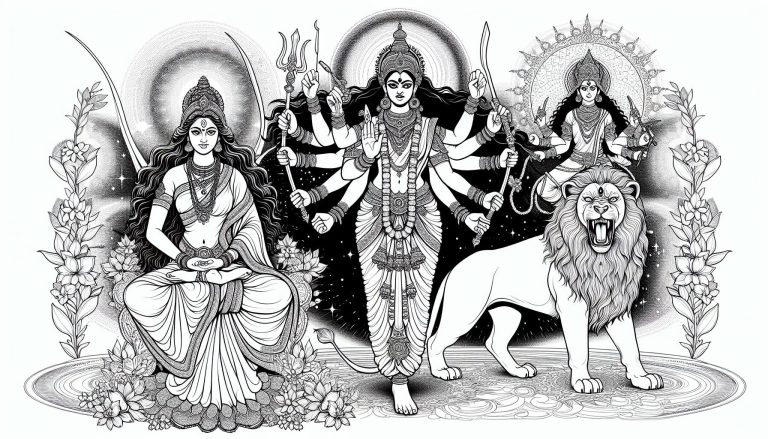
From Parvati – The Consort of Shiva, the nurturing and devoted wife, to Kali, the fierce protector, these goddesses not only complement Shiva’s energy but also represent diverse facets of life and spirituality. Exploring their stories offers a glimpse into the complexities of divine relationships and the timeless lessons they impart.
The Significance Of Shiva In Hindu Mythology
Shiva, one of the principal deities in Hinduism, holds multifaceted roles. Revered as the Destroyer, Shiva represents the aspect of the cycle where old or negative forces are removed to allow new creation. This act of destruction is viewed as essential and regenerative.
Balancing these destructive powers, Shiva’s relationship with his consorts—Devi, Parvati, and Sati—provides deeper insight. Each consort symbolizes different aspects of divine feminine power (Shakti), which complements Shiva’s own energy. Parvati exemplifies nurturing and balance. Kali, another form, emphasizes protection and fierce grace. Sati’s story highlights the importance of devotion and sacrifice.
The narratives of Shiva and his consorts embody profound philosophical themes. These tales are rich with mythological symbolism, offering timeless lessons about life’s cyclical nature and the interplay of male and female energies. Devotees view Shiva’s mythology as both spiritually enlightening and culturally significant.
Parvati: The Divine Consort
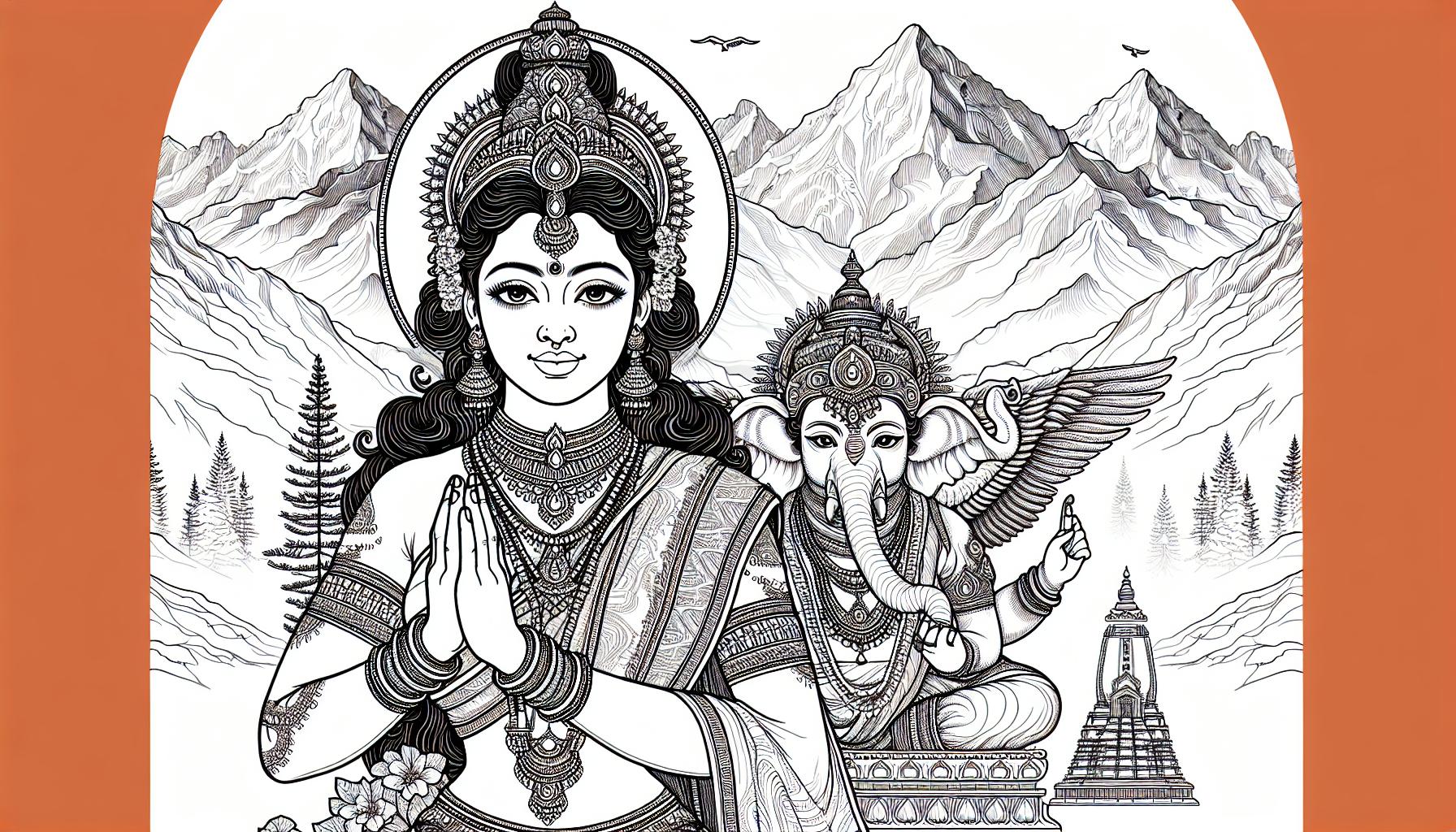
Parvati is revered as Shiva’s primary consort in Hindu mythology, embodying the divine feminine. Her role highlights motherhood, strength, and devotion.
Origin And Birth
Parvati was born to King Himavan and Queen Mainavati in the Himalayas. From a young age, she felt an intense connection to Shiva and sought him as her husband. Exhibiting relentless devotion, she performed intense penance and meditation, adopting an ascetic lifestyle. Her unwavering love and dedication ultimately won Shiva’s heart, leading to their celestial marriage.
Symbolism And Representation
Parvati represents the divine feminine energy, also known as Shakti. She embodies various virtues such as motherhood, strength, and transformative power. Known by many names, including Uma and Gauri, she symbolizes devotion and nurturing. As the consort of Shiva, she complements his destructive and regenerative energies, balancing the cosmic forces.
Key Myths And Stories
Parvati’s lore features prominently in Hindu mythology. One significant tale is her intense meditation to win Shiva’s love, reflecting her unmatched devotion. Another story recounts their son, Ganesha’s creation; Parvati fashioned him from clay and gave him life to guard her chambers. Ganesha’s confrontation with Shiva led to his beheading, which Parvati vehemently opposed. Shiva then replaced the head with that of an elephant, giving rise to the beloved deity Ganesha. These myths underscore Parvati’s steadfast love and nurturing instincts, highlighting her crucial role in the divine order.
Sati: The Previous Incarnation

Within Hindu mythology, Sati, also known as Dakshayani, plays a significant role as the former incarnation of Parvati. Sati’s story intertwines deeply with that of Shiva, her husband, and exemplifies themes of love, devotion, and sacrifice.
Birth And Marriage
Sati, the daughter of the god Daksha, was known for her unwavering devotion to Shiva. Despite her father’s disapproval, she chose to marry Shiva, demonstrating immense courage and dedication to her spiritual path. This union emphasized the potent connection between divine feminine power and the transformative energy of Shiva.
The Tragic End
Sati’s tale took a sorrowful turn when her father, Daksha, organized a grand sacrificial ceremony. Excluding Shiva from the invitees, Daksha showed his disdain openly. Ignoring Shiva’s advice, Sati attended the ceremony, hoping to bridge family ties. However, Daksha’s mockery and insults toward Shiva led Sati to an act of self-immolation, marking a profound gesture of protest against the humiliation.
Rebirth As Parvati
Shiva, devastated by Sati’s death, performed the Tandava dance, a cosmic act of destruction, and unleashed deities Virabhadra and Bhadrakali. They ravaged the sacrificial site, symbolizing Shiva’s intense grief and rage. Eventually, Sati was reborn as Parvati, the daughter of Himavat, king of the mountains, and his wife, Mena. Parvati’s asceticism and devotion won Shiva’s heart once more, leading to their reunion and marriage, thus continuing the divine narrative of their profound connection.
Ganga: The River Goddess
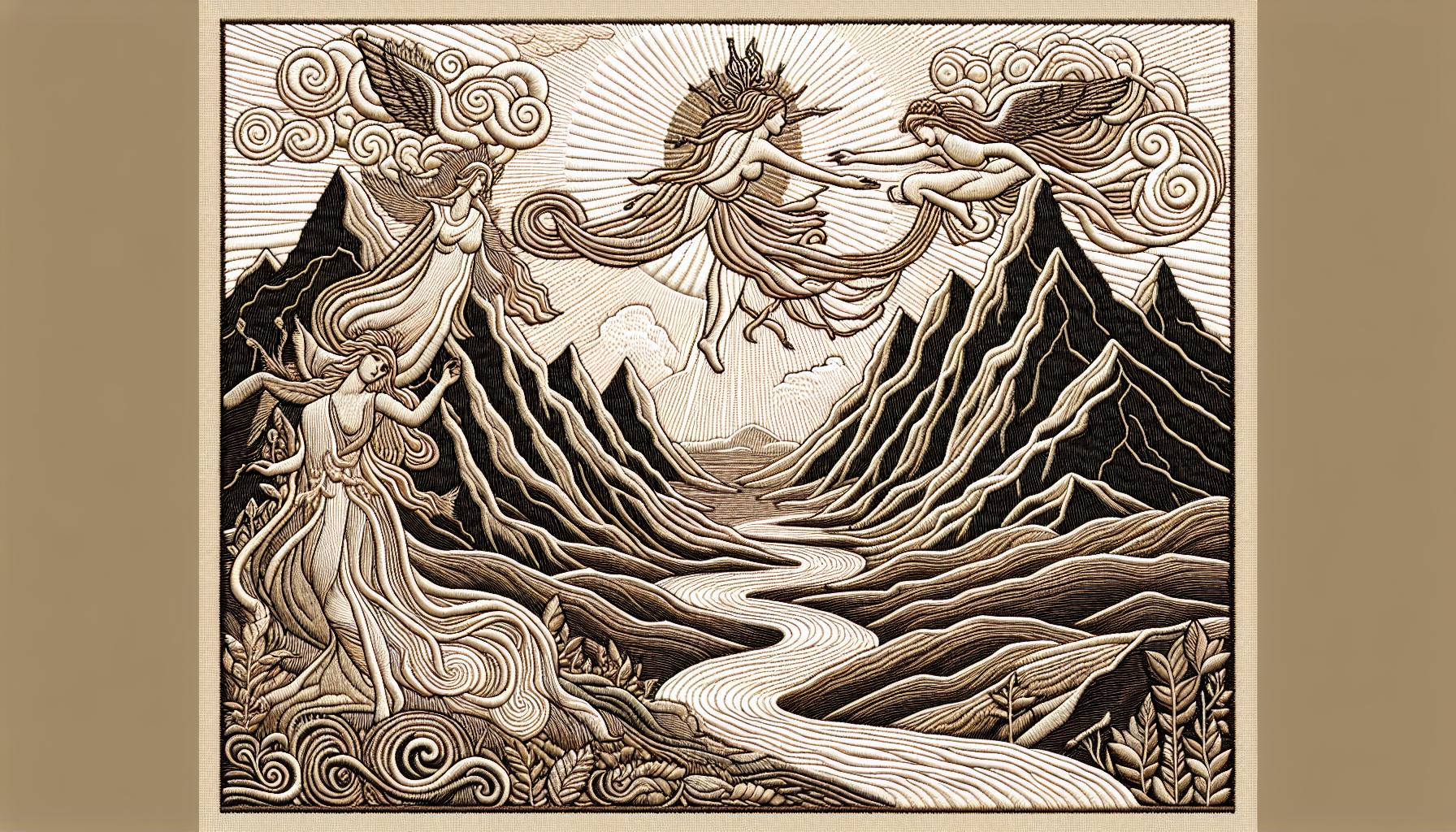
Ganga holds a significant place in Hindu mythology as a revered goddess. Known for her purity and forgiveness, Ganga is the sister of Parvati and the consort of Shiva.
The Descent Of Ganga
Ganga’s descent to Earth is a legendary tale in Hinduism. Brought down by King Bhagiratha after intense penance, her flow needed to be channeled. Lord Shiva’s agreement to catch her in his hair led to her originating at Gangotri. This story highlights her divine origins and connection to earthly life.
Symbolic Significance
In Hindu belief, Ganga’s presence offers the power to cleanse sins and grant liberation. Flowing through the three worlds – Heaven, Earth, and Hell – she acts as a spiritual and physical lifeline. Her waters support crucial activities such as agriculture, fishing, and irrigation, deeply integrating her into daily life in India.
Relationship With Shiva
Ganga’s relationship with Shiva extends beyond her role as a river. Shiva’s act of channeling her flow signifies his control over cosmic energies. This connection deeply reveres her as more than a mere river but as a vital cosmic force interlinked with Shiva’s divine powers.
Other Consorts And Their Legends
In addition to Parvati, Kali and Durga are central figures in Shiva’s mythology. Each consort represents different facets of divine energy and holds significant roles in various narratives.
Kali: The Fierce Goddess
Kali is often depicted as a fierce and powerful goddess, associated with time, death, and doomsday. She is typically shown with dark skin, multiple arms, and a garland of skulls. Her origins can be traced back to the ancient East Indian belief systems, with her name first appearing in the Rg Veda around 1700–1100 B.C.E. and later in the Devi-Mahatmya portion of the Markandeya Purana circa 300–600 C.E.
Kali is often portrayed standing over her husband and consort, Shiva, with one foot on his leg and another on his chest. This position suggests the narrative of Shiva throwing himself under her feet to stop her spree of destruction.
Durga: The Warrior Goddess
Durga, another significant consort of Shiva, embodies power, protection, and righteousness. Known primarily as a warrior goddess, she rides a lion or tiger, symbolizing her immense strength and fearless nature. Durga’s legends often underscore themes of overcoming evil and preserving cosmic order.
One of the most famous stories involving Durga is her battle against the buffalo demon Mahishasura – Buffalo Demon. According to the Devi-Mahatmya, Durga was created by the combined energies of the gods, each contributing their most potent weapons to her. Her victory over Mahishasura represents the triumph of good over evil, emphasizing moral and spiritual strength.
Interpretations And Symbolism
Shiva’s consorts embody profound spiritual meanings and symbolize various aspects of cosmic energy.
The Duality Of Creation And Destruction
Shiva’s consorts highlight the dual nature of the cosmos. Parvati’s gentle nature symbolizes creation, nurturing, and balance. In contrast, Kali represents destruction and transformation, necessary for renewal and maintaining cosmic order. Together, they illustrate the continuous cycle of creation and destruction, central to Hindu philosophy. For instance, Kali standing over Shiva conveys surrender, denoting the cessation that precedes new beginnings.
Feminine Energy (Shakti) In Hinduism
Shakti, the divine feminine energy, fuels the universe’s dynamic processes. Parvati, embodying Shakti, is seen as the nurturing force, supporting growth and stability. Kali and Durga personify the fierce and protective aspects of Shakti. Durga, riding a lion, defeating the buffalo demon Mahishasura, emphasizes the triumph of good over evil. These goddesses illustrate Shakti’s multifaceted nature, playing crucial roles in various narratives and symbolizing power, protection, and cosmic balance.
Conclusion
Exploring Shiva’s consorts reveals the rich tapestry of Hindu mythology and the intricate balance of cosmic forces. Parvati, Kali, and Durga each embody unique aspects of Shakti, illustrating the duality of creation and destruction. Their stories emphasize the importance of maintaining cosmic order and the triumph of good over evil. Understanding these divine figures offers profound insights into the spiritual and philosophical depths of Hinduism.
Sources & further reading
These themes are explored in greater depth across the following authoritative resources:
- Encyclopaedia Britannica, Hindu Mythology
- Internet Sacred Text Archive, Hinduism
- Mythopedia, Hindu Mythology
- Harvard Pluralism Project, Hindu Tradition
- Wendy Doniger, The Hindus: An Alternative History (Penguin, 2009), ISBN 978-0143116691
External resources for further reading. Apam Napat is not affiliated with these publishers; citation does not imply endorsement.
Frequently asked questions
Who is Shiva's primary consort?
Who was Sati in Hindu mythology?
How was Ganesha created?
How is Ganga connected to Shiva?
How did Durga defeat Mahishasura?
Based on the classical texts of Hindu mythology, see our sources.