
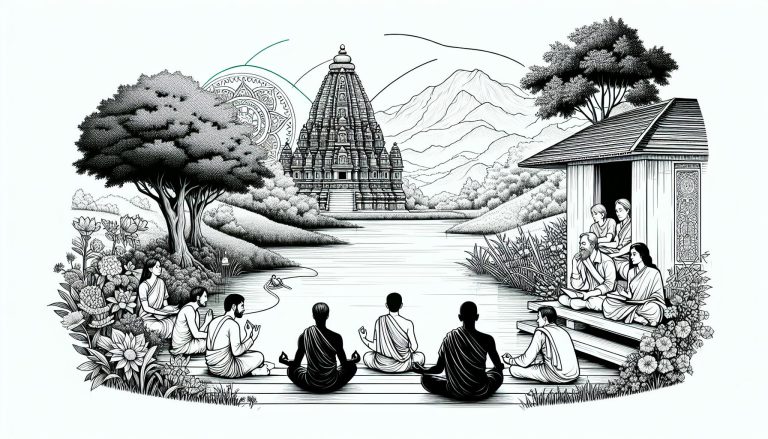
In my exploration of this topic, I found that Brahman transcends the limitations of time, space, and causality. It’s the infinite, the eternal, and the absolute, making it the ultimate truth that underlies all phenomena. By grasping Brahman’s significance, we can begin to see the interconnectedness of all life and the deeper meaning behind our own existence.
Understanding Brahman
Exploring Brahman’s role unveils its profound implications in Hindu philosophy. Recognizing Brahman as the essence of ultimate reality enables deeper insights into existence.
Definition and Origins
Brahman, from the Sanskrit “brahman,” signifies “the ultimate reality” or “the absolute truth.” It denotes the all-encompassing force, encompassing both material and immaterial realities. Brahman is eternal, conscious, irreducible, infinite, and omnipresent, forming the spiritual core of the universe.
Philosophical Significance
Brahman stands as the supreme existence or absolute reality in Hindu texts, especially the Upanishads. It is the source of all existence and underlies everything. As the unchanging, permanent highest reality, Brahman surpasses human comprehension and is central to Hindu metaphysical thought.
Brahman in Different Philosophical Traditions
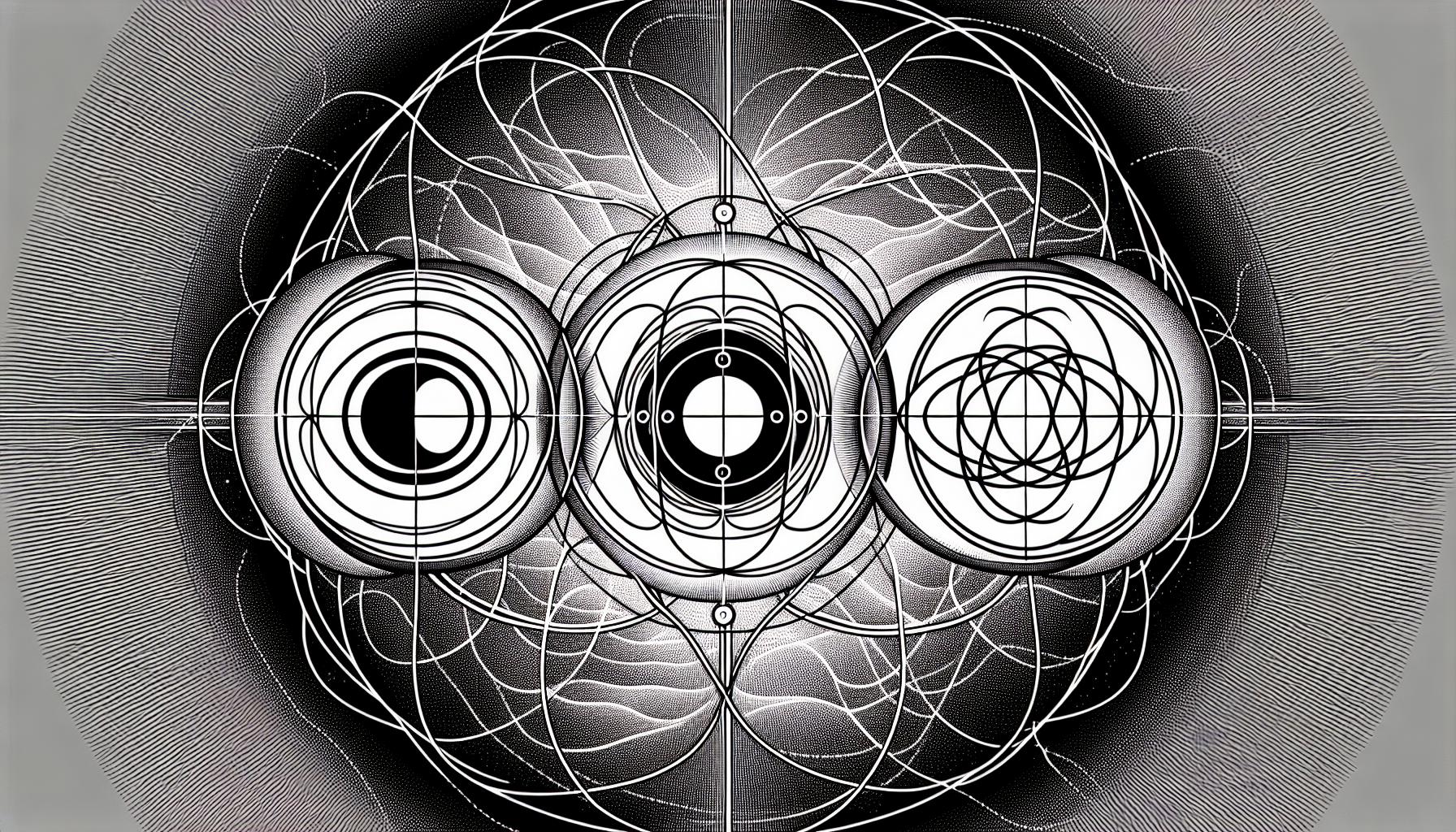
Brahman’s role in ultimate reality differs across various Hindu philosophical traditions. Each tradition offers a distinct perspective on Brahman’s nature and its relationship to the world and the individual self.
Advaita Vedanta
Advaita Vedanta sees Brahman as the sole reality. It’s the unchanging, eternal, and conscious principle behind everything. Brahman, in this view, is without attributes, known as Nirguna Brahman. Defined as pure existence, pure consciousness, and pure bliss, Brahman embodies Sat-cit-āNanda – Adoptive father of Krishna. Advaita denies duality between Brahman and the individual self (Atman – The Soul) or the world, viewing the latter as an illusion (Maya).
Vishishtadvaita Vedanta
Vishishtadvaita Vedanta presents Brahman as both qualified and personal. Brahman, referred to as Isvara, possesses attributes and manifests through diverse forms. This tradition integrates Brahman with the individual souls (Jivatmas) and the cosmos, viewing them as inseparable parts of a unified whole. Unlike Advaita, Vishishtadvaita asserts that the world and individual souls are real and share an intrinsic connection with Brahman.
Dvaita Vedanta
Dvaita Vedanta upholds a dualistic approach, distinguishing between Brahman and the individual souls. Brahman, in this tradition, is a personal deity, often identified with Vishnu – The Protector or Krishna – An Incarnation of Vishnu. Dvaita posits that the individual soul remains distinct from Brahman but exists under Brahman’s control. This tradition emphasizes a clear separation: Brahman as supreme and individual souls as dependent entities.
Key Attributes of Brahman
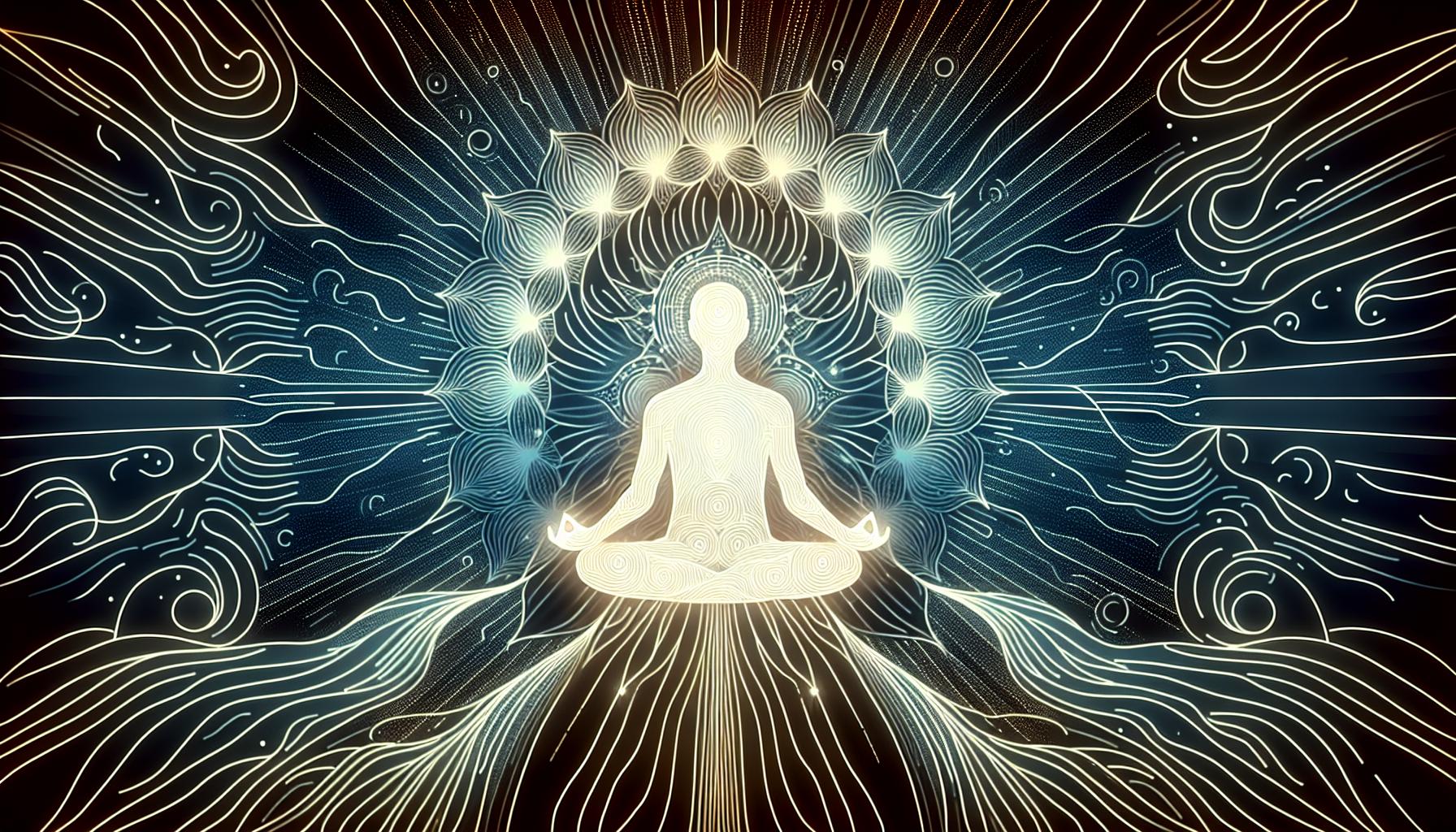
Brahman, the ultimate reality in Hinduism, is defined by three fundamental attributes: Sat, Chit, and Ananda. These attributes aren’t merely qualities but the very essence of Brahman.
Sat (Existence)
Sat, or pure existence, represents the foundational nature of Brahman. It transcends individuality and is not linked to the body, emotions, thoughts, or mind. Sat is the source of all beings and exists beyond the manifest world.
Chit (Consciousness)
Chit, or pure consciousness, is an intrinsic attribute of Brahman. It embodies pure awareness that underlies all existence. Only in the state of nirvikalpa samadhi can one fully experience Chit, where there is no awareness of specific objects, only the wholeness of awareness.
Ananda (Bliss)
Ananda, or pure bliss, is the third key attribute of Brahman. This bliss is not temporary happiness but an eternal, unchanging joy. Ananda signifies the ultimate contentment and joy that is inherent in the realization of Brahman.
Brahman’s Role in Ultimate Reality
I’ll investigate into the central role Brahman plays in ultimate reality within Hindu philosophy. It’s viewed as the foundation that connects the diverse aspects of existence.
As a Unifying Principle
Brahman functions as the unifying principle behind all existence. It binds the diversity of the physical and non-physical universe into a singular entity. This principle is eternal and unchanging, yet it initiates all transformations. For example, Brahman connects elements like earth, water, and fire, integrating them into a cohesive whole.
As the Source of the Universe
Brahman serves as the universe’s creative source, embodying the efficient, formal, and final cause of all that exists. It spans both material and non-material dimensions of reality. Viewed this way, Brahman is the origin of everything. For instance, all matter and energy trace back to Brahman, encompassing stars, planets, and even consciousness.
As an Eternal Truth
Brahman represents eternal truth, transcending time and space. This truth remains consistent and unaltered regardless of changes in the universe. Hence, Brahman embodies the ultimate reality that underpins the cosmos. For example, the timeless values of truth and justice link back to the immutable nature of Brahman.
Manifestations and Expressions of Brahman
Brahman, as the foundational concept of Hindu philosophy, manifests in two distinct forms: Nirguna Brahman and Saguna Brahman. Each form provides unique insights into Brahman’s role in the universe’s ultimate reality.
Nirguna Brahman (Without Attributes)
Nirguna Brahman refers to Brahman in its formless state, transcending time and space. It embodies the eternal, unchanging essence of reality. Without physical attributes or specific characteristics, Nirguna Brahman represents the purest form of existence and is present within all living beings everywhere.
Characteristics
Nirguna Brahman stands apart from all forms and names, emphasizing its transcendental nature. This formless aspect allows Hindus to concentrate on Brahman’s infinite and unbounded qualities rather than becoming preoccupied with various deities and their forms. It represents the ultimate truth, free from physical constraints, and does not change or decay over time.
Purpose
Adopting the concept of Nirguna Brahman helps individuals realize the eternal, immutable core of reality. By focusing on these constant attributes, people can move beyond material distractions and understand the deeper, spiritual essence of existence. This comprehension encourages a detachment from the transient world, aiding in spiritual growth and enlightenment.
Saguna Brahman (With Attributes)
In contrast, Saguna Brahman portrays Brahman with identifiable attributes, form, and purpose. It manifests in the universe through tangible forms and deities, making the abstract concept of ultimate reality more accessible and relatable to individuals.
Characteristics
Saguna Brahman encompasses the immanent aspect of Brahman, signifying its presence within the material world. It is seen in various deities such as Vishnu, Shiva, and Lakshmi, each representing different facets of divine attributes. This form of Brahman changes over time, reflecting the dynamic and interactive nature of the divine with the world.
Purpose
Saguna Brahman serves to bridge the gap between the omnipresent, abstract Brahman and human understanding. By manifesting in various forms, Saguna Brahman allows individuals to connect with the divine on a personal level. It helps people grasp the diverse aspects of Brahman’s nature and understand the principles governing the universe through relatable stories and attributes.
By exploring both Nirguna and Saguna Brahman, individuals gain a comprehensive understanding of Brahman’s dual role in the universe, merging the formless with the formed, the eternal with the temporal, and the abstract with the concrete. This duality ensures that the ultimate reality of Brahman remains accessible to all, regardless of their spiritual inclination or level of understanding.
The Path to Realizing Brahman
The path to realizing Brahman involves a structured, threefold practice. This practice aims to lead an individual from ignorance to knowledge, guiding them to ultimate reality.
Spiritual Practices
The journey starts with Sravana, which means ‘hearing.’ In this step, I listen to the teachings of sages and study the Vedic texts. These sacred scriptures contain the foundational wisdom of Advaita Vedanta. By engaging with these texts, I gather the knowledge needed to comprehend Brahman.
Next is Manana, or ‘thinking.’ Here, I reflect on the teachings I’ve heard and studied. This contemplation helps me understand their deeper meaning and significance. Without these reflections, the teachings remain mere words, failing to transform my understanding of reality.
Meditation and Self-Inquiry
Nididhyasana involves profound meditation and introspection on key Upanishadic statements, known as mahavakyas. For example, the phrase “tat tvam asi” translates to ‘you are That.’ Through focused meditation on these statements, I internalize the teachings, moving closer to the realization of Brahman.
In self-inquiry, I constantly question the nature of the self and its relation to ultimate reality. This deep inquiry dissolves the illusion of separateness, revealing Brahman as my true essence. By persevering in these practices, I align my consciousness with Brahman, experiencing the only Reality.
Conclusion
Understanding Brahman’s role in ultimate reality reshapes our perception of existence. By recognizing the dual aspects of Nirguna and Saguna Brahman we appreciate the intricate balance between the formless and the formed. The structured practice of Sravana Manana and Nididhyasana offers a clear path to internalize these profound teachings. As we align our consciousness with Brahman we uncover the true essence of self and the unity underlying all existence. This journey not only enriches our spiritual understanding but also transforms how we engage with the world around us.
Sources & further reading
These themes are explored in greater depth across the following authoritative resources:
- Stanford Encyclopedia of Philosophy, Hindu Philosophy
- Britannica, Moksha
- Britannica, Brahman
- Internet Sacred Text Archive, Upanishads
- Sarvepalli Radhakrishnan, Indian Philosophy (2 vols., Oxford University Press, 1923)
External resources for further reading. Apam Napat is not affiliated with these publishers; citation does not imply endorsement.
Frequently asked questions
What role does Brahman play in ultimate reality?
How does Advaita Vedanta view Brahman?
How does Vishishtadvaita Vedanta view Brahman?
How does Dvaita Vedanta view Brahman?
What is Sat-Chit-Ananda?
Based on the classical texts of Hindu mythology, see our sources.