
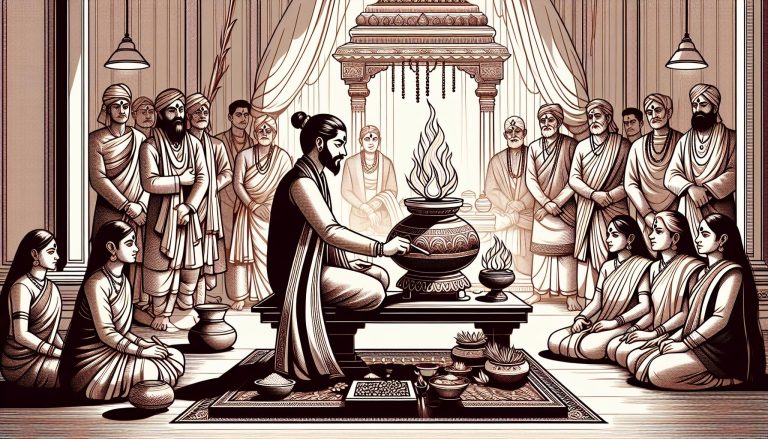
Understanding Vedic rituals isn’t just about learning the steps; it’s about embracing the philosophy that underpins them. These ceremonies aim to harmonize our inner and outer worlds, fostering a sense of balance and peace. As I explored further, I realized how these practices, steeped in ancient wisdom, remain relevant today, guiding us toward a more mindful and connected existence.
Understanding Vedic Rituals Ceremonies
Vedic rituals and ceremonies stem from the Vedas, the oldest sacred texts of Hinduism, and integrate deeply with Indian culture. These rituals involve numerous activities, such as chanting mantras, performing yajnas (sacrificial rituals), and adhering to specific codes of conduct. Each activity has a specific purpose and meaning, designed to develop a connection between the individual and the divine.
The Importance of Mantras
Mantras play a crucial role in Vedic rituals. These sacred chants are believed to carry spiritual energy and can deeply influence the practitioner’s mind and environment. For instance, the Gayatri Mantra invokes the sun deity for wisdom and enlightenment. Chanting mantras involves precise pronunciation and rhythm, enhancing their effectiveness.
Yajnas and Sacrificial Rituals
Yajnas, or sacrificial rituals, form the core of Vedic ceremonies. They typically involve fire offerings to deities like Agni (fire god) and Soma (plant god). Participants use materials like clarified butter, grains, and herbs. The fire symbolizes transformation, purifying offerings into a form acceptable to the gods. These ceremonies aim to promote prosperity, health, and spiritual progress.
Codes of Conduct
Strict codes of conduct ensure that Vedic rituals maintain their sanctity. Participants follow specific guidelines related to cleanliness, preparation, and recitation. For example, individuals purify themselves through bathing and wear clean attire. Such practices ensure that the rituals reflect the purity and harmony they seek to promote.
Symbolism in Rituals
Symbolism pervades each aspect of Vedic rituals. Elements used, such as fire, water, and grains, represent various natural elements and cosmic principles. The rituals themselves symbolize larger philosophical concepts, aiming to align the practitioner’s microcosm with the macrocosm. For instance, lighting a lamp symbolizes dispelling darkness and ignorance, bringing in knowledge and enlightenment.
Relevance Today
Even though their ancient origins, Vedic rituals remain relevant. They provide a structured approach to spirituality, fostering mindfulness and discipline. Modern practitioners, guided by these timeless traditions, find a deeper connection to their cultural roots and a more balanced life. Through Vedic ceremonies, individuals can seek spiritual growth and cultivate a harmonious existence with both their inner self and the universe.
Historical Background
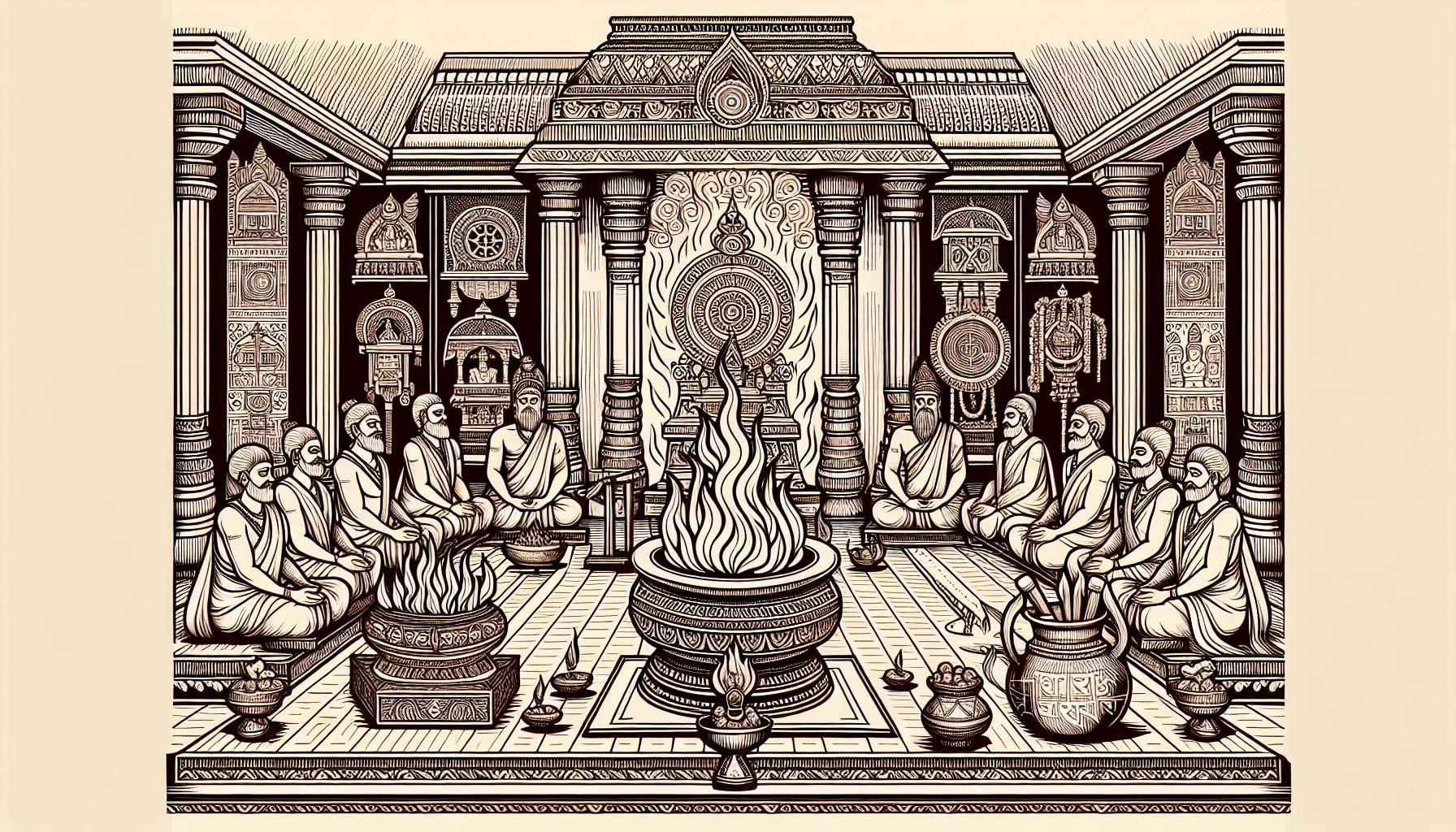
Understanding the origins and evolution of Vedic rituals offers deeper insight into their timeless relevance and enduring significance.
Origins of Vedic Rituals
Vedic rituals trace their origins to the ancient texts known as the Vedas, composed between 1500 and 500 BCE in the Indian subcontinent. These texts, regarded as sacred by practitioners of Hinduism, consist of four main collections: Rigveda, Samaveda, Yajurveda, and Atharvaveda. Early Vedic rituals involved offerings such as soma to deities like Agni (fire) to gain favor and blessings. Priests, known as Brahmins, conducted these ceremonies, chanting mantras to energize the rituals and invoke divine powers.
Evolution Over Time
Over centuries, Vedic rituals adapted to social and cultural changes while retaining core practices. The ritualistic complexity increased during the later Vedic period (1000–500 BCE), introducing intricate ceremonies like the Ashvamedha (horse sacrifice), which signified royal sovereignty. Later, during the classical period (500 BCE–300 CE), the focus shifted to personal and domestic rituals, integrating daily life practices. The Upanishads further influenced the evolution, emphasizing internal spiritual experiences over external rituals. In modern times, while traditional forms persist, many communities adapt Vedic rituals, balancing ancient practices with contemporary lifestyles.
Key Components of Vedic Rituals
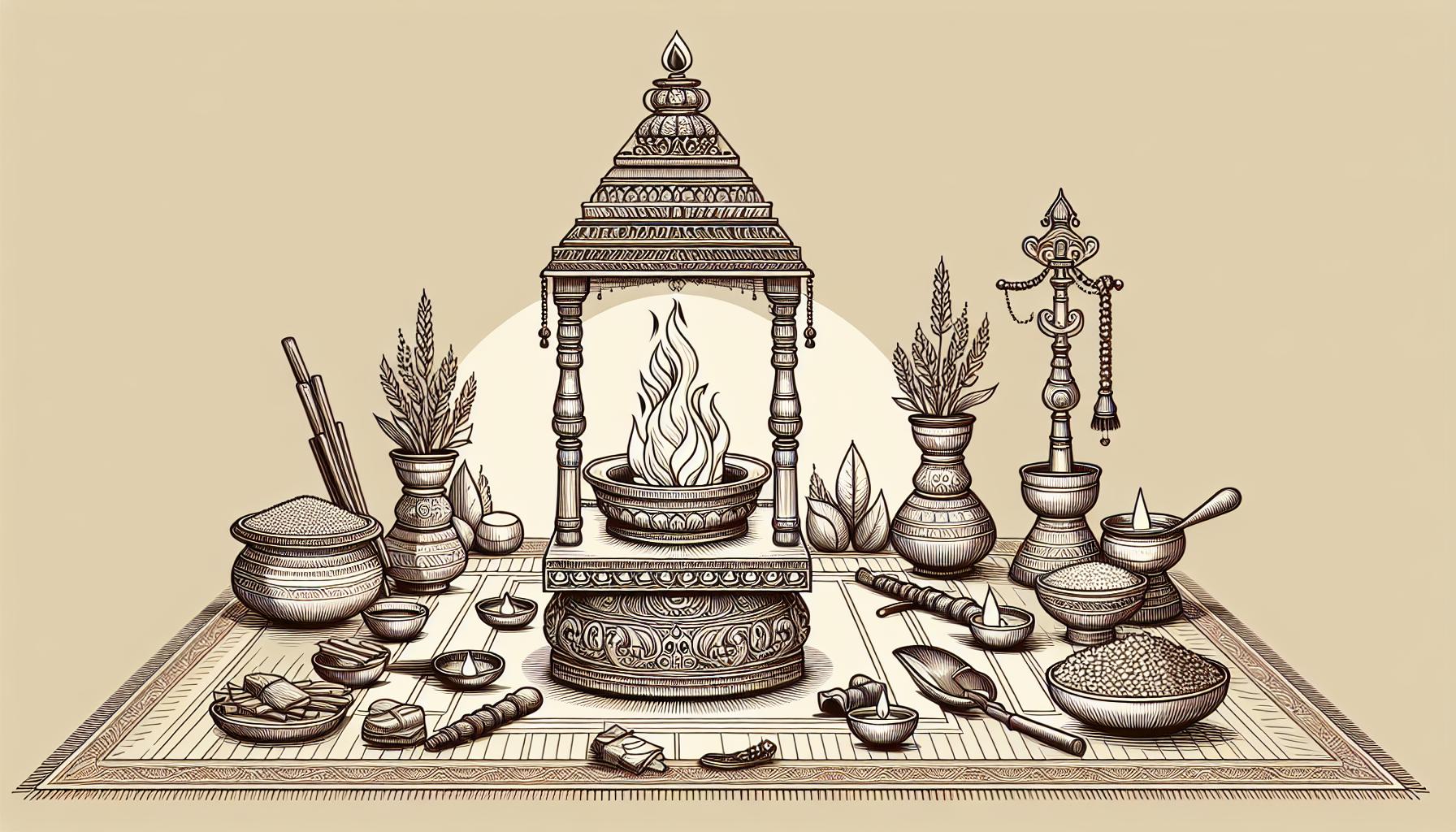
Vedic rituals involve several key elements that ensure their spiritual efficacy and cultural significance. These components, from sacred texts to ritual instruments, form the backbone of Vedic practices.
Sacred Texts and Mantras
Sacred texts, including the Vedas and Upanishads, provide the foundation for Vedic rituals. These texts contain hymns, prayers, and philosophical teachings essential for guiding rituals. The Rigveda, Sama Veda, Yajur Veda, and Atharva Veda each serve specific purposes in ceremonies.
Mantras, derived from these texts, hold immense spiritual energy. Recited during rituals, mantras like the Gayatri Mantra invoke divine presence and ensure the ritual’s effectiveness. They maintain rhythm and focus, essential for aligning the practitioner’s mind with the divine.
Ritual Instruments and Materials
Ritual instruments and materials play crucial roles in Vedic ceremonies. Common instruments include the yajna kunda (fire altar), Homa sticks (sacrificial sticks), and ghanta (ritual bell). These instruments help help the ritual process.
Materials used often include offerings like ghee, grains, and sandalwood. Each material has symbolic significance, contributing to the ritual’s purpose. For example, ghee represents purity, while grains symbolize sustenance. Using these materials correctly ensures the ritual’s sanctity and effectiveness.
Types of Vedic Rituals Ceremonies

In Vedic traditions, rituals encompass various types categorized by their frequency, purpose, and specific rites. These ceremonies help align daily life with spiritual beliefs and cultural practices.
Daily Rituals
Daily rituals are core aspects of Vedic life, performed to maintain spiritual discipline. Nitya Karma includes Sandhya Vandana, a tri-daily prayer offering to the Sun deity. Performing Agnihotra involves specific fire sacrifices at sunrise and sunset, using materials like cow dung and rice. Chanting mantras such as the Gayatri Mantra is a daily practice to invoke divine energy and promote mental clarity.
Seasonal Ceremonies
Seasonal ceremonies align with natural cycles and agricultural activities. Yajnas are conducted during harvest seasons, invoking blessings for abundance. The Varuna – The Waters Yajna seeks prosperity during monsoon periods. In spring, the Vasant Panchami ritual honors Saraswati – The Goddess of Learning and Wisdom, the goddess of knowledge, symbolizing renewal and growth. These ceremonies help maintain the harmony between human activities and natural forces.
Life-Cycle Ceremonies
Life-cycle ceremonies mark significant milestones from birth to death. The Samskaras include rituals like the Namakarana, the naming ceremony performed on the 12th day after birth. Annaprashana, the first feeding of solid food, takes place in the sixth month of a child’s life. Upanayana, the sacred thread ceremony, marks the transition into adulthood for boys, emphasizing educational and spiritual responsibilities. The Antyesti or funeral rites ensure proper conduct and respect in the final rites of passage.
These diverse Vedic rituals offer a comprehensive framework for integrating spiritual practices into daily life, seasonal changes, and significant life events, preserving cultural heritage and promoting mindfulness.
Significance and Benefits
Vedic rituals, imbued with spiritual depth and cultural richness, offer profound significance and tangible benefits to practitioners. They are more than age-old practices; they connect individuals to their roots and spiritual essence.
Spiritual Significance
Vedic rituals establish a direct connection with the divine. Chanting mantras focuses the mind, creating a meditative state that enhances spiritual growth. Performing yajnas purifies the environment, fostering positive energy. These acts also encourage introspection and self-discipline, integral to spiritual development. According to the Rigveda, these rituals align individual actions with cosmic principles, facilitating a harmonious life.
Societal and Cultural Impact
Vedic rituals foster a strong sense of community. They bring people together during ceremonies, reinforcing social bonds. Cultural continuity is maintained through the transmission of rituals across generations. These practices preserve ancient wisdom and promote values like respect, integrity, and cooperation. By participating in these ceremonies, individuals contribute to sustaining cultural heritage, ensuring its relevance in contemporary society. The societal cohesion and cultural preservation supported by Vedic traditions highlight their enduring importance in an evolving world.
Conducting Vedic Rituals
Engaging in Vedic rituals requires precise execution and adherence to ancestral wisdom. Each aspect of the ritual process has a purpose and profound significance.
Role of the Priests
Priests play a pivotal role in Vedic rituals. They guide the participants through the ceremonies and ensure the correct recitation of mantras. With extensive training in Vedic texts, priests accurately interpret and perform these rituals. Their expertise guarantees the authenticity and spiritual efficacy of the ceremonies.
Common Practices and Procedures
Several common practices unify most Vedic rituals. Key components include mantra chanting, offering materials like ghee and grains into the fire, and performing specific hand gestures or mudras.
- Chanting Mantras: Reciting sacred texts focuses the mind and invokes divine presence.
- Fire Offerings: Known as yajnas, these involve offering substances to the fire, symbolizing purification.
- Mudras: Hand gestures accompany the recitations and actions, channeling spiritual energy.
By following these structured practices, participants deepen their spiritual connection and maintain the sanctity of the rituals.
Modern-Day Relevance
Modern society embraces Vedic rituals through evolved practices that maintain their spiritual essence while aligning with contemporary lifestyles.
Adaptation in Contemporary Society
Modern adaptations of Vedic rituals blend seamlessly into today’s rapid life. For instance, some individuals use shorter versions of long ceremonies to fit busy schedules. Digital platforms stream live rituals, making participation possible from anywhere. Apps for chanting mantras help daily practice without needing physical presence at a temple. Environmental concerns have led to eco-friendly practices, like using alternative materials for fire offerings in place of traditional wood. Such integrations demonstrate the flexibility of Vedic rituals in accommodating modern demands while preserving core values.
Preservation of Tradition
Efforts to preserve Vedic traditions are evident in various domains. Schools and online courses teach Sanskrit, the language of the Vedas, to younger generations. Cultural organizations host workshops and seminars on Vedic rituals, offering hands-on experiences. Family traditions play a pivotal role in passing rituals to future generations. Media, including films and literature, depict Vedic ceremonies, helping keep traditions alive in popular culture. If traditional practices are modified to meet modern needs, the essence and sanctity of these rituals remain intact, ensuring their continued relevance.
Conclusion
Exploring Vedic rituals has been a fascinating journey into the heart of ancient wisdom and cultural richness. These ceremonies, deeply rooted in spiritual practices, offer a unique blend of historical significance and modern relevance. By understanding and participating in Vedic rituals, we not only connect with the divine but also foster community bonds and uphold timeless values.
The meticulous execution of these rituals, guided by ancestral wisdom and the pivotal role of priests, ensures their sanctity and spiritual depth. As we adapt these practices to contemporary life, we preserve their essence and continue to benefit from their profound impact on our daily lives and spiritual well-being.
Embracing Vedic rituals helps us maintain cultural continuity and pass on these treasured traditions to future generations. Through education, workshops, and family traditions, we ensure that the sacred practices of the Vedas remain vibrant and relevant in our ever-evolving world.
Sources & further reading
These themes are explored in greater depth across the following authoritative resources:
- Internet Sacred Text Archive, Rig Veda (Griffith translation)
- Internet Sacred Text Archive, Upanishads
- Britannica, Veda
- Britannica, Upanishad
- Patrick Olivelle, The Early Upanishads (Oxford University Press, 1998)
External resources for further reading. Apam Napat is not affiliated with these publishers; citation does not imply endorsement.
Based on the classical texts of Hindu mythology, see our sources.