
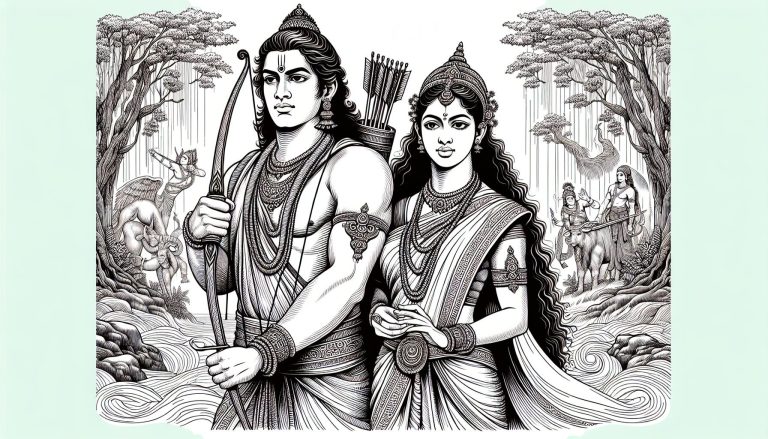
As I delved deeper, I realized that the Ramayana’s family dynamics mirror many modern-day challenges. From sibling rivalry to the complexities of marital bonds, the epic offers a rich tapestry of human emotions and interactions. By understanding these relationships, we can gain insights into our own familial struggles and triumphs.
Understanding The Ramayana Family Structure
The Ramayana portrays an intricate family structure centered around Rama, the seventh avatar of Vishnu. The epic begins with King Dasharatha, the ruler of Ayodhya, and his three queens, Kausalya – Mother of Rama, Kaikeyi, and Sumitra. This polygamous union produces four sons: Rama, Bharata – The King Who Gave His Name to India, Lakshmana, and Shatrughna – Twin of Laxmana.
Key Family Members
- King Dasharatha: The benevolent king of Ayodhya, struggling to balance his duties with his familial responsibilities.
- Queen Kausalya: The eldest queen and mother of Rama, embodying grace and dignity.
- Queen Kaikeyi: The second queen, whose ambitions and desires drive key plot points, such as Rama’s exile.
- Queen Sumitra: The third queen, known for her wisdom, and mother to Lakshmana and Shatrughna.
- Rama: The protagonist, known for his unwavering adherence to dharma (righteousness) and filial piety.
- Sita: Rama’s devoted wife, embodying purity and sacrifice.
- Lakshmana: Rama’s loyal brother, accompanying him during his exile.
- Bharata: The prince who respects Rama and reluctantly accepts the throne in his absence.
- Shatrughna: Another brother, supportive but less central to the storyline.
Sibling Dynamics
The relationship between the brothers offers valuable insights into sibling dynamics. Despite the complexities brought on by the throne’s succession, they display loyalty and love. Rama and Bharata’s interactions, in particular, highlight a respect for duty over personal gain. For instance, Bharata refuses to become king in Rama’s stead, choosing instead to serve as regent.
Marital Relationships
Marital bonds within the Ramayana underscore devotion and duty. Rama and Sita’s relationship, tested by exile and abduction, symbolizes mutual respect and sacrifice. Similarly, Lakshmana’s dedication to his wife Urmila and his support of Rama during the exile exemplify his sense of duty and loyalty.
Parental Influences
King Dasharatha’s decisions significantly impact the narrative, emphasizing the parent’s role in shaping the family’s destiny. His promise to Kaikeyi to exile Rama illustrates the conflicts that arise from honoring vows to family members. Queen Kausalya’s acceptance of her son’s fate underscores the virtue of patience and resilience.
The Ramayana family structure reveals deep connections and complexities. Each member’s interactions offer lessons on loyalty, duty, and sacrifice, mirroring the challenges modern families face.
Key Family Relationships In The Ramayana
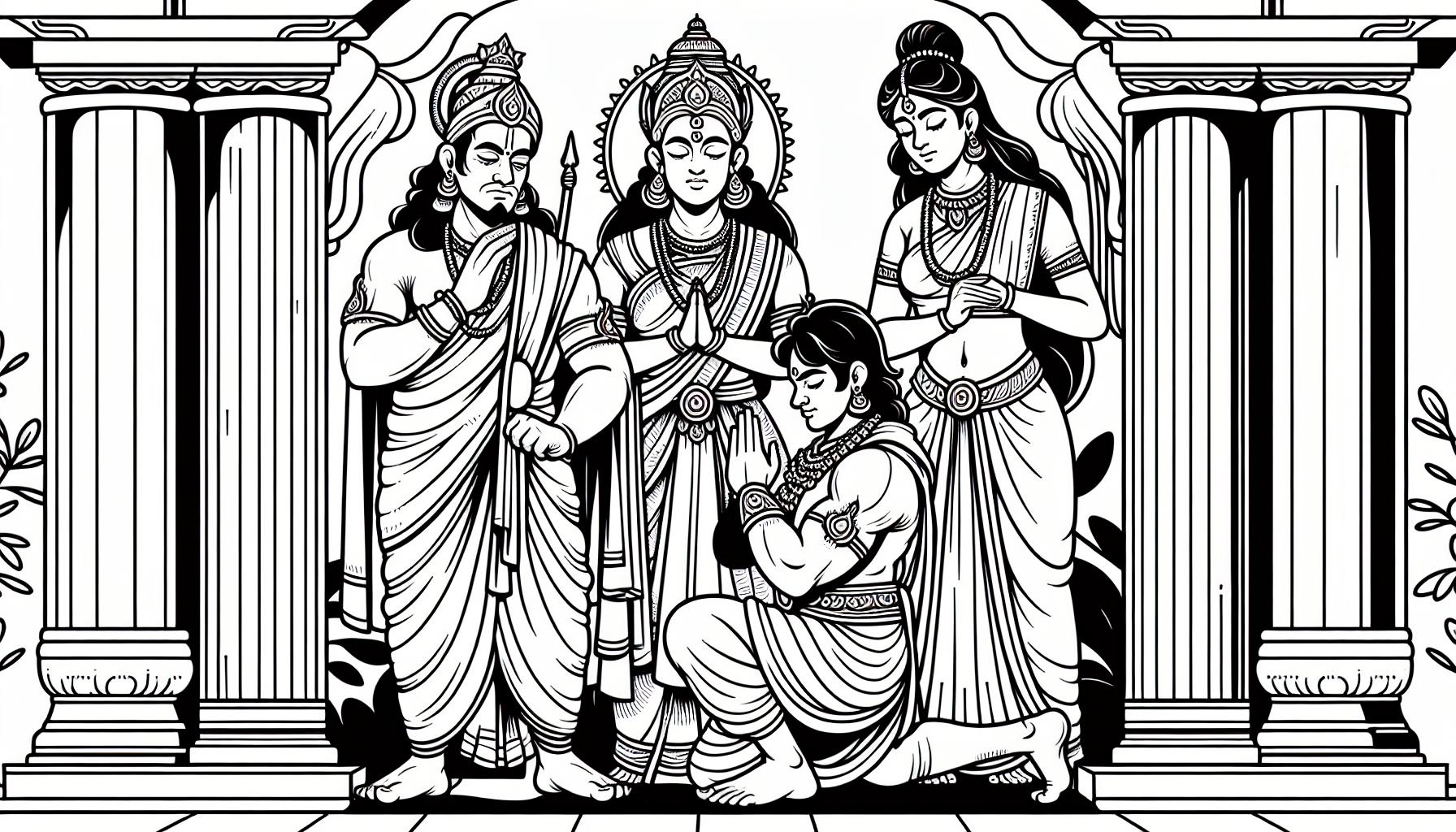
The Ramayana showcases complex family dynamics through the interactions between its characters. The relationships reveal deep loyalty, duty, and sacrifice.
Rama And His Parents
Rama’s bond with his parents, King Dasharatha and Queen Kausalya, embodies reverence and adherence to duty. Dasharatha’s affection for Rama is evident when he wishes to crown him as his successor. However, bound by his promise to Queen Kaikeyi, Dasharatha sends Rama to exile, showcasing the king’s commitment to his word and the impact of his decisions on family dynamics. Rama accepts his father’s decree without objection, highlighting his respect and unwavering duty towards his parents.
Sita And Her Relationship With Rama’s Family
Sita, Rama’s wife, shares a respectful and devoted relationship with Rama’s family. She accompanies Rama into exile, exemplifying loyalty and marital devotion. Her bond with her mother-in-law, Queen Kausalya, is nurturing and respectful. Sita’s relationship with her sisters-in-law, Queen Sumitra and Queen Kaikeyi, though less explored, indicates mutual respect and familial unity. Despite the challenges in exile, Sita maintains her grace and duty towards her extended family, reinforcing her role as a devoted daughter-in-law and wife.
Lakshmana And His Devotion To Rama
Lakshmana, Rama’s younger brother, exhibits unparalleled devotion and loyalty. He volunteers to accompany Rama and Sita during their exile, leaving behind his wife, Urmila. Lakshmana’s commitment to protecting and serving Rama and Sita is evident throughout their journey. He builds shelter, provides security, and stands by Rama’s side in battles. This devotion underscores the strong bond between the brothers, emphasizing the themes of sacrifice and duty prevalent in the Ramayana.
The Role Of Conflict In Family Dynamics
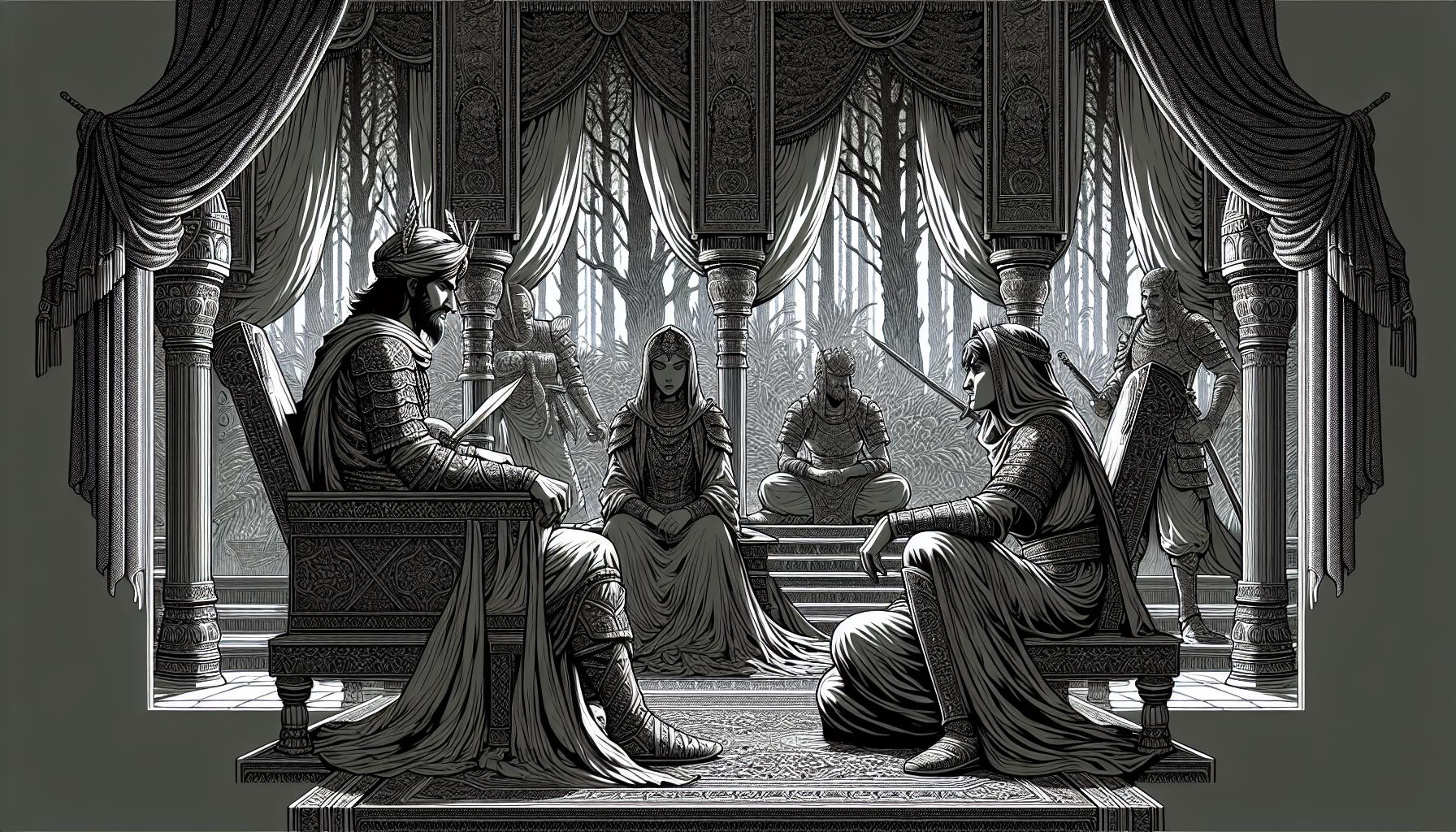
Conflicts significantly shape the family dynamics in the Ramayana. They reveal the complexities of relationships and drive the narrative forward.
Kaikeyi’s Demand And Its Impact
Kaikeyi’s demand to exile Rama transforms family relationships. Her insistence on placing Bharata on the throne shows the tension between duty and ambition. King Dasharatha’s promise to Kaikeyi forces Rama into exile, altering the bond between father and son. This conflict underscores how individual desires can clash with familial responsibilities.
Ravana And His Brother Vibhishana – Brother of Ravana
Ravana’s disagreement with Vibhishana leads to significant consequences. Vibhishana’s advice for Ravana to return Sita brings a clash of principles within the family. When Ravana rejects this counsel, Vibhishana leaves him, portraying the struggle between loyalty and righteousness. This discord emphasizes the moral challenges faced within a family structure.
Themes Of Loyalty And Sacrifice
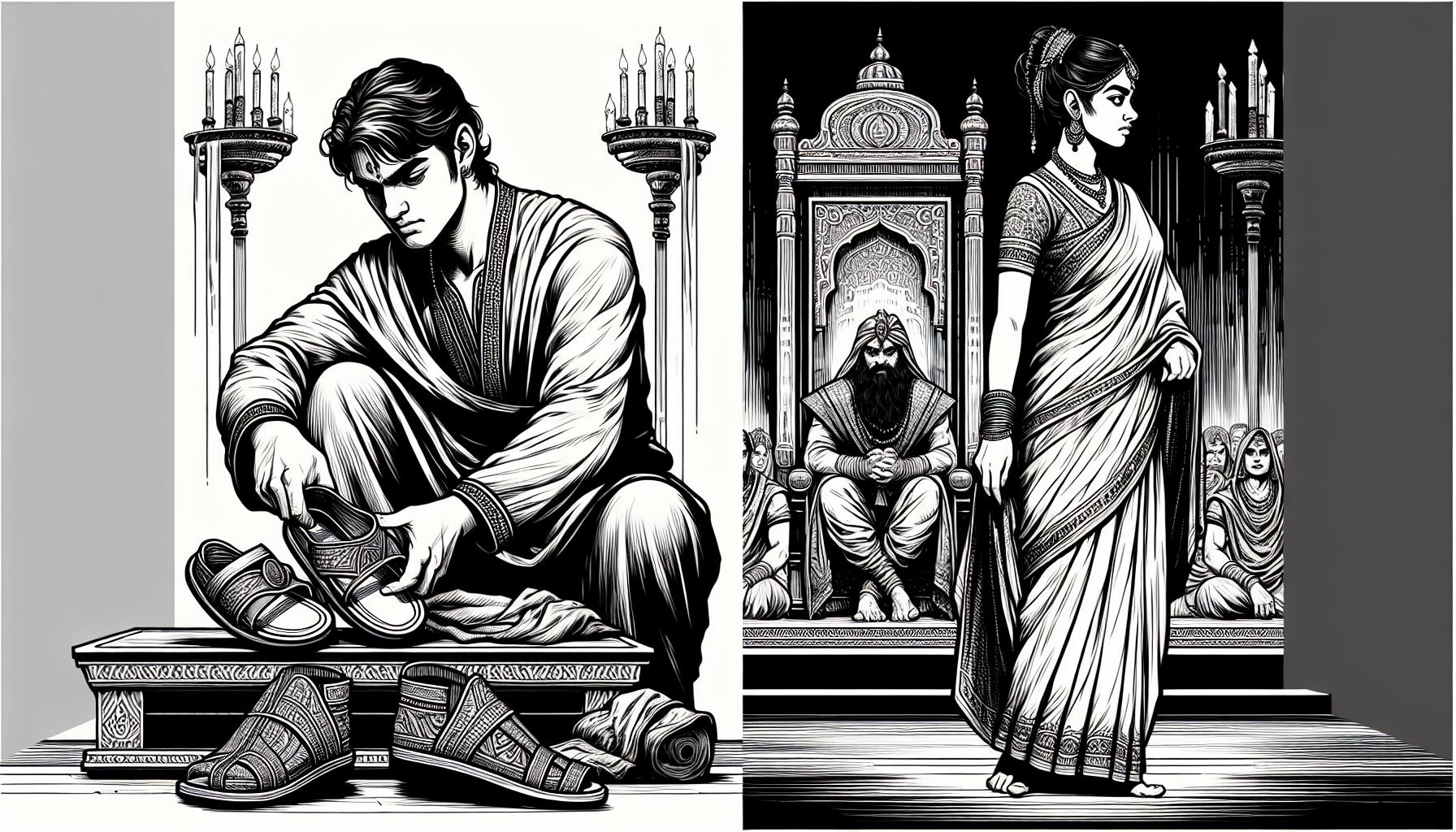
Family dynamics in the Ramayana prominently feature themes of loyalty and sacrifice, shaping character relationships and driving the narrative.
Bharat’s Loyalty To Rama
Bharat exemplifies loyalty through his actions after Rama’s exile. Though their mother Kaikeyi’s demand exiled Rama, Bharat refuses to take the throne. Instead, he places Rama’s sandals on the throne as a symbol of Rama’s rightful kingship. Bharat’s decision to govern Ayodhya as a caretaker rather than a king showcases deep respect and unwavering loyalty to his brother.
Sita’s Sacrifice And Trials
Sita’s life embodies sacrifice, particularly during her abduction by Ravana. Despite immense challenges, including living in captivity, Sita remains true to Rama. Her trials in Lanka, marked by her refusal to submit to Ravana, highlight her steadfast loyalty and commitment. Upon her rescue, Sita undergoes an ordeal by fire, Agni Pariksha, to prove her purity. This trial underscores her willingness to endure personal hardships for the sake of her relationship with Rama.
Lessons From The Ramayana Family Dynamics
The Ramayana offers several powerful lessons through its depiction of family dynamics.
Duty and Respect
Characters in the Ramayana, like Rama and Lakshmana, show deep respect and duty towards their parents and siblings. For example, Rama honors King Dasharatha’s promise to Kaikeyi by willingly accepting his exile. This teaches the importance of prioritizing family obligations and respecting parental decisions.
Sacrifice for Loved Ones
Sacrifice stands out vividly in the relationships within the Ramayana. Lakshmana leaves his comfort behind to join Rama in the forest, highlighting his devotion. Similarly, Sita endures numerous trials out of her love and commitment to Rama, portraying the sacrifices one makes for loved ones.
Loyalty Amidst Adversity
Loyalty is central to the familial themes in the Ramayana. Bharat’s unwavering support for Rama, despite the latter’s exile, reflects the strong loyalty among siblings. Likewise, Vibhishana’s conflict with Ravana underscores the tension between familial loyalty and moral righteousness.
Moral Challenges
Characters face significant moral challenges within family structures. Kaikeyi’s demand to exile Rama tests the family’s unity and loyalty. Similarly, Vibhishana’s opposition to Ravana highlights the struggle between adhering to family bonds and upholding ethical principles.
Conflict Resolution
Conflicts in the Ramayana often shape family dynamics by testing relationships. King Dasharatha’s dilemma over Kaikeyi’s demand and the resulting family disruption show the importance of addressing and resolving conflicts, even when they stem from complex emotions and promises.
Unity and Togetherness
Ultimately, the Ramayana emphasizes unity and togetherness. Despite challenges and conflicts, characters like Rama, Sita, Lakshmana, and Bharat demonstrate strong familial bonds. Their collective efforts and mutual support guide them through adversities, highlighting the strength gained from familial unity.
Conclusion
Exploring the family dynamics in the Ramayana has provided me with profound insights into the values of loyalty, duty, and sacrifice. The relationships among Rama, Sita, Lakshmana, and their parents illustrate the complexities and moral challenges that can arise within a family. The conflicts and resolutions portrayed in the epic highlight the importance of unity and togetherness, even amidst adversity. These timeless lessons from the Ramayana continue to resonate, offering valuable guidance on navigating family relationships with respect and devotion.
Sources & further reading
These themes are explored in greater depth across the following authoritative resources:
- Internet Sacred Text Archive, Mahabharata (Ganguli translation)
- Internet Sacred Text Archive, Ramayana of Valmiki
- Britannica, Mahabharata
- Britannica, Ramayana
- Bibek Debroy, The Mahabharata (10 vols., Penguin, 2010 to 2014)
External resources for further reading. Apam Napat is not affiliated with these publishers; citation does not imply endorsement.
Based on the classical texts of Hindu mythology, see our sources.