

Exploring these architectural marvels is like stepping into a different era where gods, goddesses, and mythical creatures come to life. The fusion of art, religion, and history in Hindu mythology architecture offers a fascinating glimpse into the past, making it an endless source of inspiration and awe. Whether you’re an architecture enthusiast or a mythology buff, there’s something profoundly captivating about these ancient wonders.
Historical Significance Of Hindu Mythology Architecture
Hindu mythology architecture, originating in ancient India, reveals the cultural and spiritual heritage of the region. The earliest known temples, dating back to the 2nd century BCE, lay the foundation for architectural developments that expanded through the medieval period. Significant progress occurred between the 4th and 12th centuries CE, introducing various regional styles.
Nagara, Dravida, and Vesara are three distinct styles that emerged during this period. Nagara architecture, prominent in northern India, features beehive-shaped towers (called shikhara) and intricate carvings. Examples include the temples of Khajuraho. Dravida architecture, seen in southern India, is known for its pyramid-shaped towers (called vimana) and elaborate gateways (gopuram), such as those in Tamil Nadu. Vesara, a blend of Nagara and Dravida styles, appears mainly in central and Deccan India, with notable examples at the Pattadakal complex.
These architectural styles not only symbolize religious beliefs but also showcase the skilled craftsmanship and artistry of ancient Indian builders. Temples served as centers of social and cultural activities, preserving Indian traditions and promoting cultural heritage.
Key Elements Of Hindu Mythology Architecture
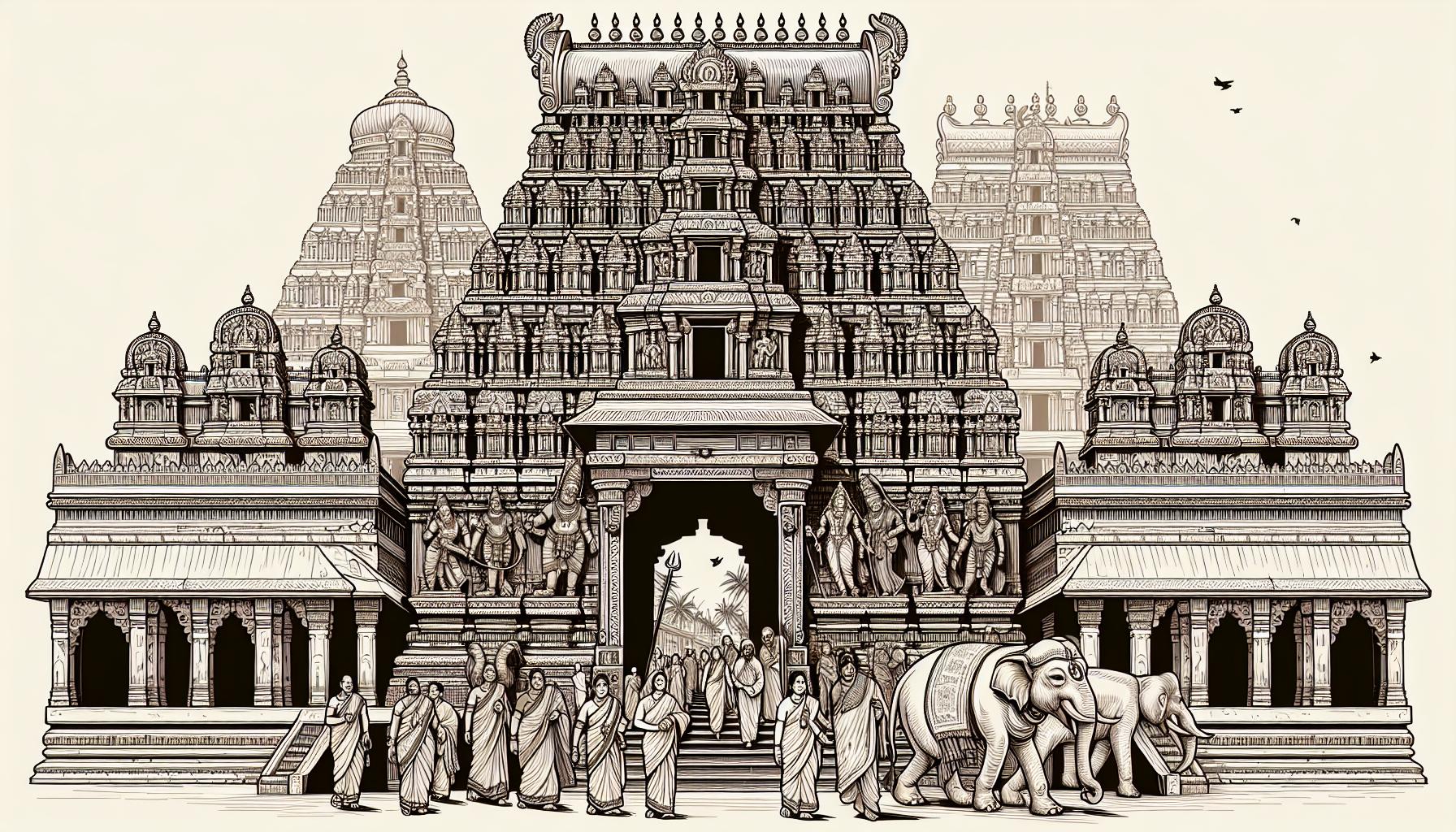
Hindu mythology architecture embodies a rich cultural heritage, blending intricate designs with profound symbolism. Here are the key elements:
Temples
Garbhagriha
The Garbhagriha, or inner sanctum, houses the primary deity. It’s often a simple, bare cell, emphasizing the divine presence over ornateness.
Shikhara
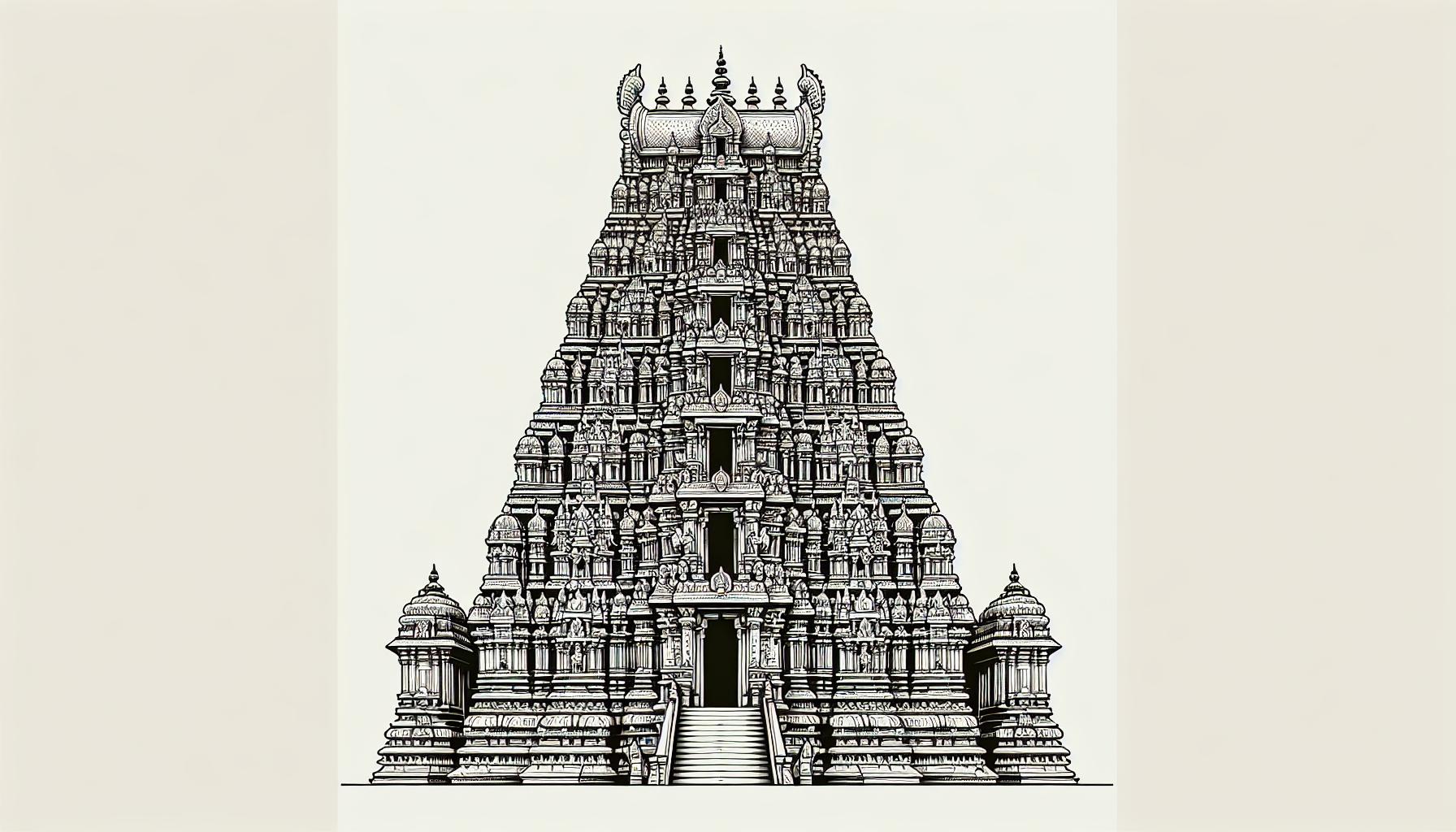
The Shikhara crowns the garbhagriha, towering above the temple. In southern India, it’s called the Vimana. Its height signifies the link between heaven and earth.
Mandapa
The Mandapa is the congregation hall where devotees gather. It’s used for rituals and prayers, reflecting Hinduism’s communal worship aspect.
Antarala
Antarala serves as the antechamber between the garbhagriha and the mandapa. It acts as a transitional space for devotees moving toward the deity.
Pradakshina
Pradakshina is a circumambulatory passage. Devotees walk clockwise around the temple as a form of worship, reinforcing their spiritual journey.
Gopuram
Gopuram refers to the temple’s entrance gates. These are often adorned with elaborate carvings of elephants or lions, symbolizing strength and protection.
Palaces
Hindu palaces showcase grand designs and intricate detailing. These structures served as royal residences, reflecting the splendor and authority of ancient kingdoms. They often included vast courtyards, ornate halls, and lush gardens, illustrating the harmonious blend of aesthetics and functionality.
Forts
Forts in Hindu mythology architecture were primarily built for defense. They feature massive stone walls, watchtowers, and battlements to withstand invasions. These forts not only served military purposes but also played crucial roles in regional administration and governance, showcasing the strategic and architectural prowess of their builders.
Symbolism And Mythological Representations
Iconography and Symbolism
Deities and Symbols: Hindu iconography links specific symbols to particular deities. For example, the Swastika represents auspiciousness and well-being, while Om signifies the universal sound. Other important symbols include animals, plants, instruments, weapons, and colors, each connected to deities or natural forces. These symbols convey deeper spiritual meanings within Hindu mythology.
Murti and Mudra: Murti refers to the image or idol of a deity, often intricately carved and detailed. Mudra involves the gestures and positions of the hands and body in these murtis, representing various divine functions and meanings. Both elements are central in Hindu iconography, reflecting spiritual teachings from scriptures and traditions.
Temple Architecture
Gopura: The Gopura, or gateway tower, is a prominent feature of Hindu temples. It’s typically adorned with multiple tiers and elaborate designs. This architectural element symbolizes the link between the temple and the outside world, serving as a majestic entrance that draws worshippers inward towards the sanctum.
Famous Architectural Sites
Hindu mythology architecture shines through various famous sites across the world. These monuments stand as testaments to ancient craftsmanship and spiritual symbolism.
Angkor Wat
Angkor Wat, located in Cambodia, is a prime example of Hindu mythology architecture. Built in the 12th century by King Suryavarman II, it initially served as a Hindu temple dedicated to Vishnu – The Protector. The temple’s layout represents Mount Meru, the mythical center of the universe in Hindu cosmology. Angkor Wat’s intricate bas-reliefs depict scenes from the Ramayana – Epic of Hinduism and Mahabharata – The Great Epic, illustrating the rich narrative heritage of Hindu mythology. The temple’s five towers symbolize the five peaks of Mount Meru, showcasing the blend of architecture and mythology.
Khajuraho Temples
The Khajuraho Temples, situated in Madhya Pradesh, India, are renowned for their detailed and ornate carvings. Built between 950 and 1050 AD by the Chandela dynasty, these temples reflect the Nagara style of architecture. The sculptures illustrate various aspects of life, including mythology, royalty, and everyday activities. Temples like Kandariya Mahadeva feature detailed carvings of deities such as Shiva, Vishnu, and Brahma – The Creator, embodying the spiritual essence of Hinduism. The erotic sculptures symbolize spiritual teachings on the unity between the soul and the divine.
Brihadeeswarar Temple
Brihadeeswarar Temple, also known as the Big Temple, is located in Thanjavur, Tamil Nadu. Built by Raja Raja Chola I in the 11th century, this temple is a pinnacle of Dravidian architecture. The temple is dedicated to Lord Shiva and houses one of the largest lingams in India. The 216-foot tall Vimana (tower) is a remarkable engineering feat, symbolizing Mount Kailash, Shiva’s celestial abode. Detailed frescoes and sculptures reflect stories from Hindu mythology, including the epic tales of Shiva and Parvati – The Consort of Shiva.
These famous architectural sites encapsulate the essence of Hindu mythology architecture, blending intricate designs with profound spiritual symbolism.
Techniques And Craftsmanship
Hindu mythology architecture showcases advanced techniques and exquisite craftsmanship. Builders used specific methods and styles to achieve harmony, balance, and symbolic representation in temple structures.
Precision in Measurements
Architects followed a detailed set of measurements called the Vastushastra, guiding every aspect of construction. This ancient text covered everything from the layout of the temple to the dimensions of specific elements. For example, the height of the Shikhara (tower) is typically proportionate to the width of the temple base to maintain visual and structural balance.
Material Mastery
Craftsmen exhibited a deep understanding of materials. They used stone, wood, and metal, each chosen for specific parts of the temple. Granites, basalts, and sandstones were commonly used for durability; for example, the Brihadeeswarar Temple, constructed using hard granite, has stood for over a millennium.
Intricacy in Ornamentation
Artisans created detailed carvings and sculptures depicting scenes from Hindu mythology. These elaborate designs required precision and skill. For instance, the Khajuraho Temples are famous for their intricate erotic sculptures, which reflect fine chiseling techniques and an in-depth understanding of human anatomy.
Collaborative Guilds
Construction of Hindu temples often involved collaboration among specialized guilds. These guilds—groups of architects, masons, and sculptors—ensured uniform quality and adherence to traditional techniques. They functioned as corporate bodies, passing down craft traditions through generations. During construction, these guilds managed every aspect of life in the worksite, from setting work rules to standardizing wages.
Role-Specific Expertise
Key roles were clearly defined in the construction process. The Sutradhara, or chief architect, led the overall construction and collaborated with craftsmen. The stonemason chief oversaw stone-related tasks, ensuring precision in cutting and placing stones. The chief image-maker focused on creating statues and carvings, which were critical for the temple’s spiritual and artistic value.
Integration of Symbolism
Symbolism played an essential role in Hindu temple architecture. Every design element and decorative piece held a spiritual meaning. For instance, the Mandapa (pillared hall) often contained columns illustrating stories from the Ramayana and Mahabharata, connecting worshippers with divine narratives.
In essence, techniques and craftsmanship in Hindu mythology architecture are a testament to the ancient builders’ profound knowledge and dedication. Their work not only created remarkable structures but also preserved Hindu culture and mythology for future generations.
Influence On Modern Architecture
Hindu temple architecture has significantly shaped modern architectural traditions worldwide. Regional styles such as Nagara in the North and Dravidian in the South serve as prime examples.
Impact on Design Principles
Modern architects often incorporate precise geometry and grid-based layouts inspired by Hindu temples. For instance, the square form, a common feature in Hindu structures, offers simplicity and balance, making it a popular choice in contemporary design.
Integration of Symbolism
Hindu temples are more than places of worship; they embody spiritual concepts like dharma and moksha. Modern architecture often borrows this idea, integrating deeper meanings into the design to enhance user experience. For example, some modern buildings use artistic elements that symbolize peace and harmony.
Use of Decorative Elements
Elaborate sculpture and decorative motifs from Hindu temples have found their way into modern designs. Buildings now feature intricate carvings and ornamental details, reflecting the rich artistic heritage of Hindu architecture. This trend is visible in various public structures, including museums and cultural centers.
Soaring Towers and Facades
Soaring towers, known as Shikharas in northern temples and Vimana in southern ones, have influenced modern skyscrapers. Architects use similar principles to create awe-inspiring skylines. These towering structures symbolize ambition and human achievement.
Regional Adaptations
Distinct regional styles of Hindu temple architecture have led to diverse adaptations in modern architecture. For example, elements from the Nagara style, characterized by beehive-shaped towers, can be seen in modern public buildings in North India. Similarly, Dravidian-style features like rectangular prakaras influence contemporary South Indian designs.
Conclusion
Exploring Hindu mythology architecture has been a fascinating journey through time and culture. The intricate designs and profound symbolism embedded in these ancient structures reveal a rich world of history and spirituality. From the majestic Gopurams to the sacred Garbhagrihas, every element tells a story of devotion and skilled craftsmanship.
The influence of Hindu temple architecture on modern design is undeniable, showcasing the timeless appeal of these ancient masterpieces. By understanding and appreciating this architectural heritage, we gain deeper insights into the cultural and spiritual essence of Hinduism. The legacy of Hindu mythology architecture continues to inspire and captivate, bridging the past with the present in a truly remarkable way.
Sources & further reading
These themes are explored in greater depth across the following authoritative resources:
- Stanford Encyclopedia of Philosophy, Hindu Philosophy
- Mythopedia, Hindu Mythology
- Britannica, Hindu Mythology
- Sheldon Pollock, The Language of the Gods in the World of Men (University of California Press, 2006)
- A. K. Ramanujan, The Collected Essays (Oxford University Press, 1999)
External resources for further reading. Apam Napat is not affiliated with these publishers; citation does not imply endorsement.
Based on the classical texts of Hindu mythology, see our sources.