

In our rapid digital age, the power of these epic tales remains undiminished. They continue to captivate audiences, providing a sense of continuity and connection to our roots. By exploring these stories, we not only gain insights into the values and beliefs of past civilizations but also find relevant lessons for our own lives.
Origins of Devotional Storytelling
Storytelling is as old as human culture. Oral traditions date back to the earliest civilizations. These stories entertained, educated, and passed down cultural values. Religious traditions are deeply connected to storytelling. In Judaism, narratives were the main method for teaching and preserving cultural and religious values. The Hebrew Bible contains hundreds of these stories, central to Jewish faith and tradition.
Epic narratives played a key role in conveying moral and cultural values. Ancient Greek epics, like the Iliad and Odyssey, taught moral lessons and preserved cultural heritage. These stories emphasize the timeless nature of devotion and heroism, resonating across various communities and eras.
Key Elements of Devotional Epics
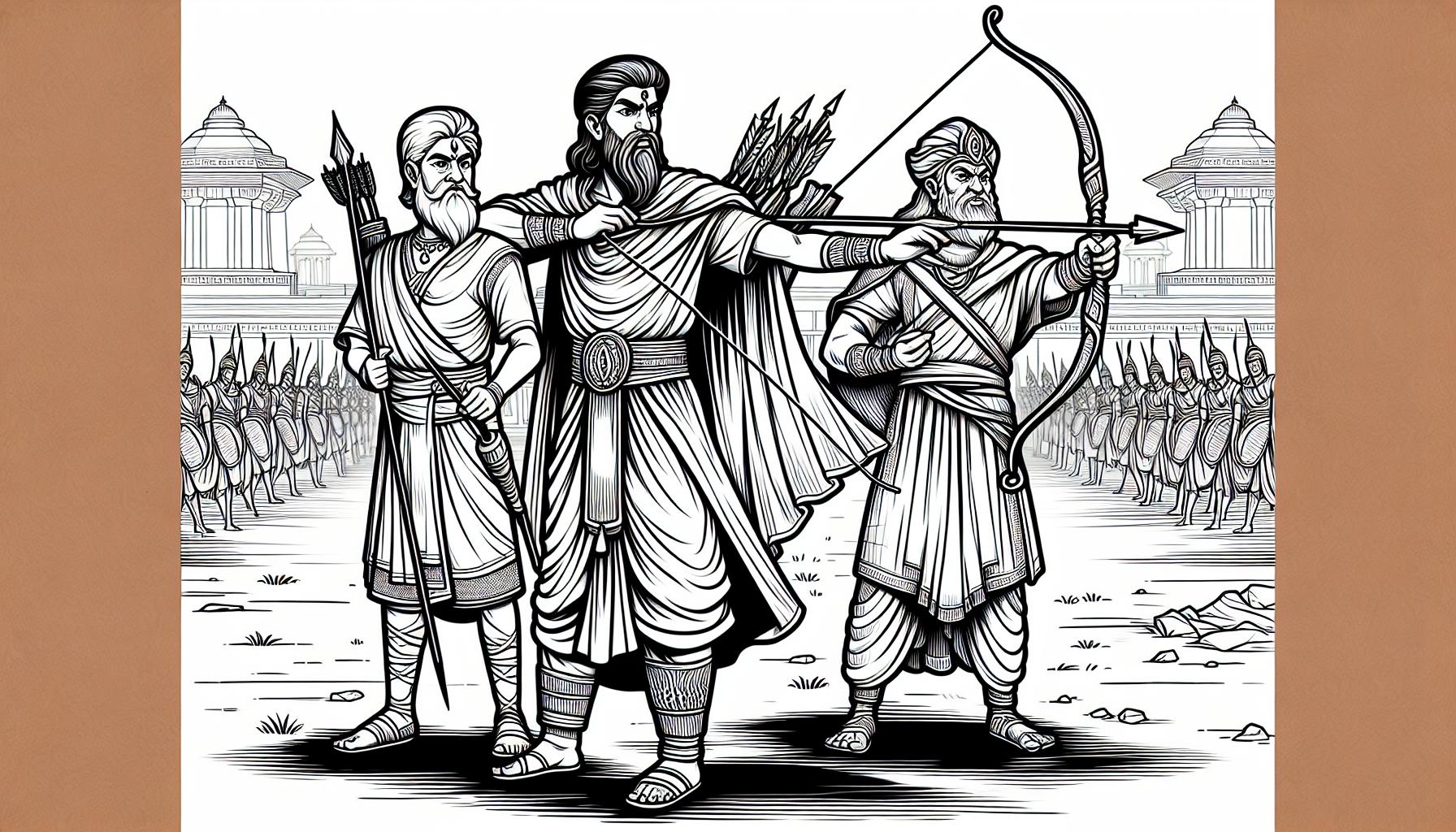
Devotional epics serve not only as literary works but also as vessels of cultural and moral education. These stories offer deep insights into the values and beliefs of the societies from which they originate.
Themes and Morals
Devotional epics often reflect the cultural significance of society. For instance, the Indian epic poem, the Mahabharata, is integral to Hindu culture, offering essential insights into Hinduism’s evolution. These narratives provide a mirror to the cultural values prevailing at the time of their creation.
Epics embed moral lessons within their tales. The Mahabharata includes stories highlighting duty, loyalty, and self-control. Readers find timeless guidance in these moral teachings, making the profound wisdom accessible across generations.
Often, universal themes enable these narratives to resonate beyond their original cultural contexts. Themes like heroism, sacrifice, and the battle between good and evil find common ground across various cultures and periods. This universality contributes to the enduring appeal of devotional epics.
Characters and Archetypes
Central characters and archetypes add depth to devotional epics. Heroes like Arjuna from the Mahabharata exemplify courage and righteousness. These characters embody ideals that readers aspire to.
Anti-heroes and villains provide contrast and emphasize moral boundaries. Characters such as Duryodhana in the Mahabharata illustrate the consequences of adharma (unrighteousness), offering lessons on the pitfalls of negative traits like greed and jealousy.
Guides and sages often play crucial roles, providing wisdom and counsel. Figures like Krishna – An Incarnation of Vishnu offer divine insight and guidance, steering other characters towards righteous paths. These archetypes underscore the importance of mentorship and wise counsel in exploring life’s complexities.
Prominent Devotional Epics
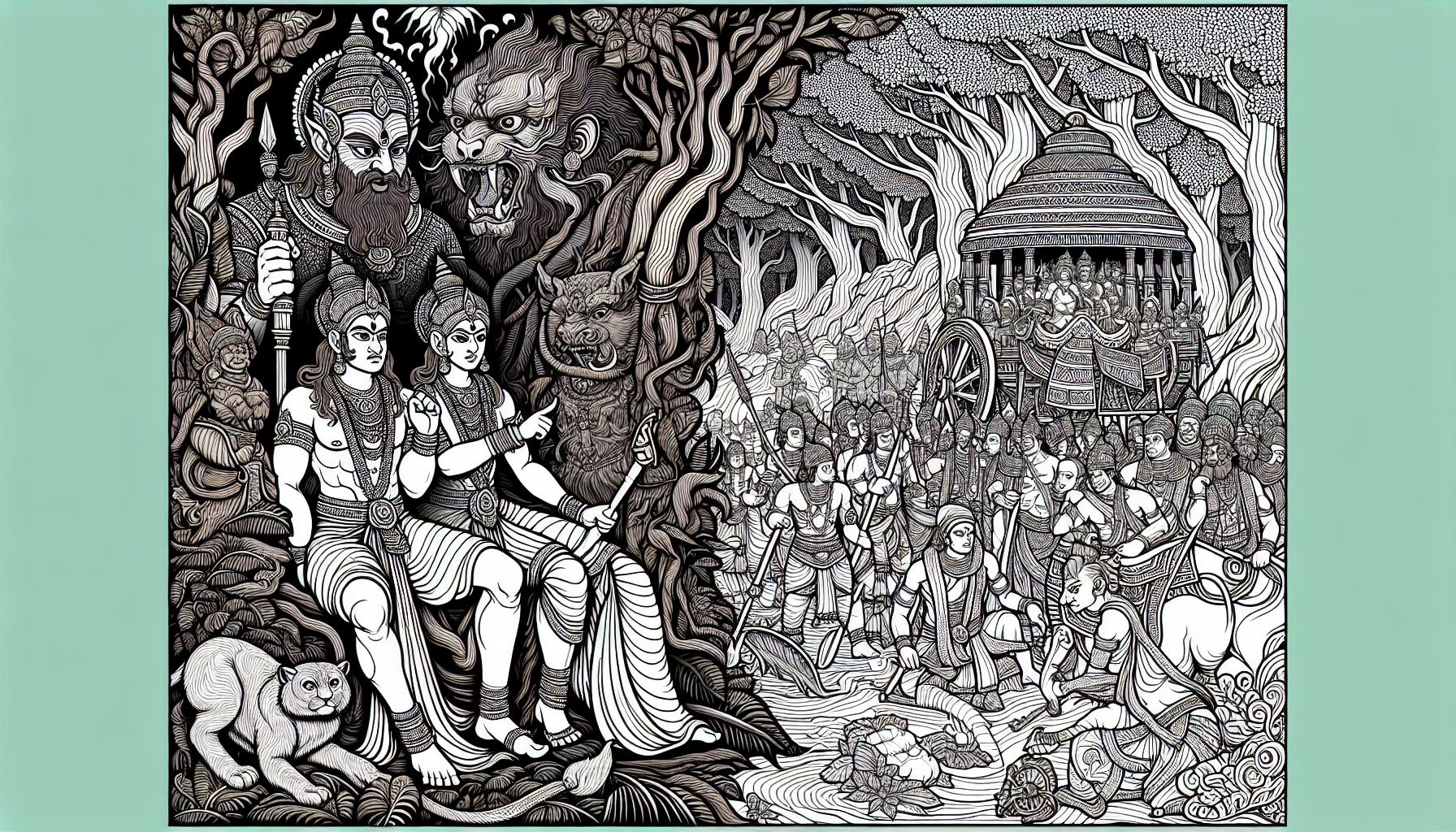
Prominent devotional epics in Hindu literature embody cultural values, spiritual wisdom, and historical narratives. Here, I’ll focus on three key texts: The Ramayana, The Mahabharata, and The Bhagavad Gita.
The Ramayana
The Ramayana is a foundational Sanskrit epic detailing the life of Prince Rama. Sent into exile with his wife, Sita, and brother, Lakshmana, Rama faces numerous trials. Sita is abducted by the demon Ravana, leading to an epic battle where Rama, aided by the Monkey God Hanuman, rescues her. This tale of good triumphing over evil underscores duty (dharma) and righteousness. Comprising 24,000 couplets, it serves as a timeless guide on virtue and moral conduct.
The Mahabharata
The Mahabharata, another monumental Sanskrit epic, delves into the complex dynamics of family, duty, and righteousness. Central to its narrative is the Kurukshetra War, a colossal conflict between the Pandavas and Kauravas. With over 100,000 verses, it explores themes of loyalty, justice, and the human condition. Characters like Arjuna and Krishna offer profound insights into duty and the moral dilemmas faced in life. This epic’s rich discourse continues to influence Hindu philosophy and ethics.
The Bhagavad Gita
The Bhagavad Gita, a 700-verse scripture within The Mahabharata, presents a dialogue between Prince Arjuna and the God Krishna. Facing the battlefield of Kurukshetra, Arjuna experiences a moral crisis. Krishna’s counsel encompasses karma (action), bhakti (devotion), and jnana (knowledge), offering Arjuna (and readers) profound spiritual guidance. The Bhagavad Gita distills complex Vedic teachings into practical advice for leading a life of purpose, making it one of Hinduism’s most revered texts.
Cultural Significance
Devotional storytelling and epics have been vital in shaping Hindu culture, enriching its traditions and values. These narratives, often passed down orally, offer lessons on morality, spirituality, and cultural identity.
Influence on Art and Literature
These stories have profoundly impacted Hindu art and literature. Many works of art, such as paintings and sculptures, depict scenes from epics like the Ramayana and Mahabharata. These epics have inspired countless literary adaptations, blending religious themes with artistic expression. For instance, the Ramayana’s depiction of Prince Rama’s adventure has led to various regional adaptations in literature and drama.
Role in Religious Practices
Devotional storytelling plays a central role in Hindu religious practices. During festivals, stories from the epics are recited, strengthening communal bonds and shared heritage. Rituals often incorporate these narratives, making them a part of daily spiritual life. For example, during the festival of Diwali, people recount the Ramayana’s story of Rama’s return to Ayodhya, symbolizing the victory of good over evil.
Modern Interpretations
Modern interpretations of devotional storytelling and epics blend traditional themes with contemporary elements, making them relevant in today’s society.
Contemporary Adaptations
Modern storytelling incorporates diverse perspectives, emphasizing cross-cultural consciousness and the hero’s journey. Iconic works like the Harry Potter series and Star Trek draw parallels with classical mythology, showing that core themes remain relevant. These adaptations promote a broader understanding by merging elements from various cultures, making ancient stories accessible to a global audience.
Media and Popular Culture
In media and popular culture, contemporary narratives often mirror ancient epics. Films, TV shows, and books leverage classical motifs to connect with audiences. For instance, superheroes in Marvel and DC comics echo archetypal heroes from epics, with characters embodying virtues like bravery and integrity. These modern tales often explore universal themes, demonstrating the timeless appeal of devotional storytelling.
Conclusion
Devotional storytelling and epics have a unique ability to transcend time and culture. They continue to inspire and guide us with their timeless themes of duty, righteousness, and family values. Modern adaptations breathe new life into these ancient tales, making them accessible to contemporary audiences. By drawing parallels with popular culture, we can see the enduring relevance and universal appeal of these narratives. They remind us that the core values they promote are as important today as they were in ancient times.
Sources & further reading
These themes are explored in greater depth across the following authoritative resources:
- Stanford Encyclopedia of Philosophy, Hindu Philosophy
- Britannica, Moksha
- Britannica, Brahman
- Internet Sacred Text Archive, Upanishads
- Sarvepalli Radhakrishnan, Indian Philosophy (2 vols., Oxford University Press, 1923)
External resources for further reading. Apam Napat is not affiliated with these publishers; citation does not imply endorsement.
Frequently asked questions
Why are devotional epics important?
What moral themes appear in devotional epics?
Who are the central archetypes in devotional epics?
How are devotional epics linked to religious tradition?
Based on the classical texts of Hindu mythology, see our sources.