
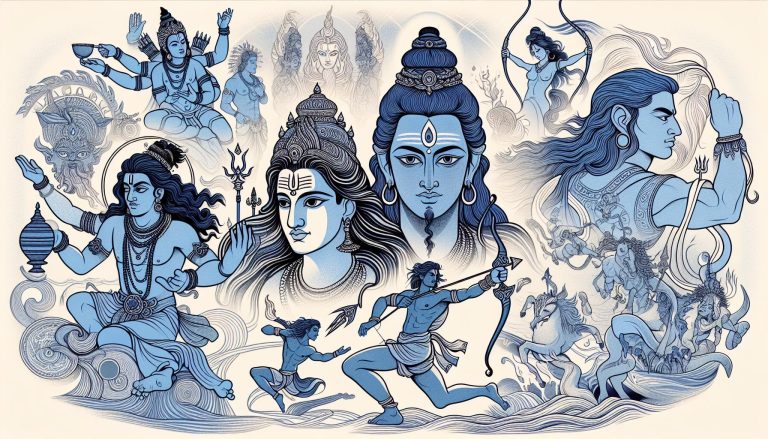
As I investigate into these myths, I uncover layers of meaning that speak to the human experience. The characters and their journeys mirror our own struggles, triumphs, and quests for understanding. By exploring the archetypal significance of Hindu myths, we can gain insights into not just ancient beliefs but also our own modern lives.
Understanding Hindu Mythology
Hindu mythology is a vast repository of stories and legends that form the bedrock of Hindu culture and religious practices. These myths, passed down through generations, are not just simple tales but sacred narratives that explain the world order and societal existence. By examining these stories, we can understand the moral values, cultural significance, and symbolic elements embedded within them.
Myths as Moral Guides
Hindu myths convey moral values and ethical principles. Narratives like the Ramayana – Epic of Hinduism and Mahabharata – The Great Epic illustrate how individuals should live responsibly, make ethical decisions, and confront evil. For instance, Lord Rama’s unwavering commitment to truth and duty provides a model of virtuous living. These stories serve as moral compasses, offering lessons that apply to various life situations.
Cultural Significance
In India, Hindu mythology deeply influences art, literature, and social practices. Festivals like Diwali and Holi stem from mythological events, celebrating the victory of good over evil. Temples display intricate carvings depicting mythological scenes, reflecting the enduring legacy of these tales. Modern Indian cinema and television often draw from these stories, demonstrating their continued relevance in contemporary society.
Archetypes and Symbolism
Hindu myths are rich in archetypes and symbolism, each character and event representing deeper meanings. Deities like Vishnu, Shiva, and Devi embody universal principles such as preservation, destruction, and nurturing. Symbols like the lotus, serpent, and trident carry profound significance, conveying themes of purity, energy, and power. These archetypes and symbols resonate with human psychology, offering insights into the collective human experience.
Understanding these aspects of Hindu mythology reveals the layers of wisdom and cultural heritage they carry, helping us connect with ancient traditions while finding relevance in modern life.
Key Archetypes in Hindu Myths
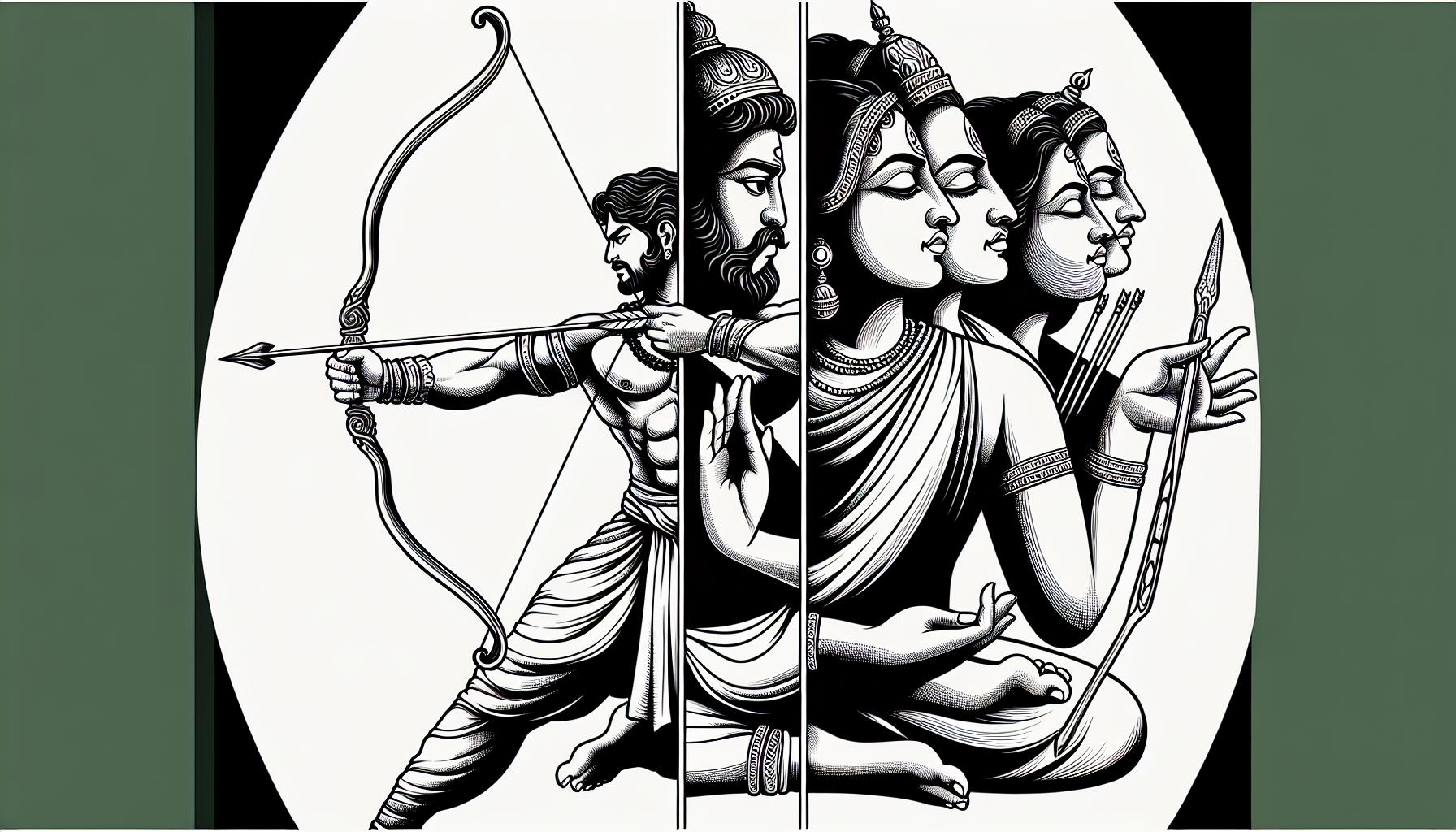
Hindu mythology is brimming with archetypes that convey profound moral and ethical principles. These archetypes are not just characters but embody universal themes and human experiences.
The Hero
The hero archetype is prevalent throughout Hindu myths, particularly in the stories of avatars like Rama and Krishna. These heroes symbolize courage, strength, and the eternal fight against evil. Rama’s quest to rescue his wife Sita from the demon king Ravana underscores his bravery and moral integrity. Such heroes embody the human aspiration for self-discovery, courage, and the ultimate triumph of good over evil.
The Sage
The sage archetype in Hindu mythology is represented by wise and knowledgeable figures. Brahma, the creator god, stands as a prime example. Associated with creation and the Vedic texts, he symbolizes the pursuit of wisdom and higher understanding. Sages represent the human try to acquire knowledge and attain wisdom, guiding society with their insights.
The Creator and Destroyer
The creator and destroyer archetype is illustrated by deities like Shiva. Shiva embodies both creation and destruction, highlighting the cyclical nature of existence. His role signifies transformation and the balance between life and death. This archetype teaches about renewal, the end of old cycles, and the beginning of new ones, reflecting the dynamic processes within the universe.
Cultural and Psychological Significance
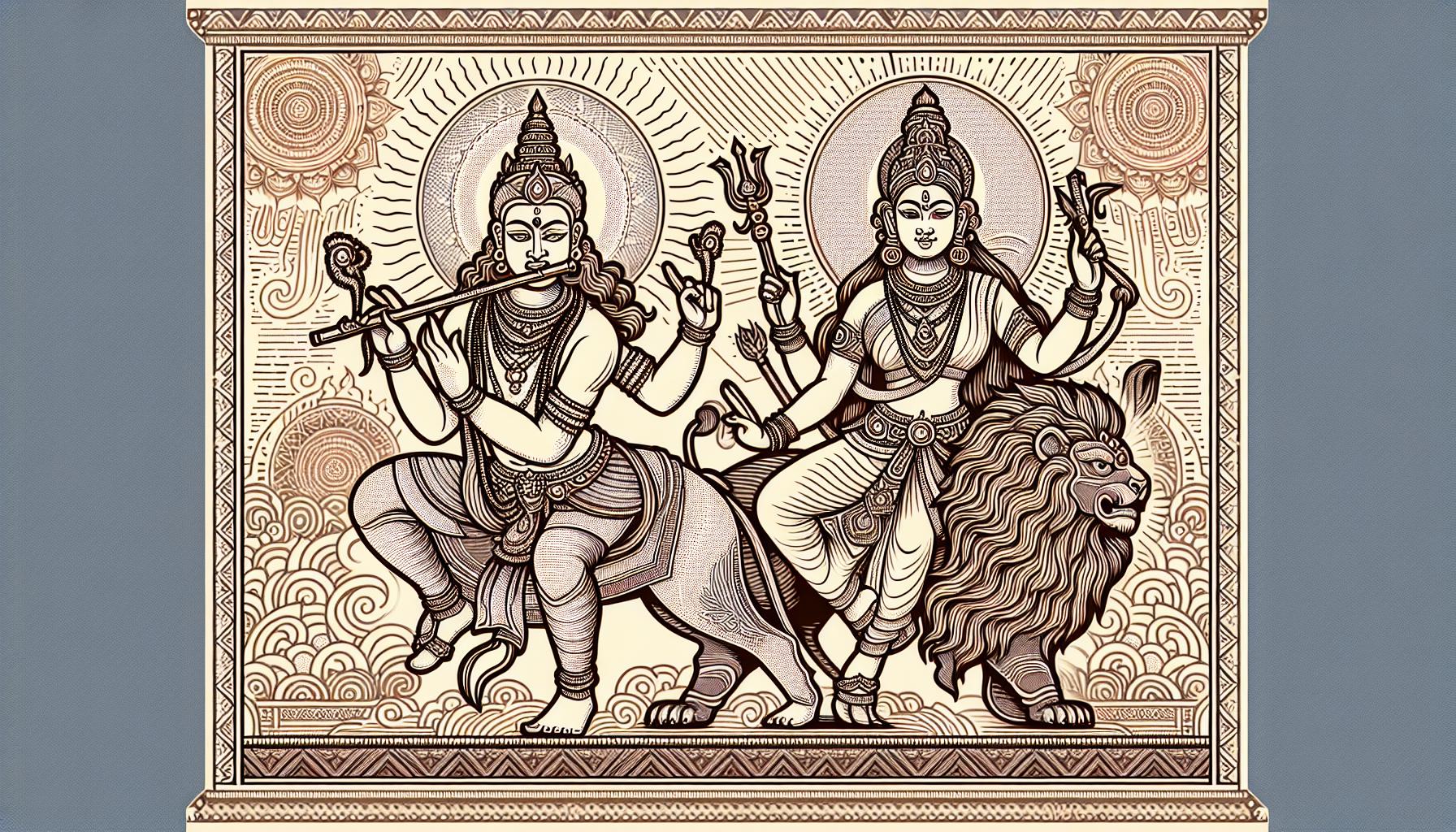
Hindu mythology plays a profound role in shaping cultural and psychological aspects of society. The narratives and archetypes within these myths provide symbolic meanings and guide individuals in exploring life’s complexities.
Influence on Modern Culture
Hindu myths significantly influence modern culture. These myths shape various cultural expressions, including literature, art, and cinema. Epic tales like the Ramayana and Mahabharata inspire countless adaptations, retaining their relevance in contemporary storytelling. Bollywood films frequently draw from these stories, weaving ancient themes into modern plots.
Festivals like Diwali and Holi, rooted in mythological events, continue to be celebrated widely, fostering community bonding. For example, Diwali commemorates Lord Rama’s return to Ayodhya, symbolizing the triumph of light over darkness. These celebrations not only honor tradition but also reinforce cultural values and collective identity.
Symbolic Meanings
Archetypes in Hindu mythology carry deep symbolic meanings. Deities and myths embody universal human experiences, offering psychological insights.
Krishna, an avatar of Vishnu, symbolizes the multi-faceted nature of life. His roles as a playful child, devoted lover, and wise sage illustrate various stages of human development and the eternal struggle between good and evil.
Durga, the goddess of strength and protection, represents feminine power and resilience. Her mythological battles against demons symbolize inner conflicts and the triumph of righteousness. She embodies the concept of Shakti, or divine energy, elevating the status of women and inspiring societal ideals of courage and virtue.
These archetypal figures not only provide moral guidance but also help individuals understand and navigate their own psychological landscapes. Through the symbolic meanings of these deities, Hindu mythology offers timeless lessons on human nature and the universe.
Major Mythological Stories and Their Archetypes
Hindu mythology holds universal truths through its epics. Two major stories, the Ramayana and the Mahabharata, convey profound philosophical ideas and moral values.
The Ramayana
The Ramayana narrates the life of Rama, a prince exiled by his father, Dasharatha. Rama’s wife, Sita, is abducted by the demon king, Ravana. The story climaxes with a great battle where Rama defeats Ravana to reclaim his throne.
- Rama: Embodies duty, loyalty, and righteousness as the ideal son, brother, husband, and king.
- Sita: Symbolizes purity, loyalty, and devotion, representing the ideal wife.
- Ravana: Represents destructive forces of ego and desire, embodying evil.
- Hanuman: Exemplifies loyalty, courage, and selflessness as the ideal devotee and servant.
The Mahabharata
The Mahabharata details the Kurukshetra War between the Pandavas and Kauravas. This complex narrative covers dharma, karma, and the nature of justice.
- Krishna: Embodies the divine guide, offering wisdom and support, representing the voice of God.
- Arjuna: Symbolizes human dilemmas and the quest for righteousness, facing moral conflicts.
- Bhishma – The Grand Old Man of The Kurus: Represents the unwavering commitment to duty, even at great personal cost.
- Draupadi: Embodies resilience, strength, and the fight for dignity amidst adversity.
These archetypes offer timeless moral guidance and psychological insights, profoundly influencing Indian culture and collective identity.
Comparative Analysis with Other Mythologies
Hindu mythology shares intriguing similarities and contrasts with other ancient narratives. By examining Hindu myths alongside Greek and Norse myths, we can uncover unique archetypal significances.
Hindu Myths vs. Greek Myths
Both Hindu and Greek mythologies feature diverse pantheons and epic tales. Hindu deities like Vishnu and Shiva parallel Greek gods like Zeus and Poseidon in their powers and roles. Vishnu, for example, preserves the universe, while Zeus maintains order among gods. Both traditions explore heroism; in Hinduism, Rama embodies duty and righteousness, akin to Hercules in Greek tales. Ethical dilemmas appear in both mythologies, with the Bhagavad Gita’s Arjuna facing moral conflicts similar to Achilles’ struggle in the Iliad. Characters in both traditions symbolize broader human experiences, emphasizing universal themes of power, duty, and morality.
Hindu Myths vs. Norse Myths
Hindu and Norse myths also exhibit compelling likenesses and differences. Gods and heroes in both traditions face cosmic battles and moral quandaries. Krishna’s guidance to Arjuna reflects Odin’s wisdom, guiding heroes in their quests. Both mythologies feature apocalyptic events; in Hinduism, the Kali Yuga marks the end times, while Ragnarok serves this role in Norse tradition. Also, divine warriors are pivotal, with the Mahabharata’s Bhima mirroring Norse heroes like Thor in their strength and valor. These narratives provide insights into cultural values, highlighting the perennial struggle between good and evil.
Conclusion
Hindu mythology offers a rich world of narratives that reflect profound ethical and moral dilemmas, much like Greek and Norse myths. Characters such as Rama, Sita, Krishna, and Arjuna embody timeless values that resonate across cultures. By comparing these myths with those of other ancient traditions, we gain deeper insights into universal themes of duty, justice, and the eternal battle between good and evil.
Understanding these archetypal stories helps us appreciate the cultural and spiritual heritage they represent. The parallels between Hindu deities and their Greek and Norse counterparts highlight the shared human quest for meaning and moral guidance. These myths not only entertain but also inspire us to reflect on our own lives and values.
Sources & further reading
These themes are explored in greater depth across the following authoritative resources:
- Internet Sacred Text Archive, Rig Veda (Griffith translation)
- Internet Sacred Text Archive, Upanishads
- Britannica, Veda
- Britannica, Upanishad
- Patrick Olivelle, The Early Upanishads (Oxford University Press, 1998)
External resources for further reading. Apam Napat is not affiliated with these publishers; citation does not imply endorsement.
Frequently asked questions
What is the archetypal significance of Hindu myths?
How do Hindu myths function as moral guides?
What archetype does Lord Rama represent?
Why are Hindu myths considered sacred narratives?
Based on the classical texts of Hindu mythology, see our sources.