
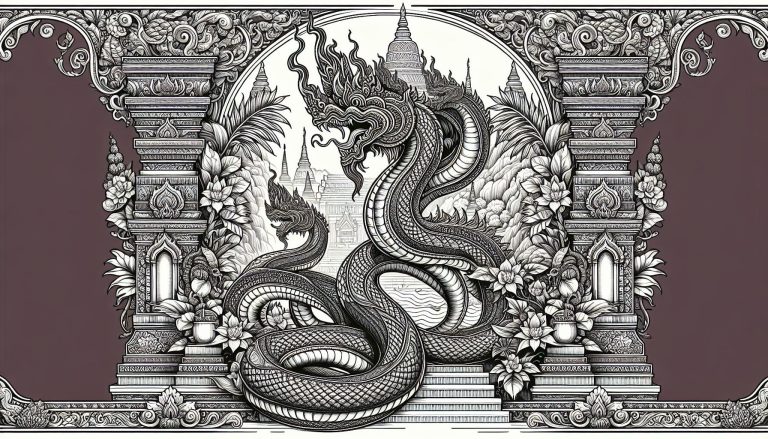
Exploring naga serpent wisdom isn’t just about delving into folklore; it’s a journey into understanding deeper spiritual truths. These serpentine beings symbolize transformation, protection, and the cyclical nature of life. By tapping into their ancient knowledge, we can uncover hidden truths and gain a richer perspective on our own spiritual paths.
Origins Of Naga Serpent Wisdom
Naga serpent wisdom, with roots deep in ancient cultures, has captivated minds for centuries. Its origins can be traced to various mythologies and spiritual traditions worldwide.
Historical Significance
Naga serpents appear prominently in Hindu, Buddhist, and Jain traditions. In Hindu mythology, they are semi-divine beings linked to water bodies and rain, symbolizing fertility and life. The serpent Ananta-Shesha holds the universe, illustrating the naga’s role in sustaining cosmic balance. In Buddhist texts, the naga Mucalinda shelters the meditating Buddha, emphasizing protection and the pursuit of enlightenment.
Cultural Context
In Southeast Asia, Naga legends are integral to local folklore. Cambodian, Thai, and Laotian cultures view nagas as protectors of wealth and divine guardians of temples. They believe nagas inhabit rivers and lakes, influencing agriculture and prosperity. Across these regions, naga imagery in arts, rituals, and architecture underscores their revered status.
Symbolism In Various Cultures

Nagas carry rich symbolism in cultures around the world. Their presence deeply influences religious beliefs, art, and local folklore.
Hindu Mythology
In Hindu mythology, nagas are semi-divine serpents residing in the subterranean world called Patala. Lord Vishnu – The Protector rests on the serpent deity Shesha, symbolizing cosmic balance. Nagas also reflect fertility and life’s cyclical nature. Devotees revere them as guardians of wealth and water sources, linking them to prosperity and protection.
Buddhist Beliefs
Buddhism sees nagas as spiritual protectors. They venerate the serpent Mucalinda, who shielded Buddha from a storm during meditation. Nagas convey themes of rebirth and transformation, resonating with core Buddhist teachings on life’s impermanence. Some texts even describe nagas converting to Buddhism, reflecting their spiritual significance.
Southeast Asian Traditions
In Southeast Asia, nagas are integral to local folklore. They are believed to inhabit rivers and lakes, influencing agriculture and fertility. Cambodian culture regards nagas as ancestral spirits, linking them to the Khmer people’s origins. In Thailand and Laos, nagas appear as temple guardians, showcasing their protective and divine roles.
Interpretations And Meanings

The Naga serpent embodies rich symbolism in various spiritual traditions, representing cycles of life and protection.
Rebirth and Transformation
Nagas symbolize rebirth and transformation due to their ability to shed their skin. This act of shedding skin signifies renewal and regeneration. In Hinduism, the Naga’s cyclical shedding reflects the rhythm of life, emphasizing immortality and healing. For instance, the story of Adisesha – The Thousand Headed Serpent, the king of Nagas, highlights his eternal nature and connection to cosmic cycles.
Wisdom and Spiritual Growth
The Naga serpent holds profound spiritual significance. In Buddhism, the three-headed Naga represents wisdom (prajna), compassion (karuna), and power (shakti). These virtues are essential on the path to enlightenment. Stories of nagas protecting and teaching Buddha enhance their association with spiritual growth. For example, the Naga king Mucalinda shielded Buddha from a storm, signifying the protection of wisdom.
Guardianship and Protection
Nagas often serve as guardians of temples, sacred sites, and treasures. Their protective qualities are prominent in many traditions. For instance, Nag Panchami rituals in India involve honoring Nagas to seek their protection against venomous snakes and other dangers. In Cambodian culture, nagas guard temple entrances as powerful protectors, ensuring safety from harm.
Connection With Nature
Nagas maintain a deep connection with nature. They are linked to water bodies like rivers, lakes, and oceans. This connection underscores their role in controlling rain and fertility, influencing agricultural success. Southeast Asian cultures, such as those in Thailand and Laos, feature nagas in folklore as beings who bring rain, sustain crops, and ensure prosperity. For instance, the annual Naga Fireballs phenomenon on the Mekong River is a celebrated event, reflecting this intertwined relationship.
Modern Interpretations
Naga serpent wisdom continues to influence modern culture, resonating in both popular media and contemporary spiritual practices. Understanding these interpretations offers insight into the enduring relevance of naga symbolism.
Popular Media Representations
Naga serpents appear in various films, television series, and literature, often symbolizing ancient wisdom, power, and mystery. The Harry Potter series features a large serpent named Nagini, symbolizing dark magic and transformation. In Marvel Comics, nagas are depicted as powerful beings from mythology, reflecting their cultural importance. Video games like League of Legends and Dungeons & Dragons include naga creatures, showcasing them as formidable adversaries or mystical guardians.
Contemporary Spiritual Practices
Many spiritual seekers integrate naga wisdom into their practices for its profound symbolism. Meditation and yoga practitioners visualize nagas to harness energies associated with transformation and regeneration. In Southeast Asia, some believe in the magical properties of naga amulets and wear them for protection. Rituals like Nag Panchami, celebrated today, emphasize respect for nature and seek the blessings of nagas for prosperity and well-being.
New Age Beliefs
New Age movements often incorporate naga imagery to represent serpentine energy or kundalini, a concept in Hinduism referring to a coiled energy at the base of the spine. Practitioners believe awakening this energy leads to spiritual enlightenment and self-discovery. The imagery of a serpent rising through the chakras is a powerful symbol used in various meditative and healing practices.
Naga Symbolism in Art
Modern artists frequently use naga imagery in their work to convey themes of rebirth, power, and protection. This can be seen in contemporary paintings, sculptures, and digital art, blending traditional symbolism with modern aesthetics. Art enthusiasts and collectors often seek pieces featuring nagas for their deep cultural significance and visual impact.
Ecological Significance
Current environmental movements draw upon naga symbolism to emphasize the importance of water conservation and ecological balance. Nagas are traditionally associated with water bodies and rain, making them powerful icons in advocating for the preservation of natural resources. Events and campaigns promoting clean rivers and sustainable practices sometimes invoke nagas to highlight humanity’s connection with nature.
Conclusion
Exploring naga serpent wisdom reveals a profound world of cultural and spiritual significance. Their symbolism of transformation and protection resonates deeply across various traditions. I find their role as guardians and their association with cosmic balance particularly captivating.
In modern times naga imagery continues to inspire and influence. From popular media to ecological movements the enduring relevance of these mystical beings underscores their timeless appeal. Embracing naga wisdom invites us to reflect on our own journeys of renewal and transformation.
Sources & further reading
These themes are explored in greater depth across the following authoritative resources:
- Britannica, Asura
- Britannica, Naga
- Mythopedia, Hindu Mythology
- Internet Sacred Text Archive, Mahabharata
- Wendy Doniger, Hindu Myths (Penguin Classics, 1975)
External resources for further reading. Apam Napat is not affiliated with these publishers; citation does not imply endorsement.
Frequently asked questions
What is naga serpent wisdom in Hindu mythology?
What do nagas symbolize?
Why are nagas considered wise?
Where do nagas appear in spiritual traditions?
Based on the classical texts of Hindu mythology, see our sources.