
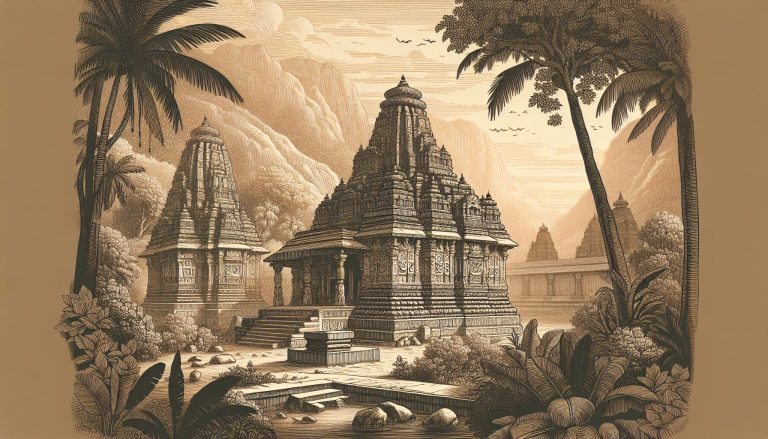
From the lotus flower symbolizing purity and enlightenment to the mandala representing the universe’s cosmic order, temples are treasure troves of symbolic meaning. Understanding these symbols can deepen our appreciation of the architecture and the spiritual practices they embody. Let’s jump into the intriguing area of symbolic representations in temples and uncover the layers of meaning behind these ancient icons.
Historical Significance of Symbolic Representations
Symbolic representations in temples hold deep historical roots. Ancient civilizations like Greece, Rome, and Egypt used symbols to convey religious ideas, myths, and societal values. For instance, Egyptian temples often feature hieroglyphics depicting deities and cosmic events, reflecting their rich mythological traditions.
In religious contexts, temple symbols serve as sacred connectors to the divine. Christian churches display crosses symbolizing faith and redemption. Similarly, Buddhist temples prominently feature the Dharma Wheel, representing the teachings of Buddha and the path to enlightenment.
Cultural expressions in temple art reflect the societies that created them. Hindu temples, for example, showcase intricate carvings and sculptures that portray India’s vast cultural heritage. These artistic details provide insights into the societal norms, values, and beliefs of the time.
Understanding these symbols enhances one’s appreciation of temple architecture. For example, the mandala in many Asian temples symbolizes the cosmic order, adding depth to the spiritual practices conducted within. Recognizing such symbols enables a deeper connection with the spiritual narratives they represent.
Types of Symbolic Representations
Temples across various cultures and religions feature distinct symbolic representations to convey spiritual and cultural meanings.
Religious Icons
Religious icons dominate the symbolic world of temples, portraying core spiritual beliefs.
- Buddhism: The Dharmachakra (Wheel of the Dharma) and the Bodhi Tree prominently appear in Buddhist temples. The Dharmachakra represents the Buddha’s teachings, while the Bodhi Tree symbolizes his enlightenment.
- Hinduism: Icons like the Om symbol, the Swastika, and the Lotus Flower are prevalent in Hindu temples. Om signifies the universe’s primordial sound, the Swastika denotes eternity, and the Lotus Flower epitomizes divine beauty.
- Christianity: The Cross is central in Christian churches, representing the crucifixion and resurrection of Jesus Christ.
Mythological Figures
Mythological figures enrich temple imagery, embodying stories and beliefs from ancient civilizations.
- Egyptian Temples: Deities like Isis, Osiris, and Anubis are often depicted in Egyptian temples. These images reflect the mythological narratives and religious practices of ancient Egypt, each god embodying specific aspects of life and death.
Geometric Patterns
Geometric patterns serve as another layer of symbolism in temples, often reflecting cosmic and spiritual concepts.
- Mandala: Frequently seen in Asian temples, the mandala represents the universe’s cosmic order. Intricate designs often symbolize the journey to spiritual enlightenment.
Temples, through their varied and significant symbolic representations, offer deeper insights into religious and cultural narratives.
Cultural Variations
Symbolic representations in temples vary widely across different cultures. These differences reflect the diverse religious, artistic, and geographical factors influencing temple architecture and iconography.
Eastern Temples
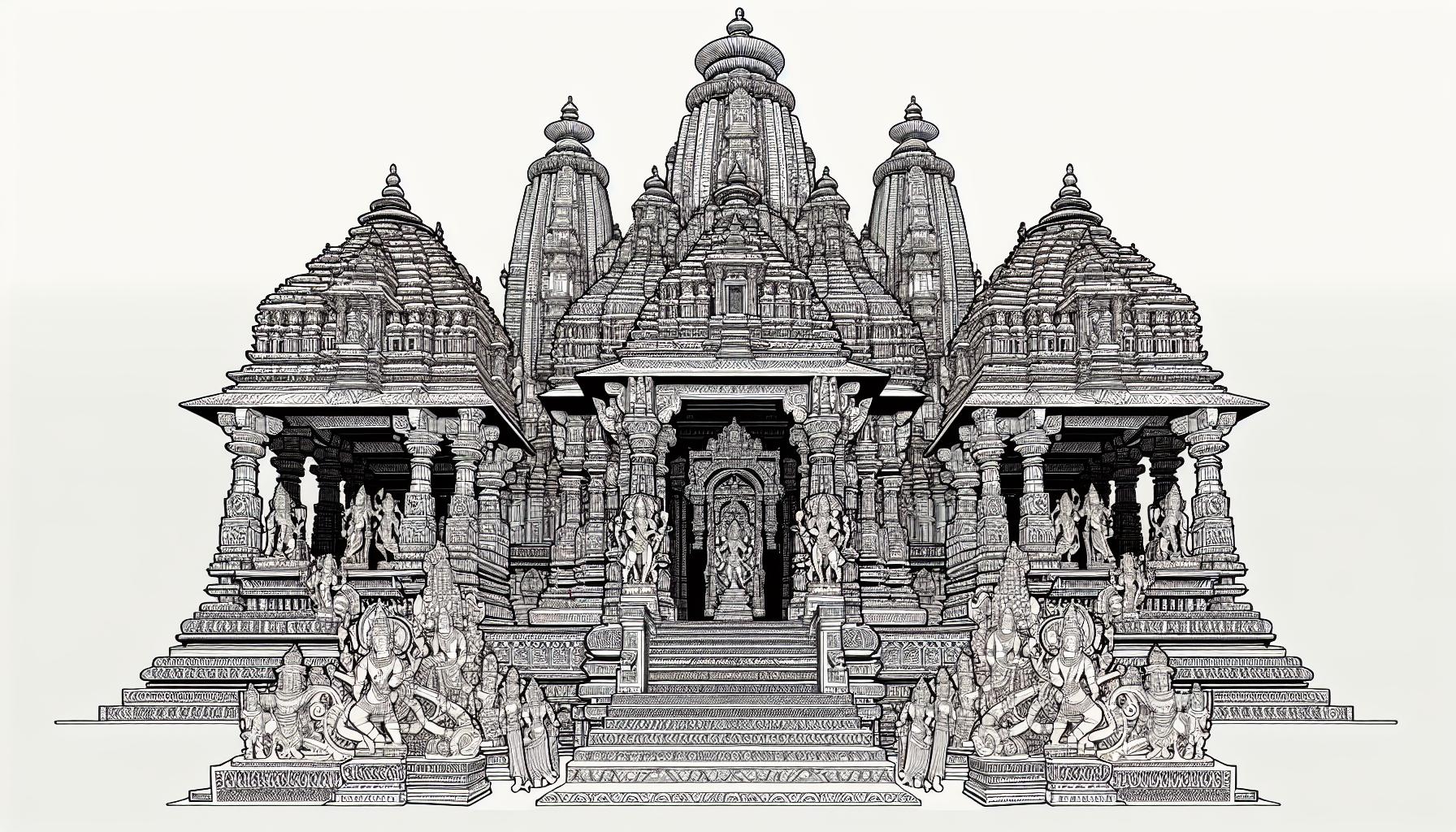
Eastern temples showcase intricate designs and rich symbolism. The Khajuraho Group of Monuments in India, grouped into three geographical divisions (western, eastern, southern), exemplifies this. These temples, built with sandstone and granite foundations, feature beautifully carved statues highlighting Hindu and Jain art. Even though being famous for erotic sculptures, such scenes constitute less than 10% of the temple sculptures and aren’t prominently displayed. Hindu temples, representing cosmic pillars, are strategically situated based on shubha criteria—often near bodies of water. Their designs, codified in the Shilpa-shastras (craft textbooks), symbolize cosmic features integral to Hindu theology.
Architectural Symbolism
Geometric Plans
Hindu temples follow a precise geometric design called vastu-Purusha – The Primordial Man-mandala. This design symbolizes the universe and its governing principles. The layout incorporates squares and circles, creating a balanced and harmonious structure that reflects celestial harmony.
Circle and Square
The circle represents celestial harmony. These shapes are prominent in houses, tombs, and various religious structures across cultures. Squares often represent earthly aspects, forming the base structure in temple architecture.
Domes and Towers
Domes in temple designs imply unity and wholeness. Towers symbolize verticality, aiming to connect the earthly area with the divine. This vertical emphasis guides the observer’s gaze upwards, fostering a sense of spiritual ascension.
Portals and Colonnades
Portals serve as transitional spaces, guiding visitors from the secular world to the sacred. Colonnades, often flanking these portals, create a formal entryway that accentuates the transition, offering a physical and symbolic passage to the sacred space.
Structural Elements
The spire, or shikhara, and the central core, known as vimana, form vital structural elements in temple architecture. The shikhara represents a mountain peak, symbolizing the spiritual ascent toward the divine. The vimana stands as the temple’s heart, emphasizing a concentrated point of spiritual energy.
Spatial Arrangements
Temples often feature intricate spatial arrangements designed to enhance the visitor’s spiritual journey. Inner sanctums, courtyards, and subsidiary shrines are strategically positioned to align with principles of sacred geometry, ensuring a cohesive and immersive spiritual experience.
Symbolic Rituals and Practices
Temples serve as sacred spaces, often using rituals to embody spiritual principles. These rituals incorporate various symbolic elements that enhance religious experiences. For example, in Hindu temples, the act of “Pradakshina” or circumambulation symbolizes the devotion to deities and the cyclical nature of life.
Daily Worship Practices
Daily worship practices in temples consist of offerings, prayers, and hymn recitations. These rituals usually involve specific items like flowers, incense, and lamps. For instance, lighting an oil lamp represents the victory of light over darkness. Devotees chant mantras and hymns to invoke divine presence.
Festival Rituals
Festival rituals in temples mark significant religious events and are rich in symbolism. During Diwali in Indian temples, the illumination of countless lamps symbolizes the triumph of good over evil. In Christian churches, Easter celebrates the resurrection of Christ through services and symbolic acts like the blessing of water.
Ceremonial Acts
Ceremonial acts during temple rituals hold deep symbolic meaning. In Buddhist temples, the “Bodhi Puja” ritual involves offering alms to monks, symbolizing the generosity and seeking blessings. Similarly, rituals like “Abhishekam” in Hindu temples involve pouring sacred substances over idols, symbolizing purification and divine sanctification.
Rites of Passage
Rites of passage are important rituals that mark significant life events. Temples host various ceremonies, such as weddings, initiations, and funerals, each laden with symbolic acts. For instance, the “Upanayana” ceremony in Hinduism signifies a young boy’s introduction to spiritual education, marked by wearing a sacred thread.
Seasonal Rituals
Seasonal rituals in temples align with natural cycles and agricultural practices. For example, during the Pongal festival in South Indian temples, rituals celebrate the harvest season. These rituals pay homage to nature’s bounty and seek divine blessings for future prosperity.
Pilgrimages
Pilgrimages to sacred temples symbolize the devotee’s journey toward self-realization and divine connection. These journeys often involve specific rituals performed en route or at the temple destination. For example, the Hajj pilgrimage to Mecca includes several symbolic acts like the “Tawaf,” where pilgrims circle the Kaaba, emulating the unity and equality of worshippers.
Symbolic rituals and practices, deeply embedded in temples, enhance spiritual connections and convey profound religious meanings. They serve as tangible representations of intangible beliefs, fostering a deeper understanding of faith and community.
Symbolic Interpretations and Meanings
Symbols in temples aren’t just decorative elements; they’re intricate forms of communication. They convey theological concepts and reflect cultural insights.
Theological Perspectives
Religious symbols found in temples often embody deep theological meanings. In Hinduism, the lotus flower symbolizes purity and spiritual enlightenment. The lotus blooms untouched by muddy waters, representing transcendence and divine birth. Buddhist temples prominently display the Dharmachakra, or the Wheel of Dharma, which signifies the Buddha’s teachings and the path to enlightenment. Each spoke on the wheel represents a part of the Noble Eightfold Path, illustrating the journey towards spiritual fulfillment. Christian crosses in churches symbolize Jesus Christ’s sacrifice and the promise of salvation, offering believers a visual representation of their faith’s core tenet.
Anthropological Insights
From an anthropological perspective, temple symbols reveal much about the societal values and norms of the culture they originate from. The intricate carvings in Hindu temples, such as those depicting deities and mythological scenes, reflect societal ideals, gender roles, and relationships. In Japan, Shinto shrines feature torii gates that mark the transition from the mundane to the sacred, illustrating the cultural significance of nature and purity. Egyptian temples, adorned with hieroglyphics and images of gods like Osiris and Isis, provide insights into the societal hierarchy, religious beliefs, and the afterlife. These symbols serve not only as religious markers but also as historical records, offering a glimpse into the everyday lives and spiritual practices of past civilizations.
Conclusion
Exploring symbolic representations in temples has deepened my appreciation for their multifaceted roles. These symbols aren’t just religious icons; they’re historical records that offer valuable insights into the spiritual and societal fabric of ancient civilizations. Whether it’s the Dharmachakra in Buddhism or the Om symbol in Hinduism each symbol carries a wealth of meaning that’s both profound and enlightening.
Understanding these symbols helps us connect with the past and appreciate the intricate ways in which spirituality and daily life were intertwined. Temples across various cultures serve as a testament to humanity’s enduring quest for meaning and connection with the divine.
Sources & further reading
These themes are explored in greater depth across the following authoritative resources:
- Britannica, Hindu Temple Architecture
- Met Museum, Hinduism in the Arts
- Britannica, Iconography
- Stella Kramrisch, The Hindu Temple (Motilal Banarsidass, 1946)
- Heinrich Zimmer, Myths and Symbols in Indian Art and Civilization (Princeton University Press, 1946)
External resources for further reading. Apam Napat is not affiliated with these publishers; citation does not imply endorsement.
Based on the classical texts of Hindu mythology, see our sources.