
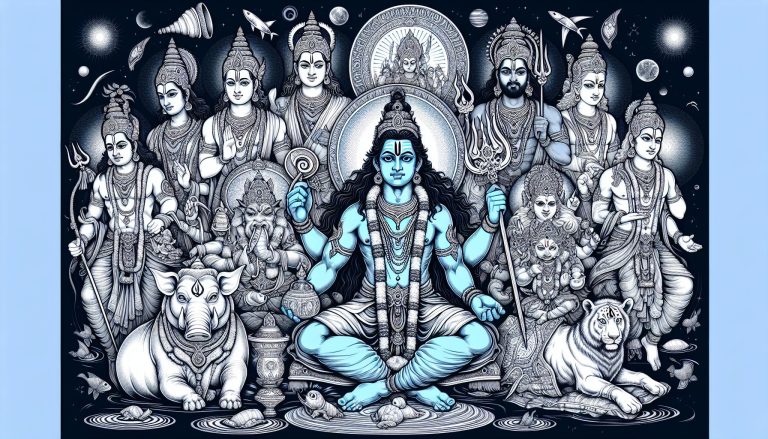
As I delved into the traditions surrounding Vishnu’s avatars, I found a rich tapestry of stories that blend mythology, spirituality, and cultural heritage. These narratives not only highlight Vishnu’s boundless compassion but also offer profound insights into the values and beliefs that shape Hindu philosophy. Join me as we explore the captivating world of Vishnu’s avatars and uncover the timeless wisdom they hold.
Overview Of Vishnu’s Avatars
Vishnu’s avatars serve a crucial role in Hinduism. These manifestations appear on Earth whenever there’s a need to restore balance. With each avatar, Vishnu ensures the protection of dharma and the destruction of evil forces. Often, these avatars take various forms, from human and animal to composite beings.
The Concept of Avatars
An avatar refers to an incarnation of a deity descending to the mortal realm. Vishnu is most closely associated with this concept as part of the Hindu Trimurti. Each of Vishnu’s avatars embodies a unique mission, focusing on empowering good and eliminating evil. This cyclical intervention helps maintain cosmic order.
The Ten Avatars
The ten accepted avatars of Vishnu, known as the Dashavatara, illustrate different aspects of divine intervention. Even though the total number is sometimes debated, the prominence of these ten forms is widely recognized:
- Matsya (the fish): Matsya symbolizes rescue during the cosmic deluge.
- Kurma (the tortoise): Kurma supports the churning of the ocean of milk.
- Varaha (the boar): Varaha saves Earth from the demon Hiranyaksha.
- Narasimha (the man-lion): Narasimha eradicates the tyrant Hiranyakashipu.
- Vamana (the dwarf): Vamana takes back the universe from the demon king Bali.
- Parashurama – Rama of the Axe (the hero): Parashurama annihilates corrupt Kshatriya warriors.
- Rama (the hero): Rama embodies virtuous leadership and defeats Ravana.
- Krishna (the hero): Krishna’s wisdom and valor guide the Mahabharata – The Great Epic events.
- Buddha (the enlightened): Buddha teaches compassion and non-violence.
- Kalki (the future warrior): Kalki is prophesied to bring an end to the current age of corruption and reset cosmic order.
Vishnu’s avatars enrich Hindu mythology, blending spirituality with moral teachings. Through stories of these incarnations, devotees gain guidance and inspiration to uphold righteousness in their lives.
The Ten Principal Avatars (Dashavatara)
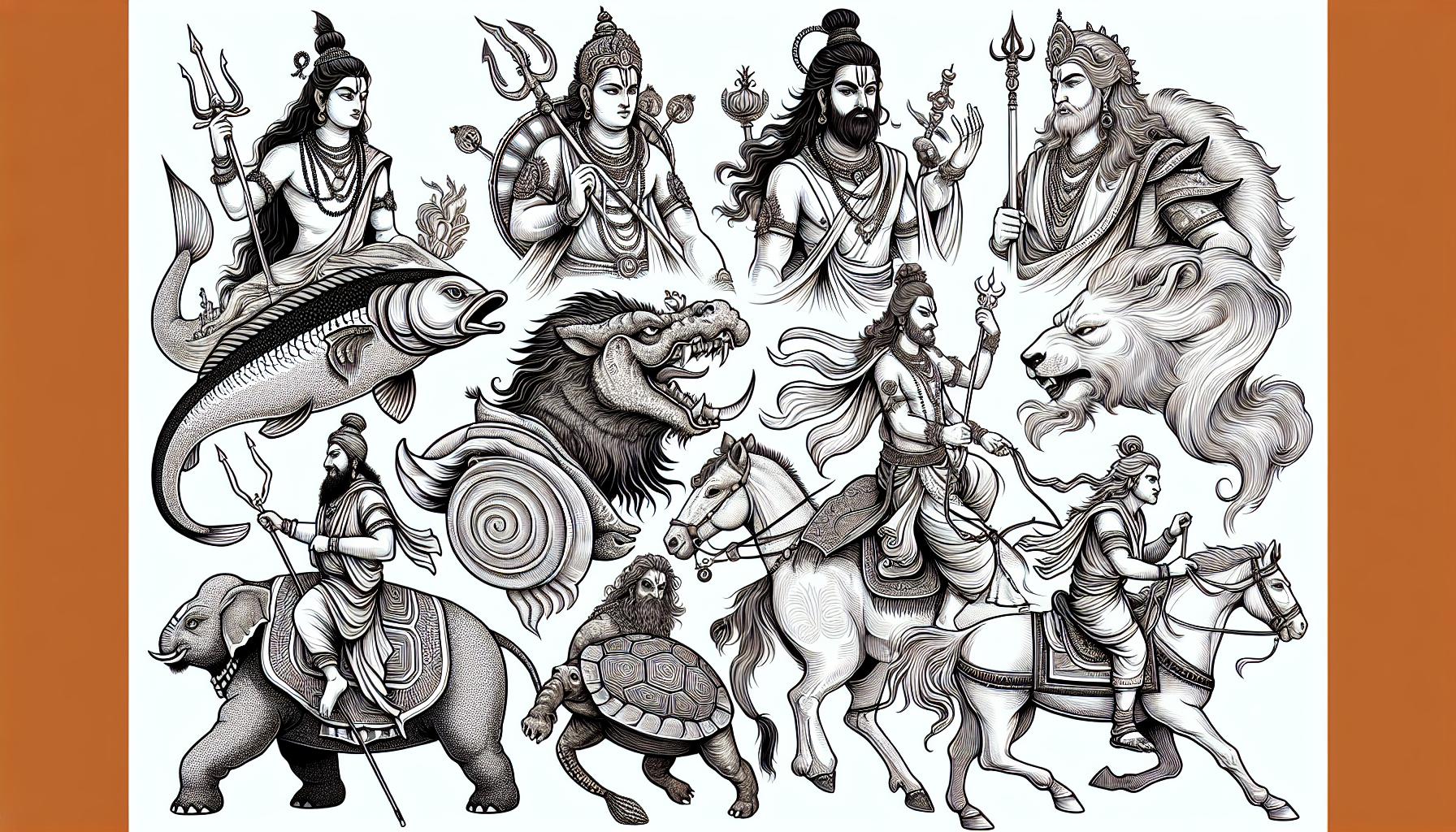
Vishnu’s ten principal avatars, known as the Dashavatara, embody the god’s descent to Earth to restore cosmic order. Each avatar serves a specific purpose to maintain balance and eliminate evil.
Matsya: The Fish
Matsya, the first avatar, is depicted as a fish associated with the Paleozoic era. This avatar is said to have saved the world from a great flood, rescuing the sacred texts and guiding the sages to safety.
Kurma: The Tortoise
Kurma, the second avatar, appears as a tortoise linked to the Mesozoic era. Kurma supported Mount Mandara during the churning of the ocean of milk, a significant event to retrieve the nectar of immortality.
Varaha: The Boar
Varaha, the third avatar, takes the form of a boar connected to the Cenozoic era. This avatar rescued Earth from the demon Hiranyaksha, lifting it from the cosmic ocean with his tusks.
Narasimha: The Man-Lion
Narasimha, the fourth avatar, is a composite of man and lion also associated with the Cenozoic era. Narasimha protected his devotee, Prahlada, and destroyed the tyrant Hiranyakashipu, demonstrating the triumph of devotion over tyranny.
Vamana: The Dwarf
Vamana, the fifth avatar, is depicted as a dwarf. He appeared to subdue the demon king Bali, reclaiming the universe for the gods. Vamana’s three strides symbolized the restoration of cosmic balance.
Parashurama: The Warrior
Parashurama, the sixth avatar, emerged as a fierce warrior. Armed with an axe, he eradicated the corrupt Kshatriya rulers twenty-one times, emphasizing the restoration of dharma.
Rama: The Prince
Rama, the seventh avatar, is known as the ideal prince. His epic journey, narrated in the Ramayana – Epic of Hinduism, illustrates the principles of righteousness, loyalty, and the duties of a king and husband.
Krishna: The Divine Statesman
Krishna, the eighth avatar, is a statesman and charioteer. Known for his role in the Mahabharata, Krishna’s teachings in the Bhagavad Gita provide wisdom on duty, righteousness, and devotion.
Buddha: The Enlightened One
Buddha, the ninth avatar, represents enlightenment and compassion. His teachings on detachment and the path to Nirvana aimed to rid humanity of ignorance and suffering.
Kalki: The Future Warrior
Kalki, the tenth avatar, is yet to appear. Depicted as a mighty warrior on a white horse, Kalki’s arrival is foretold to end the age of darkness and restore cosmic order.
Lesser-Known Avatars
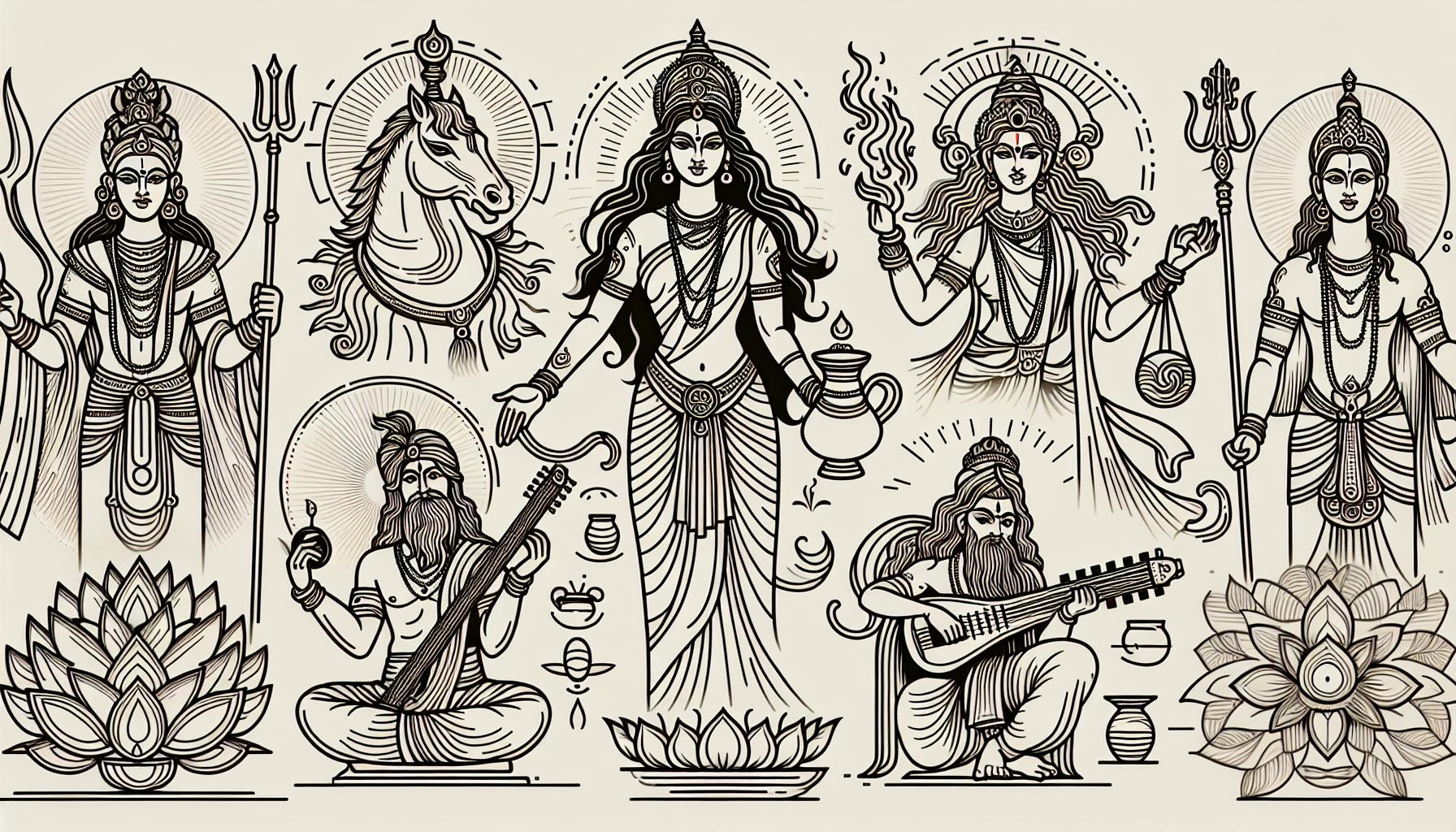
The lesser-known avatars of Vishnu complement the widely recognized Dashavatara. Each avatar holds unique cultural and spiritual significance. Various traditions and regional interpretations offer insight into these divine forms.
Mohini
Mohini, the only female avatar, plays a significant role in Hindu mythology. During the churning of the ocean of milk (Samudra Manthan), Mohini distributed the elixir of immortality (amrita) to the gods, ensuring their supremacy over demons. Mohini’s charm and wit showcase the philosophies of beauty and intelligence.
Hayagriva
Hayagriva, with a horse’s head and human body, signifies knowledge and wisdom. This avatar restored the Vedas, which were stolen by demons Madhu and Kaitabha. Devotees revere Hayagriva for intellectual pursuits and educational excellence.
Dhanvantari
Dhanvantari, regarded as the god of Ayurveda, emerged during the churning of the ocean of milk holding a pot of amrita. He is celebrated for his contributions to medicine and health. Worshipers seek his blessings for healing and longevity.
Prithu
Known as the first consecrated king, Prithu is believed to have introduced agriculture and governance. His reign ushered in prosperity and order, making him a symbol of righteous leadership and sustenance of life.
Naradiya
Naradiya, an incarnation associated with the sage Narada, emphasizes the dissemination of knowledge and music. Narada, often depicted with a musical instrument (veena), travels across realms singing praises of Lord Vishnu and spreading wisdom.
Regional Variations
Different regions add or omit avatars. For example, the Balarama – Brother of Krishna avatar appears in some lists instead of Buddha. Such variations reflect the adaptability of Vishnu’s avatars to cultural and devotional contexts across regions.
These lesser-known avatars enrich the tapestry of Vishnu’s divine interventions showcasing diverse aspects of life and spirituality.
Significance And Symbolism

Significance
Vishnu’s avatars play a central role in Hinduism, especially among Vaishnavites. They descend to earth when unrighteousness prevails, restoring dharma and maintaining cosmic balance. These avatars embody dharma, acting as defenders of the good and destroyers of evil.
- Restoration of Dharma: Vishnu’s avatars emerge when righteousness declines, aiming to protect the virtuous and eliminate malevolent forces. This cyclical intervention ensures that dharma prevails.
- Cosmic Balance: Avatars maintain cosmic equilibrium by defeating malevolent beings, preventing chaos, and reestablishing order. This divine action restores harmony in the universe.
- Embodiment of Dharma: Each avatar represents dharma, encompassing values like order, justice, and duty. Their actions and teachings guide humanity toward righteousness.
Symbolism
Vishnu’s avatars carry profound symbolic meanings reflected in their attributes and deeds.
- Conch Shell (Shankha): The conch shell signifies spiraling cyclic existence and interconnectedness. It represents the sound of creation and the spreading of righteousness through divine intervention.
- War Discus (Chakra): The war discus stands for the restoration of dharma through necessary martial actions. It signifies the destruction of evil and the reestablishment of cosmic order, emphasizing that divine force is sometimes required to sustain harmony.
Influence On Culture And Worship
Vishnu’s avatars make a profound impact on Hindu culture and worship. Each avatar holds a significant place in traditions, festivals, and art.
Festivals and Celebrations
Devotees celebrate many festivals honoring Vishnu‘s avatars. Janmashtami, marking Krishna’s birth, involves fasting, singing, and dancing. Ramanavami, celebrating Rama’s birth, includes recitations of the Ramayana and elaborate processions. Varaha Jayanti honors the boar incarnation, with rituals seeking protection and prosperity. Buddha Purnima commemorates Buddha’s enlightenment, with prayers and teachings spread throughout communities. Each festival strengthens communal bonds and reinforces spiritual teachings.
Artistic Representations
Vishnu’s avatars inspire diverse artistic expressions. Temples boast intricate sculptures and carvings of avatars like Narasimha and Varaha. Paintings, particularly in styles like Tanjore and Madhubani, depict vivid stories of Krishna’s exploits and Rama’s adventures. Drama forms like Kathakali and Yakshagana often recreate tales from the Mahabharata and Ramayana. Contemporary media, including movies and television, also bring these stories to broader audiences, preserving their relevance in modern society. These artistic representations reinforce cultural heritage and keep the divine narratives alive for generations.
Conclusion
Vishnu’s avatars play a pivotal role in shaping Hindu traditions and spiritual practices. They embody divine principles and serve as moral compasses for humanity, guiding us through their profound teachings. The rich tapestry of these avatars, from the well-known Dashavatara to the lesser-known manifestations, adds depth to our understanding of life and spirituality. Their stories and symbolism continue to inspire devotion, artistic expression, and cultural preservation. Celebrations and festivals dedicated to these avatars not only honor their legacy but also strengthen our communal bonds and spiritual growth. Vishnu’s divine interventions remind us of the eternal struggle to uphold righteousness and harmony in the universe.
Sources & further reading
These themes are explored in greater depth across the following authoritative resources:
- Encyclopaedia Britannica, Hindu Mythology
- Internet Sacred Text Archive, Hinduism
- Mythopedia, Hindu Mythology
- Harvard Pluralism Project, Hindu Tradition
- Wendy Doniger, The Hindus: An Alternative History (Penguin, 2009), ISBN 978-0143116691
External resources for further reading. Apam Napat is not affiliated with these publishers; citation does not imply endorsement.
Based on the classical texts of Hindu mythology, see our sources.