Ahimsa, the ancient principle of non-violence, isn’t just a spiritual concept; it’s a powerful tool for political change. Rooted in traditions like Hinduism, Buddhism, and Jainism, ahimsa has inspired some of history’s most effective movements. Think Mahatma Gandhi’s struggle for India’s independence or Martin Luther King Jr.’s fight for civil rights in America. When I … Read more
When I first delved into Vedanta, the concept of Maya fascinated me. In this ancient philosophical tradition, Maya isn’t just an illusion but the force that shapes our perception of reality. It’s the veil that clouds our understanding, making the transient world appear permanent and the finite seem infinite. Understanding Maya is crucial for anyone … Read more
जनमेजय Janamejaya, the son of Parikshit – Son of Abhimanyu, was a significant figure in Hindu mythology. His father, Parikshit, had ascended to the throne at a young age after the untimely demise of his father, Abhimanyu – The Brave Young Warrior. When Janamejaya came of age, he was determined to avenge his father’s death, … Read more
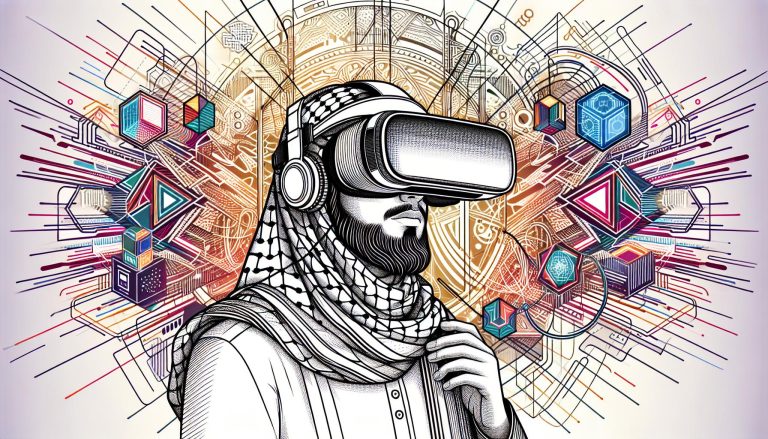
Ever wondered if what you see and experience is genuinely real or just a trick of the mind? The concept of the “illusion of reality” challenges our perceptions, suggesting that our senses might not always be trustworthy. From optical illusions to virtual reality, our brains often interpret information in ways that don’t always align with … Read more
In a world that’s increasingly interconnected, the concept of global citizenship has never been more relevant. At its core, global citizenship is about recognizing our shared humanity and taking responsibility for our collective well-being. One powerful principle that aligns seamlessly with this idea is ahimsa, the ancient philosophy of non-violence and compassion. Ahimsa, rooted in … Read more
When we talk about life’s illusions, the ancient concept of “maya” often comes to mind. Rooted in Hindu and Buddhist traditions, maya represents the veil that obscures reality, leading us to mistake the transient for the eternal. But breaking free from this illusion isn’t just a spiritual quest—it’s a journey toward true liberation. I’ve always … Read more
Ahimsa, the ancient principle of non-violence rooted in Indian philosophy, isn’t just a relic of the past. It’s more relevant than ever in our rapid, conflict-ridden world. From personal interactions to global movements, the idea of causing no harm can transform how we live and interact. I find it fascinating how ahimsa’s core values are … Read more
When I think of Indian culture, the concept of ahimsa, or non-violence, immediately comes to mind. Rooted deeply in the traditions of Hinduism, Buddhism, and Jainism, ahimsa isn’t just a practice; it’s a way of life that influences millions. From Mahatma Gandhi’s peaceful resistance to the everyday choices people make, ahimsa shapes the moral and … Read more
Quick facts Meaning Non-violence toward all beings, in thought, word and action. Tradition A core tenet of Hindu ethics; also influential in Jainism. Key texts Vedas (Rig Veda), Chandogya Upanishad, Mahabharata, Manusmriti. Key figures Mahatma Gandhi, Swami Vivekananda, Lord Mahavira, Adi Shankaracharya. In practice Expressed through vegetarianism, compassion and animal-rights activism. Ahimsa, the principle of … Read more
Exploring life’s complexities often brings us back to fundamental questions about our purpose and responsibilities. Dharma, an ancient concept rooted in Indian philosophy, offers profound insights into our roles within society. It’s not just about personal duty but also about contributing to the greater good. When I think about social responsibility, I see it as … Read more
We use cookies to improve your experience and to understand how the encyclopedia is used. You can accept all cookies, or reject non-essential ones. See our Privacy Policy for details.